
Thinking about starting a pet grooming business? A dog grooming business can be a rewarding career if you love animals and enjoy making them look and feel their best. But like any business, success requires careful planning. This guide will walk you through the essential steps to launch your own successful dog grooming venture.
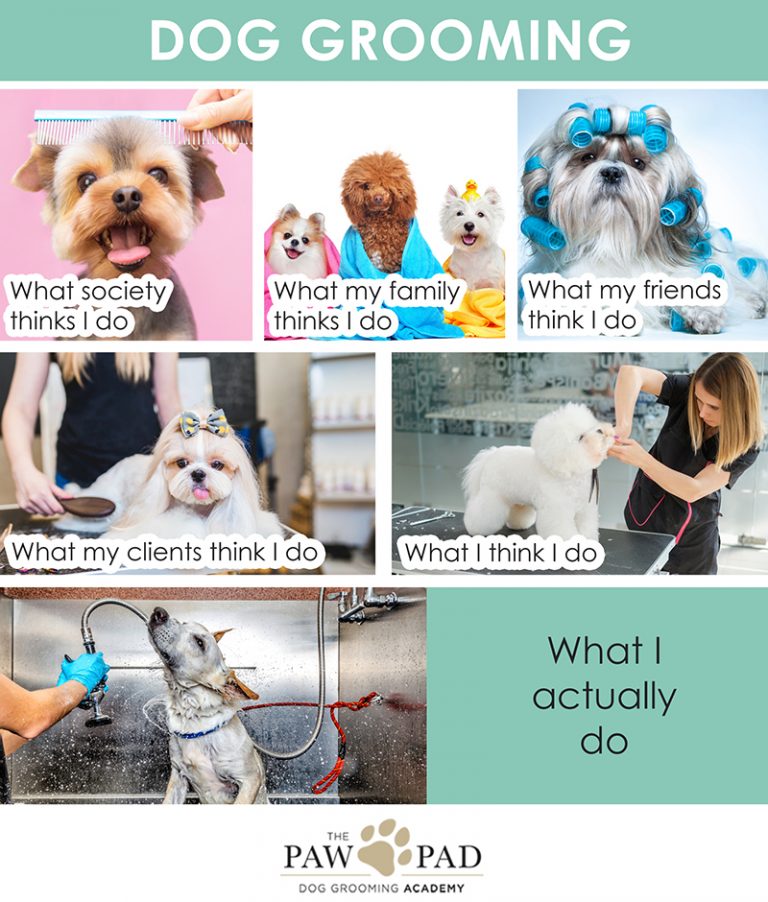
Image Source: www.pawpaddogs.co.uk
Crafting Your Dog Grooming Business Plan
A solid dog grooming business plan is your roadmap to success. It helps you define your goals, understand your market, and outline how you’ll achieve profitability.
Mission and Vision Statement
Your mission statement is your business’s purpose. What do you aim to achieve for your clients and their pets? Your vision statement is your long-term aspiration. Where do you see your business in five or ten years?
- Mission Example: To provide high-quality, compassionate, and stress-free grooming services that enhance the health and happiness of dogs and their owners in our community.
- Vision Example: To be the leading provider of premium dog grooming services, recognized for exceptional care, innovative techniques, and a strong commitment to animal welfare, potentially expanding to multiple locations or offering specialized services.
Target Market Analysis
Who are your ideal customers? Are you aiming for busy professionals who need convenient services, or owners of specific breeds with unique grooming needs?
- Demographics: Age, income level, location of pet owners.
- Psychographics: Lifestyle, values, attitudes towards pet care.
- Needs: What grooming services are most in demand? (e.g., breed-specific cuts, de-shedding, nail trims, bathing).
Competitive Landscape
Research other groomers in your area. What are their strengths and weaknesses? How can you differentiate yourself?
- Identify Competitors: Local salons, mobile dog grooming services, and even home-based groomers.
- Analyze Services and Pricing: What do they offer? What do they charge?
- Identify Gaps: Are there services missing in the market that you can provide?
Services Offered
Define the specific services you will provide. This could range from basic baths and brush-outs to full-service grooming, including haircuts, nail trims, ear cleaning, and anal gland expression.
- Basic Grooming: Bath, brush, nail trim, ear cleaning.
- Full Grooming: Includes basic grooming plus a breed-specific or custom haircut.
- Specialty Services: De-shedding treatments, flea and tick baths, creative grooming, puppy’s first groom.
Marketing and Sales Strategy
How will you reach your target market and convince them to choose your business?
- Branding: Develop a memorable name and logo.
- Online Presence: Create a website and social media profiles.
- Local Marketing: Flyers, local partnerships, community events.
- Customer Retention: Loyalty programs, referral discounts.
Operational Plan
Detail how your business will function day-to-day.
- Location: Will you operate a dog grooming salon, a home based dog grooming business, or offer mobile dog grooming?
- Equipment and Supplies: What dog grooming equipment and dog grooming supplies will you need?
- Staffing: Will you hire employees? What qualifications will they need?
- Daily Operations: Appointment scheduling, client communication, cleaning protocols.
Financial Projections
This is a critical part of your business plan. It involves estimating your startup costs, operating expenses, and revenue.
- Startup Costs: Initial investment needed to get the business running.
- Operating Expenses: Ongoing costs to keep the business running.
- Revenue Streams: How will you make money?
- Pricing Strategy: How will you set your dog grooming pricing?
Exploring Business Models for Dog Grooming
The way you structure your business will influence your startup costs, operational complexity, and customer reach.
Dog Grooming Salon
This is the traditional brick-and-mortar approach.
- Pros: Professional image, ample space for equipment and clients, potential for higher volume.
- Cons: High overhead costs (rent, utilities, insurance), requires significant upfront investment, location is crucial.
- Considerations: Zoning laws, accessibility, parking, lease agreements, interior design for efficiency and safety.
Mobile Dog Grooming
This model brings grooming services directly to the client’s doorstep in a specially equipped van.
- Pros: Convenience for clients, lower overhead than a salon, flexibility in scheduling and service area, can cater to anxious pets who prefer familiar surroundings.
- Cons: Higher upfront cost for the van and its modifications, vehicle maintenance, limited by vehicle capacity and weather conditions, requires efficient route planning.
- Considerations: Van conversion costs, specialized grooming equipment for mobile use, insurance for vehicles, fuel costs, maintaining a clean and professional mobile unit.
Home Based Dog Grooming
Operating from your own home can be a cost-effective way to start.
- Pros: Very low overhead, flexible hours, direct client interaction in a familiar setting.
- Cons: Limited space, potential for zoning restrictions or neighbor complaints, requires strict separation of business and personal life, perception of professionalism might be lower for some clients, capacity is limited by home space.
- Considerations: Designating a specific grooming area, ensuring proper ventilation and sanitation, client parking, managing appointments to avoid disruption to household.
Essential Dog Grooming Equipment and Supplies
Investing in the right dog grooming equipment and dog grooming supplies is paramount for efficiency, safety, and quality of service.
Core Equipment
| Equipment | Description | Estimated Cost |
|---|---|---|
| Grooming Table | Hydraulic or electric, height-adjustable, with a secure grooming arm. | $200 – $1000+ |
| Grooming Tub | Stainless steel, walk-in access, with adjustable restraints and a spray nozzle. | $500 – $2000+ |
| High-Velocity Dryer | Powerful, multi-speed dryer to quickly remove water and fluff the coat. | $150 – $500 |
| Clippers | Professional-grade, quiet, with various blade attachments. | $100 – $400 |
| Shears/Scissors | Straight, curved, thinning shears for different cuts and finishes. | $50 – $300+ |
| Brushes and Combs | Slicker brushes, pin brushes, metal combs for detangling and styling. | $20 – $100 |
| Nail Clippers/Grinders | Guillotine or scissor-style clippers, or a Dremel for nail grinding. | $15 – $75 |
| Ear Cleaning Solution | Safe and effective solution for cleaning ear canals. | $10 – $25 |
| Styptic Powder | To stop bleeding if nails are accidentally cut too short. | $5 – $15 |
| Muzzles | For safety during grooming of nervous or reactive dogs. | $10 – $30 |
| Towels | Absorbent, durable towels for drying. | $30 – $100 |
| Shampoos and Conditioners | High-quality, pet-specific products for various coat types and conditions. | $50 – $200+ |
Important Dog Grooming Supplies
Beyond major equipment, a steady supply of consumables is vital.
- Variety of Shampoos and Conditioners: Hypoallergenic, de-shedding, whitening, medicated, oatmeal-based.
- Grooming Wipes: For quick clean-ups between full grooms.
- Ear Cleaner and Cotton Balls/Pads: For gentle ear hygiene.
- Toothbrushes and Dog Toothpaste: For dental care.
- Styptic Powder: Essential for minor nicks during nail trims.
- Grooming Sprays: Detangling sprays, finishing sprays.
- Bandanas or Bows: For a finishing touch.
- Disinfectants and Cleaning Supplies: To maintain a hygienic environment.
- First-Aid Kit: Tailored for pet grooming emergencies.
- Kennels or Crates: For temporary safe housing of dogs.
Legalities and Licensing
Navigating the legal requirements is a crucial step in starting a pet grooming business.
Business Registration
- Choose a Business Structure: Sole proprietorship, partnership, LLC, or corporation. Consult with a legal professional to determine the best structure for your needs.
- Register Your Business Name: With your local or state government.
- Obtain an EIN: An Employer Identification Number from the IRS if you plan to hire employees.
Licenses and Permits
- Local Business License: Most cities and counties require a general business license.
- Zoning Permits: If operating from home or a commercial space, ensure you comply with local zoning laws.
- Health and Safety Regulations: Familiarize yourself with any specific health and safety regulations for pet grooming businesses in your area.
Insurance
- General Liability Insurance: Protects against claims of bodily injury or property damage.
- Professional Liability Insurance (Errors & Omissions): Covers mistakes or negligence in your grooming services.
- Animal Bailee Insurance: Covers loss or injury to animals in your care.
- Commercial Auto Insurance: If you plan to operate a mobile dog grooming service.
Pet Grooming Certification and Education
While not always legally required, obtaining a pet grooming certification can significantly boost your credibility and skill set.
Why Certification Matters
- Demonstrates Expertise: Shows clients you have undergone formal training.
- Enhances Skill Set: Provides comprehensive knowledge of breeds, coat types, grooming techniques, and animal behavior.
- Builds Trust: Assures clients that their pets are in capable hands.
- Professional Development: Keeps you updated on the latest industry trends and safety practices.
Pathways to Certification
- Grooming Schools: Accredited schools offer intensive programs covering all aspects of dog grooming.
- Online Courses: Many reputable organizations offer online courses and certifications.
- Apprenticeships: Learning under an experienced groomer can provide invaluable hands-on experience.
- Industry Associations: Organizations like the National Dog Groomers Association of America (NDGAA) offer certification programs.
Pricing Your Dog Grooming Services
Setting competitive yet profitable dog grooming pricing is vital for your business’s financial health.
Factors Influencing Pricing
- Breed and Size of Dog: Larger dogs or those with more complex coats typically cost more.
- Coat Condition: Matted or heavily soiled coats require more time and effort, justifying a higher price.
- Service Type: Full grooms will be priced higher than baths and brush-outs.
- Groomer’s Experience and Reputation: Highly skilled and in-demand groomers can command higher prices.
- Location and Cost of Living: Prices vary significantly based on geographic location.
- Products Used: Premium shampoos and specialized treatments can add to the cost.
- Time Spent: The actual time it takes to groom each dog.
Common Pricing Structures
- Per Breed/Size: A tiered system based on common breeds and their typical grooming requirements.
- By the Hour: Less common, but can be used for complex or unique grooming needs.
- Add-ons: Charge extra for services like de-shedding treatments, specialized shampoos, or teeth brushing.
Example Pricing Table (Illustrative)
| Service | Small Dog (e.g., Shih Tzu) | Medium Dog (e.g., Cocker Spaniel) | Large Dog (e.g., Golden Retriever) |
|---|---|---|---|
| Bath & Brush | $40 – $60 | $55 – $75 | $70 – $90 |
| Full Groom | $60 – $85 | $75 – $100 | $90 – $120 |
| De-Shedding Treatment | +$15 – $25 | +$20 – $35 | +$30 – $45 |
| Nail Trim Only | $15 – $25 | $20 – $30 | $25 – $35 |
| Ear Cleaning Only | $10 – $15 | $10 – $15 | $10 – $15 |
Note: These are general estimates. Actual prices will vary.
Marketing Your Dog Grooming Business
Effective marketing is key to attracting and retaining clients.
Building Your Brand
- Professional Logo and Name: Memorable and reflective of your business values.
- Consistent Branding: Use your logo and colors across all marketing materials.
Online Marketing
- Website: A professional website showcasing your services, pricing, testimonials, and an online booking system.
- Social Media: Platforms like Facebook, Instagram, and TikTok are excellent for sharing before-and-after photos, client spotlights, grooming tips, and running promotions.
- Local SEO: Optimize your website and online listings (Google My Business) for local searches.
- Online Reviews: Encourage satisfied clients to leave reviews on Google, Yelp, and other platforms.
Offline Marketing
- Local Partnerships: Collaborate with veterinarians, pet stores, dog walkers, and animal shelters.
- Flyers and Business Cards: Distribute them in relevant local businesses.
- Community Events: Participate in local pet expos, fairs, or adoption events.
- Referral Programs: Incentivize existing clients to refer new customers.
Customer Service Excellence
Exceptional customer service is what turns first-time clients into loyal patrons.
- Clear Communication: Listen to client requests and provide clear explanations of services.
- Personalized Care: Treat each dog as an individual with unique needs and personalities.
- Professionalism: Maintain a clean, organized, and welcoming environment.
- Transparency: Be honest about pricing and any potential issues that may arise during grooming.
- Follow-Up: Consider a quick follow-up call or text after a grooming session to ensure satisfaction.
Frequently Asked Questions (FAQ)
Q1: What are the biggest challenges when starting a dog grooming business?
A1: Key challenges often include initial dog grooming startup costs, finding a good location (if applicable), building a client base, managing difficult or anxious dogs, and staying competitive with pricing and services.
Q2: Do I need a license to groom dogs?
A2: While specific federal licenses are not typically required for starting a pet grooming business, you will likely need local and state business licenses and permits. It’s essential to research the specific requirements in your area. Pet grooming certification is highly recommended but not always legally mandated.
Q3: How much money do I need to start a dog grooming business?
A3: Dog grooming startup costs can vary greatly. A home based dog grooming business might start with a few thousand dollars for equipment and supplies. A dog grooming salon could range from $10,000 to $50,000+ depending on rent, renovation, and equipment. Mobile dog grooming typically falls between a home-based and salon setup, often in the $20,000 – $70,000 range for a converted van.
Q4: What is the difference between dog grooming and pet grooming?
A4: Dog grooming refers specifically to grooming services for dogs. Pet grooming is a broader term that can include grooming for dogs, cats, and sometimes other small animals. If you plan to groom more than just dogs, you might consider a “pet grooming” business name.
Q5: How do I set my dog grooming prices?
A5: Dog grooming pricing should be based on factors like breed size, coat condition, the specific services requested, your experience, and local market rates. It’s crucial to cover your costs, including dog grooming supplies and equipment, and still make a profit.
Q6: Is mobile dog grooming profitable?
A6: Yes, mobile dog grooming can be very profitable. The convenience factor allows you to charge a premium, and lower overhead compared to a salon can increase profit margins. However, it requires efficient route planning and higher initial investment in the grooming vehicle.
By following these steps and dedicating yourself to providing excellent care, you can successfully launch and grow your own dog grooming business.