
Is your dog excessively attached to you? Do they react negatively when others try to get your attention? This behavior, often stemming from jealousy or attention seeking, can be challenging. This guide offers expert tips to help you manage and modify your dog’s possessive behavior, fostering a more balanced and harmonious owner-dog bond.
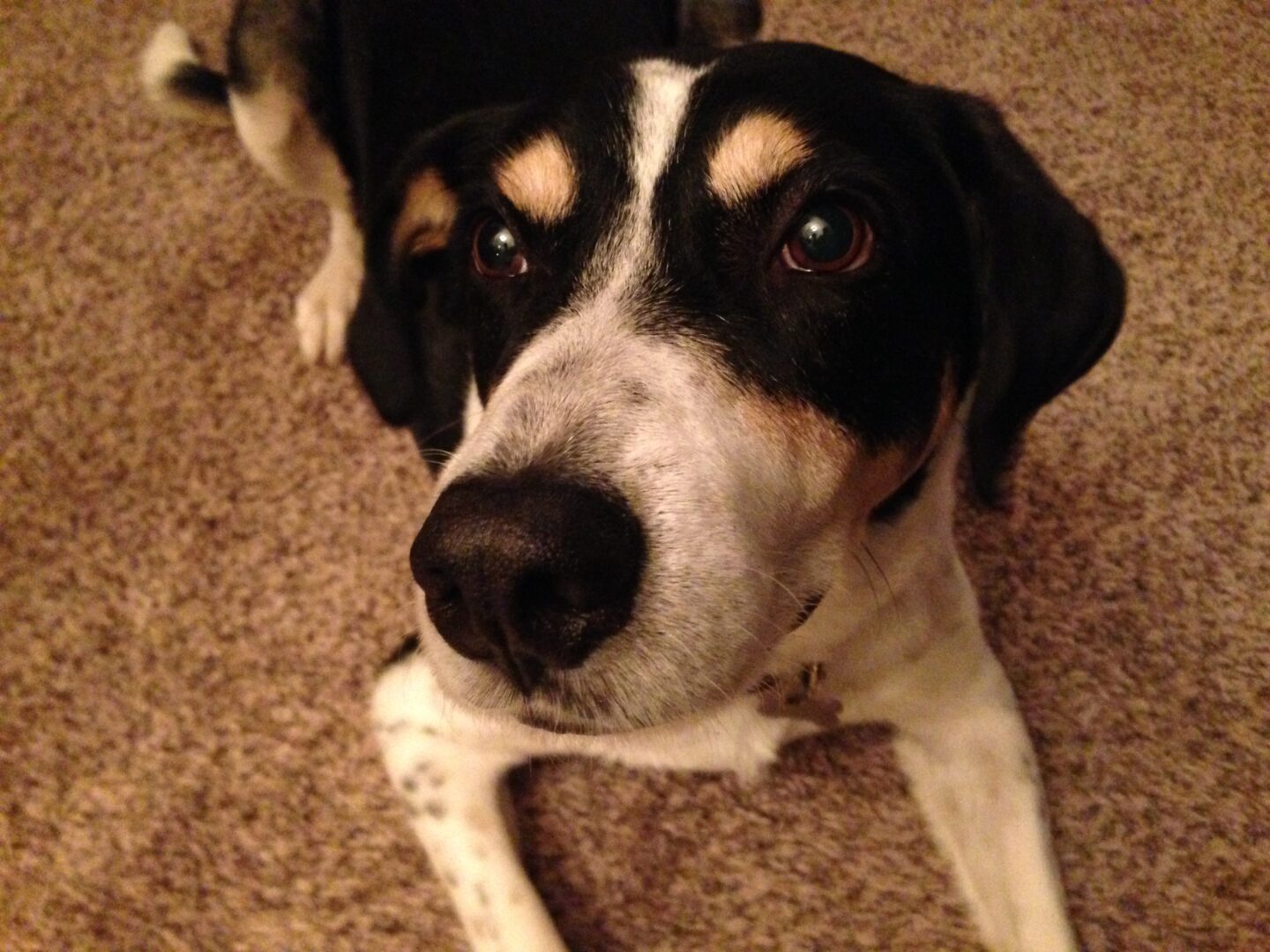
Image Source: doggoneproblems.com
Deciphering Possessive Behavior in Dogs
Possessiveness in dogs is not a sign of malicious intent, but rather an expression of insecurity, anxiety, or learned behavior. It can manifest in various ways, from subtle nudges to aggressive growls and snaps. Fathoming the root cause is crucial for effective intervention.
What is possessive behavior? Possessive behavior in dogs occurs when they try to keep something or someone all to themselves, often reacting negatively to any perceived threat to their access.
Can I fix my dog’s possessive behavior? Yes, with patience, consistent training, and the right approach, you can significantly reduce or eliminate possessive behaviors.
Identifying the Roots of Possessiveness
To effectively address possessiveness, we must first explore its underlying causes. These can range from innate anxieties to learned responses.
Resource Guarding: A Common Culprit
Resource guarding is a primary driver of possessive behavior. Dogs naturally protect valuable resources, which can include their owner, food, toys, or even a favorite resting spot. When this guarding escalates to unwanted levels, it becomes problematic.
Types of Resource Guarding:
- Food guarding: Growling, snapping, or barring access to food bowls.
- Toy guarding: Protecting toys from other dogs or people.
- Person guarding: Interfering when others interact with the owner. This is the focus of our possessive behavior discussion.
Separation Anxiety: When Alone Time Becomes a Crisis
While not always directly visible as possessiveness, separation anxiety can fuel a dog’s intense need to stay glued to their owner. The fear of being left alone can manifest as clinginess and distress when the owner attempts to engage with others.
Signs of Separation Anxiety:
- Excessive barking or howling when left alone.
- Destructive behavior around exit points.
- Pacing or drooling.
- Potty accidents indoors.
Jealousy: Competing for Affection
Dogs can experience something akin to jealousy, especially when they perceive a shift in attention. If a new pet or person enters the household, or if your focus shifts, a possessive dog might try to reassert their claim on your affection.
Attention Seeking: A Learned Behavior
Sometimes, possessiveness is simply a learned behavior. If your dog has discovered that by acting possessive or demanding, they get your undivided attention (even negative attention), they will continue this pattern. This is often linked to a lack of sufficient positive interaction.
Dominance Issues: Reinterpreting Social Hierarchies
Historically, possessive behavior was often attributed to dominance issues. While a dog’s social structure is complex, attributing all possessiveness to a desire to be “alpha” is an oversimplification. Modern behavioral science often leans towards anxiety and learned behaviors as primary causes. However, in some cases, a dog might be testing boundaries.
Fear-Based Behavior: A Defense Mechanism
Possessiveness can also stem from fear-based behavior. A dog that feels insecure or threatened by another person or animal near their owner might act possessively as a defensive measure to create distance.
Strategies to Curb Possessive Tendencies
Successfully modifying possessive behavior requires a multi-faceted approach centered on building confidence and establishing clear communication.
Implementing Positive Reinforcement
Positive reinforcement is the cornerstone of effective dog training. It involves rewarding desired behaviors, making them more likely to occur again. For possessive dogs, this means rewarding calm behavior, independent play, and gentle interactions with others.
Rewarding Calmness:
- When your dog is relaxed and not focused on you, offer quiet praise or a small treat.
- Ignore demanding or possessive behaviors, and reward them only when they cease and the dog calms down.
Behavior Modification Techniques: A Step-by-Step Approach
Behavior modification is about systematically changing an unwanted behavior. This involves gradual exposure and rewarding progress.
Desensitization and Counter-Conditioning:
This dual approach is highly effective for possessiveness.
- Desensitization: Gradually expose your dog to the trigger (e.g., another person entering the room) at a distance or intensity where they do not react.
- Counter-Conditioning: Pair the presence of the trigger with something positive (high-value treats, favorite toys) that your dog loves.
Example:
- Trigger: A friend approaches the owner.
- Step 1 (Desensitization): Have the friend stand far away in the room, not looking at the dog.
- Step 2 (Counter-Conditioning): As the friend remains at a distance, give your dog small, tasty treats. Once the friend moves closer and the dog remains calm, continue the treats. If the dog shows any signs of stress, increase the distance.
- Progression: Slowly decrease the distance over multiple sessions, always ensuring the dog remains comfortable and associates the trigger with good things.
Strengthening the Owner-Dog Bond Through Positive Interaction
A strong owner-dog bond built on trust and positive experiences is essential. Possessive dogs often need to learn that their owner is a reliable source of positive reinforcement and that they don’t need to control the owner’s interactions.
Activities to Strengthen Your Bond:
- Interactive Play: Engage in games like fetch or tug-of-war (with clear rules).
- Training Sessions: Short, fun training sessions using positive reinforcement.
- Puzzle Toys: Provide mental stimulation and encourage independent problem-solving.
- Calm Affection: Offer gentle petting and praise when your dog is relaxed.
Managing the Environment: Proactive Prevention
Sometimes, the best approach is to manage the environment to prevent opportunities for possessive behavior to occur.
Environmental Management Strategies:
- Controlled Greetings: When guests arrive, have your dog on a leash or behind a gate initially. Reward them for calm behavior during greetings.
- Provide Space: Ensure your dog has a comfortable, safe space (like a crate or dog bed) where they can retreat and feel secure, away from potential triggers.
- Rotate Toys: Keep a variety of toys available but rotate them to maintain interest and prevent any single item from becoming an overly guarded resource.
Teaching Impulse Control and Incompatible Behaviors
Impulse control helps dogs manage their reactions. Teaching behaviors that are incompatible with possessiveness, such as “go to your place” or “leave it,” can be very effective.
Impulse Control Exercises:
- “Leave It”: Teach your dog to ignore tempting items by rewarding them for looking away from the item when cued.
- “Go to Your Place”: Train your dog to go to a designated mat or bed and stay there until released. This is excellent for managing their presence when guests are over.
The Role of Socialization: Building Confidence and Adaptability
Proper socialization from a young age is crucial for preventing many behavioral issues, including possessiveness. A well-socialized dog is more confident and less likely to feel threatened by new people, places, or other animals.
Socialization Best Practices:
- Early Exposure: Introduce puppies to a variety of sights, sounds, people, and well-behaved dogs during their critical socialization window (roughly 3-16 weeks).
- Positive Experiences: Ensure all introductions are positive and not overwhelming.
- Ongoing Socialization: Continue exposing your dog to new experiences throughout their life to maintain their adaptability.
Addressing Fear-Based Behavior and Anxiety
If fear is the primary driver, addressing the underlying anxiety is paramount. This might involve working with a professional to develop a tailored behavior modification plan.
Techniques for Fear and Anxiety:
- Safe Spaces: Reinforce the dog’s safe space as a retreat from overwhelming situations.
- Avoid Punishment: Never punish a dog for displaying fear-based possessiveness, as this will only exacerbate their anxiety.
- Professional Guidance: Consult a certified professional dog trainer or veterinary behaviorist.
When to Seek Professional Help
While many possessive behaviors can be managed with diligent owner effort, some situations warrant professional intervention.
Recognizing the Need for Expert Support
If your dog’s possessiveness is severe, escalates quickly, involves aggression (growling, snapping, biting), or if you feel unsafe, it’s time to call in the experts.
Signs You Need a Professional:
- Aggression: Any bite or attempt to bite.
- Uncontrolled Reactions: Your dog reacts intensely and doesn’t calm down.
- Lack of Progress: You’ve tried various methods without improvement.
- Safety Concerns: You feel unable to manage the situation safely.
Choosing the Right Professional
Selecting the right professional is critical for successful behavior modification.
Qualifications to Look For:
- Certified Professional Dog Trainer (CPDT-KA, CPDT-KSA): Look for trainers with recognized certifications.
- Veterinary Behaviorist (DACVB): For severe cases or if medication might be considered, a veterinary behaviorist is ideal.
- Positive Reinforcement Focus: Ensure the professional uses humane, science-based methods. Avoid trainers who advocate for harsh or punitive techniques.
Managing Possessiveness in Specific Scenarios
Possessiveness can surface in different contexts. Here’s how to handle common situations.
Possessiveness Towards Other People
This is a frequent manifestation of person guarding. The goal is to teach your dog that other people are not a threat and can even be sources of good things.
Tips for Managing Possessiveness Towards People:
- Guest Protocol: Have a plan for when guests arrive. This might include having your dog leashed or in another room with a high-value chew toy until they are calm.
- Controlled Interactions: When guests are present, reward your dog for polite behavior (e.g., sitting calmly, not crowding). Ask guests to ignore your dog until they are relaxed.
- “Look At That” Game: When a person appears, as soon as your dog notices them, say “Yes!” and give a treat. Continue this as the person gets closer, rewarding your dog for looking at the person and then looking back at you.
- Positive Association: Have visitors toss treats to your dog (without direct interaction initially) if your dog is comfortable.
Possessiveness Towards Other Dogs
If your dog is possessive over you when other dogs are around, it can make outings challenging.
Tips for Managing Possessiveness Towards Other Dogs:
- Maintain Distance: Initially, keep a significant distance from other dogs during walks.
- Reward Calmness: Reward your dog for looking at another dog and then looking back at you without reacting.
- Parallel Walking: Walk in parallel with another well-behaved dog at a distance where both dogs are comfortable.
- Controlled Playdates: If your dog is generally good with other dogs, arrange playdates in a neutral, controlled environment with dogs you know are calm and well-socialized. Avoid off-leash parks initially.
Possessiveness Over Objects (e.g., Toys, Beds)
While the focus is on the owner, possessiveness can extend to objects that are indirectly linked to the owner’s attention or favor.
Tips for Managing Object Possessiveness:
- Trading Up: Teach your dog to happily trade an item they have for something better (e.g., a lower-value toy for a high-value treat).
- “Drop It”: Train a reliable “drop it” cue.
- Scheduled Possession: If your dog guards a specific toy, consider removing it when you can’t supervise and only bringing it out during supervised play.
The Long-Term Vision: A Balanced Relationship
The journey to curb possessive behavior is a marathon, not a sprint. Consistency, patience, and a deep commitment to positive methods will pave the way for a more secure and joyful owner-dog bond.
Maintaining Progress and Preventing Relapse
Once improvements are seen, it’s important to maintain consistency and be aware of potential triggers.
Maintaining Gains:
- Continue Training: Keep up with basic obedience and impulse control exercises.
- Awareness: Be mindful of situations that might cause your dog stress or trigger their old habits.
- Positive Interactions: Continue to provide plenty of positive experiences for your dog.
Celebrating Milestones
Acknowledge and celebrate the small victories along the way. Each moment of calm, each polite interaction, is a testament to your hard work and your dog’s adaptability.
Frequently Asked Questions (FAQ)
Q1: Will my dog ever stop being possessive?
A: With consistent and appropriate training, most dogs can significantly reduce or eliminate possessive behaviors. The goal is to manage the behavior effectively and build a more secure relationship.
Q2: Can punishment make possessiveness worse?
A: Yes, punishment, especially for fear-based or anxiety-driven behaviors, can worsen possessiveness. It can increase fear, anxiety, and a dog’s motivation to guard.
Q3: How long does it take to change a dog’s possessive behavior?
A: The timeline varies greatly depending on the dog, the severity of the behavior, the owner’s consistency, and the underlying cause. Some changes can be seen within weeks, while others may take months or even longer.
Q4: Is my dog trying to be dominant when they are possessive?
A: While dominance can play a minor role in some cases, possessiveness is more commonly linked to insecurity, anxiety, learned behavior, or fear. Focusing on building confidence and positive associations is generally more effective than trying to establish dominance.
Q5: What is the most important thing I can do to help my possessive dog?
A: The most important thing is to use positive reinforcement and behavior modification techniques consistently, while also seeking professional guidance if needed. Building a strong, trusting owner-dog bond is the foundation for success.