
Can I stop my dog from barking in their crate at night? Yes, you absolutely can stop your dog from barking in their crate at night through consistent training and addressing the root cause of the barking. This isn’t just about a quiet night for you; it’s about ensuring your dog feels secure and happy in their den. Dog barking at night can be a frustrating issue for many pet parents, impacting everyone’s sleep. Whether you have a new puppy needing sleep training or an older dog with established anxieties, there are effective strategies to create a peaceful sleeping environment.
The key to stopping dog barking at night lies in establishing a positive association with the crate and ensuring your dog’s needs are met. This often involves a combination of good crate training practices, addressing potential separation anxiety, and using positive reinforcement methods.
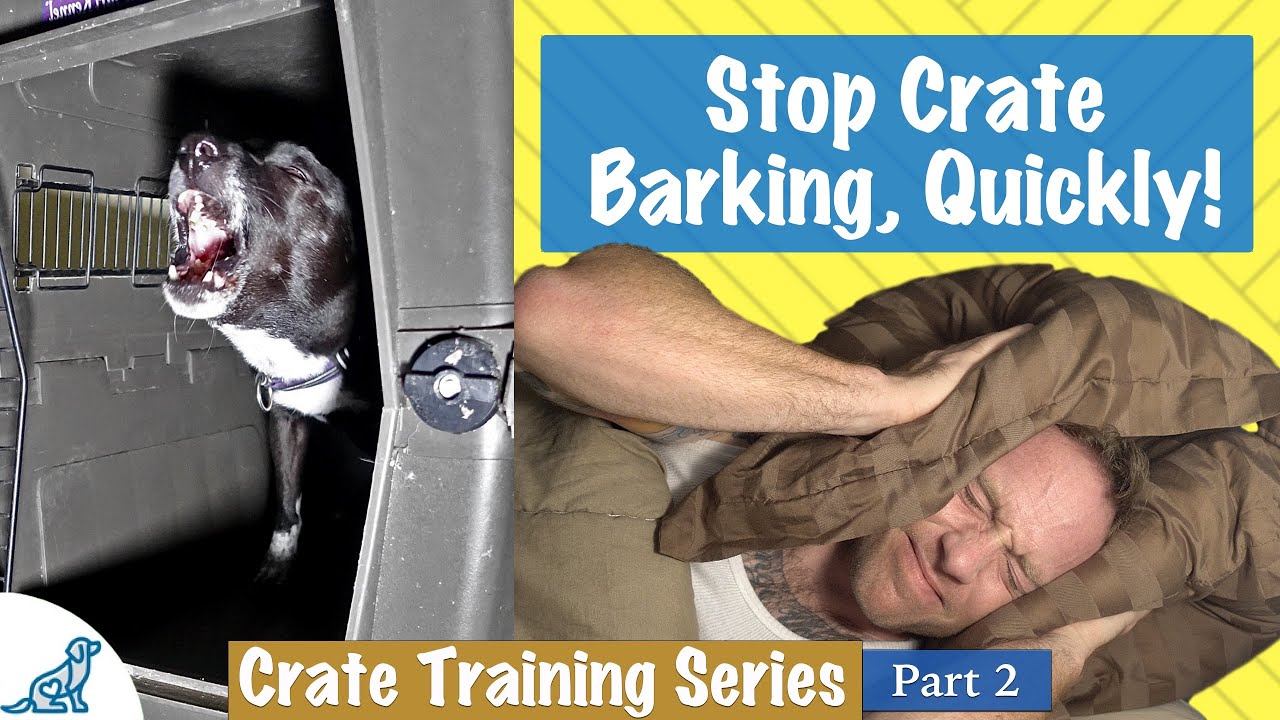
Image Source: i.ytimg.com
Creating a Safe Haven: The Foundation of Crate Training
Crate training is more than just putting your dog in a confined space; it’s about making that space a safe and comfortable den for them. A properly introduced crate can become your dog’s personal sanctuary, reducing anxiety and preventing unwanted behaviors like barking.
Making the Crate Appealing
The first step is to ensure the crate itself is a welcoming place.
- Size Matters: The crate should be just large enough for your dog to stand up, turn around, and lie down comfortably. If it’s too large, they might use one end as a bathroom, which can lead to accidents and discomfort.
- Comfort is Key: Equip the crate with soft bedding, a cozy blanket, or even a favorite dog bed. Ensure the bedding is washable and durable.
- Familiar Scents: Place an item with your scent, or your dog’s favorite blanket, inside the crate. Familiar smells can be very comforting.
- Location, Location, Location: Initially, place the crate in a common area where your dog feels part of the family. As they become more comfortable, you can gradually move it to your bedroom if that’s your ultimate goal.
Gradual Introduction
Forcing a dog into a crate can create negative associations. A gradual introduction is crucial for successful crate training.
- Open Door Policy: Leave the crate door open with tempting treats and toys inside. Let your dog explore it at their own pace.
- Positive Associations: Toss high-value treats or kibble into the crate. Encourage your dog to go in to retrieve them.
- Short Stays: Once your dog is comfortable entering the crate on their own, start closing the door for very short periods (a few seconds), rewarding them with praise and treats when they remain calm.
- Increasing Duration: Gradually increase the time the door is closed, always ensuring your dog is relaxed. If they start to show signs of distress, you’ve gone too fast; go back to shorter durations.
- Mealtime Integration: Feed your dog their meals inside the crate with the door closed. This builds a positive association with being in the crate.
Decoding Dog Barking at Night: Why It Happens
Before you can stop dog barking at night, you need to understand why it’s happening. Common reasons include:
- New Environment: Puppies or newly adopted dogs may be experiencing dog anxiety at night because they are in an unfamiliar setting.
- Separation Anxiety: Some dogs feel immense distress when separated from their owners.
- Needing to Potty: Especially with puppies, a full bladder or bowels can lead to barking.
- Boredom or Loneliness: A dog left alone for extended periods might bark out of boredom or a desire for attention.
- Noise Sensitivity: External noises can trigger barking.
- Discomfort: The crate might be too hot, too cold, or simply uncomfortable.
- Learned Behavior: If barking has previously resulted in you letting them out, they may have learned that barking is an effective way to get your attention.
Addressing Separation Anxiety and Preventing Dog Barking
Separation anxiety is a significant cause of barking in crates. It’s characterized by distress when a dog is left alone or separated from their primary attachment figure. This can manifest as vocalization, destruction, or accidents.
Building Independence
To combat separation anxiety, you need to help your dog feel more comfortable being alone.
- Practice Short Absences: Start with leaving your dog for very short periods, gradually increasing the time. Make your departures and arrivals low-key to avoid building anticipation.
- Mental Stimulation: Ensure your dog is getting enough physical exercise and mental stimulation during the day. A tired dog is a less anxious dog. Puzzle toys, training sessions, and interactive play can help.
- Desensitization to Departure Cues: Practice your pre-departure routine (grabbing keys, putting on shoes) without actually leaving. This helps desensitize your dog to these triggers.
- Positive Reinforcement: Reward calm behavior when you are away and when you return.
Calming the Crate Environment
Making the crate a calming dog crate is essential for preventing anxiety-related barking.
- White Noise or Calming Music: A white noise machine or calming music specifically designed for dogs can help mask external sounds and create a more soothing atmosphere.
- Temperature Control: Ensure the room where the crate is located is at a comfortable temperature.
- Covering the Crate: Partially covering the crate with a breathable blanket can create a den-like feel, which some dogs find reassuring. Be sure to leave one side uncovered for ventilation and to prevent them from feeling too trapped.
- Interactive Toys: Provide safe, durable toys inside the crate, such as a KONG filled with frozen peanut butter or a favorite chew toy. These can keep your dog occupied and distracted.
Positive Reinforcement for Sleep Training Puppy and Beyond
Positive reinforcement is the most effective and humane method for teaching dogs. This involves rewarding desired behaviors with treats, praise, or toys.
Rewarding Quiet Behavior
- Catch Them Being Good: When your dog is in their crate and is quiet, offer gentle praise or a small treat. The goal is to reinforce the absence of barking.
- Timing is Crucial: Deliver the reward while they are quiet. If you wait until after they bark, you might inadvertently reinforce the barking itself.
- Ignore Barking (When Appropriate): If the barking is attention-seeking or due to mild frustration, and you’ve ruled out any immediate needs (like needing to potty), ignoring the barking can be effective. As soon as there’s a brief pause in barking, reward the silence. This is a delicate balance; you don’t want to ignore genuine distress.
Using High-Value Rewards
- Special Treats: Reserve particularly tasty treats that your dog only gets during crate time. This makes the crate an even more desirable place.
- Long-Lasting Chews: A safe chew toy can provide comfort and occupy your dog for a good while.
Managing Dog Whining in Crate and Other Vocalizations
Dog whining in crate is often a precursor to barking and can be addressed with the same principles. It signals a need or discomfort.
Identifying the Cause of Whining
- Potty Needs: If your dog whines shortly after settling down, it might be a sign they need to go outside. Gradually extend the time between potty breaks as they mature.
- Discomfort: Check the crate for any discomfort.
- Seeking Attention: If your dog whines when you are present but not interacting with them, it could be an attention-seeking behavior.
Responding Appropriately to Whining
- Evaluate the Situation: Is this a consistent whine, or is it a sudden change? Does it coincide with specific times (e.g., after dinner)?
- Brief Potty Breaks: If you suspect potty needs, take them out on a leash, keep it brief and boring, and immediately return to the crate. Avoid extensive play or petting, which can be seen as a reward for whining.
- Reward Silence After Whining: If the whining stops, even for a moment, and you’ve addressed any immediate needs, reward that silence.
Advanced Strategies for Preventing Dog Barking
Sometimes, even with good crate training and addressing basic needs, dog barking at night persists.
Controlled Exposure and Desensitization
This involves gradually exposing your dog to situations that might trigger barking, while ensuring they remain calm.
- Simulating Nighttime: Practice leaving your dog in the crate for short periods in the evening while you are still awake but in another room.
- Sound Desensitization: If external noises are an issue, play recordings of common night sounds (traffic, distant sirens) at a very low volume while your dog is in the crate, paired with treats. Gradually increase the volume over many sessions.
Creating a Predictable Routine
Dogs thrive on routine. A consistent schedule can significantly reduce anxiety.
- Consistent Feeding Times: Feed your dog at the same times each day.
- Regular Exercise: Ensure your dog gets ample physical activity, ideally a good session before bedtime.
- Consistent Bedtime: Establish a regular bedtime and stick to it as much as possible.
- Pre-Sleep Ritual: Develop a calming pre-sleep routine that signals to your dog that it’s time to wind down (e.g., a gentle walk, a chew toy).
When to Seek Professional Help
If your dog’s dog crate behavior is extreme, or if you suspect severe separation anxiety or other behavioral issues, it’s wise to consult a professional.
- Veterinary Behaviorist: For complex cases, a board-certified veterinary behaviorist can diagnose and create a tailored treatment plan.
- Certified Professional Dog Trainer: Look for trainers experienced in positive reinforcement and anxiety issues. They can provide hands-on guidance and support.
What NOT to Do
There are some common mistakes that can worsen dog barking at night and dog crate behavior.
- Punishment: Never punish your dog for barking in the crate. This can increase anxiety and fear, making the problem worse.
- Letting Them Out Every Time They Bark: This reinforces the barking behavior. You must differentiate between a need and attention-seeking.
- Ignoring Serious Distress: If your dog is in genuine distress (panting, pacing, excessive salivation, destructive behavior), they may need to be let out to avoid further psychological harm. However, this should be a last resort after addressing other factors.
Frequently Asked Questions (FAQ)
Q1: How long should I expect it to take to stop my dog from barking in the crate at night?
A1: The timeline varies greatly depending on the dog’s age, breed, temperament, and the underlying cause of the barking. Some dogs adjust quickly, while others may take several weeks or even months of consistent training. Patience and persistence are key.
Q2: Can I leave my dog in the crate all night?
A2: For puppies, it’s essential to take them out for potty breaks during the night until they are older and can hold it. For adult dogs, if they are reliably house-trained and comfortable in the crate, they can typically sleep through the night. However, if barking is an issue, you’ll need to address that before considering them for overnight confinement.
Q3: My puppy cries in the crate at night. Is this normal?
A3: Yes, it’s very normal for puppies to cry in the crate at night, especially during the initial sleep training puppy phase. They are in a new environment, away from their mother and littermates, and may need to potty. Continue with positive reinforcement and gradual acclimatization.
Q4: My dog barks only when I’m not in the room. Is this separation anxiety?
A4: It could be a sign of separation anxiety or simply a preference for your presence. If the barking occurs only when you are absent, even if you are in another room, it suggests a reliance on your presence. Building independence and confidence is important.
Q5: Should I give my dog medication for anxiety?
A5: Medication should always be discussed with a veterinarian or a veterinary behaviorist. It can be a helpful tool when combined with behavioral modification, but it’s not a standalone solution for dog anxiety at night.
Conclusion
Stopping dog barking at night in the crate is a journey that requires patience, consistency, and a deep understanding of your dog’s needs. By focusing on making the crate a positive and safe space through dedicated crate training, employing positive reinforcement techniques, and addressing underlying issues like separation anxiety, you can achieve peaceful nights for both you and your canine companion. Remember to celebrate small victories and consult professionals when needed. A well-adjusted dog is a happy dog, and a quiet night is a step towards that happiness.