
Can you train a rabbit dog? Yes, you absolutely can train a rabbit dog, and with the right approach, you can develop a skilled and enjoyable hunting companion. This guide delves deep into the essential principles and practical techniques for successful rabbit dog training, covering everything from breed selection to advanced hunting scenarios. Whether you’re a seasoned outdoorsman or new to the world of rabbit hunting, this comprehensive resource will equip you with the knowledge to nurture a top-tier rabbit hound.
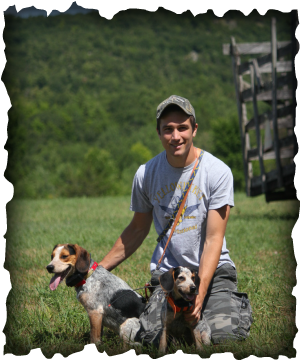
Image Source: beagleboysrabbithunting.weebly.com
Choosing the Right Rabbit Hound Breed
The foundation of a successful rabbit dog is the right breed. Certain rabbit hound breeds are naturally predisposed to the scent work and stamina required for chasing rabbits. Consider these popular and effective choices:
Popular Rabbit Hound Breeds
- Beagles: Renowned for their exceptional noses and merry disposition, Beagles are classic rabbit hounds. They are tenacious trackers and their baying provides an audible alert for hunters.
- Harriers: Similar to Beagles but slightly larger and faster, Harriers possess a strong hunting drive and excellent stamina.
- Basset Hounds: While slower, Basset Hounds have an unparalleled ability to follow a scent on the ground. Their distinctive howl is a familiar sound in rabbit hunting circles.
- American English Coonhounds: Though often associated with coon hunting, these hounds also excel at tracking rabbits due to their stamina, drive, and keen sense of smell.
- Fox Hounds (American and English): Bred for endurance and speed, Fox Hounds can cover a lot of ground and keep up with a fast-running rabbit, making them effective rabbit dogs.
Factors to Consider When Selecting a Breed
When choosing a breed, think about:
- Your Hunting Environment: Do you hunt in thick brush, open fields, or varied terrain? Some breeds are better suited to specific environments.
- Your Physical Capabilities: Are you looking for a dog that can keep pace with a fast hunter, or one that will allow for a more relaxed pursuit?
- Your Living Situation: Some breeds require more space and exercise than others.
- Temperament: Consider the dog’s personality and how it will fit with your family and lifestyle.
The Core Principles of Rabbit Dog Training
Rabbit dog training methods are built on a foundation of patience, consistency, and positive reinforcement. The goal is to channel a dog’s natural instincts into a controlled and effective hunting performance.
Building a Strong Foundation
Before you even think about chasing rabbits, your dog needs a solid base of obedience and socialization.
Basic Obedience
- “Come” (Recall): This is paramount. Your dog must come to you reliably when called, especially in the field.
- “Sit,” “Stay,” “Down”: These commands are crucial for control, especially when introducing prey.
- “Leave It”: Essential for preventing your dog from chasing non-target animals or interfering with other hunters.
- “Kennel” or “Crate”: Useful for transportation and managing the dog when not actively hunting.
Socialization
Expose your puppy to a variety of sights, sounds, people, and other dogs in a positive way. This helps them become well-adjusted and less prone to fear or aggression, which are detrimental in the field.
The Role of Positive Reinforcement
Positive reinforcement rabbit dog training focuses on rewarding desired behaviors, making the training process enjoyable for both dog and handler.
- Rewards: Use high-value treats, praise, and affection. Find out what motivates your dog the most.
- Timing: Reward the desired behavior immediately so your dog associates the action with the reward.
- Consistency: Apply commands and rewards consistently. Everyone in the household should use the same cues and methods.
- Short Sessions: Keep training sessions short and engaging, especially for younger dogs. End on a positive note.
Introducing Prey Drive: Scent Trailing and Rabbit Introduction
The core of rabbit dog training involves developing their scent drive and teaching them to focus on rabbits.
Scent Trailing Training
Scent trailing training is where you teach your dog to follow a scent. Rabbits leave a strong, distinctive scent trail, and your dog’s job is to lock onto it and follow.
Steps for Scent Trailing
- Start Simple: Begin in a controlled environment with a short, easy trail.
- Use a Scent Article: You can use a piece of rabbit fur or a rabbit scent lure. Drag it along the ground to create a trail.
- Encourage Following: As you drag the lure, encourage your dog to follow. Use enthusiastic praise and guide them gently if they veer off.
- Reward Success: When your dog successfully follows the trail and finds the lure, offer high praise and a reward.
- Increase Difficulty: Gradually increase the length of the trail, add turns, and introduce distractions.
- Blind Trails: Once your dog is proficient, you can start having someone else lay a trail that you and your dog follow without seeing it being laid.
Introducing Rabbits
The first direct exposure to a live rabbit is a critical step.
Gradual Introduction
- Controlled Exposure: Start by having your dog see a rabbit from a distance while on a leash. Reward them for remaining calm.
- Leash Work: Gradually shorten the distance, always keeping your dog under control. If they lunge or become overly excited, increase the distance again.
- Controlled Chase: In a safe, enclosed area, allow a brief, controlled chase. The aim is not for them to catch it, but to learn to follow its scent and movement.
Developing Hunting Techniques: Chasing and Locating Rabbits
This phase focuses on honing your dog’s abilities in the field.
Chasing Rabbits with Dogs
Effective chasing rabbits with dogs is about controlled pursuit. Your dog needs to follow the rabbit’s scent and zig-zag pattern, but without becoming completely wild or running off out of earshot.
Guiding the Chase
- Leash Control: Initially, keep your dog on a long lead to allow some freedom but maintain control.
- Verbal Cues: Use encouraging words and commands to keep your dog focused on the trail.
- Recognizing the Chase: Learn to interpret your dog’s body language and vocalizations to know when they are on a hot trail.
- “Whoa” Command: Teach a reliable “whoa” command to stop your dog on cue. This is vital for safety and control.
Locating Rabbits for Dogs
Locating rabbits for dogs involves teaching them to find where rabbits are hiding. This often comes naturally with scent work, but you can enhance it.
Enhancing Scent Work
- Reading the Ground: Teach your dog to work the ground closely, looking for the fresh scent trail.
- Wind Direction: As they progress, you can start to help them understand how wind affects scent. A good rabbit dog will learn to quarter into the wind to pick up a scent.
- Bush Work: Encourage them to investigate likely rabbit hiding spots like briar patches and thickets.
Advanced Training: Breaking and Retrieving
These stages refine your dog’s skills for more challenging hunting situations.
Breaking a Rabbit Dog
Breaking a rabbit dog refers to correcting unwanted behaviors, such as chasing non-target animals, excessive barking, or running off.
Common Issues and Solutions
- Chasing Squirrels/Other Critters:
- Prevention: Keep them on a leash during early training.
- Correction: Use a firm “Leave It!” command and redirect their attention back to the rabbit trail. Reward them when they comply.
- Scent Association: Make rabbit scent far more rewarding than other scents.
- Running Off:
- Reliable Recall: Practice recall training relentlessly in various environments.
- Long Line: Use a long lead in the field until their recall is bombproof.
- Positive Association: Make coming to you the most rewarding thing they can do.
- Excessive Barking (Non-Hunting Related):
- Identify the Cause: Is it boredom, anxiety, or attention-seeking?
- “Quiet” Command: Teach a “Quiet” command. Reward silence.
- Ignore Attention-Seeking Barking: Do not reward barking for attention.
Retrieving Rabbits with Dogs
Retrieving rabbits with dogs adds another layer of utility, allowing your dog to bring back downed game.
Teaching the Retrieve
- Introduce the “Fetch” Toy: Start with a soft, durable toy your dog enjoys.
- Encourage Interaction: Roll the toy short distances and praise your dog for picking it up.
- Develop the “Give” Command: Teach your dog to release the toy when you offer a treat or praise.
- Introduce a Rabbit Dummy: Once they are reliable with a toy, use a rabbit dummy. These are made from actual rabbit pelts and provide the correct scent.
- Simulate a Retrieve: After a successful chase where the rabbit is “taken,” use the dummy. Encourage them to pick it up and bring it back.
- Transition to Live Game: Once they are proficient with the dummy, introduce retrieving downed rabbits. Start with rabbits that are not too heavy or awkward.
- Positive Reinforcement: Always reward the retrieve enthusiastically. Never punish them for dropping it or taking too long.
Advanced Hunting Scenarios
Once your dog has a solid foundation, you can introduce more complex hunting situations.
Calling Rabbits for Dogs
Calling rabbits for dogs is a specialized technique that can flush rabbits out of cover. This isn’t about vocal calls that attract rabbits; it’s about using your dog’s presence and pursuit to make the rabbit run.
How it Works
- Dog Works Cover: You direct your dog into dense cover where rabbits are likely to be hiding.
- Scent Trigger: As your dog works the scent, the rabbit is alerted and often bolts.
- Hunters Positioned: Hunters should be positioned at strategic points, anticipating the rabbit’s escape route.
- Dog’s Role: The dog’s job is to flush the rabbit and, if necessary, track it.
Reading Your Dog in the Field
Interpreting your dog’s behavior is crucial for successful hunting.
Signs of a Hot Trail
- Ears Up, Tail Wagging: Often indicates focused interest.
- Low Head Carriage: Working the ground closely.
- Baying/Telling: A vocalization that signals they are on a scent. The specific sound can indicate excitement or intensity.
- Focused Movement: A determined trot or run, following a clear path.
Different Scenting Conditions
- Moist Air: Generally the best for scenting. Trails are stronger.
- Dry, Hot Air: Makes scent dissipate quickly, making trailing harder.
- Wind: Can carry scent, but also disperse it. Learning to hunt with the wind is key.
Maintaining Your Rabbit Dog’s Health and Fitness
A healthy and fit dog is a better hunter.
Nutrition
- High-Quality Dog Food: Choose a diet appropriate for active dogs.
- Portion Control: Avoid overfeeding, which can lead to lethargy and health issues.
- Fresh Water: Ensure constant access to clean water, especially during hunts.
Exercise
- Regular Activity: Daily walks, runs, or playtime will keep your dog in peak condition.
- Pre-Hunt Warm-up: A light warm-up before a hunt can prevent injuries.
- Post-Hunt Cool-down: Allow your dog to gradually slow down after a strenuous hunt.
Veterinary Care
- Regular Check-ups: Annual vet visits are essential.
- Vaccinations and Parasite Control: Keep your dog up-to-date on vaccinations and protect them from fleas, ticks, and heartworm.
- Paw Care: Check paws regularly for cuts or abrasions, especially after hunting in rough terrain.
Frequently Asked Questions About Rabbit Dog Training
How old should a dog be to start rabbit dog training?
You can start basic obedience and socialization at any age. Introducing scent work and prey drive can begin around 6 months, but always gauge your dog’s maturity and readiness.
How long does it take to train a rabbit dog?
Training is an ongoing process. Basic hunting skills can be developed within a year, but becoming a truly proficient rabbit dog takes several years of consistent practice and refinement.
What if my dog is too easily distracted?
This is common. Focus on positive reinforcement rabbit dog training to make the rabbit scent more appealing than distractions. Practice “Leave It” commands and reward your dog heavily for focusing on the task at hand. Gradually introduce distractions in a controlled manner.
Should I use a shock collar for training?
While some trainers use shock collars, most modern, effective rabbit dog training methods prioritize positive reinforcement. The goal is to build a willing partnership, not to force compliance through fear or pain. Positive methods are generally more effective and humane.
How do I get my dog to bay when they are on a rabbit?
Baying is often an innate behavior in hounds. You can encourage it by rewarding vocalizations when your dog is excited about a scent trail. Some trainers use specific training aids or methods to encourage vocalization, but it’s best to let it develop naturally if possible.
What is the best way to teach a dog to track rabbits?
Start with scent trailing training using scent articles in a controlled environment. Gradually increase the difficulty and duration of the trails, always rewarding successful tracking. As they improve, introduce them to live rabbits in a safe area.
How do I prevent my dog from catching the rabbit?
This is a critical part of breaking a rabbit dog. Teach a strong “Whoa” command and recall. If they get too close, use your cue to stop them. Reward them for heeding the command. It’s about control and allowing the hunter to have a shot.
Can any dog be trained to be a rabbit dog?
While scent hounds are naturally suited, many breeds can be trained. However, dogs with a strong prey drive and good stamina will typically excel. The key is consistent, positive training tailored to the individual dog’s capabilities and breed characteristics.
Conclusion
Training a rabbit dog is a rewarding journey that deepens your bond with your canine companion and enhances your hunting experience. By focusing on fundamental obedience, utilizing positive reinforcement rabbit dog training techniques, and gradually introducing your dog to the art of chasing rabbits with dogs, you can cultivate a skilled and reliable partner. Remember that patience, consistency, and celebrating every success are the cornerstones of developing a champion rabbit hound. Happy hunting!