
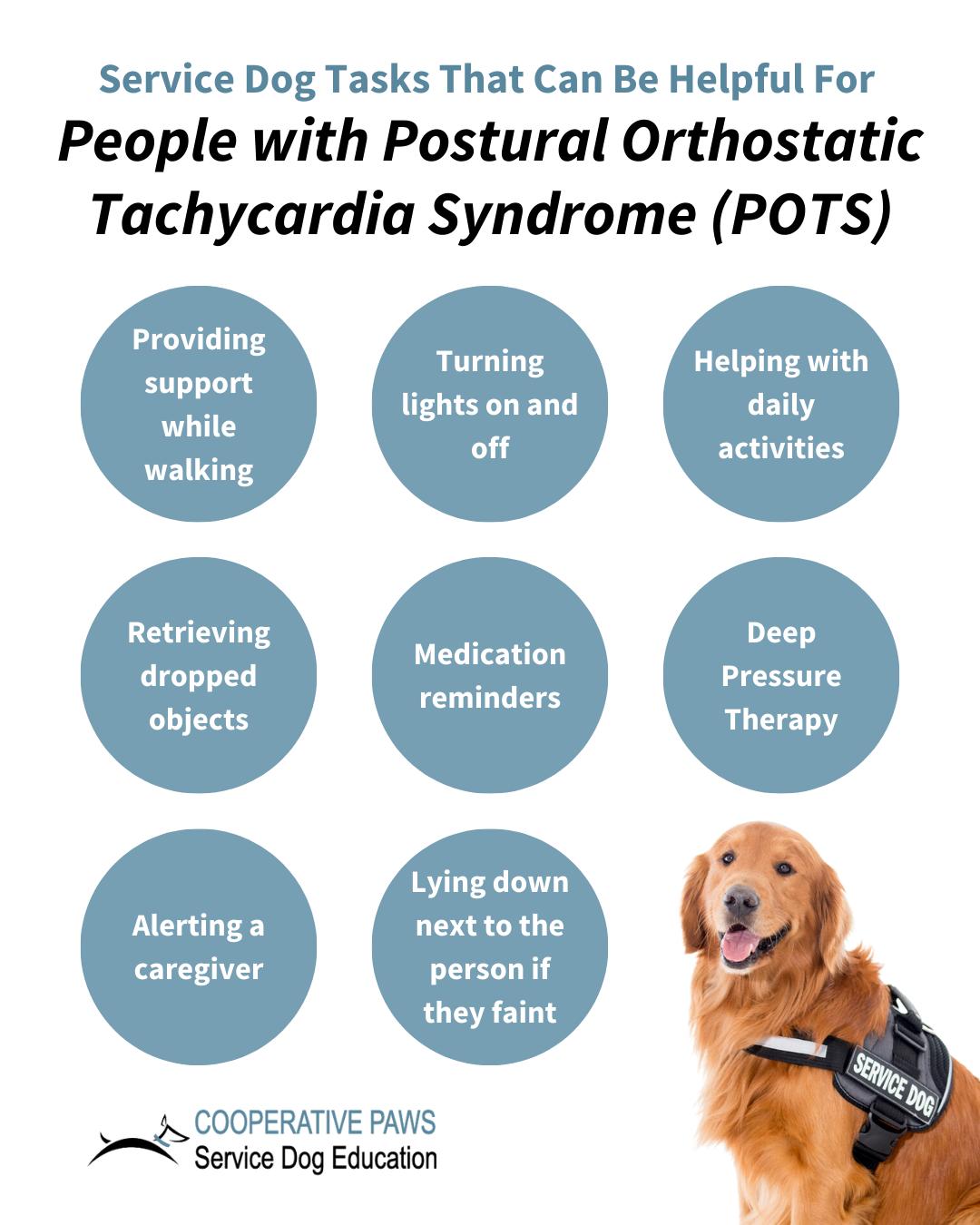
Image Source: cooperativepaws.com
How to Train a Service Dog for POTS: Your Guide
Can you train a service dog for POTS? Yes, you absolutely can train a service dog to help manage POTS symptoms. Who is a service dog for POTS? A service dog for POTS is a highly trained canine partner that provides specific, legally recognized assistance to individuals with Postural Orthostatic Tachycardia Syndrome.
This guide will walk you through the essential steps and considerations for POTS service dog training, transforming a capable canine into a vital ally for managing this complex condition. We’ll explore the world of autonomic dysfunction service dog capabilities and how to harness them for POTS support animal training.
Comprehending POTS and Canine Assistance
Postural Orthostatic Tachycardia Syndrome (POTS) is a disorder of the autonomic nervous system. It affects involuntary bodily functions like heart rate, blood pressure, digestion, and temperature regulation. When a person with POTS stands up, their heart rate increases significantly without a proportional drop in blood pressure, leading to a cascade of symptoms. These can include:
- Dizziness and lightheadedness
- Fainting (syncope)
- Fatigue
- Nausea
- Brain fog
- Heart palpitations
- Tremors
- Shortness of breath
A service dog can be trained to mitigate many of these challenging symptoms, offering practical and emotional support. This service dog training guide POTS will delve into the specific tasks these amazing animals can perform and the structured approach to their education.
Identifying the Need for a Service Dog for POTS
Before embarking on the training journey, it’s crucial to assess if a service dog aligns with your specific needs. A service dog is not a pet; it’s a working animal performing tasks that directly address a disability. For POTS, this typically means tasks that:
- Alert to physiological changes: Dogs can be trained to detect subtle physiological shifts that may precede a POTS episode.
- Provide mobility assistance: For individuals experiencing severe dizziness or fainting, a service dog can offer physical support.
- Offer emotional and psychiatric support: The chronic nature of POTS can lead to anxiety and depression.
- Interrupt or prevent harmful behaviors: In some cases, dogs can be trained to prevent self-injury during POTS-related events.
Selecting the Right Canine Candidate
The success of any POTS service dog training program hinges on the dog’s temperament, health, and breed. Not all dogs are suited for this demanding role.
Ideal Temperament Traits:
- Calm and Steady: The dog should remain composed in various environments and under stress.
- Confident: They should not be easily startled or fearful.
- Eager to Please: A strong desire to work with their handler is essential for effective training.
- Adaptable: The ability to adjust to new situations and people is vital.
- Sociable: Comfortable around other dogs and people, but not overly distracting.
Health Considerations:
- Sound Physical Health: The dog must be free from genetic conditions that could impact their ability to work long-term. Hip dysplasia, eye problems, and cardiac issues are common concerns.
- Appropriate Energy Levels: While active dogs can be good, extremely high-energy breeds might be too much for someone with POTS unless carefully managed.
- Breed Predisposition: While any breed can be a service dog, some breeds are naturally predisposed to trainability and have temperaments suited for service work.
Suitable Breeds (Examples):
- Labrador Retrievers: Known for their intelligence, eagerness to please, and versatile skill sets.
- Golden Retrievers: Similar to Labs, they are intelligent, friendly, and excel in service roles.
- Poodles (Standard): Highly intelligent, trainable, and have low-shedding coats, which can be beneficial for handlers with allergies.
- German Shepherds: Often used for advanced service work, they are loyal and highly trainable.
- Collies (Rough and Smooth): Intelligent and gentle, often excelling in alert tasks.
Important Note: While breed can be an indicator, an individual dog’s temperament and drive are more critical than breed alone.
Core Service Dog Training Components for POTS
POTS service dog training involves two main phases: public access training and task training.
Phase 1: Public Access Training
This phase ensures the dog is well-behaved and unobtrusive in public settings. It’s a foundational requirement for all service dogs, regardless of their specialized tasks.
Basic Obedience: The Bedrock of Public Access
- Sit, Stay, Down: Essential commands for controlling the dog’s behavior.
- Heel: Walking calmly by the handler’s side without pulling.
- Leave It: Preventing the dog from interacting with dropped food, distractions, or anything inappropriate.
- Come/Recall: Ensuring the dog returns immediately when called.
- Place: Sending the dog to a designated spot (like a mat) and having them remain there until released.
Socialization and Desensitization: Building Confidence
- Exposure to Diverse Environments: Familiarizing the dog with various places like grocery stores, restaurants, public transport, and busy streets.
- Noise Desensitization: Gradually exposing the dog to loud noises (traffic, alarms, crowds) to prevent reactivity.
- Object Familiarization: Introducing them to common objects they’ll encounter, such as wheelchairs, crutches, shopping carts, and strollers.
- Interaction Etiquette: Teaching them to remain calm and polite when approached by strangers or other animals.
Canine Good Citizen (CGC) Certification: A Valuable Benchmark
While not mandatory for service dogs, passing the CGC test is an excellent indicator of a dog’s basic obedience and socialization. Many professional organizations recommend CGC as a prerequisite.
Phase 2: Task Training for POTS Symptom Management
This is where the training becomes highly specialized for POTS. The goal is to equip the dog with specific skills to mitigate your symptoms.
Service Dog Tasks for POTS Explained:
1. Physiological Alerting:
- Heart Rate Alert: Dogs can be trained to detect subtle changes in a person’s heart rate. This can involve:
- Paw-tapping: The dog gently taps the handler with their paw when their heart rate exceeds a certain threshold.
- Nose-nudging: A gentle nudge to the handler’s hand or leg.
- Licking: Specific licking patterns can be trained.
- How it works: This requires teaching the dog to associate a specific scent or sound (like a change in breathing or a slight tremor) with a high heart rate. They are then rewarded for alerting.
2. Syncope and Near-Syncope Support:
- Training a Service Dog for Syncope: This is a critical task for POTS. If a fainting spell is imminent, the dog can provide immediate support.
- Deep Pressure Therapy (DPT) / Grounding: The dog can be trained to lie across the handler’s lap or brace against them, providing calming pressure that can help prevent or mitigate a faint. This is similar to how a PTSD service dog for POTS might offer grounding.
- Blocking/Retrieving: If the handler begins to fall, the dog can be trained to block their fall or retrieve a dropped item (like medication or a phone) to signal for help.
- Going for Help: In severe cases, the dog can be trained to go to a designated person or location to get assistance.
3. Mobility Assistance for POTS:
- Steadying: For individuals who experience significant unsteadiness when walking, a service dog can be trained to walk beside them with a harness, providing a stable point of contact and support. This helps prevent falls and reduces the physical exertion required to maintain balance.
- Retrieving Dropped Items: If medication, a phone, or keys are dropped, the dog can retrieve them, preventing the handler from bending or overexerting themselves, which can trigger POTS symptoms.
- Carrying Small Items: The dog can carry a small bag with essential items like water, medication, or a portable fan, reducing the handler’s burden.
4. Psychiatric Service Dog Tasks for POTS:
While POTS is primarily a physiological condition, its chronic nature and the associated symptoms (like brain fog, fatigue, and anxiety) can significantly impact mental well-being. A psychiatric service dog for POTS can offer crucial support:
- Deep Pressure Therapy (DPT): As mentioned earlier, DPT can be incredibly calming for anxiety and panic attacks that may co-occur with POTS episodes.
- Interrupting Maladaptive Behaviors: If a handler experiences anxiety that leads to behaviors like skin picking or rocking, the dog can be trained to interrupt these.
- Emotional Support and Companionship: The constant presence of a service dog can reduce feelings of isolation and provide a sense of security, which is invaluable for managing a chronic illness.
- Facilitating Social Interaction: A service dog can act as a social bridge, making it easier for handlers to engage with others when their POTS symptoms might otherwise make them withdraw.
5. Environmental Response Tasks:
- Cooling Alert: For those whose POTS is exacerbated by heat, a dog can be trained to alert the handler to rising ambient temperatures or to retrieve a cooling pack or fan.
- Alerting to Unstable Ground: While less common, a dog could potentially be trained to sense and alert to uneven surfaces that might increase the risk of a fall.
Training Methodologies: Positive Reinforcement is Key
The most effective and ethical approach to POTS service dog training is positive reinforcement. This involves rewarding desired behaviors, making the training process enjoyable for the dog and strengthening the bond between dog and handler.
- Clicker Training: Using a clicker to mark the exact moment a desired behavior occurs, followed by a reward.
- Luring: Using a treat or toy to guide the dog into a desired position or action.
- Shaping: Rewarding successive approximations of a complex behavior.
- Capturing: Rewarding a behavior the dog offers naturally.
The Training Process: A Structured Approach
Training a service dog for syncope and other POTS-related tasks requires patience and consistency.
Step 1: Foundation Training (Typically 3-6 Months)
- Build a Strong Bond: Focus on positive interactions, play, and basic obedience.
- Introduce Basic Obedience: Start with short, positive sessions.
- Begin Socialization: Safely expose the dog to various sights, sounds, and environments.
Step 2: Advanced Obedience and Public Access (Typically 6-12 Months)
- Refine Obedience Skills: Ensure commands are reliable in distracting environments.
- Practice Public Access Behaviors: Work on loose-leash walking, polite greetings, and ignoring distractions.
- Introduce Task-Specific Foundation: Begin laying the groundwork for specific alerts or tasks. For example, for heart rate alerting, start with the dog being in a calm, neutral state when you are.
Step 3: Task Training and Generalization (Typically 6-18+ Months)
- Introduce Specific POTS Tasks: This is the most intensive phase.
- Physiological Alerts: Work with a trainer specializing in scent or behavior discrimination to teach the dog to recognize physiological changes. This often involves working with a medical professional to gather baseline data and train the dog on specific physiological markers.
- Mobility Assistance: Teach the dog to brace or provide steadying support using a specialized service dog harness.
- DPT: Reward the dog for lying on you in a specific way when you are experiencing symptoms.
- Generalize Tasks: Practice tasks in increasingly distracting environments and with varied scenarios to ensure reliability.
- Handler Training: The handler must also be trained to cue and manage the service dog effectively.
Professional Assistance: When to Seek Help
While it’s possible for handlers to train their own service dogs, it’s often a challenging and time-consuming endeavor.
- Professional Trainers: Look for trainers with proven experience in service dog training, particularly those familiar with autonomic dysfunction service dog capabilities. They can provide guidance, structure, and help troubleshoot issues.
- Organizations: Reputable service dog organizations can be invaluable resources. Some offer programs for owner-trainers or place fully trained dogs.
Legal Rights and Considerations
In many countries, service dogs are granted specific legal rights to accompany their handlers in public places. It’s crucial to be aware of the laws in your region.
- Service Dog Definition: Generally, a service dog is defined as a dog individually trained to do work or perform tasks for the benefit of an individual with a disability. Emotional support animals and therapy animals do not typically qualify as service dogs under these definitions.
- Handler Responsibilities: You are responsible for your dog’s behavior, hygiene, and ensuring they are not disruptive or a threat.
Potential Challenges and How to Overcome Them
- Dog Fatigue/Burnout: Service work is demanding. Ensure your dog has adequate rest, exercise, and mental stimulation outside of their working tasks.
- Handler Fatigue: The training process can be exhausting. Break down tasks into smaller, manageable steps.
- Public Misunderstandings: Be prepared to educate others about your service dog’s role.
- Medical Changes: POTS can fluctuate. Your dog’s tasks may need to adapt as your condition evolves. Regular training tune-ups are important.
Frequently Asked Questions (FAQ)
Q: How long does it take to train a service dog for POTS?
A: Typically, it takes 1-2 years to fully train a service dog, from puppyhood or early adulthood through advanced task training and public access certification.
Q: Can I use my current pet dog as a service dog for POTS?
A: If your pet dog has the right temperament, health, and you are willing to commit to rigorous training, it is possible. However, many pet dogs lack the innate temperament or drive for service work. It’s essential to assess your dog honestly or consult with a professional trainer.
Q: What are the most important service dog tasks for POTS?
A: The most critical tasks often involve physiological alerting (e.g., to high heart rate) and providing mobility assistance for POTS, such as steadying or deep pressure therapy to prevent syncope.
Q: Is a psychiatric service dog for POTS different from a general POTS service dog?
A: While a POTS service dog might incorporate tasks that help with anxiety or other mental health aspects of POTS, a dedicated psychiatric service dog for POTS would focus more heavily on tasks like DPT for anxiety, interrupting anxious behaviors, and providing comfort during stressful POTS-related episodes. Often, one dog can be trained for both physiological and psychiatric tasks.
Q: Where can I find resources for POTS service dog training?
A: Look for accredited service dog organizations, professional dog trainers specializing in service dogs, and online communities dedicated to service dogs for medical conditions.
Conclusion: A Partnership for Better Living
Training a service dog for POTS is a significant commitment, but the rewards can be life-changing. This journey requires dedication, consistency, and a deep understanding of both POTS and canine behavior. By focusing on positive reinforcement, seeking professional guidance when needed, and building a strong partnership with your canine companion, you can navigate the challenges of POTS with greater confidence and independence. This service dog training guide POTS aims to empower you with the knowledge to embark on this rewarding path.