
Can dogs be allergic to grass? Yes, dogs can absolutely be allergic to grass. Grass allergies are a common form of environmental allergies in dogs, often referred to as dog environmental allergies or dog pollens grass sensitivity. The primary signs of grass allergies in dogs include excessive itching, leading to canine itchy skin relief becoming a major concern for owners.
Does grass cause itching in dogs? Yes, grass is a significant trigger for itching in dogs. When a dog with grass allergies comes into contact with grass, their immune system can overreact, leading to a cascade of inflammatory responses that manifest as intense itchiness. This itchiness, particularly on the paws, belly, and face, is a hallmark of dog allergy symptoms grass. The goal of treatment is to reduce this dog grass irritation and provide comfort to your furry friend.
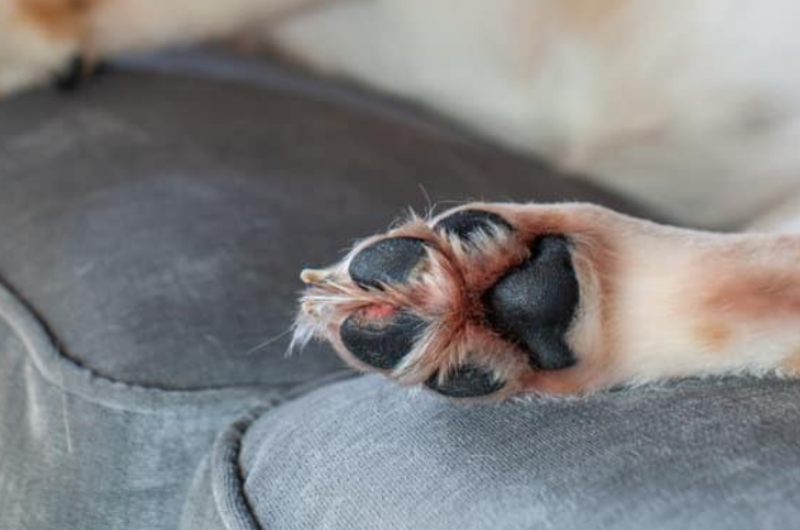
Image Source: zoomadog.co.uk
Decoding Dog Grass Allergies: What You Need to Know
Grass allergies, also known as seasonal allergic dermatitis or atopic dermatitis, occur when a dog’s immune system mistakenly identifies grass pollens as harmful invaders. This overreaction triggers the release of histamine and other chemicals, causing inflammation and the characteristic itchiness. While grass itself isn’t the direct cause of the allergic reaction, it’s the pollens released by grasses that are the culprits.
Identifying the Culprits: Common Grass Allergens
Many types of grasses can trigger allergic reactions in dogs. Some of the most common offenders include:
- Ryegrass: Often found in lawns and pastures.
- Bermuda grass: Prevalent in warmer climates.
- Orchard grass: Common in fields and meadows.
- Timothy grass: Widely distributed, especially in hay.
- Kentucky Bluegrass: A popular turf grass.
- Fescue: Another common lawn grass.
The specific grasses that affect your dog will depend on your geographical location and the types of grasses prevalent in your area.
Recognizing the Signs: Symptoms of Grass Allergies in Dogs
The visible signs of dog allergy symptoms grass can be quite distressing for both the dog and their owner. It’s crucial to be observant and note any changes in your pet’s behavior or physical condition.
Physical Manifestations of Itching:
- Excessive scratching: This is the most common and noticeable symptom. Dogs may scratch vigorously with their hind legs, especially on their ears and abdomen.
- Licking and chewing: Paws are particularly vulnerable. Dogs often lick or chew their paws excessively, sometimes to the point of causing redness, swelling, or even open sores. This is a key indicator of how to soothe dog itchy paws.
- Rubbing: Dogs may rub their faces and bodies against furniture, carpets, or the ground to alleviate itching.
- Hair loss: Chronic scratching and licking can lead to patches of hair loss, often around the paws, ears, face, and belly.
- Skin redness and inflammation: The affected areas of the skin may become red, irritated, and hot to the touch.
- Hot spots (acute moist dermatitis): These are painful, inflamed, infected lesions that can develop rapidly from constant scratching and licking.
- Skin infections: The compromised skin barrier makes dogs susceptible to secondary bacterial or yeast infections, which can cause a musty odor and further irritation.
- Ear infections: Itchiness can extend to the ear canals, leading to recurrent ear infections with redness, discharge, and head shaking.
Behavioral Changes:
- Restlessness and discomfort: Your dog may seem generally unhappy and unable to settle down due to the constant itching.
- Lethargy: In severe cases, the discomfort and lack of sleep can lead to a noticeable decrease in activity.
Navigating the Diagnosis: Pinpointing Grass Allergies
Diagnosing grass allergies in dogs often involves a process of elimination and, in some cases, specific allergy testing. It’s essential to consult with your veterinarian for an accurate diagnosis.
The Veterinarian’s Role in Diagnosis:
Your vet will start by taking a thorough history of your dog’s symptoms, including when they started, what makes them worse, and any previous treatments. They will then perform a physical examination to assess the extent of the skin irritation and check for secondary infections.
Ruling Out Other Causes:
It’s important to differentiate grass allergies from other common causes of itching in dogs, such as:
- Flea allergy dermatitis: Even a single flea bite can cause severe itching in a flea-allergic dog.
- Food allergies: Reactions to certain ingredients in their diet can also cause skin issues.
- Mange (scabies, demodex): These are parasitic skin infections that cause intense itching.
- Bacterial or yeast infections: These can be primary problems or secondary to other issues.
- Irritant contact dermatitis: This is a non-allergic reaction to a substance that irritates the skin, like certain chemicals in lawn treatments.
Allergy Testing Options:
If grass allergies are suspected, your veterinarian may recommend allergy testing. The two primary methods are:
-
Intradermal Skin Testing (IDST): Considered the gold standard for diagnosing environmental allergies. Small amounts of various allergens, including grass pollens, are injected just under the skin. The veterinarian then observes for any localized allergic reactions, such as redness and swelling. This test is typically performed by a veterinary dermatologist.
-
Serum Allergy Testing (Blood Tests): Blood samples are taken and sent to a laboratory to measure the levels of specific antibodies (IgE) to various allergens. While convenient, serum testing is sometimes considered less accurate than intradermal testing for environmental allergies, as it can sometimes produce false positives or negatives.
Strategies for Relief: Managing Dog Grass Allergies
Once diagnosed, managing dog grass allergies typically involves a multi-pronged approach combining environmental control, medical treatments, and supportive care. The goal is to reduce exposure to allergens, alleviate symptoms, and prevent complications.
Minimizing Exposure: Creating an Allergy-Friendly Environment
Reducing your dog’s contact with grass pollens is a cornerstone of managing allergies.
Practical Tips for Reducing Exposure:
- Limit outdoor time during peak pollen seasons: Pay attention to local pollen counts and try to keep your dog indoors during periods of high grass pollen concentration.
- Avoid walking in tall grass: Stick to paved paths or short, well-maintained lawns.
- Wipe paws and body after walks: Use a damp cloth, hypoallergenic pet wipes, or a specialized pet paw cleaner to remove pollens from your dog’s fur and paws after every outdoor excursion. This is a crucial step in how to soothe dog itchy paws and prevent further irritation.
- Bathe your dog regularly: Frequent bathing with a gentle, hypoallergenic shampoo can help wash away pollens and soothe irritated skin. Discuss the optimal bathing frequency with your veterinarian.
- Keep windows closed during high pollen times: This can help reduce the amount of pollen that enters your home.
- Consider air purifiers: Using HEPA filters in your home can help remove airborne allergens.
- Grooming for allergies: Regular dog grooming for allergies is essential. Brushing your dog frequently can help remove pollens from their coat. For dogs with long fur, consider trimming the fur around their paws and belly to minimize pollen collection.
Medical Interventions: Allergy Medication for Dogs
Several medications can effectively manage the symptoms of grass allergies in dogs. Your veterinarian will determine the most appropriate treatment plan for your pet.
Common Medical Treatments:
- Antihistamines: While less effective in dogs than in humans for allergies, some antihistamines can provide mild relief for some dogs. Your vet can recommend specific types and dosages.
- Corticosteroids: These are potent anti-inflammatory medications that can quickly reduce itching and inflammation. They are often used for short-term relief of severe flare-ups. However, long-term use can have side effects, so they are generally not the first-line treatment for chronic allergies.
- Immunosuppressants: Medications like cyclosporine (Atopica) or oclacitinib (Apoquel) work by suppressing the immune system’s overreaction to allergens. These are often very effective for long-term management with fewer side effects than corticosteroids.
- Allergen-Specific Immunotherapy (ASIT): Also known as allergy shots or desensitization, this treatment involves gradually exposing your dog to increasing doses of the allergens they are sensitive to. The goal is to retrain their immune system to tolerate these substances, reducing or eliminating the allergic response over time. This is a long-term solution and requires commitment but can offer significant relief for many dogs.
Natural Remedies for Dog Allergies: Complementary Approaches
While not a substitute for veterinary care, some natural remedies for dog allergies can complement medical treatments and provide additional relief.
Supportive Natural Therapies:
- Omega-3 Fatty Acids: Found in fish oil supplements, omega-3s have anti-inflammatory properties that can help improve skin health and reduce itching. Ensure you use a high-quality supplement formulated for dogs and follow your vet’s dosage recommendations.
- Probiotics: A healthy gut microbiome can influence the immune system. Probiotic supplements may help balance the immune response and reduce inflammation.
- Colloidal Oatmeal Baths: Oatmeal is known for its soothing properties. Adding colloidal oatmeal to your dog’s bath can help relieve itching and calm inflamed skin.
- Topical Soothing Lotions and Sprays: Look for products containing ingredients like aloe vera, chamomile, or calendula, which can provide temporary relief from itching. Ensure these products are safe for ingestion, as dogs may lick them off.
- Dietary Modifications: While grass allergies are environmental, some dogs may have concurrent food sensitivities that exacerbate their symptoms. Discuss with your vet if a hypoallergenic diet trial might be beneficial.
Addressing the Itch: Targeting Specific Areas
Providing canine itchy skin relief is paramount, and specific areas like the paws require special attention.
Soothing Itchy Paws:
- Paw Wipes: As mentioned, religiously wiping paws after walks is crucial.
- Paw Soaks: A lukewarm water soak, sometimes with added Epsom salts (ensure your dog doesn’t ingest the water), can help reduce inflammation and itchiness. Always dry paws thoroughly afterward to prevent moisture-related issues.
- Paw Balms: Specially formulated paw balms can help moisturize and protect the skin, reducing dryness and cracking that can be exacerbated by licking.
- Protective Booties: For severe cases, consider using dog booties when going outside to create a physical barrier against grass. Introduce them gradually to help your dog adjust.
The Importance of Skin Care: A Holistic Approach
Good dog skin care allergies is essential for maintaining a healthy skin barrier and preventing secondary infections.
Enhancing Dog Skin Care:
- Regular Brushing: Removes loose hair and pollens.
- Appropriate Bathing: Use mild, hypoallergenic shampoos and conditioners recommended by your vet. Avoid over-bathing, which can strip natural oils.
- Moisturizing: If your dog’s skin is dry and flaky, your vet may recommend a moisturizing spray or lotion.
- Managing Infections: Promptly treat any bacterial or yeast infections with prescribed medications.
- Hydration: Ensure your dog always has access to fresh water, as proper hydration is vital for skin health.
Living with Grass Allergies: Long-Term Management
Grass allergies are a chronic condition, meaning they often require lifelong management. The key is to work closely with your veterinarian to develop a consistent and effective management plan.
The Role of Consistency:
- Adhere to treatment protocols: Administer medications as prescribed and follow your vet’s advice regarding grooming and environmental controls.
- Regular vet check-ups: Keep up with scheduled appointments for monitoring and adjustments to the treatment plan.
- Observe and report: Continue to monitor your dog for any changes in their symptoms and report them to your vet.
Lifestyle Adjustments for Owners:
Managing a dog with allergies can be time-consuming and sometimes costly. It’s important for owners to be prepared for the long-term commitment. However, with proper management, dogs with grass allergies can lead happy and comfortable lives.
Frequently Asked Questions (FAQ)
Q1: How quickly can I expect to see improvements after starting treatment?
A: The speed of improvement varies depending on the severity of the allergies and the treatment used. Medications like corticosteroids or Apoquel often provide relief within hours to days. Immunotherapy takes months to years to show significant results. Natural remedies may offer milder, more gradual relief.
Q2: Can I give my dog human allergy medication?
A: Never give your dog human allergy medications without explicit instructions from your veterinarian. Many human medications are toxic to dogs, and even safe ones can have incorrect dosages.
Q3: Will my dog outgrow grass allergies?
A: Grass allergies are typically a lifelong condition. While symptoms can fluctuate seasonally, they rarely resolve completely without ongoing management.
Q4: How do I know if my dog’s itching is due to grass or something else?
A: A veterinarian is the best resource for diagnosing the cause of itching. They will consider your dog’s history, perform a physical exam, and may recommend allergy testing or other diagnostic procedures to differentiate between grass allergies and other potential causes.
Q5: Are there specific times of the year when grass allergies are worse?
A: Yes, grass allergies are usually seasonal, coinciding with the growth and pollination periods of grasses, typically spring through fall in many regions. However, some grasses may grow and pollinate at different times, leading to year-round symptoms for some dogs.
Q6: Can grooming help reduce grass allergies in my dog?
A: Yes, regular dog grooming for allergies is very helpful. Brushing removes pollen from the coat, and trimming fur around paws and belly minimizes pollen collection. Regular baths with a hypoallergenic shampoo can also wash away allergens.
Q7: What are the best ways to soothe dog itchy paws?
A: To soothe dog itchy paws, consistently wipe them after walks, consider occasional lukewarm paw soaks, use moisturizing paw balms, and discuss protective booties with your vet if the itching is severe and persistent.
By understanding the causes, recognizing the symptoms, and implementing a comprehensive management plan with your veterinarian, you can significantly improve your dog’s quality of life and provide them with much-needed relief from the discomfort of grass allergies.