
Can you treat an infected paw on a dog at home? Yes, in mild cases, you can provide initial care at home, but severe infections or if your dog is in significant pain, veterinary care for infected dog paws is essential. This guide will help you understand how to safely manage an infected paw on your dog, from recognizing the signs to when to seek professional help.
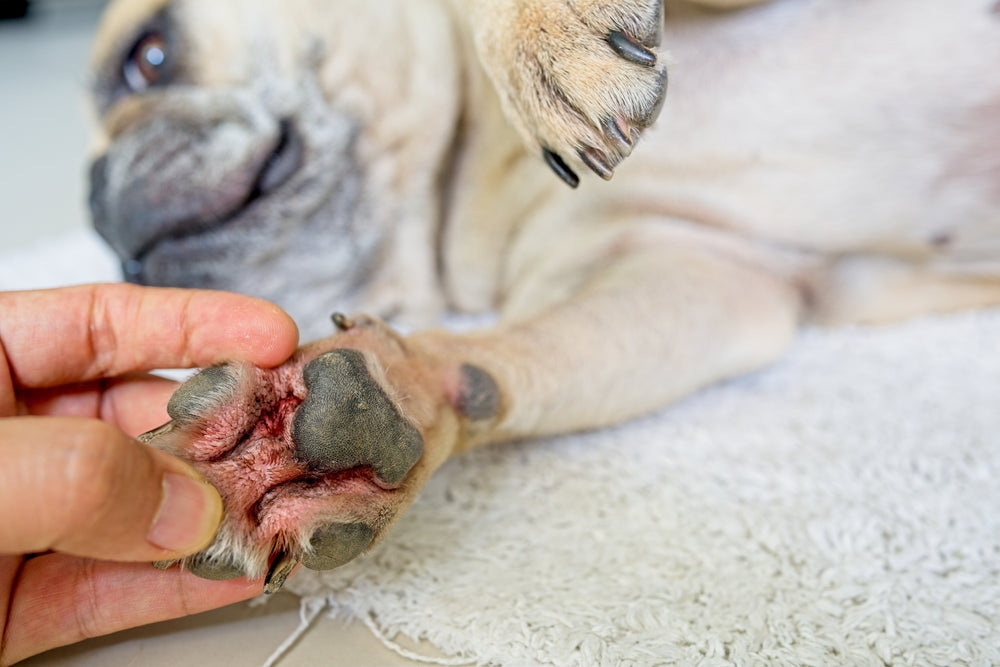
Image Source: www.zumanutrition.com
Recognizing the Signs of an Infected Paw
Before you can treat an infected paw, you need to know what to look for. Infected dog paws can develop from various causes, including cuts, scrapes, thorns, insect bites, or even underlying health conditions.
Common Dog Paw Infection Signs
- Swelling and Redness: The paw may appear puffy and discolored. This is often one of the first visible indicators of inflammation.
- Lameness or Limping: Your dog might favor the affected paw, walk with a limp, or refuse to put weight on it.
- Excessive Licking or Chewing: Dogs often lick or chew at injured or painful areas. Constant dog paw licking infection can worsen the problem and introduce more bacteria.
- Odor: A foul smell emanating from the paw is a strong indicator of infection.
- Discharge: You might see pus, blood, or other fluids draining from the wound. The discharge can be clear, white, yellow, or green.
- Heat: The infected area might feel warmer to the touch than the surrounding skin.
- Blisters or Sores: Open wounds, blisters, or painful sores can be present on the paw pad or between the toes.
- Changes in Paw Texture: The paw pad might become crusty, dry, or appear rougher than usual.
- Behavioral Changes: A dog in pain might be lethargic, irritable, or less playful than normal.
Specific Conditions to Watch For
Dog paw cut infection is a common scenario. Even a small cut can become infected if not cleaned properly. Another concern is a dog paw abscess treatment, which requires prompt attention as these are pockets of pus that can become very painful and spread.
Steps for Safe Infected Paw Treatment at Home
If you suspect a mild infection or have a minor wound, here’s how to approach dog paw infection remedies and basic canine foot wound care:
Step 1: Stay Calm and Assess the Situation
Your dog can sense your anxiety. Approach your dog gently and speak in a soothing tone. Observe the paw from a distance first to gauge the severity.
Step 2: Safely Restrain Your Dog
For effective cleaning and examination, your dog needs to be still. You might need an extra pair of hands to help. If your dog is in a lot of pain or showing aggression, do not force the issue and proceed to the veterinarian.
Step 3: How to Clean a Dog’s Infected Paw
This is a crucial step in preventing further bacterial growth.
Cleaning Supplies You’ll Need:
- Warm water
- Mild, unscented soap (like a gentle dog shampoo or plain castile soap) or a saline solution
- Clean cloths or gauze pads
- Antiseptic solution (e.g., diluted povidone-iodine or chlorhexidine, as recommended by your vet)
- Clean towel for drying
- Optional: A cone (Elizabethan collar) to prevent licking
Cleaning Procedure:
- Gentle Soaking: Fill a clean basin with warm water. If you have a saline solution (1 teaspoon of salt dissolved in 2 cups of warm water), you can use that as well. Submerge the dog’s paw in the water for 5-10 minutes. This helps to loosen any debris and soothe the area.
- Washing: If using soap, lather a small amount on a cloth or gauze pad and gently wash the paw, paying attention to the spaces between the toes and around any wounds. Rinse thoroughly with clean warm water.
- Antiseptic Wash: After washing, gently apply your chosen antiseptic solution with a clean gauze pad. Blot, don’t rub.
- Drying: Carefully pat the paw dry with a clean towel. Ensure all moisture is removed, especially from between the toes, as moisture can encourage bacterial growth.
Step 4: Apply Topical Treatments (If Recommended)
Your veterinarian might recommend specific over-the-counter or prescription topical treatments for mild infections.
Common Topical Treatments:
- Antibiotic Ointments: For minor cuts or scrapes, a thin layer of antibiotic ointment (like Neosporin, but ensure it’s pet-safe and doesn’t contain pain relievers that are toxic to dogs) can be applied. Always confirm with your vet before using any human medication.
- Antiseptic Wipes: Pet-specific antiseptic wipes can be used for a quick clean-up.
Important Note: Never use hydrogen peroxide or rubbing alcohol on a dog’s paw wound as these can damage delicate tissue and delay healing.
Step 5: Protect the Paw
Preventing the dog from licking or chewing at the infected area is vital for healing.
Paw Protection Methods:
- Elizabethan Collar (Cone): This is often the most effective way to prevent licking. Ensure the cone is long enough to prevent your dog from reaching the paw.
- Paw Booties: For protection outdoors, a clean, soft bootie can be used, but ensure it’s not too tight and doesn’t trap moisture. Remove it when indoors to allow the paw to breathe.
- Bandaging: A clean, non-stick bandage can be applied after cleaning and treatment. Ensure the bandage is not too tight, as this can cut off circulation. It should be changed daily or if it becomes wet or dirty. Improper bandaging can cause more harm than good, so consult your vet if you are unsure.
Step 6: Monitor the Paw Closely
Observe the paw daily for any changes.
What to Monitor:
- Decreasing swelling and redness: These are good signs.
- Reduced discharge: Less pus or fluid indicates improvement.
- Improved mobility: If your dog starts bearing more weight on the paw.
- No new signs of infection: Keep an eye out for worsening symptoms.
When to Seek Veterinary Care
While home care can be beneficial for minor issues, there are several situations where immediate veterinary attention is crucial. Veterinary care for infected dog paws is not an option but a necessity when:
- Severe Pain or Lameness: If your dog is unable to walk or is crying out in pain.
- Significant Swelling and Redness: If the dog paw swelling and redness is extensive or spreading.
- Deep Wounds or Puncture Wounds: These are more prone to deep infections.
- Visible Pus or Foul Odor: These are clear signs of a significant infection.
- Fever or Lethargy: General signs of illness in your dog.
- No Improvement After 24-48 Hours of Home Care: If the infection doesn’t start to improve quickly.
- Suspected Abscess: If the paw feels hot, very swollen, and may have a localized bump. Dog paw abscess treatment often requires lancing and drainage by a vet.
- Underlying Health Conditions: Diabetic dogs or those with compromised immune systems are more susceptible to severe infections.
What Your Veterinarian Might Do
Your vet has the tools and knowledge to accurately diagnose and treat your dog’s paw infection.
Veterinary Diagnostic and Treatment Options:
- Physical Examination: A thorough inspection of the paw.
- Diagnostic Tests:
- Cytology: Taking a sample of discharge to examine under a microscope for bacteria or yeast.
- Cultures and Sensitivity Tests: Identifying the specific bacteria and determining which antibiotics will be most effective.
- X-rays: To check for foreign objects lodged in the paw or any underlying bone issues.
- Cleaning and Debridement: Vets can thoroughly clean and remove dead tissue from wounds, which is essential for healing.
- Antibiotics: Oral or injectable antibiotics are often prescribed for infections.
- Pain Management: Veterinarians can provide safe and effective pain relief for your dog.
- Antifungal Medications: If a fungal infection is suspected.
- Drainage of Abscesses: If an abscess is present, the vet will lance and drain it, and then flush the area.
- Bandaging: Professional bandaging to protect the wound and promote healing.
- Wound Dressing: Application of specialized wound care products.
Common Causes of Paw Infections
Knowing the causes can help you prevent future incidents.
Table: Common Causes of Paw Infections in Dogs
| Cause | Description |
|---|---|
| Cuts and Abrasions | Sharp objects, rough surfaces, or even stepping on glass can cause open wounds, allowing bacteria to enter. |
| Foreign Objects | Thorns, splinters, burrs, or small stones can become embedded in the paw pad, leading to irritation and infection. |
| Insect Bites/Stings | Bites from ants, spiders, bees, or wasps can cause localized swelling and inflammation, potentially leading to secondary infection. |
| Burns | Hot pavement, chemicals, or frostbite can damage the paw pads, creating open sores susceptible to infection. |
| Allergies | Environmental or food allergies can cause itchy paws, leading to excessive licking and chewing, which can break the skin and cause infection. |
| Interdigital Cysts | These painful swellings can occur between the toes and can become infected. |
| Fungal Infections | Yeasts and fungi, like those causing ringworm or malassezia dermatitis, can affect the paws, especially in moist conditions. |
| Bacterial Overgrowth | Sometimes, bacteria naturally present on the skin can overgrow, especially if the skin barrier is compromised. |
| Poor Nail Trimming | Overgrown nails can alter a dog’s gait, causing pressure sores on the paw pads. |
| Autoimmune Conditions | Less common, but some autoimmune diseases can affect the skin on the paws, making them prone to infection. |
Preventing Paw Infections
Prevention is always better than cure.
Prevention Strategies:
- Regular Paw Checks: Inspect your dog’s paws regularly, especially after walks. Look for cuts, thorns, or any signs of irritation.
- Keep Paws Dry: After walks in wet conditions, dry your dog’s paws thoroughly.
- Avoid Harsh Surfaces: Be mindful of hot pavement in summer or icy sidewalks in winter. Consider protective booties for extreme weather.
- Manage Allergies: If your dog has allergies, work with your vet to manage them effectively to reduce excessive licking.
- Proper Nail Care: Keep your dog’s nails trimmed to a healthy length.
- Cleanliness: Keep your dog’s living environment clean.
Frequently Asked Questions (FAQ)
Q1: Can I use antiseptic wipes on my dog’s infected paw?
A1: Yes, pet-specific antiseptic wipes can be used for cleaning minor wounds, but ensure they are alcohol-free and suitable for use on dogs. Always follow the product instructions.
Q2: How often should I clean my dog’s infected paw?
A2: For mild infections that you are treating at home, cleaning once or twice a day is generally recommended. If you are unsure, consult your veterinarian for specific advice.
Q3: My dog keeps licking its infected paw. What should I do?
A3: This is a common problem. Using an Elizabethan collar (cone) is usually the most effective solution. You can also try a clean, soft sock or a protective bootie, but ensure your dog cannot chew through it and that it doesn’t restrict circulation or trap moisture.
Q4: What are the signs of a serious paw infection that requires a vet visit?
A4: Signs include severe pain, inability to bear weight, extensive swelling or redness, pus discharge, foul odor, fever, lethargy, or if the condition doesn’t improve with home care within 24-48 hours.
Q5: Can I use human antibiotic creams on my dog’s paw?
A5: While some human antibiotic creams might seem similar, it’s best to avoid them unless specifically recommended by your veterinarian. Some human medications contain ingredients that can be toxic to dogs if ingested (and dogs tend to lick treated areas).
Q6: What if my dog has a cut that seems infected?
A6: If you suspect a dog paw cut infection, gently clean the area with warm water and a mild soap or saline solution. Pat it dry. If the cut is deep, bleeding heavily, or shows signs of infection like increasing redness or swelling, seek veterinary attention promptly.
Q7: How do I treat a dog paw abscess?
A7: Dog paw abscess treatment is typically handled by a veterinarian. They will need to lance and drain the abscess, clean the area thoroughly, and likely prescribe antibiotics. Attempting to drain it at home can be dangerous and lead to further complications.
Q8: What is involved in canine foot wound care?
A8: Canine foot wound care involves cleaning the wound, applying appropriate topical treatments, protecting the wound from further injury and licking, and monitoring for signs of infection or delayed healing. This can range from simple home care for minor wounds to complex veterinary interventions for severe injuries or infections.
By following these guidelines and knowing when to seek professional help, you can ensure your furry friend receives the best possible care for an infected paw.