
A swollen face in dogs can be concerning. What causes a dog’s face to swell, and how can you help? Common causes include allergic reactions, insect stings, infections, and injuries. Immediate veterinary attention is crucial for proper diagnosis and treatment.
Seeing your beloved dog with a swollen face can be incredibly upsetting. It’s a visible sign that something isn’t right, and the first thought that often crosses a pet owner’s mind is about immediate treatment. But before we delve into how to treat a dog swollen face, it’s essential to grasp the various underlying reasons. Dog facial swelling can stem from a wide array of issues, ranging from minor irritations to life-threatening emergencies. This guide will help you understand the common dog facial swelling causes and the appropriate care and remedies.
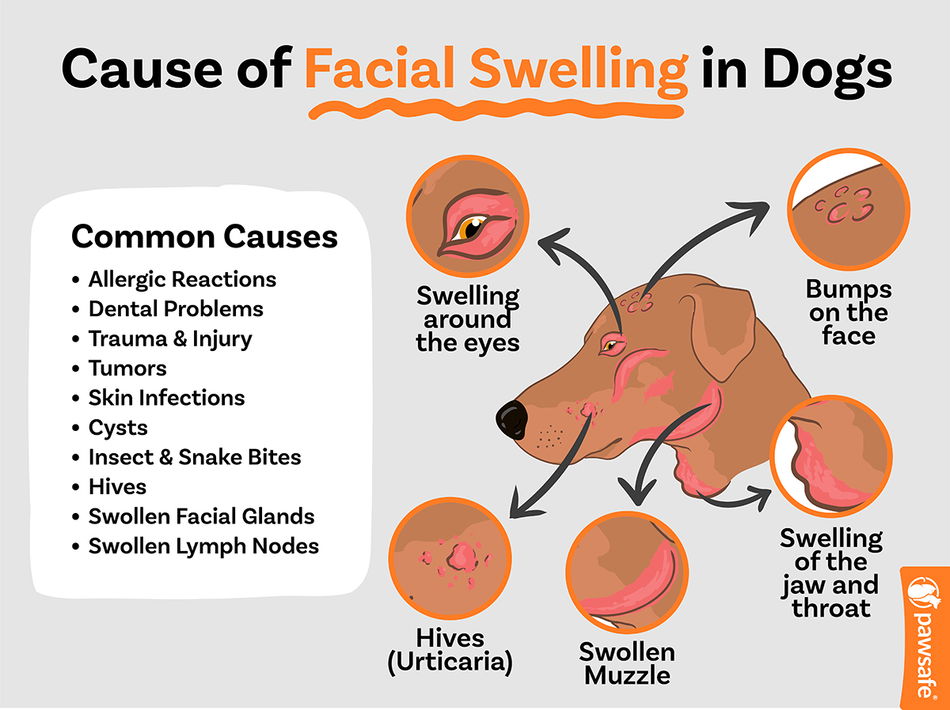
Image Source: blog-pawsafe.b-cdn.net
Fathoming Dog Facial Swelling Causes
A dog’s face is a complex area with many delicate structures, making it susceptible to swelling. Recognizing the different potential causes is the first step toward effective treatment.
Allergic Reactions in Dogs
Allergic reactions are a very common culprit behind a swollen face in dogs. Just like humans, dogs can be sensitive to various substances. This can manifest as a sudden onset of swelling, often affecting the muzzle, lips, eyelids, and ears.
Common Allergens for Dogs
- Food Allergies: Ingredients like chicken, beef, dairy, soy, and wheat are frequent offenders.
- Environmental Allergens: Pollen, dust mites, mold, and grass can trigger reactions, especially seasonally.
- Contact Allergies: This occurs when your dog’s skin comes into direct contact with an allergen, such as certain shampoos, cleaning products, or even certain types of plants.
- Insect Bites/Stings: As discussed later, these can cause localized or widespread swelling.
An allergic reaction dog face can appear rapidly, sometimes within minutes of exposure to an allergen. Your dog might also experience other symptoms like itching, hives, sneezing, runny eyes, or difficulty breathing. The severity can range from mild puffiness to severe facial edema that obstructs airways.
Insect Stings and Bites
A dog bee sting face swelling is a classic example of an allergic reaction to an insect. Bees, wasps, ants, and spiders can all deliver bites or stings that cause localized swelling, redness, and pain. If your dog was playing outside and suddenly yelps and starts pawing at their face, it’s highly likely they’ve been stung.
What to Look For After a Sting
- Sudden localized swelling: Often around the nose, mouth, or eyes.
- Pain and discomfort: Your dog may whine, cry, or seem restless.
- Visible stinger: In the case of a bee sting, you might see a stinger embedded in the skin.
- Redness and inflammation: The affected area will be visibly red and swollen.
While many insect bites are minor, some dogs can have severe systemic reactions, including anaphylaxis, which is a life-threatening emergency. This is why prompt veterinary assessment is vital.
Infections
Infections can lead to swelling in various parts of a dog’s face. These can be bacterial, viral, or fungal.
Dog Abscess Facial
An abscess is a pocket of pus that forms as the body tries to fight off an infection. Abscesses in the facial area can result from:
- Puncture wounds: From bites (animal or human), thorns, or other sharp objects.
- Dental issues: Infections originating from teeth can spread to surrounding tissues.
- Foreign bodies: Splinters or other small objects lodged under the skin.
A dog abscess facial will typically present as a localized, firm, and painful swelling. The skin over the abscess may feel warm to the touch. If left untreated, the abscess can rupture, leading to a draining wound.
Dog Dental Infection Swollen Face
Dental problems are a significant contributor to facial swelling in dogs. Infections in the teeth or gums can spread, causing significant inflammation in the jaw and surrounding facial tissues.
- Tooth root abscesses: An infection at the base of a tooth can cause severe swelling on the side of the face, often near the eye or jaw.
- Periodontal disease: Advanced gum disease can lead to infections that affect the bone and tissues of the face.
- Trauma to the mouth: A broken tooth can become infected.
A dog dental infection swollen face is often accompanied by other signs like drooling, difficulty eating, bad breath, and pain when the face is touched.
Injuries and Trauma
Direct injury to the face can also cause swelling. This could be from:
- Fights with other animals: Bites and scratches.
- Accidents: Falls, impacts with objects, or being hit by a car.
- Self-inflicted trauma: Excessive scratching or rubbing due to irritation or allergies.
The swelling from trauma will be localized to the area of impact and may also involve bruising.
Other Potential Causes
- Eye Conditions: Glaucoma, conjunctivitis, or corneal ulcers can sometimes cause swelling around the eyes.
- Tumors or Cysts: While less common as an acute cause of sudden swelling, tumors or cysts can develop on the face and lead to localized lumps or puffiness.
- Vaccine Reactions: Though rare, some dogs can experience mild, localized swelling at the injection site, which may occasionally appear on the face if the vaccine was given there.
- Puppy Swollen Face: Puppies, being new to the world, are particularly prone to exploring with their mouths and noses, making them susceptible to stings, bites, and minor injuries that can cause facial swelling. Their immune systems are also still developing, potentially leading to more pronounced reactions.
Caring for a Dog with a Swollen Face
The approach to treating a dog’s swollen face depends entirely on the underlying cause. Therefore, accurate diagnosis by a veterinarian is paramount.
When to Seek Veterinary Care Immediately
Any instance of sudden, severe facial swelling, especially if accompanied by breathing difficulties, lethargy, vomiting, or extreme pain, requires immediate emergency veterinary attention. These could be signs of anaphylaxis or a severe infection that could be life-threatening.
Vet Treatment Dog Swollen Face
Veterinary treatment will be tailored to the specific cause of the swelling.
Diagnostic Steps
- Physical Examination: The vet will thoroughly examine your dog’s face, mouth, and body, looking for signs of injury, infection, or allergic reactions.
- History Taking: Detailed information about when the swelling started, potential exposures, diet, and any other symptoms is crucial.
- Blood Tests: To check for infection or signs of inflammation.
- Imaging: X-rays or ultrasounds might be used to assess dental health, look for foreign bodies, or identify abscesses.
- Cytology or Biopsy: In some cases, a sample of fluid or tissue may be taken for microscopic examination.
Treatment Modalities
- Antihistamines: For allergic reactions, veterinarians often prescribe antihistamines like diphenhydramine (Benadryl) or chlorpheniramine. It’s crucial to use the dosage recommended by your vet, as human dosages can be toxic to dogs.
- Corticosteroids: In severe allergic reactions or inflammatory conditions, corticosteroids (like prednisone) may be administered to reduce swelling and inflammation rapidly.
- Antibiotics: If a bacterial infection or abscess is identified, a course of antibiotics will be prescribed.
- Pain Management: Pain relievers appropriate for dogs will be given to keep your pet comfortable.
- Drainage of Abscesses: If an abscess is present, the vet may need to lance and drain it, cleaning the area and flushing it with an antiseptic solution.
- Dental Treatment: If a dental infection is the cause, the affected tooth may need extraction, and a thorough dental cleaning will be recommended.
- Wound Care: For injuries or bite wounds, cleaning, disinfection, and potentially sutures may be necessary.
- Fluid Therapy: In cases of severe reactions or dehydration, intravenous fluids might be administered.
Dog Face Swelling Remedies: Home Care and Prevention
While you should always consult a vet for a swollen face, some home remedies for dog swollen face can be supportive under veterinary guidance, and preventative measures can reduce the risk.
Supportive Home Care (Under Vet Guidance)
- Cold Compress: For localized swelling due to stings or minor trauma, a cool, damp cloth applied gently to the area for short periods can offer relief from swelling and discomfort. Ensure the compress is not too cold and do not force your dog to tolerate it if they are distressed.
- Soft Food: If eating is painful due to facial swelling, offer soft, palatable food that is easy to chew and swallow. Warming the food slightly can enhance its aroma and palatability.
- Comfortable Environment: Provide a quiet, comfortable space for your dog to rest. Minimize stress and excitement.
- Monitor Closely: Keep a close eye on your dog for any changes in their condition, behavior, or breathing. Report any worsening symptoms to your veterinarian immediately.
Prevention Strategies
- Allergy Management: If food allergies are suspected, work with your vet to identify and eliminate the offending ingredients from your dog’s diet. For environmental allergies, managing your dog’s exposure during high-pollen seasons and maintaining a clean home environment can help.
- Supervision Outdoors: Be aware of your surroundings when your dog is playing outside. Watch for insect nests or areas where your dog might be more likely to encounter stinging insects. Keep your dog on a leash in unfamiliar areas.
- Dental Hygiene: Regular tooth brushing and dental check-ups can prevent infections that can lead to facial swelling.
- Safe Play: Ensure your dog’s toys are safe and do not have small parts that can be ingested or sharp edges that can cause injury.
- Vaccination Status: Keeping up-to-date with vaccinations can prevent certain diseases that might indirectly lead to facial swelling.
Specific Scenarios and What to Do
Let’s look at some common scenarios involving a dog swollen face and the immediate steps to take.
Swollen Muzzle Dog
A swollen muzzle dog is a common presentation. This can be due to:
- Bee/Insect Stings: The muzzle is a prime target for curious noses.
- Allergic Reactions: Reactions to food, plants, or environmental factors often manifest around the mouth and muzzle.
- Infections: Abscesses or dental issues can cause localized swelling here.
- Trauma: Pawing at something irritating, bumping into objects.
Immediate action: If you suspect a sting, try to visually inspect the muzzle for a stinger. If found, carefully remove it. If your dog shows signs of distress or difficulty breathing, seek immediate veterinary care. For other causes, gentle palpation might reveal a specific spot of pain or a firm lump, but avoid causing further discomfort.
Puppy Swollen Face
Puppies are particularly vulnerable. A puppy swollen face might be due to:
- Curiosity and Exploration: Stinging insects are a major concern as puppies explore the world with their mouths and noses.
- New Foods: Trying new treats or food can sometimes trigger mild allergies.
- Teething: While less common, irritation or minor infection around erupting teeth can cause localized swelling.
Immediate action: As with any dog, assess for breathing difficulties. If your puppy has been stung, check for stingers. Offer a cool, damp cloth if they tolerate it. Contact your veterinarian for advice on appropriate home care or to schedule an examination, especially if the swelling is significant or persistent.
Allergic Reaction Dog Face Symptoms
Recognizing the signs of an allergic reaction dog face is critical. Beyond swelling, look for:
- Itching (pruritus): Excessive scratching, licking, or rubbing of the face.
- Hives (urticaria): Raised, itchy welts on the skin.
- Redness and warmth: The affected skin may be red and hot to the touch.
- Watery eyes and sneezing: Nasal and ocular discharge.
- Swelling of the tongue or throat: This is a severe sign requiring immediate emergency care.
- Difficulty breathing or wheezing: A critical sign of anaphylaxis.
Immediate action: If you suspect an allergic reaction, especially with rapid or severe onset, contact your veterinarian immediately. They can advise on administering an antihistamine if appropriate or instruct you to bring your dog in for emergency treatment, which may include epinephrine and corticosteroids.
Dog Bee Sting Face Swelling Treatment
For dog bee sting face swelling, the primary concerns are pain, discomfort, and the potential for a severe allergic reaction.
Immediate action:
1. Remove the stinger: If you see a stinger, scrape it away gently with a credit card or your fingernail. Do not squeeze the stinger, as this can release more venom.
2. Clean the area: Gently wash the area with mild soap and water.
3. Apply a cold compress: A cool compress can help reduce swelling and soothe pain.
4. Monitor for severe reactions: Watch for difficulty breathing, excessive swelling that spreads rapidly, vomiting, diarrhea, weakness, or collapse. If any of these occur, rush your dog to the nearest emergency vet.
5. Contact your vet: Even for seemingly minor stings, it’s wise to inform your vet, especially if your dog has a known history of allergies. They may recommend a specific antihistamine dosage.
Dog Abscess Facial Management
A dog abscess facial requires professional medical intervention.
Immediate action: Do not attempt to pop or drain the abscess yourself. This can push the infection deeper, cause more pain, and potentially spread bacteria. Contact your veterinarian to schedule an appointment. The vet will likely need to lance, drain, and flush the abscess, followed by a course of antibiotics and pain medication.
Dog Dental Infection Swollen Face
A dog dental infection swollen face indicates a serious issue that needs prompt dental care.
Immediate action: Schedule an appointment with your veterinarian or a veterinary dentist as soon as possible. The vet will assess the dental problem, which might involve dental X-rays to view tooth roots and the jawbone. Treatment typically involves cleaning the teeth, and potentially extracting the infected tooth to resolve the source of the infection. Antibiotics will also be prescribed.
Frequently Asked Questions (FAQ)
Can I give my dog Benadryl for a swollen face?
Yes, Benadryl (diphenhydramine) can be effective for mild allergic reactions causing facial swelling, but always consult your veterinarian first for the correct dosage. Too much Benadryl can be harmful. Never give your dog any medication without veterinary approval.
How long does a dog’s swollen face usually last?
The duration of a swollen face in dogs varies greatly depending on the cause. Mild allergic reactions or insect stings might resolve within a few hours to a couple of days with appropriate treatment. Swelling due to infections or more severe allergic reactions can take longer to subside and require ongoing veterinary care.
What if my dog’s swollen face is not going down?
If the swelling is not improving, is worsening, or is accompanied by new symptoms, you must contact your veterinarian immediately. This could indicate a persistent infection, a different underlying cause, or a reaction to the initial treatment.
Is it safe to give my puppy over-the-counter allergy medication?
No, it is not safe to give puppies or any dog over-the-counter allergy medication without explicit veterinary instruction. Puppies are more sensitive to medications, and incorrect dosages can be toxic. Your vet can prescribe safe and effective treatments for puppies.
What are the signs of a severe allergic reaction in dogs?
Signs of a severe allergic reaction (anaphylaxis) include difficulty breathing, wheezing, pale gums, collapse, rapid heart rate, vomiting, diarrhea, and rapid onset of widespread swelling. This is a life-threatening emergency requiring immediate veterinary intervention.
Conclusion
A swollen face in dogs is a symptom that demands attention. By understanding the diverse dog facial swelling causes, from common allergic reactions and insect stings to more serious infections and injuries, you are better equipped to act quickly and appropriately. Always prioritize veterinary consultation for accurate diagnosis and tailored treatment. While some dog face swelling remedies can be administered at home under guidance, professional veterinary care is often essential for a safe and effective recovery. Prompt action and vigilant observation are key to ensuring your canine companion can return to their happy, healthy self.