
Does your furry friend have a health problem that makes mealtime a challenge? Many dog owners face this worry. When a vet recommends special food, it can feel overwhelming. You want the best for your dog, but the shelves are full of complicated labels and confusing ingredients. It’s tough to know which one will truly help your dog feel better.
Choosing the right prescription dog food isn’t just about picking a bag off the shelf. It’s about finding a solution that addresses specific health needs, like allergies, kidney issues, or digestive problems. The sheer number of options, combined with vet recommendations, can leave you feeling lost and unsure. You might be wondering if you’re making the right choice for your beloved companion.
In this post, we’ll break down what prescription dog food really is. We’ll explore common reasons vets suggest it and what makes these foods different. By the end, you’ll feel more confident in understanding your vet’s recommendations and making a well-informed decision for your dog’s health and happiness. Let’s dive in and discover how the right food can make a big difference.
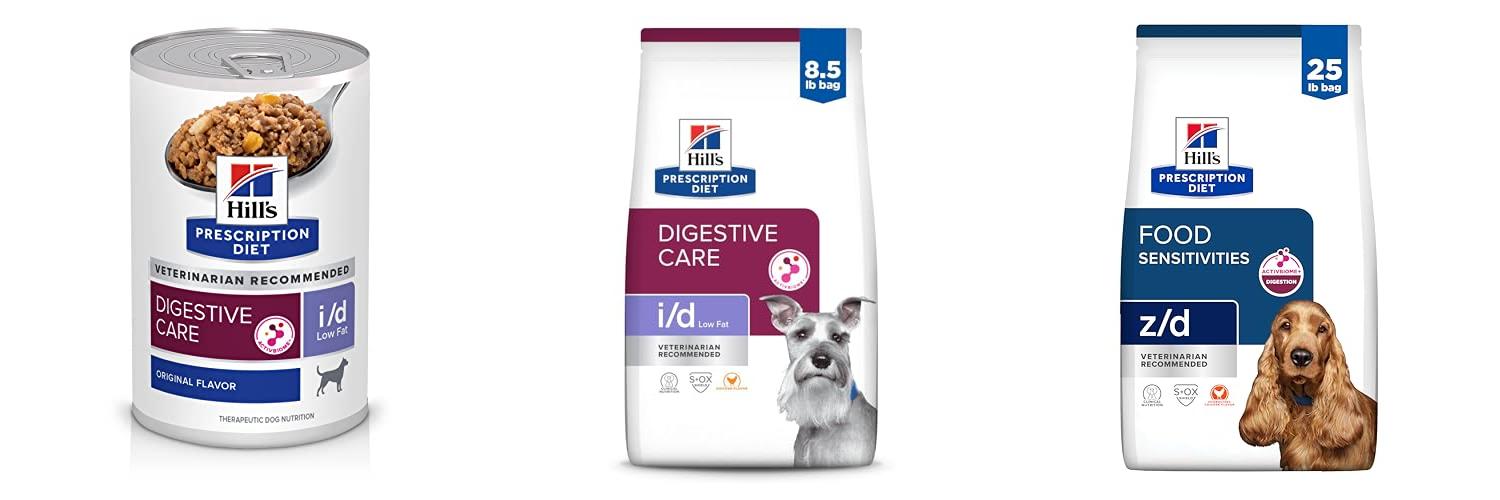
Our Top 5 Prescription Dog Food Recommendations at a Glance
Top 5 Prescription Dog Food Detailed Reviews
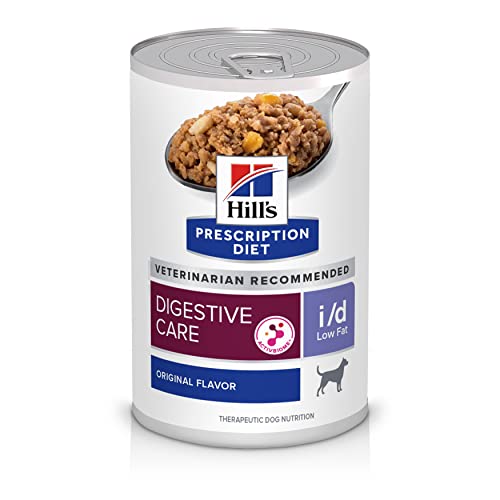
1. Hill’s Prescription Diet i/d Low Fat Digestive Care Original Flavor Wet Dog Food
Rating: 9.2/10
Dealing with a dog’s sensitive stomach can be tough. Hill’s Prescription Diet i/d Low Fat Digestive Care Original Flavor Wet Dog Food is here to help. This special food is made by experts to make your dog feel better. It helps their tummy work right and absorb all the good stuff from their food. Plus, it’s low in fat, which is great for dogs who need it.
What We Like:
- Helps dogs digest food better and absorb nutrients well.
- Low fat content is good for sensitive digestive systems.
- Contains special ingredients called ActivBiome+ that boost good gut bacteria.
- Prebiotic fibers help keep bowel movements regular.
- Includes omega-3 fatty acids for overall health.
- Antioxidants help support a strong immune system.
- Veterinarians in the US recommend Hill’s Prescription Diet the most.
What Could Be Improved:
- This food requires a prescription from your veterinarian.
- The original flavor might not appeal to every dog’s taste.
If your dog struggles with digestion, this food is a top choice recommended by vets. Remember to talk to your vet to see if it’s the best fit for your furry friend.
2. Hill’s Prescription Diet i/d Low Fat Digestive Care Chicken Flavor Dry Dog Food

Rating: 9.5/10
When your furry friend experiences tummy troubles, Hill’s Prescription Diet i/d Low Fat Digestive Care Chicken Flavor Dry Dog Food can be a game-changer. This special dog food is made by expert vets and nutritionists to help your dog feel better. It’s designed to support a sensitive stomach and help your dog digest food more easily.
What We Like:
- This food is made to help dogs with digestive issues, especially those related to fat.
- It’s easy for dogs to digest, and it’s low in fat, which is great for sensitive tummies.
- It helps your dog absorb nutrients better, so they get more goodness from their food.
- It uses special ingredients called ActivBiome+ that quickly help good gut bacteria grow and keep the tummy healthy.
- It has fibers that help with regular poop and keep digestion working smoothly.
- It contains important fats (omega-3 & 6) for a healthy coat and skin.
- It’s packed with antioxidants that help boost your dog’s immune system.
- Vets in the US recommend Hill’s Prescription Diet the most.
What Could Be Improved:
- This food is a prescription diet, so you need to talk to your vet before buying it.
- The 8.5 lb bag might be a bit small for larger dogs or those who eat more.
If your dog needs digestive support, Hill’s Prescription Diet i/d Low Fat is a top choice recommended by many vets. Always check with your veterinarian to ensure it’s the best fit for your dog’s specific needs.
3. Hill’s Prescription Diet z/d Skin/Food Sensitivities Hydrolyzed Dry Dog Food

Rating: 9.2/10
If your furry friend struggles with itchy skin or an upset tummy, Hill’s Prescription Diet z/d Skin/Food Sensitivities Hydrolyzed Dry Dog Food might be a game-changer. This special food is made by experts to help dogs with food sensitivities. It uses tiny pieces of protein that your dog’s body won’t recognize as something to react to. This helps calm down both their skin and their digestion. Plus, it’s packed with good fats to make their skin healthy and their coat shiny.
What We Like:
- Helps dogs with food sensitivities feel better.
- Calms down itchy skin and digestive issues.
- Made with special proteins that are easier to digest.
- Includes good fats for healthy skin and a shiny coat.
- Works fast: firms up loose stool in just 3 days.
- Promotes a visible improvement in skin and coat in about a month.
- Contains ActivBiome+ Digestion to support a healthy gut.
- It’s the #1 vet-recommended therapeutic pet food in the US.
What Could Be Improved:
- Requires a prescription from your veterinarian.
- Can be more expensive than regular dog food.
This food is a powerful tool for managing your dog’s food sensitivities. Always talk to your vet to see if this is the best option for your dog’s specific needs.
4. Hill’s Prescription Diet Gastrointestinal Biome Digestive/Fiber Care with Chicken Dry Dog Food

Rating: 8.8/10
Dealing with your dog’s digestive issues can be tough. Hill’s Prescription Diet Gastrointestinal Biome Digestive/Fiber Care with Chicken Dry Dog Food is a special food made by expert vets and nutritionists to help your furry friend feel better. It’s designed to support a healthy tummy and keep things running smoothly.
What We Like:
- It works fast! This food is proven to help firm up loose stool in just 24 hours.
- It helps prevent digestive problems from coming back.
- It has a special ingredient blend called ActivBiome+ that wakes up good bacteria in your dog’s gut.
- This blend helps balance your dog’s gut microbiome for better digestion.
- It contains a mix of special fibers that help with regular bowel movements.
- It’s packed with omega-3 fatty acids, like DHA and EPA, which are good for overall health.
- Vets in the US recommend Hill’s Prescription Diet the most for dogs with health needs.
What Could Be Improved:
- This is a veterinary diet, so you need to talk to your vet before buying it to make sure it’s the right choice for your dog.
- The 8 lb. bag might be a bit small for larger dogs or if your dog needs to eat it for a long time.
If your dog struggles with digestive upset, this food offers a science-backed solution. Always consult your veterinarian to confirm it’s the best fit for your dog’s specific health needs.
5. Hill’s Prescription Diet i/d Digestive Care Chicken Flavor Dry Dog Food

Rating: 9.5/10
When your dog’s tummy is upset, finding the right food can be a challenge. Hill’s Prescription Diet i/d Digestive Care Chicken Flavor Dry Dog Food is made by vets and nutrition experts to help dogs with digestive issues. It’s designed to be easy for your dog to digest, which helps their body absorb nutrients better. This special food helps settle digestive upsets and gives your dog the nutrients they need.
What We Like:
- It’s made with a special blend called ActivBiome+ Digestion. This blend helps good gut bacteria grow, which is great for digestion.
- It has lots of B vitamins and electrolytes to replace what dogs might lose when they have an upset stomach.
- The food contains antioxidants that help keep your dog’s immune system strong.
- Omega-3 and Omega-6 fatty acids are included to promote healthy skin and a shiny coat.
- It’s formulated to help keep your dog’s urinary tract healthy.
- Many veterinarians in the US recommend Hill’s Prescription Diet.
What Could Be Improved:
- This is a prescription diet, so you need to talk to your vet before you can buy it.
- The 27.5 lb bag is large, which might be hard for some people to handle or store.
Hill’s Prescription Diet i/d Digestive Care Chicken Flavor Dry Dog Food offers targeted support for dogs with digestive problems. It’s a vet-recommended choice that focuses on improving gut health and nutrient absorption.
Navigating the World of Prescription Dog Food: A Smart Shopper’s Guide
When your furry friend faces a health challenge, you want the best possible nutrition to help them heal and thrive. That’s where prescription dog food comes in. This specialized diet, recommended by veterinarians, offers targeted solutions for a variety of health conditions. But with so many options, choosing the right one can feel overwhelming. This guide will help you understand what to look for, what makes quality food, and how to get the most out of this important dietary choice.
Why Prescription Dog Food?
Prescription dog foods are not your average kibble. Vets prescribe them to manage specific health issues like allergies, kidney disease, digestive problems, urinary tract issues, and more. These diets have special ingredients and formulations designed to support your dog’s body and improve their well-being.
Key Features to Look For
When you’re shopping for prescription dog food, keep these important features in mind:
- Veterinarian Prescription: This is the most crucial feature. You can only buy these foods with a prescription from your vet. They will tell you exactly which one your dog needs.
- Specific Health Benefits: The food should clearly state the health condition it targets. For example, it might be for “kidney support,” “sensitive skin,” or “digestive care.”
- High-Quality Protein Sources: Look for easily digestible protein like lamb, duck, or fish. These are often better for dogs with sensitive stomachs or allergies.
- Limited Ingredient Diets (LIDs): For dogs with allergies, LIDs are a lifesaver. They contain fewer ingredients, making it easier to pinpoint and avoid what causes a reaction.
- Novel Proteins: These are proteins your dog hasn’t eaten before, like venison or rabbit. They are great for dogs with severe allergies.
- Omega-3 and Omega-6 Fatty Acids: These healthy fats are important for skin and coat health, and they can help reduce inflammation.
- Antioxidants: Ingredients like vitamins E and C help boost your dog’s immune system.
Important Materials (Ingredients)
The ingredients in prescription dog food are carefully chosen for their therapeutic benefits.
- Protein: High-quality animal protein is the foundation.
- Carbohydrates: Often, you’ll see easily digestible carbs like rice, sweet potatoes, or peas.
- Fats: Healthy fats from sources like fish oil or flaxseed are common.
- Vitamins and Minerals: These are added in specific amounts to support overall health and address deficiencies.
- Fiber: Different types of fiber help with digestive health. Some foods might have prebiotics, which feed good gut bacteria.
Factors That Improve or Reduce Quality
Several things can make a prescription dog food better or worse for your dog.
- What Improves Quality:
- Research-Backed Formulas: The best foods are developed with scientific research to prove their effectiveness.
- Palatability: Even the best food won’t work if your dog won’t eat it. Good quality foods are often made to be tasty.
- Consistent Manufacturing: Reputable brands maintain strict quality control during the making of their food.
- What Reduces Quality:
- Artificial Additives: Artificial colors, flavors, and preservatives can sometimes cause issues for sensitive dogs.
- Fillers: Ingredients like corn, wheat, or soy can be used as fillers. While not always bad, they can be problematic for dogs with sensitivities.
- Poorly Sourced Ingredients: The origin and quality of ingredients matter a lot.
User Experience and Use Cases
Many pet parents have seen amazing results with prescription dog food.
- Allergy Relief: Dogs with itchy skin, ear infections, or digestive upset often find relief. Their coats become shinier, and their discomfort lessens.
- Kidney Support: For dogs with kidney disease, these diets help manage the condition and improve their quality of life.
- Digestive Health: Dogs with chronic diarrhea or vomiting can benefit greatly from foods designed to be gentle on their stomachs.
- Weight Management: Special formulas help dogs achieve and maintain a healthy weight.
Using prescription food means working closely with your vet. They will guide you on the best type, the right amount to feed, and how to transition your dog to the new food. It’s a team effort to ensure your dog gets the best care.
Frequently Asked Questions about Prescription Dog Food
Q: What is prescription dog food?
A: Prescription dog food is a special type of dog food that a veterinarian recommends and prescribes to help manage specific health conditions your dog might have.
Q: How do I get prescription dog food for my dog?
A: You must get a prescription from your veterinarian. They will examine your dog and decide which prescription food is best for their needs.
Q: Can I buy prescription dog food at a regular pet store?
A: No, you cannot. Prescription dog food is only available through veterinary clinics or authorized online pet pharmacies with a valid prescription.
Q: What are the main reasons a vet might prescribe dog food?
A: Vets prescribe these foods for many reasons, including allergies, kidney problems, digestive issues, urinary tract problems, diabetes, and weight management.
Q: Is prescription dog food more expensive than regular dog food?
A: Yes, it is usually more expensive. This is because it uses high-quality, specialized ingredients and is made with advanced research and technology.
Q: How long does my dog need to eat prescription food?
A: This depends on the condition. Some dogs need it for life, while others might only need it for a short period to manage a specific issue.
Q: What happens if my dog doesn’t like the taste of their prescription food?
A: Talk to your vet. They might suggest adding a little bit of warm water or a small amount of a vet-approved topper to make it more appealing.
Q: Can I switch my dog to a different prescription food without asking my vet?
A: No, you should never switch your dog to a different prescription food without your vet’s approval. Each food is designed for a specific purpose.
Q: How do I transition my dog to a new prescription food?
A: You should transition slowly over 7-10 days. Mix a small amount of the new food with the old food, gradually increasing the new food and decreasing the old food.
Q: Can prescription dog food cure my dog’s condition?
A: Prescription dog food helps manage and support your dog’s health condition. It often works best when used alongside other treatments recommended by your vet.
In conclusion, every product has unique features and benefits. We hope this review helps you decide if it meets your needs. An informed choice ensures the best experience.
If you have any questions or feedback, please share them in the comments. Your input helps everyone. Thank you for reading.