
Imagine a furry friend who can sense when you’re feeling overwhelmed and offers a comforting nudge, or alerts you to an oncoming panic attack before it takes hold. This isn’t just a dream; it’s the reality for many who partner with Psychiatric Service Dogs (PSDs). These incredible animals offer unwavering support, helping individuals navigate the challenges of mental health conditions with greater ease and independence.
But finding the right training for your future PSD can feel like searching for a needle in a haystack. You want the best for your companion, but the sheer volume of information and the potential for misinformation can be overwhelming. It’s easy to feel lost when faced with so many training approaches and providers. The fear of making the wrong choice can add to existing anxieties.
In this post, we’ll cut through the confusion. We’ll explore what makes effective PSD training, what questions you should be asking, and how to identify programs that truly set you and your dog up for success. By the end, you’ll feel more confident and prepared to embark on this life-changing journey, knowing you’re making the best choices for your unique needs and your amazing canine partner.
Our Top 5 Psychiatric Service Dog Training Recommendations at a Glance
Top 5 Psychiatric Service Dog Training Detailed Reviews
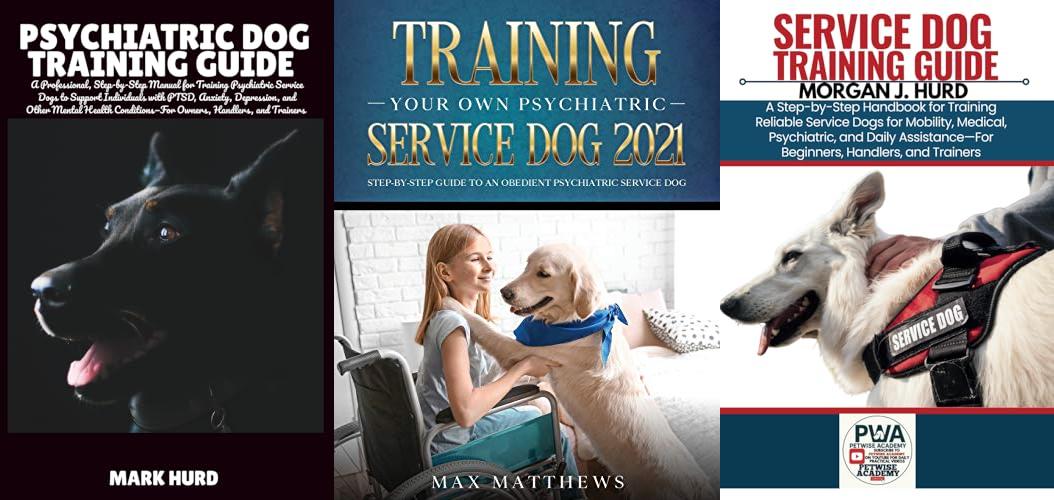
1. PSYCHIATRIC DOG TRAINING GUIDE: A Professional

Rating: 9.0/10
The PSYCHIATRIC DOG TRAINING GUIDE is a professional, step-by-step manual. It helps you train psychiatric service dogs. This guide supports people with PTSD, anxiety, and other conditions. It’s also great for trainers. The book focuses on positive reinforcement, which is a kind and effective training method.
What We Like:
- Clear, easy-to-follow instructions.
- Focuses on positive reinforcement, which builds a strong bond between dog and owner.
- Covers a wide range of needs for psychiatric service dogs.
- Designed for both pet owners and professional trainers.
- Offers a structured approach to a complex training process.
What Could Be Improved:
- The “N/A” for features suggests more detail about the specific training techniques covered would be beneficial.
- More real-life examples or case studies could enhance understanding.
This training guide provides a solid foundation for anyone looking to train a psychiatric service dog. It empowers individuals and trainers with the knowledge to create a supportive partnership.
2. Training Your Own Psychiatric Service Dog 2021: Step-By-Step Guide to an Obedient Psychiatric Service Dog

Rating: 8.8/10
Training Your Own Psychiatric Service Dog 2021: Step-By-Step Guide to an Obedient Psychiatric Service Dog offers a clear path for those looking to train their own service dog. It focuses on building a strong bond and clear communication with your dog. This guide helps you understand the process from start to finish.
What We Like:
- Provides a structured, step-by-step approach for training.
- Emphasizes positive reinforcement and building a strong relationship.
- Breaks down complex tasks into manageable lessons.
- Helps owners understand the specific needs of psychiatric service dogs.
- Empowers individuals to train their own support animal.
What Could Be Improved:
- The guide’s effectiveness can vary based on the owner’s experience and the dog’s temperament.
- “N/A” features make it hard to assess specific content like video demonstrations or interactive exercises.
- More examples of real-life training scenarios could be helpful.
This guide is a valuable resource for anyone committed to training their psychiatric service dog. It provides the foundational knowledge to embark on this rewarding journey.
3. SERVICE DOG TRAINING GUIDE: A Step-by-Step Handbook for Training Reliable Service Dogs for Mobility

Rating: 8.7/10
The SERVICE DOG TRAINING GUIDE: A Step-by-Step Handbook for Training Reliable Service Dogs for Mobility, Medical, Psychiatric, and Daily Assistance—For … and Trainers (The PetWise Companion Series) is a comprehensive resource designed to help individuals and trainers create well-behaved and dependable service dogs. This guide covers a wide range of assistance needs, making it a valuable tool for anyone looking to train a service dog for various purposes.
What We Like:
- The handbook offers clear, step-by-step instructions, making the training process easier to follow.
- It covers a broad spectrum of service dog tasks, including mobility, medical alerts, psychiatric support, and general daily assistance.
- The guide is suitable for both new dog owners and experienced trainers looking for a structured approach.
- It emphasizes building a strong bond between the handler and the dog throughout the training journey.
What Could Be Improved:
- While the guide is detailed, some readers might find the information overwhelming at first.
- More visual aids or video demonstrations could enhance the learning experience for certain training exercises.
- The section on advanced training techniques could be expanded for those seeking to train highly specialized service dogs.
This guide provides a solid foundation for anyone serious about service dog training. It equips you with the knowledge to raise a reliable and supportive canine partner.
4. Service Dog Training Guide: A Step-by-Step Training Program for You and Your Dog

Rating: 9.3/10
Are you looking to train your dog to become a certified service dog? The “Service Dog Training Guide: A Step-by-Step Training Program for You and Your Dog” offers a clear path to achieving this goal. This guide breaks down the complex process of service dog training into manageable steps. It’s designed to help both you and your canine companion learn and grow together. Whether you’re a beginner or have some training experience, this program aims to equip you with the knowledge and tools needed for success.
What We Like:
- Clear, easy-to-follow instructions make training less overwhelming.
- The step-by-step approach builds skills gradually, preventing frustration for both dog and owner.
- It focuses on building a strong bond between you and your dog throughout the training process.
- The program covers essential skills needed for a service dog’s tasks.
What Could Be Improved:
- The guide could benefit from more visual aids, like pictures or diagrams, to illustrate specific techniques.
- More detailed explanations for troubleshooting common training challenges would be helpful.
- A section on understanding different types of service dog tasks might enhance its usefulness.
This training guide provides a solid foundation for aspiring service dog teams. It empowers owners to take an active role in their dog’s development.
5. Training Your Own Service Dog AND Psychiatric Service Dog: 2 Books IN 1 BUNDLE!

Rating: 9.1/10
Ready to train your own amazing service or psychiatric service dog? This incredible bundle brings together two essential guides into one powerful resource. You get everything you need to teach your dog the skills to provide vital support, whether it’s for everyday tasks or specific psychiatric needs. Imagine the difference a well-trained companion can make!
What We Like:
- Two complete training guides in one bundle – a fantastic value!
- Covers both general service dog tasks and specialized psychiatric support.
- Helps you build a strong bond with your dog through positive training methods.
- Empowers you to train your own dog, saving money and time.
- Clear, step-by-step instructions make training manageable.
What Could Be Improved:
- The bundle format might be overwhelming for absolute beginners without prior dog training experience.
- Could benefit from more advanced training techniques for highly complex tasks.
- A digital or audiobook option would be a convenient addition.
This 2-in-1 bundle is a fantastic starting point for anyone looking to train their own service or psychiatric service dog. It provides a solid foundation for success and empowers you to create a life-changing partnership.
Choosing the Right Psychiatric Service Dog Training Program
Finding the right training for a psychiatric service dog (PSD) is a big step. It’s about getting a loyal companion who can help you manage mental health challenges. This guide will help you understand what to look for.
Key Features to Look For
When you’re choosing a PSD training program, keep these important features in mind.
- Customized Training Plans: Every person and their needs are different. A good program creates a training plan just for you and your dog. This plan should focus on the specific tasks your dog needs to learn to help with your condition.
- Task Training: PSDs learn specific tasks. These tasks can include interrupting panic attacks, providing deep pressure therapy during anxiety, reminding you to take medication, or fetching items. The program should clearly outline how they teach these vital skills.
- Behavioral Training: Beyond tasks, your dog needs solid obedience. This includes basic commands like sit, stay, and come. They also need to be well-behaved in public places.
- Handler Training: You are part of the team! The program should teach you how to work with your dog, reinforce training, and manage their behavior. This training is crucial for a successful partnership.
- Ethical Training Methods: Look for programs that use positive reinforcement. This means rewarding good behavior with treats, praise, or toys. Avoid programs that use punishment or fear-based methods.
- Support and Follow-Up: Good programs offer ongoing support. They should be available to answer your questions and help you if you run into problems after training is complete.
- Certification and Documentation: While not legally required everywhere, some programs offer certification. They should also provide clear documentation about your dog’s training.
Important Materials and Resources
The training program itself is the main resource. However, look for programs that might also provide:
- Training Manuals or Guides: These can be helpful for you to review at home.
- Training Equipment Recommendations: They might suggest specific leashes, harnesses, or treat pouches.
- Online Resources: Some programs offer videos or online modules to supplement in-person training.
Factors That Improve or Reduce Quality
Several things can make a training program better or worse.
Factors That Improve Quality:
- Experienced and Certified Trainers: Trainers with experience in service dog work and relevant certifications are a huge plus.
- Small Class Sizes or One-on-One Training: More individual attention means your dog gets the focus they need.
- Proven Success Rates: Ask about their track record. Do their clients achieve their goals?
- Clear Communication: The trainers should be easy to talk to and explain things clearly.
Factors That Reduce Quality:
- Generic Training Programs: If the program doesn’t seem to be tailored to your needs, it might not be effective.
- Unethical or Harsh Training Methods: This can damage your dog’s trust and create behavioral problems.
- Lack of Handler Involvement: If you’re not actively part of the training, the bond with your dog may not be as strong.
- No Follow-Up Support: You need help when challenges arise.
User Experience and Use Cases
A well-trained PSD can dramatically improve a person’s life.
- Anxiety and Panic Attacks: A dog can be trained to sense rising anxiety and provide comfort, like nudging you or applying deep pressure.
- Depression: A PSD can offer companionship, encourage routine, and help combat feelings of isolation. They can remind you to get out of bed or go for a walk.
- PTSD: Dogs can help ground individuals experiencing flashbacks or nightmares. They can also alert you to potential triggers.
- Social Anxiety: A PSD can act as a social buffer, making interactions in public easier.
The user experience with a good PSD training program is one of empowerment and relief. You gain a partner who understands your needs and helps you navigate daily life with more confidence and independence.
Frequently Asked Questions (FAQ)
Q: What is a Psychiatric Service Dog (PSD)?
A: A PSD is a dog trained to perform specific tasks that help a person with a mental health condition. These tasks assist the handler in managing their disability.
Q: Can any dog be a PSD?
A: While many breeds can be suitable, a dog’s temperament is key. They need to be calm, confident, and eager to please. Not all dogs have the right personality for service work.
Q: How long does PSD training take?
A: Training can take anywhere from several months to over a year, depending on the dog’s age, prior training, and the complexity of the tasks required.
Q: What kind of tasks can a PSD learn?
A: Tasks vary greatly. They can include alerting to panic attacks, providing deep pressure therapy, interrupting self-harming behaviors, or reminding the handler to take medication.
Q: Is PSD training expensive?
A: Yes, professional PSD training can be a significant investment. Costs vary based on the program, location, and duration of training.
Q: Do I need to train the dog myself?
A: Many programs involve handler training so you can work effectively with your dog. Some programs train the dog and then transition them to you.
Q: What is the difference between a service dog and an emotional support animal (ESA)?
A: A service dog is trained to perform specific tasks. An ESA provides comfort through their presence but is not trained for specific tasks related to a disability.
Q: Where can I find a reputable PSD trainer?
A: Look for trainers with experience in service dog work, positive reinforcement methods, and good reviews. Organizations dedicated to service dogs can sometimes offer referrals.
Q: What are the legal rights of a PSD handler?
A: In many places, PSDs have access to public places where pets are normally not allowed. Laws can vary, so it’s good to be informed about your local regulations.
Q: What if my dog isn’t a good fit for PSD work?
A: It’s okay. Not every dog is suited for the demanding role of a service dog. Sometimes a dog is better suited as a beloved pet, and that’s perfectly fine.
In conclusion, every product has unique features and benefits. We hope this review helps you decide if it meets your needs. An informed choice ensures the best experience.
If you have any questions or feedback, please share them in the comments. Your input helps everyone. Thank you for reading.