
Can you get a dog trained to detect gluten? Yes, it is possible to train a dog to detect gluten, providing a vital layer of protection for individuals with celiac disease or severe gluten sensitivity.
Navigating life with celiac disease or a significant gluten sensitivity presents unique challenges. Accidental exposure to gluten can lead to severe health consequences, making vigilance a constant necessity. While careful label reading and kitchen practices are paramount, a gluten detection dog offers an unparalleled level of safety and peace of mind. These highly trained canine companions can identify the presence of gluten in foods and environments, acting as an invaluable ally in managing dietary restrictions. However, obtaining such a specialized service dog involves a rigorous and thoughtful process. This guide will walk you through the essential steps to acquire and integrate a gluten-sniffing dog into your life.
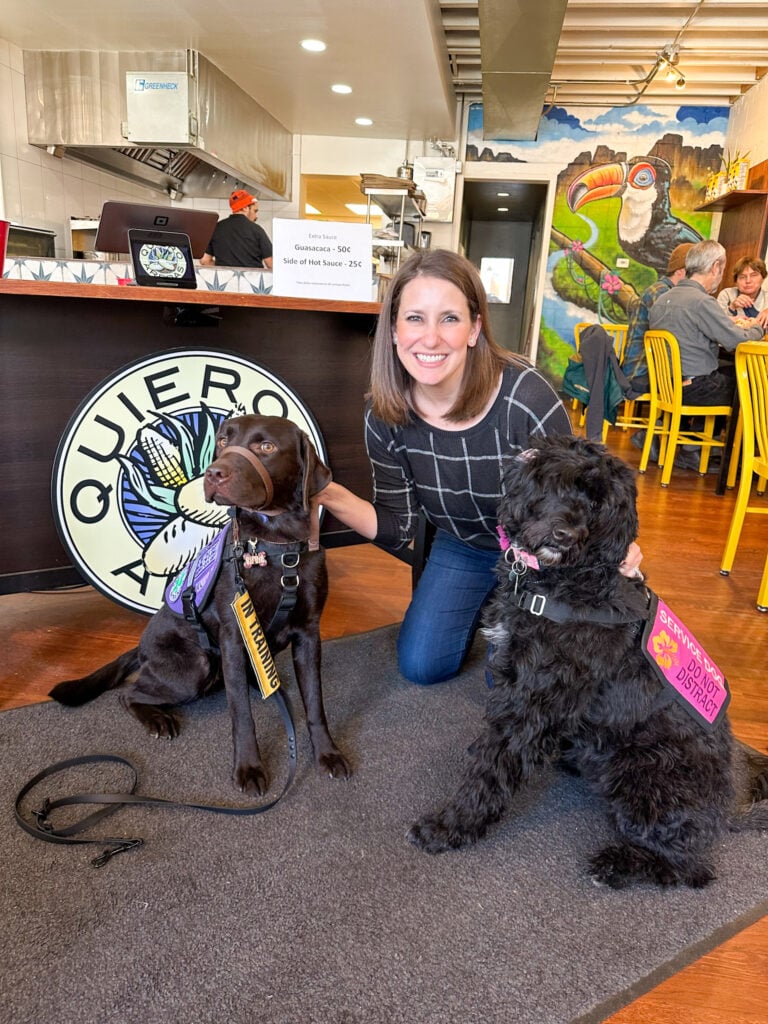
Image Source: www.goodforyouglutenfree.com
The Role of a Gluten Detection Dog
A gluten detection dog is trained to recognize and alert its handler to the presence of gluten proteins. This is achieved through specialized scent training. These dogs are not merely pets; they are highly skilled working dogs for food allergies, providing a critical service. Their sensitivity to trace amounts of gluten far exceeds human capabilities, offering a proactive defense against cross-contamination and hidden gluten ingredients.
Why a Gluten Detection Dog?
- Enhanced Safety: Provides an extra layer of security against accidental gluten ingestion, especially in social settings or when dining out.
- Increased Independence: Empowers individuals to feel more confident and less reliant on others for food safety.
- Peace of Mind: Reduces the constant anxiety associated with potential gluten exposure.
- Early Detection: Can alert to gluten in environments, not just food, helping to identify contaminated surfaces or utensils.
- Companionship: Offers the emotional support and companionship inherent in the human-animal bond.
Finding a Gluten-Sniffing Dog: Where to Begin
The journey to obtaining a gluten-sniffing dog starts with research and connecting with reputable organizations. It’s not as simple as visiting a local shelter and picking a dog that seems interested in food.
Reputable Service Dog Organizations
Several organizations specialize in training and placing service dogs for various needs, including allergy detection. These organizations have established protocols for breeding, raising, training, and matching dogs with handlers.
- Research thoroughly: Look for organizations with a proven track record in allergy detection dog training.
- Check credentials: Ensure they are accredited by recognized service dog organizations if applicable.
- Inquire about their process: Understand their selection, training, and placement procedures.
Private Trainers and Programs
While organizations are common, some individuals also work with private trainers specializing in scent detection and service dog training.
- Seek referrals: Ask for recommendations from support groups or healthcare professionals.
- Verify experience: Ensure the trainer has specific experience with gluten detection and service dog work.
- Discuss curriculum: Understand the training methodologies and what the dog will be taught.
The Dog Selection Process
Not every dog is suited for this specialized work. Organizations and trainers carefully select dogs based on temperament, drive, and aptitude.
Essential Canine Traits
- Temperament: A calm, confident, and friendly demeanor is crucial. The dog must be comfortable in various environments and around different people and animals.
- Drive: A high food drive or toy drive is beneficial for motivation during training.
- Biddability: The dog should be eager to please and responsive to its handler.
- Focus: The ability to concentrate on tasks despite distractions is vital.
- Resilience: The dog needs to be adaptable and not easily stressed by new situations.
Breed Considerations
While many breeds can be trained, certain breeds are historically favored for their intelligence, trainability, and scenting abilities. However, it’s important to note that individual temperament often plays a bigger role than breed alone.
| Breed Category | Common Breeds Known for Scent Work | Considerations |
|---|---|---|
| Sporting Group | Labrador Retriever, Golden Retriever | High energy, eager to please, good with people. Can require significant exercise and mental stimulation. Often used in general service dog training. |
| Herding Group | German Shepherd, Border Collie | Highly intelligent, excel at complex tasks. Can be intense and require a job to do. Need early socialization to be comfortable in public. |
| Hound Group | Beagle, Bloodhound | Exceptional scenting abilities. May be more independent and prone to distraction by scents other than the target odor. |
| Working Group | Doberman Pinscher, Rottweiler | Intelligent, loyal, can be protective. Require consistent training and socialization. Their size might be a consideration for some handlers. |
| Non-Sporting/Other | Poodle | Highly intelligent, often considered hypoallergenic dog breeds for allergies. Adaptable and can be trained for various roles. Require regular grooming. |
Hypoallergenic dog breeds for allergies like Poodles are often considered due to their low-shedding coats, which can be beneficial for individuals who also have pet allergies. However, even hypoallergenic breeds can trigger allergies in some people.
The Training Journey: A Multi-Stage Process
Celiac dog training is a comprehensive process that typically spans several months to over a year. It involves foundational obedience, advanced scent detection, and public access skills.
Stage 1: Foundational Obedience and Socialization
Before scent training begins, the dog must have a solid foundation in obedience. This ensures the dog is a well-behaved companion and can respond reliably to commands.
- Basic Obedience: Sit, stay, come, down, heel.
- Leash Manners: Walking calmly on a leash without pulling.
- Socialization: Exposure to various sights, sounds, people, and environments to build confidence. This includes travel on public transport, exposure to crowds, and different surfaces.
Stage 2: Scent Training for Gluten
This is the core of the dog’s specialized work. The process involves teaching the dog to identify the specific scent of gluten.
- Odor Introduction: The dog is introduced to the target scent (gluten) in a controlled manner, often paired with positive reinforcement like treats or a favorite toy.
- Discrimination: The dog learns to differentiate the gluten scent from other non-target scents. This is critical to avoid false alerts.
- Association: The dog associates the gluten scent with a specific alert behavior, such as a sit, down, or paw tap.
- Progressive Difficulty: The training gradually increases in complexity, moving from simple, obvious samples to more challenging scenarios.
Stage 3: Practical Application and Generalization
Once the dog reliably detects gluten in controlled settings, training moves to real-world applications.
- Food Testing: The dog is trained to alert to gluten in various food items, including packaged goods, restaurant meals, and home-cooked meals.
- Environmental Awareness: Training extends to detecting gluten on surfaces, utensils, and in the air, helping to identify cross-contamination risks.
- Proofing: The dog’s ability to perform its task under distraction is tested and refined. This includes training in busy restaurants, grocery stores, and other public places.
- Handler-Specific Training: The dog is trained to alert its specific handler in a way that is clear and understood. This is a vital part of obtaining a service dog for allergies.
Stage 4: Public Access Training
For the dog to accompany its handler in public places, it must pass rigorous public access tests. This ensures the dog is a well-behaved and unobtrusive companion in environments like restaurants, shops, and transportation.
- Calmness in Public: The dog must remain calm and focused, ignoring distractions and not interfering with others.
- House Manners: No jumping on furniture, begging for food, or excessive barking.
- Task Performance: Ability to perform its trained alert behavior on cue and without disruption.
Obtaining a Service Dog for Allergies: The Practicalities
Acquiring a service dog involves significant commitment, both emotionally and financially.
Cost Considerations
- Initial Purchase/Placement Fee: This can range from a few thousand dollars to tens of thousands, depending on the organization, training level, and breed. This fee covers the extensive breeding, rearing, and training of the dog.
- Ongoing Costs:
- Food: High-quality food is essential for a working dog.
- Veterinary Care: Routine check-ups, vaccinations, and any unexpected illnesses or injuries.
- Grooming: Depending on the breed, professional grooming may be necessary.
- Training Supplies: Treats, toys, leashes, harnesses, and any ongoing training courses.
- Travel: Costs associated with travel to training sessions or for public access.
The Application and Matching Process
If working with an organization, the process usually involves:
- Application: Submitting a detailed application outlining your needs and lifestyle.
- Interview: An interview to assess your suitability as a handler and discuss expectations.
- Home Visit: A visit to ensure your home environment is safe and appropriate for a service dog.
- Matching: The organization will match you with a dog that best suits your needs and temperament.
- Handler Training: You will receive intensive training on how to handle, care for, and work with your service dog. This is crucial for successful gluten intolerance support dogs.
Legal Rights and Responsibilities
- Americans with Disabilities Act (ADA): In the U.S., the ADA grants individuals with disabilities the right to bring their service animals into public places.
- Handler Responsibilities: You are responsible for your dog’s behavior and well-being at all times. You must ensure the dog is well-groomed, under your control, and does not pose a direct threat to others.
- Identifying Your Dog: While not legally required, a service dog vest and ID can help communicate the dog’s status to the public.
Living with Your Gluten Detection Dog
The integration of a gluten detection dog into your life is a rewarding experience that enhances safety and independence.
Establishing a Routine
- Feeding: Consistent feeding schedule with high-quality, appropriate food.
- Exercise: Daily exercise is crucial to keep the dog physically and mentally healthy.
- Training Reinforcement: Continue practicing commands and scent work to maintain the dog’s skills.
- Grooming: Regular grooming based on the dog’s coat type.
- Veterinary Care: Regular vet visits and promptly addressing any health concerns.
Working with Your Dog
- Trust Your Dog: Learn to trust your dog’s alerts. If the dog alerts, take it seriously.
- Continuous Learning: Stay updated on best practices for food allergy detection dogs and ongoing training methods.
- Communication: Maintain clear and consistent communication with your dog through commands and body language.
When to Seek Professional Help
- Behavioral Issues: If your dog develops behavioral problems, consult a certified professional dog trainer or a veterinary behaviorist.
- Training Plateaus: If you encounter difficulties in training, professional guidance can be invaluable.
FAQ: Your Questions Answered
Q1: How much does a gluten detection dog cost?
The cost can vary significantly, typically ranging from $5,000 to $20,000 or more. This includes the extensive breeding, rearing, and specialized training. Ongoing costs for food, veterinary care, and supplies should also be factored in.
Q2: Can I train my own dog to detect gluten?
While it is possible to train your own dog, it is a complex and time-consuming process that requires extensive knowledge of scent training and service dog protocols. Working with a reputable organization or experienced private trainer is highly recommended to ensure proper training and certification.
Q3: How accurate are gluten detection dogs?
When properly trained, gluten detection dogs can be highly accurate. They can detect gluten at very low parts-per-million levels, far exceeding human capabilities. However, accuracy can be affected by the dog’s health, training consistency, and the environment.
Q4: What is the difference between a service dog and an emotional support animal?
A service dog is trained to perform specific tasks that assist a person with a disability. An emotional support animal provides comfort and companionship but does not require specialized training. Gluten detection dogs are service dogs because they perform a specific task (gluten detection).
Q5: What are some common gluten-sensitive canine breeds?
While many breeds can be trained, breeds like Labrador Retrievers, Golden Retrievers, Poodles, and German Shepherds are often favored for their intelligence, trainability, and scenting abilities. Hypoallergenic dog breeds for allergies like Poodles are also popular.
Q6: How long does it take to train a gluten detection dog?
The training process is extensive, typically taking between 12 to 24 months from puppyhood to full working proficiency. This includes foundational obedience, scent work, and public access training.
Q7: Can a gluten detection dog detect other allergens?
Yes, the principles of scent training can be applied to detect other allergens, such as peanuts, dairy, or eggs. Dogs can be trained for multiple allergen detection, though this requires even more specialized and intensive training.
Q8: Are there any certifications for gluten detection dogs?
While there is no single, universally recognized government certification for allergy detection dogs in the U.S. (as per the ADA), reputable training organizations often have their own certification processes or adhere to standards set by other service dog organizations. Many handlers opt for public access tests and may carry documentation from their training program.
Q9: What are the benefits of having a gluten intolerance support dog?
These dogs provide an invaluable service by alerting their handlers to the presence of gluten, significantly reducing the risk of accidental ingestion and the associated health consequences. They offer enhanced independence, reduced anxiety, and the emotional benefits of a strong human-animal bond.
Q10: Where can I find a gluten-sniffing dog?
You can find a gluten-sniffing dog through specialized service dog organizations that focus on allergy detection, or by working with reputable private trainers experienced in scent detection and service dog training. Thorough research is key to finding a trustworthy source.
The decision to acquire a gluten detection dog is a significant one, requiring dedication, financial commitment, and a willingness to learn. However, for those who need this specialized assistance, the rewards of enhanced safety, independence, and peace of mind are immeasurable. By carefully following these steps and partnering with experienced professionals, you can welcome a highly trained and invaluable canine ally into your life.