
What is the primary goal of post-surgery dog care after a fracture repair? The primary goal of post-surgery dog care after a fracture repair is to ensure proper healing of the bone, prevent complications, and manage your dog’s comfort and mobility during the recovery period.
Caring for your dog after a fracture repair is a crucial part of their healing process. It requires dedication, patience, and a good relationship with your veterinarian. This comprehensive guide will walk you through everything you need to know to ensure a smooth and successful dog fracture recovery.
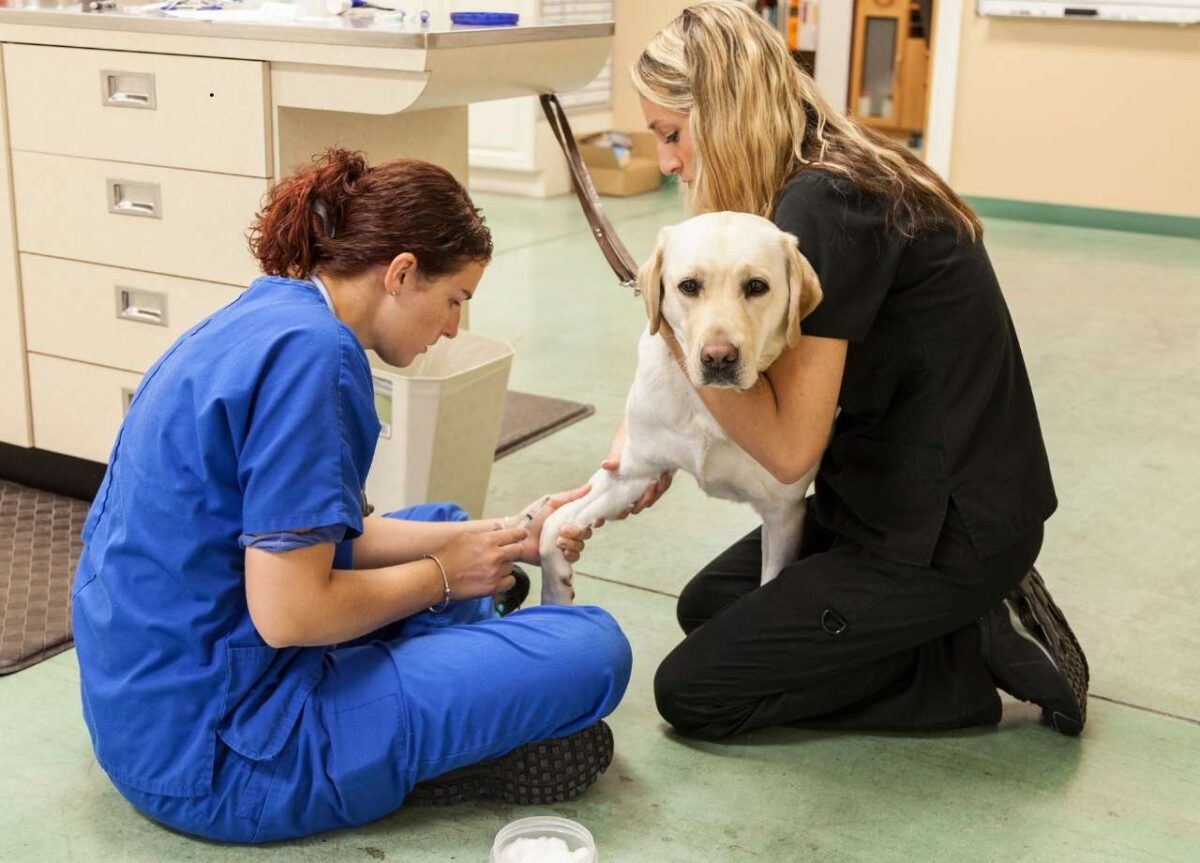
Image Source: metrovetclinic.com
The Immediate Post-Operative Period: What to Expect
Right after surgery, your dog will likely be groggy from anesthesia and pain medication. They will be in a kennel at the veterinary clinic, where they will be closely monitored by the veterinary team. Post-surgery dog care begins immediately.
Initial Comfort and Monitoring
- Pain Management: Your dog will be on strong pain medication. It’s essential to follow your vet’s instructions precisely for administering these medications at home. Signs of pain can include panting, whining, reluctance to move, and guarding the injured limb.
- Monitoring Vital Signs: Veterinary staff will monitor your dog’s heart rate, breathing, and temperature.
- Wound Assessment: The surgical site will be checked for swelling, redness, or discharge.
Discharge Instructions
When your dog is ready to go home, your veterinarian will provide detailed discharge instructions. These are vital and should be followed to the letter. They will cover:
- Medication schedule (pain relievers, antibiotics).
- Wound care.
- Activity restrictions.
- Dietary recommendations.
- Follow-up appointment schedules.
- Signs of complications to watch for.
Restricted Activity for Dogs: The Cornerstone of Recovery
Perhaps the most challenging, yet most important, aspect of dog fracture recovery is strictly limiting your dog’s activity. Allowing too much movement too soon can disrupt the surgical repair, delay canine bone healing, or even cause re-injury.
Crate Rest and Confinement
- Crate Rest: A crate is an invaluable tool for confining your dog. It should be large enough for them to stand up, turn around, and lie down comfortably, but not so large that they can engage in strenuous activities like running or jumping.
- Leash Walks: Potty breaks should be short, controlled leash walks only. Keep these to a minimum and avoid stairs or slippery surfaces.
- No Roughhousing: Absolutely no playing with other dogs, no jumping on furniture, and no excessive greeting of visitors.
Managing Energy and Boredom
Confining your dog can lead to boredom and frustration. Here are some ways to keep them mentally stimulated:
- Puzzle Feeders: Use food puzzles or treat-dispensing toys to engage their minds.
- Gentle Grooming: Regular, gentle brushing can be calming.
- Low-Impact Interaction: Quiet petting and soft-voiced praise can be reassuring.
- Chew Toys: Offer safe, durable chew toys that don’t encourage excessive chewing or movement.
Dog Cast Care and Dog Splint Care: Keeping the Support System Clean and Dry
Whether your dog has a cast or a splint, proper care is essential to prevent skin irritation, infection, and damage to the cast or splint itself.
Maintaining Dryness
- Waterproof Covers: When going outside for potty breaks, use waterproof covers specifically designed for casts or splints. These can be purchased from pet supply stores or your vet clinic.
- Avoid Baths: Until your vet advises otherwise, do not bathe your dog. If you need to clean them, use a damp cloth and dry thoroughly.
- Check for Wetness: Regularly check the edges of the cast or splint for any signs of dampness. If it gets wet, contact your vet immediately.
Preventing Irritation and Infection
- Monitor the Skin: Gently check the skin around the edges of the cast or splint for redness, swelling, chafing, or discharge.
- No Foreign Objects: Never allow your dog to chew on or dislodge the cast or splint. Do not poke anything down into the cast or splint to relieve itching, as this can cause severe damage and infection.
- Prevent Chewing: If your dog is constantly trying to chew at the cast or splint, discuss options with your vet, which may include an Elizabethan collar (cone).
Dog Wound Care After Surgery: The Incision Site
The surgical incision is a critical area that needs careful attention.
What to Look For
- Mild Swelling and Redness: Some mild swelling and redness around the incision are normal in the first few days.
- Slight Oozing: A small amount of clear or blood-tinged fluid can also be expected initially.
- Signs of Infection: Contact your vet immediately if you notice:
- Increased redness or swelling.
- Pus or foul-smelling discharge.
- The incision opening up.
- Excessive licking or chewing at the incision site.
Keeping the Wound Clean and Dry
- Elizabethan Collar (Cone): This is usually essential to prevent your dog from licking, chewing, or scratching the incision site. Ensure the cone is appropriately sized and fitted.
- Cleaning: Follow your veterinarian’s specific instructions for cleaning the wound. Some vets recommend gentle cleaning with antiseptic solutions, while others prefer to leave it dry. Never use harsh chemicals or rubbing alcohol.
- Protective Bandaging: If a protective bandage is applied over the incision, monitor it for tightness, wetness, or discharge.
Dog Pain Management Post-Op: Ensuring Comfort
Managing pain effectively is crucial for your dog’s well-being and recovery.
Medications
- Follow the Schedule: Administer all prescribed pain medications exactly as directed by your veterinarian. Do not skip doses or change the dosage without consulting your vet.
- Combination Therapy: Your vet may prescribe a combination of pain medications, such as NSAIDs (non-steroidal anti-inflammatory drugs) and opioids, to provide comprehensive pain relief.
- When to Contact Your Vet: If you notice signs of inadequate pain relief despite medication (restlessness, vocalization, reluctance to move), contact your vet immediately.
Non-Medication Pain Relief
- Comfortable Environment: Provide a soft, comfortable resting place, away from drafts and excessive noise.
- Gentle Handling: Handle your dog with extreme care, supporting the injured limb whenever possible.
- Cold/Warm Therapy: In some cases, your vet might recommend applying a cold pack (wrapped in a towel) for short periods to reduce swelling in the initial days, or a warm compress later in the recovery to soothe muscles. Always follow your vet’s specific advice.
Dog Mobility Assistance: Helping Your Companion Get Around
Mobility can be significantly impaired after fracture repair. Providing assistance will make your dog more comfortable and help prevent further injury.
Aids for Movement
- Slings and Harnesses: For hind limb fractures, a supportive sling or a rear-end harness can provide crucial support when walking for potty breaks. These help lift the hindquarters, reducing weight-bearing on the injured leg.
- Ramps: If your dog is used to jumping on furniture, ramps can provide a safe way for them to access their favorite spots without putting stress on the healing bone.
- Assisted Stairs: If you must navigate stairs, carry your dog if possible, or use a sling to support them on each step.
Physical Therapy and Rehabilitation
Once your vet gives the go-ahead, dog physiotherapy after fracture can significantly speed up recovery and restore function.
Types of Physical Therapy
- Passive Range of Motion (PROM): Gentle manipulation of the limb by a therapist to maintain joint flexibility and prevent stiffness.
- Active Range of Motion (AROM): Exercises that encourage your dog to move their limb themselves, such as walking over low obstacles or gentle leash walks.
- Strengthening Exercises: Gradually increasing the intensity of exercises to rebuild muscle mass that may have atrophied during rest.
- Balance and Proprioception Exercises: Activities designed to improve your dog’s awareness of their limb’s position in space, which is vital for coordinated movement.
- Hydrotherapy: Underwater treadmill or swimming can be excellent for building strength and endurance with reduced impact on the joints.
When to Start Physiotherapy
Your veterinarian will determine the appropriate time to begin physiotherapy, usually after the initial critical healing phase. They might refer you to a certified canine rehabilitation therapist.
Nutrition and Hydration
Proper nutrition is vital for canine bone healing.
- High-Quality Diet: Feed a balanced, high-quality diet recommended by your veterinarian. Some orthopedic diets are formulated to support bone health.
- Appetite: Ensure your dog is eating and drinking. If their appetite is poor, contact your vet. They may need to adjust pain medication or offer appetite stimulants.
- Hydration: Always ensure fresh water is available.
Follow-Up Appointments
Regular follow-up appointments with your veterinarian are critical.
- X-rays: Your vet will likely take follow-up X-rays to monitor the progress of canine bone healing and assess the stability of the repair.
- Cast/Splint Checks: These appointments are also for checking the cast or splint and the underlying skin.
- Timeline: Adherence to the recommended follow-up schedule allows your vet to make any necessary adjustments to the treatment plan.
Long-Term Recovery and Returning to Normalcy
The recovery timeline for a dog fracture can vary significantly depending on the type of fracture, the bone involved, the dog’s age and overall health, and the surgical repair. Generally, significant healing takes 8-12 weeks, but full return to normal activity can take longer.
Gradual Return to Activity
- Vet Approval: Never rush back into full activity. Your veterinarian will guide you on when and how to gradually increase your dog’s exercise level.
- Observation: Watch your dog closely for any signs of lameness or discomfort during activity. If you see any, reduce the intensity and consult your vet.
Potential Complications to Watch For
While the goal is a smooth recovery, it’s important to be aware of potential complications:
- Infection: At the surgical site or within the bone.
- Implant Failure: If screws, plates, or pins loosen or break.
- Non-Union or Delayed Union: The bone fails to heal properly or takes an unusually long time to heal.
- Malunion: The bone heals in an abnormal position.
- Cast/Splint Complications: Pressure sores, swelling below the cast, or irritation.
- Muscle Atrophy: Loss of muscle mass due to disuse.
Table 1: Signs of Complications and When to Contact Your Vet
| Sign of Complication | Action to Take |
|---|---|
| Persistent or worsening lameness/pain | Contact your vet immediately. |
| Swelling, redness, heat, or foul discharge from incision | Contact your vet immediately. |
| Excessive licking/chewing at incision or cast/splint | Ensure cone is fitted properly; contact your vet if persistent. |
| Wetness or foul odor from cast/splint | Contact your vet immediately. |
| Swelling below the cast/splint | Contact your vet immediately. |
| Loss of appetite or lethargy | Contact your vet if it persists for more than 24 hours. |
| Vomiting or diarrhea | Contact your vet if persistent or severe. |
| Inability to urinate or defecate | Contact your vet immediately. |
| Any signs of distress or discomfort | Contact your vet immediately. |
Frequently Asked Questions (FAQ)
Q1: How long will my dog be on pain medication?
A1: The duration of pain medication depends on the individual dog and the severity of the fracture. Typically, dogs will be on pain medication for at least 1-2 weeks post-surgery, but this can extend based on their comfort level and the vet’s assessment.
Q2: Can my dog go outside to potty?
A2: Yes, short, controlled leash walks for potty breaks are essential. Ensure the injured limb is protected from moisture and impact.
Q3: How often should I check the cast/splint?
A3: You should check the cast or splint at least twice a day for any signs of damage, wetness, or the development of sores around the edges.
Q4: My dog is itching under the cast/splint. What should I do?
A4: Itching can be very distressing. Ensure your dog is not chewing at the cast. Never insert anything into the cast to scratch. Contact your vet; they may have solutions or recommend a different approach.
Q5: When can my dog resume normal activity and exercise?
A5: This is highly variable and depends on the healing progress confirmed by X-rays. It typically takes 8-12 weeks for substantial bone healing, and a full return to normal activity can take several months. Always follow your veterinarian’s guidance.
Q6: What is the role of physiotherapy in recovery?
A6: Physiotherapy helps restore muscle mass, joint mobility, and balance, significantly improving the speed and quality of recovery. It’s a crucial component of a comprehensive dog fracture recovery plan.
Q7: What are the most important aspects of post-surgery dog care?
A7: The most critical aspects are strict activity restriction, diligent dog cast care or dog splint care, proper dog wound care after surgery, and consistent dog pain management post-op.
Q8: How can I help my dog cope with crate rest?
A8: Provide mental stimulation with puzzle toys, offer safe chew toys, and ensure they have a comfortable resting spot. Gentle interaction and reassurance are also beneficial.
By diligently following your veterinarian’s advice and implementing these care strategies, you can greatly contribute to your dog’s successful dog fracture recovery and help them return to a happy, active life.