
Can you tell if your dog is cold? Yes, you absolutely can! Dogs, like people, have ways of showing when they’re not comfortable in cold temperatures. Recognizing these signs is crucial for their health and happiness, especially when dogs and cold weather are a concern. This guide will help you spot the indicators of a chilly canine and provide practical tips for keeping your furry friend warm and safe.
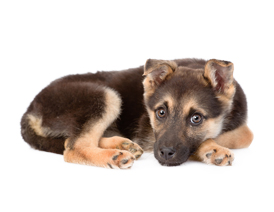
Image Source: www.greencrossvets.com.au
Recognizing the Signals of a Cold Canine
Dogs, despite their fur coats, are not immune to the effects of cold weather. Different breeds have varying tolerances to temperature, and understanding your individual dog’s cues is key. A shivering dog is perhaps the most obvious sign, but it’s not the only one. There are subtle and not-so-subtle indicators that your dog is feeling the chill.
Subtle Indicators of Discomfort
Sometimes, your dog won’t be overtly shivering, but they might still be uncomfortable. Look out for these less obvious signs:
- Whining or whimpering: A change in vocalization can signal distress, including discomfort from cold.
- Restlessness: A dog that can’t seem to get comfortable, pacing or shifting frequently, might be trying to generate warmth or find a warmer spot.
- Seeking warmth: This is a very direct indicator. If your dog is suddenly trying to burrow under blankets, snuggle closer to you than usual, or is drawn to heat sources like vents or fireplaces, they might be cold.
- Reluctance to go outside: Even normally enthusiastic outdoor dogs might hesitate or try to turn back quickly if the weather is too cold for them.
- Lifting paws: If your dog is lifting one paw after another, it suggests their paws are cold and they’re trying to minimize contact with the icy ground. This is a clear sign your dog paw cold.
Overt Signs of a Cold Dog
When your dog is significantly affected by the cold, the signs become more apparent. These require immediate attention to prevent serious health issues.
- Shivering and Trembling: As mentioned, this is a primary sign. Shivering is the body’s involuntary way of generating heat. While a little shiver might be acceptable in mild chill, persistent or violent shivering is a concern. A shivering dog needs to be brought inside and warmed up.
- Lethargy and Sluggishness: A dog feeling cold might become unusually tired or slow. This dog lethargy cold can be a sign that their body is working hard to maintain core temperature, diverting energy from normal activities.
- Huddled posture: Your dog might tuck their tail between their legs, curl into a tight ball, and try to make themselves as small as possible to conserve heat.
- Stiff movement: Cold muscles can become stiff, making movement uncomfortable. If your dog seems to be walking stiffly or with difficulty, it could be due to the cold.
- Cold ears and nose: While a dog’s nose is often cool, if it feels unusually cold to the touch, it could be an indicator of poor circulation due to cold exposure. The same applies to their ears.
Why Dogs Get Cold: Factors to Consider
Not all dogs are equally susceptible to the cold. Several factors influence how well a dog can regulate their body temperature in cold weather.
Breed and Coat Type
- Double-coated breeds: Dogs with thick, double coats (like Huskies, German Shepherds, and Samoyeds) are generally more resistant to cold. Their dense undercoat provides excellent insulation.
- Single-coated breeds: Breeds with thin, short, or single coats (like Greyhounds, Whippets, and Pugs) have much less natural protection against the cold and are more prone to getting cold.
- Hairless breeds: Obviously, breeds like the Mexican Hairless Dog (Xoloitzcuintli) and the Chinese Crested Dog have very little to no fur and require significant protection in cold weather.
- Size: Smaller dogs generally have a larger surface area to volume ratio, meaning they lose heat more quickly than larger dogs.
Age and Health Status
- Puppies and senior dogs: Young puppies and older dogs have less efficient thermoregulation systems. Puppies haven’t fully developed their ability to control body temperature, and senior dogs may have underlying health conditions that make them more vulnerable to the cold.
- Illness and injury: Dogs with certain medical conditions, such as hypothyroidism, heart disease, or diabetes, may have a harder time staying warm. Dogs that are recovering from illness or injury might also be more sensitive to cold.
- Body fat: Dogs with a healthy layer of body fat have better insulation than very lean dogs.
Acclimation and Activity Level
- Acclimation: Dogs that are gradually exposed to colder temperatures over time will adapt and build up some tolerance. Dogs that are always kept indoors will be much more sensitive to outdoor cold.
- Activity: Active dogs generate more body heat through exercise. A dog running and playing will likely stay warmer than a dog standing still in the cold. However, even active dogs can get too cold if the exposure is prolonged or the temperature is extreme.
When is it Too Cold for Your Dog?
There isn’t a universal temperature that is too cold for all dogs. It depends heavily on the factors mentioned above. However, some general guidelines can help:
- Above freezing (32°F / 0°C): Most dogs can tolerate this temperature for short periods, especially if they have a decent coat.
- Below freezing (32°F / 0°C): Many dogs will start to feel the cold. Shivering might occur.
- 10-20°F (-12°C to -7°C): This is considered cold for most dogs. Short outings are generally okay for acclimatized dogs, but prolonged exposure is risky. Short-coated or small breeds should be protected.
- 0-10°F (-18°C to -12°C): This is very cold. Only the hardiest breeds should be out for more than a few minutes. Even then, protective gear might be necessary.
- Below 0°F (-18°C): This is dangerous for nearly all dogs, regardless of breed. Hypothermia and frostbite are serious risks.
Important Note: Wind chill can make it feel significantly colder. A dog’s tolerance will be much lower on a windy day.
Signs of Hypothermia and Frostbite in Dogs
These are serious medical emergencies that can be fatal. Recognizing the dog hypothermia symptoms and signs of frostbite is crucial for prompt veterinary care.
Hypothermia Symptoms
Hypothermia occurs when a dog’s body temperature drops dangerously low. Signs include:
- Intense shivering: Initially, shivering might be strong, but as hypothermia progresses, the shivering may stop as the body loses its ability to generate heat.
- Lethargy and weakness: The dog will become very sluggish, uncoordinated, and may collapse.
- Stiff muscles: Muscles can become rigid.
- Pale gums: Gums may appear pale or bluish.
- Slowed heart rate and breathing: Breathing may become shallow, and the pulse weak.
- Dilated pupils: The dog’s pupils might be large.
- Coma: In severe cases, the dog may lose consciousness.
Frostbite Signs
Frostbite occurs when body tissues freeze, most commonly affecting extremities like the ears, tail, paws, and nose.
- Discolored skin: Affected areas may appear pale, grey, or even black.
- Swelling: The tissue may become swollen.
- Blisters: Fluid-filled blisters can form on the skin.
- Pain: The dog may cry out or react painfully if the affected area is touched.
- Hardness and coldness: The affected area will feel very cold and hard to the touch.
- Dullness or loss of sensation: The dog may not react to touch in the frostbitten area.
- Darkening and sloughing of tissue: In severe cases, the tissue may die and slough off.
It’s vital to remember that dogs getting frostbite can happen even in seemingly mild cold if paws are exposed to ice or salt for too long.
How to Keep Your Dog Warm: Practical Tips
When temperatures drop, proactive measures are essential to ensure your dog’s comfort and safety. Effective strategies focus on preparation, protection, and monitoring.
Providing Adequate Shelter
- Indoor comfort: The best way to keep your dog warm is to bring them inside. Ensure your home is adequately heated.
- Outdoor shelter: If your dog must spend time outdoors, they need a well-insulated, dry shelter that is off the ground and out of the wind. The entrance should face away from prevailing winds. Bedding should be dry and thick, like straw, which insulates better than blankets when damp. Check the shelter regularly to ensure it remains dry.
- Avoid cold surfaces: Don’t let your dog lie directly on cold floors or concrete. Provide elevated beds or thick, insulated mats.
Protective Gear for Dogs
For some dogs, especially those with thin coats, age, or health issues, outdoor excursions in cold weather require additional protection.
- Dog Coats and Sweaters: A well-fitting coat or sweater can significantly help retain body heat. Ensure it covers the dog’s back and belly. Some breeds, like short-haired dogs, absolutely dog needs coat.
- Dog Booties: These protect paws from ice, snow, salt, and freezing temperatures. It’s crucial to introduce booties gradually so your dog gets used to them. Always check paws for dryness and irritation after use.
- Paw Balm: Applying a pet-safe paw balm before going out can create a protective barrier against harsh elements and prevent cracking.
Diet and Hydration
- Increased caloric intake: Dogs may burn more calories in cold weather to stay warm. Consult your veterinarian about increasing your dog’s food portions slightly during winter, especially for active dogs spending significant time outdoors.
- Fresh, non-frozen water: Ensure your dog always has access to fresh, unfrozen water. In extremely cold conditions, heated water bowls might be necessary for outdoor dogs.
Limiting Outdoor Exposure
- Shorter outings: Reduce the duration of walks and outdoor play.
- Avoid peak cold times: If possible, schedule outdoor activities for the warmest part of the day.
- Supervise closely: Always supervise your dog when they are outside in cold weather and watch for any signs of discomfort or distress.
- Be mindful of ice and salt: Ice can cause cuts and frostbite on paws. Road salt and ice melt products can be toxic if ingested and can irritate or burn paws. Rinse your dog’s paws with warm water and dry them thoroughly after walks.
Indoor Enrichment
When outdoor activities are limited due to cold, provide plenty of indoor mental and physical stimulation to prevent boredom and maintain your dog’s well-being.
- Interactive toys: Puzzle toys, treat balls, and chew toys can keep your dog engaged.
- Training sessions: Short, fun training sessions can provide mental exercise.
- Indoor games: Games like hide-and-seek with toys or treats can be enjoyable.
Special Considerations for Different Dog Types
Small Dogs and Toy Breeds
These dogs have a harder time retaining heat due to their size. They are more susceptible to cold and will likely benefit from sweaters or coats even in moderately cold temperatures. Their paws are also more sensitive to cold surfaces.
Short-Coated and Hairless Breeds
Breeds like Greyhounds, Whippets, Boxers, Pugs, and hairless varieties have minimal insulation. They are highly prone to getting cold and should be protected with coats and booties whenever they go outside in cold weather.
Dogs with Medical Conditions
Dogs with arthritis, heart conditions, or other chronic illnesses may be more sensitive to cold. Their bodies might struggle to maintain warmth, and they could experience increased pain or discomfort. Consult your veterinarian for specific advice on managing their health in winter.
Puppies and Senior Dogs
Young puppies and older dogs have less efficient thermoregulation. Puppies can’t control their body temperature well, and seniors may have compromised immune systems or slower metabolisms. Keep them indoors as much as possible and provide warm, comfortable bedding.
What to Do If You Suspect Your Dog is Too Cold
If you observe any of the signs that your dog is cold or suspect they are developing hypothermia, take immediate action:
- Bring your dog inside immediately. Get them out of the cold environment.
- Warm them up gradually. Do not use extremely hot water or heating pads, as this can cause burns or shock. Wrap them in dry, warm blankets. You can place a warm (not hot) water bottle wrapped in a towel near their body.
- Offer warm fluids. If your dog is conscious and able to swallow, offer them warm (not hot) water or broth.
- Monitor closely. Keep a close eye on their breathing, heart rate, and overall demeanor.
- Contact your veterinarian. Even if your dog seems to recover, it’s important to call your vet to report the incident. They can advise you on whether a veterinary visit is necessary to check for any internal damage or complications. This is especially critical if you suspect dog hypothermia symptoms are present.
Frequently Asked Questions (FAQ)
Q1: How do I know if my dog’s paws are too cold?
A: If your dog lifts its paws alternately, hesitates to walk, or you notice discoloration (pale, grey, or bluish) on their paw pads or between their toes, their paws are likely too cold. You might also feel that their paws are unusually cold to the touch.
Q2: Can my dog sleep outside in winter?
A: Generally, it is not recommended for most dogs to sleep outside in winter, especially in colder climates. While some breeds with very thick coats might tolerate it for short periods in milder winter conditions, they still need a properly insulated and draft-free shelter. Indoor sleeping is always the safest and warmest option.
Q3: My dog is shivering at night. What should I do?
A: A dog shivering at night indoors could be due to the room being too cold. Ensure their sleeping area is warm and draft-free. Provide extra bedding. If the shivering is persistent, severe, or accompanied by other symptoms like lethargy, it’s best to consult your veterinarian, as it could indicate an underlying health issue or that they are simply too cold.
Q4: How often should I walk my dog in cold weather?
A: In cold weather, it’s usually best to shorten walks and reduce their frequency. Aim for shorter potty breaks and less strenuous exercise. Always monitor your dog for signs of cold and be prepared to go inside if they seem uncomfortable.
Q5: Is it okay to leave my dog in the car during winter?
A: No, never leave your dog unattended in a car during winter. Cars can quickly become as cold as the outside temperature, and dogs can lose body heat rapidly, leading to hypothermia or frostbite.
By paying close attention to your dog’s behavior and understanding the factors that influence their tolerance to cold, you can ensure they remain happy, healthy, and warm throughout the winter months. Remember, a proactive approach to keeping dog warm is always the best strategy.