
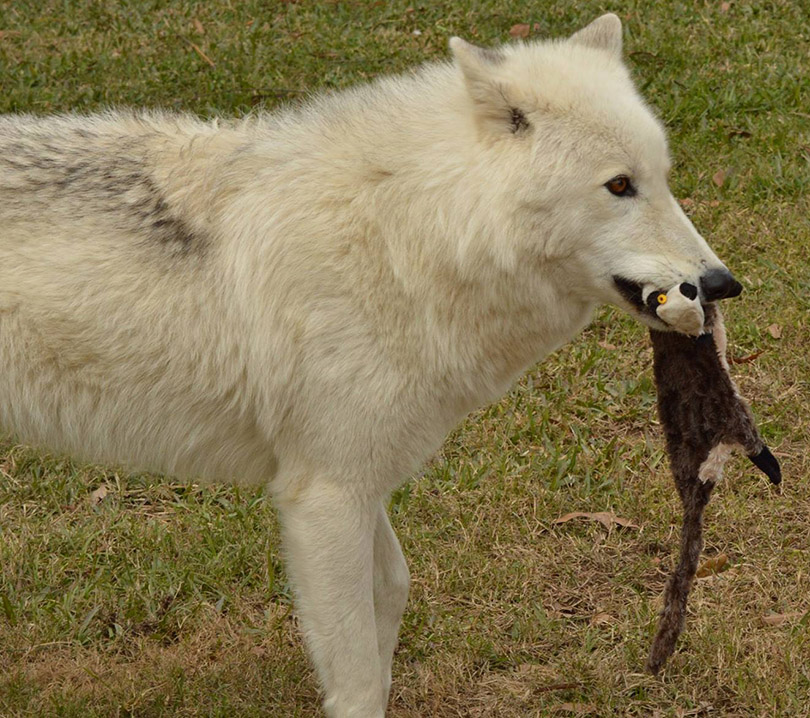
Image Source: texaswolfdogproject.org
How Much Is A Wolf Dog? Price Guide & Real Costs Explained
So, you’re curious about the price of a wolf dog? The initial purchase price of a wolf dog can vary significantly, ranging from a few hundred dollars for a low-content hybrid to several thousand dollars for a high-content or pure wolf hybrid. However, this upfront cost is just the tip of the iceberg when it comes to the true financial commitment involved.
Deciphering Wolfdog Pricing: More Than Just a Number
When people ask “how much is a wolf dog?”, they are often looking for a simple dollar figure. However, the reality is far more complex. The wolfdog cost is influenced by a multitude of factors, making a single, definitive answer impossible. Understanding these factors is crucial for anyone considering bringing one of these unique animals into their lives.
What Determines Wolfdog Prices?
Several key elements contribute to the overall wolf hybrid price:
- Percentage of Wolf Content: This is arguably the most significant factor. Wolfdogs are categorized by their percentage of wolf ancestry.
- Low Content (e.g., 1%-25% wolf): These individuals often exhibit more dog-like traits in appearance and temperament. They are generally easier to manage and are more commonly found.
- Mid Content (e.g., 26%-74% wolf): These wolfdogs display a blend of wolf and dog characteristics. Their behavior can be more unpredictable and demanding.
- High Content (e.g., 75%-99% wolf): These animals retain many wolf-like traits and instincts. They require highly specialized care, environments, and experienced owners.
- Pure Wolf (100% wolf): While technically not a “wolfdog,” pure wolves are sometimes kept as exotic pets, though this is often illegal and highly inadvisable.
The wolfdog prices by percentage wolf generally increase as the wolf content rises, reflecting the rarity and specialized needs of higher-content animals.
- Genetics and Lineage: Just like purebred dogs, wolfdogs from reputable breeders with proven lines (healthy, good temperament, desirable traits) will command higher prices. The health and temperament of the parents play a crucial role.
- Breeder Reputation and Ethics: Responsible breeders invest significant time, resources, and knowledge into their animals. They prioritize health testing, genetic diversity, and ethical breeding practices. Their wolf dog breeder prices will reflect this commitment. Beware of backyard breeders or those who cannot provide proper documentation or answer your questions thoroughly.
- Age of the Wolfdog: Puppies are typically the most expensive. As a wolfdog ages, the price may decrease, but this doesn’t necessarily mean they are a “better deal.” Older animals may have existing behavioral or health issues.
- Location and Availability: The geographical location of the breeder and the demand in that area can influence prices. In regions where wolfdogs are more common and accepted, prices might be more standardized.
- Documentation and Health Guarantees: Reputable breeders will provide health clearances for common genetic conditions, vaccination records, and potentially a limited health guarantee. These assurances add to the initial cost.
The Wolfdog Adoption Fee: An Alternative Path
For many considering a wolfdog, wolfdog adoption fee is a more accessible and ethical route. Shelters, rescues, and private individuals sometimes have wolfdogs or wolf hybrids needing rehoming. Adoption fees are typically much lower than purchasing from a breeder.
- What Adoption Fees Cover: These fees usually go towards the care, feeding, veterinary expenses, and rehabilitation of the animal before it’s placed in a new home.
- The Importance of Thorough Screening: Rescues and shelters are meticulous in screening potential adopters for wolfdogs. They want to ensure these animals go to knowledgeable and prepared homes. Be prepared for an extensive application process, home visits, and interviews.
The Wolfdog Price Range: What to Expect
The wolfdog price range can be quite broad. Based on general observations and breeder information, here’s a rough guide:
| Wolf Content Percentage | Estimated Purchase Price | Notes |
|---|---|---|
| Low Content (1-25%) | $300 – $1,500 | More common, often easier to manage, may resemble larger dogs with wolf-like features. |
| Mid Content (26-74%) | $1,000 – $3,000+ | Can be challenging, exhibit more pronounced wolf behaviors, require experienced owners, potentially higher legal restrictions. |
| High Content (75%-99%) | $2,000 – $5,000+ | Very demanding, strong wolf instincts, require extensive socialization and specialized environments, legal restrictions are often severe. |
| “Wolf Dog” (Undetermined) | $500 – $2,000 | Often from private sales or questionable sources, content percentage may be unknown, carry higher risks due to lack of proper breeding and documentation. |
| Wolfdog Adoption Fee | $100 – $800 | Varies greatly by rescue organization, age, health, and content of the animal. Usually includes basic vet care and spay/neuter. |
Important Caveat: These are estimates. Individual wolfdog pricing can fall outside these ranges based on the specific factors mentioned earlier. Buying a wolf dog should never be a decision based solely on price.
The True Cost of Owning a Wolf Dog: Beyond the Purchase Price
This is where many potential wolfdog owners underestimate the commitment. The cost of owning a wolf dog is substantial and ongoing. It involves much more than just the initial acquisition.
Food and Nutrition
Wolfdogs, particularly higher content ones, often have specialized dietary needs.
- High-Quality Protein: Their metabolism and digestive systems are geared towards raw protein. A diet consisting of whole prey or high-quality raw food (meat, organs, bone) is often recommended.
- Quantity: Wolfdogs can eat a significant amount. You’ll need to factor in the cost of purchasing large quantities of raw meat or specialized kibble. This can easily amount to several hundred dollars per month, depending on the dog’s size and diet.
- Supplements: Depending on their diet, they may require specific supplements for vitamins and minerals.
Veterinary Care
Finding a veterinarian experienced with wolfdogs can be challenging and expensive.
- Specialized Knowledge: Many conventional vets are not equipped to handle the unique health concerns and anesthetic protocols for wolfdogs. You may need to find a specialist or an exotic animal vet.
- Routine Check-ups and Vaccinations: While standard, these costs can be higher if you need to travel to a specialized vet.
- Emergencies: Wolfdogs can be prone to certain genetic health issues. Emergency care can be extremely costly. Pet insurance for wolfdogs is often difficult to obtain or very expensive, with many providers excluding them due to their “wild” nature.
Housing and Containment
This is a critical and often overlooked expense. Wolfdogs are intelligent, strong, and have powerful escape instincts.
- Extensive and Secure Fencing: Standard dog fences are often inadequate. You’ll need high, sturdy fencing (often 6-8 feet or higher, potentially with overhangs) made of strong materials like welded wire. The entire perimeter needs to be secure, with no gaps or weak points. This can cost thousands of dollars to install.
- Enrichment: Wolfdogs require mental stimulation and a safe space. This might include large enclosures, dig pits, climbing structures, and a variety of chew toys.
- Indoor Housing: While they may spend time outdoors, you’ll need to consider how to safely house them indoors, especially during training or when you cannot supervise them. This might involve specific areas or crates designed for larger, stronger animals.
Training and Socialization
Proper training and socialization are paramount for wolfdogs, especially to manage their wild instincts and prevent behavioral issues.
- Experienced Trainers: You’ll need a trainer experienced with wolfdogs or highly instinctual animals. Their rates are typically higher than those for standard dog trainers.
- Time Commitment: Early and consistent socialization is crucial. This means exposing them to various sights, sounds, people, and other animals in a controlled and positive manner from a young age. This is a time-intensive process.
- Specialized Equipment: You may need specialized leashes, harnesses, and training aids designed for strong, active animals.
Legal and Permitting Costs
This is a significant factor that varies by location.
- Legality: Owning a wolfdog is illegal or heavily regulated in many states, counties, and cities. Before even considering buying a wolf dog, you must research your local laws thoroughly.
- Permits and Licenses: If owning a wolfdog is permitted, you will likely need to obtain permits and licenses, which come with fees and specific requirements.
- Insurance: Some areas may require specific liability insurance for wolfdog owners.
Other Potential Costs
- Behavioral Modification: If behavioral issues arise due to improper socialization or genetics, you may need to invest in professional behavioral consultations, which can be expensive.
- Boarding: Finding suitable boarding for a wolfdog can be difficult and costly, as not all kennels will accept them.
- Replacement of Damaged Items: Wolfdogs can be destructive if bored or under-stimulated. Be prepared for the possibility of replacing chewed furniture, damaged doors, or dug-up yards.
Fostering a Responsible Approach to Wolfdog Ownership
Given the significant costs and responsibilities, it’s vital to approach buying a wolf dog or adopting one with extreme caution and thorough preparation.
Research is Paramount
- Educate Yourself: Read books, join reputable wolfdog forums and social media groups, and speak to experienced owners and rescue organizations.
- Understand the Breed (or Hybrid): Recognize that wolfdogs are not domesticated dogs in the traditional sense. They retain many wolf-like instincts, including high prey drive, territoriality, strong flight responses, and a need for social structure.
- Assess Your Lifestyle: Honestly evaluate if your lifestyle, living situation, and experience level are compatible with owning a wolfdog. Do you have the time, financial resources, and dedication required?
Choosing a Breeder or Rescue
- Reputable Breeders: Look for breeders who are transparent about their animals’ lineage, health testing, and provide references. They should be willing to answer all your questions and may even have a screening process for potential buyers.
- Ethical Rescues: Support established wolfdog rescues and shelters. They are often the best source of information and can help match you with an animal that suits your capabilities. Remember, a wolfdog adoption fee is an investment in the animal’s future.
Preparing Your Home and Family
- Secure Your Property: Invest in appropriate fencing and ensure your home is safe and secure.
- Family Agreement: Ensure everyone in the household is on board and understands the commitment and potential challenges.
- Emergency Preparedness: Have a plan in place for emergencies, including a trusted veterinarian and potentially a backup caregiver experienced with wolfdogs.
Common Misconceptions About Wolfdog Costs
- “They’re just like big dogs.” This is a dangerous misconception. Their needs and behaviors are significantly different.
- “Once I buy it, the cost is over.” The purchase price is the smallest part of the financial commitment.
- “I can just get one from anywhere.” Unethical breeders or impulsive purchases often lead to animals ending up in rescues or facing euthanasia due to behavioral or legal issues.
FAQs About Wolfdog Costs
Q: Is it legal to own a wolfdog?
A: Legality varies drastically by location. Many states, counties, and cities have outright bans or strict regulations. You must research your local laws before acquiring a wolfdog.
Q: Can I get a wolfdog for free?
A: While not impossible, finding a wolfdog for free is rare, especially from reputable sources. Ethical breeders and rescues invest significant resources into their animals, and adoption fees cover these costs. Be wary of anyone offering a wolfdog for free, as it might indicate a lack of proper care or an unethical source.
Q: Are wolfdogs expensive to insure?
A: Most standard pet insurance companies do not cover wolfdogs due to their classification as exotic or wild animals. If you can find coverage, it will likely be very expensive and have numerous exclusions.
Q: What are the ongoing monthly costs of owning a wolfdog?
A: This can vary widely, but you should budget at least $200-$600+ per month for food, veterinary care fund, enrichment, and potential training, not including unexpected expenses or major enclosure repairs.
Q: What are the biggest financial risks of owning a wolfdog?
A: The biggest risks include the cost of specialized veterinary care for health issues, extensive enclosure repairs or upgrades, legal fees if you violate local ordinances, and the cost of rehoming or rehabilitation if you cannot manage their behavior.
In conclusion, the question of “how much is a wolf dog?” is multifaceted. While the initial purchase or wolfdog adoption fee provides a starting point, the true wolfdog cost lies in the extensive, ongoing commitment to providing a safe, appropriate environment, specialized care, and proper management for these captivating yet demanding animals. Thorough research and a realistic assessment of your capabilities are essential before embarking on this journey.