
Becoming a police dog trainer involves a deep commitment to animal welfare, law enforcement, and specialized training techniques. The path typically requires prior experience in dog training or law enforcement, followed by specialized education and practical experience in police service dog training.
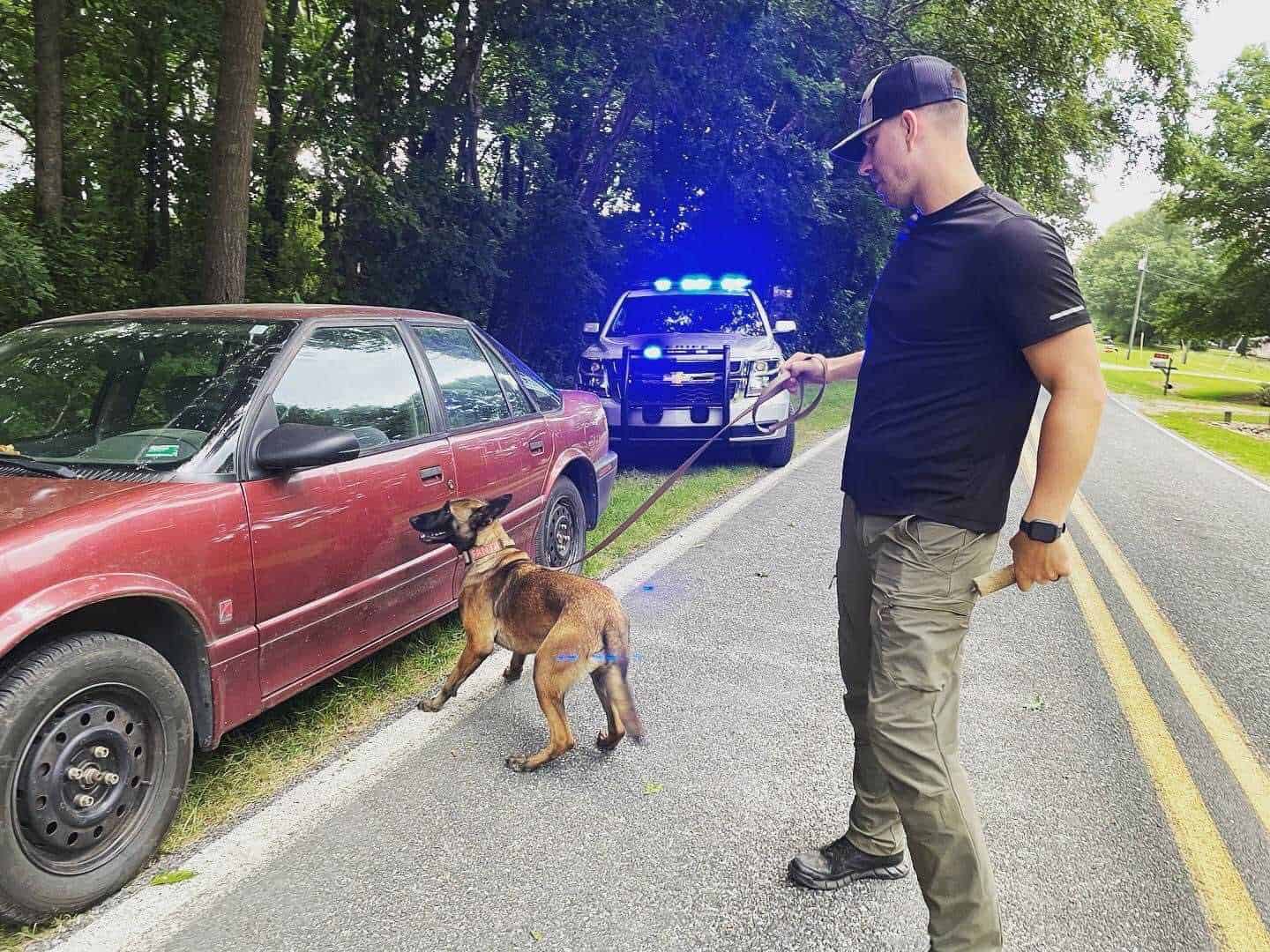
Image Source: internationaldogtrainerschool.com
Embarking on a Rewarding Career: Training Police Dogs
The idea of working with highly skilled canine partners, contributing to public safety, and playing a vital role in law enforcement operations is an attractive career prospect for many. Becoming a dog trainer for the police, often referred to as a police K9 trainer or a police dog handler, is a specialized and demanding but incredibly fulfilling profession. It’s not simply about loving dogs; it’s about understanding canine behavior, mastering advanced training methodologies, and possessing a strong ethical compass aligned with law enforcement principles. This detailed guide will walk you through the essential steps, qualifications, and experiences needed to forge a successful career path in this unique field.
The Foundation: Gaining Experience with Dogs
Before you can even think about training police dogs, you need a solid foundation in general dog training. This is non-negotiable. Law enforcement agencies are looking for individuals who already possess a deep understanding of canine behavior, learning theory, and effective training techniques.
Early Exposure and General Obedience
- Volunteer at Shelters: Animal shelters are fantastic places to gain hands-on experience with a variety of breeds and temperaments. You’ll learn about socialization, basic obedience, and handling dogs under different circumstances.
- Work in Pet Stores or Grooming Salons: These environments offer exposure to different breeds, owner interactions, and the day-to-day care of dogs.
- Assist Experienced Trainers: Seek opportunities to apprentice or assist established professional dog trainers. This is invaluable for learning practical skills and observing different training philosophies.
- Complete Basic and Advanced Obedience Courses: Enroll your own dog (or volunteer dogs) in obedience classes. Mastering basic commands like sit, stay, come, heel, and down is fundamental. Progress to more advanced obedience to showcase your skill.
- Agility and Trick Training: Engaging in activities like agility or teaching complex tricks demonstrates a trainer’s ability to motivate, shape behavior, and build a strong handler-dog bond.
Entry into Law Enforcement: Becoming a Police K9 Officer
While you can become a dedicated police dog trainer without being a sworn officer, many K9 trainers are also active police officers. This dual role provides direct insight into operational needs and allows for a more integrated approach to training.
Becoming a Police K9 Officer: The Initial Steps
-
Meet Basic Law Enforcement Requirements: This is the primary hurdle. You’ll need to:
- Be a U.S. citizen.
- Be at least 21 years old.
- Have a high school diploma or GED.
- Possess a valid driver’s license.
- Pass a background check, including no felony convictions or significant criminal history.
- Pass a physical agility test.
- Pass a written examination.
- Undergo a psychological evaluation.
- Pass a medical examination.
-
Attend a Police Academy: Once accepted into a law enforcement agency (police department, sheriff’s office, etc.), you will attend a police academy. This is rigorous training covering law, procedures, firearms, self-defense, and departmental policies.
-
Gain Patrol Experience: After graduating from the academy, you will typically spend time as a patrol officer. This experience is crucial. It allows you to learn the day-to-day realities of policing, understand community needs, and build a reputation for professionalism and reliability. Most agencies require several years of solid patrol experience before an officer can even be considered for the K9 unit.
Specializing in Police Dog Training: The K9 Path
Once you are a sworn officer with patrol experience, you can then pursue opportunities to join the K9 unit or focus on dedicated police dog training roles.
Police Dog Selection Process: Identifying Potential Canines
The selection of suitable dogs is as critical as the training itself. Not all dogs are cut out for police work. Agencies have specific police dog selection process criteria to ensure the dogs have the right temperament, drive, and physical attributes.
- Temperament: Dogs must be confident, not overly aggressive, fearless, and stable. They should be social but not overly friendly with strangers, and possess a strong prey drive.
- Breed: While many breeds can be trained, German Shepherds, Belgian Malinois, Dutch Shepherds, and Labrador Retrievers are common choices due to their intelligence, trainability, work ethic, and physical capabilities.
- Physical Health: Dogs must be free from genetic defects and have sound physical health, including good hips, elbows, and vision.
- Drive and Motivation: A high level of prey drive (the desire to chase and capture) is essential for bite work and apprehension tasks. A strong desire to work and please the handler is also paramount.
Police Dog Training Schools: Formal Education
While hands-on experience is vital, formal police dog training schools provide structured, standardized education. These schools teach the intricacies of how to train police dogs for various specialized tasks.
- Basic Patrol Dog Training: This covers obedience, agility, tracking, building searches, article detection, and apprehension (bite work).
- Specialized Training: This can include narcotics detection, explosives detection, cadaver detection, and electronic device detection.
- Handler Courses: These courses focus on the symbiotic relationship between the handler and the dog, teaching communication, control, and tactical deployment.
Leading Police Dog Training Schools and Programs often include:
- Federal Bureau of Investigation (FBI) Academy: Known for its rigorous and comprehensive programs.
- Specialized Canine Services: Various private and public institutions offer certifications and training.
- State and Local Agency Programs: Many larger police departments and Sheriff’s offices run their own K9 training programs and academies.
K9 Handler Training: The Partnership
K9 handler training is intensive, focusing on building a strong bond and effective communication between the officer and the dog. This partnership is the cornerstone of a successful K9 unit.
- Building Trust and Rapport: Training emphasizes positive reinforcement and building a relationship based on mutual trust.
- Reading Canine Body Language: Handlers must learn to interpret subtle cues from their dogs, understanding what the dog is communicating.
- Command and Control: Mastering verbal and non-verbal commands to ensure the dog responds reliably under stressful conditions.
- Tactical Deployment: Understanding how to use the K9 effectively and safely in various law enforcement scenarios, such as suspect apprehension, evidence recovery, and search operations.
Military Working Dog Training: A Related Field
The principles of military working dog training share many similarities with police K9 training. Military dogs are trained for detection (explosives, narcotics), patrol, and tracking in combat zones. Experience in this field can be highly transferable. Military working dog training often involves more exposure to harsh environments and a broader range of detection tasks.
Advancing Your Career: Becoming a Dedicated Police Dog Trainer
For those who want to focus solely on training rather than being an active patrol officer, the path involves deepening your expertise and potentially moving into supervisory or instructional roles.
Advanced K9 Training: Beyond the Basics
Once you’ve mastered the fundamentals of police dog training requirements, you’ll want to pursue advanced K9 training. This allows you to train dogs for highly specialized roles and to recertify existing K9 teams.
- Specialized Detection: Training dogs to detect a wider array of substances, including accelerants (arson investigation), currency, or even specific biological materials.
- Cadaver Detection: Training dogs to locate human remains, often in challenging environments.
- Electronic Device Detection: A newer and increasingly important area, training dogs to find hidden electronic devices like cell phones or USB drives.
- Behavioral Modification: Addressing behavioral issues in K9s or working with dogs that have had previous negative experiences.
- Scenario-Based Training: Developing realistic training scenarios that mimic real-world police situations to test and refine the skills of both the dog and the handler.
Police Dog Handler Career: Progression and Roles
A police dog handler career is not static. As you gain experience, you can progress in several ways:
- Senior Handler: Experienced handlers often mentor newer officers.
- Trainer: Some officers become dedicated trainers within their department or for a regional training facility.
- K9 Unit Supervisor: With seniority and proven leadership, you might oversee the entire K9 unit.
- Instructor: Moving into teaching at police academies or specialized K9 training centers.
- Consultant: Experienced trainers may consult for various agencies on K9 program development or specific training needs.
Key Skills and Qualities for a Police Dog Trainer
Beyond technical skills, certain personal attributes are crucial for success in this demanding profession.
Essential Skills:
- Exceptional Dog Handling Skills: Proficiency in various training techniques, including positive reinforcement, operant conditioning, and shaping.
- In-depth Knowledge of Canine Behavior: The ability to read and interpret canine body language, understand motivation, and troubleshoot behavioral issues.
- Patience and Persistence: Training a police dog is a long-term commitment that requires unwavering patience and the ability to overcome setbacks.
- Communication Skills: The ability to clearly communicate instructions to the dog, explain training protocols to handlers, and report effectively to supervisors.
- Problem-Solving Abilities: The capacity to analyze training challenges and devise effective solutions.
- Physical Fitness: The job often requires being physically active, running with dogs, and working in various terrains.
- Strong Ethical Standards: A commitment to the humane treatment of dogs and adherence to departmental policies and ethical guidelines.
- Stress Management: The ability to remain calm and focused in high-pressure situations.
Crucial Qualities:
- Passion for Dogs: A genuine love and respect for canines.
- Dedication: Willingness to commit the time and effort required for intensive training and ongoing development.
- Responsibility: A keen sense of responsibility for the safety and well-being of both the dog and the public.
- Integrity: Honesty and a strong moral compass.
- Adaptability: The ability to adapt training methods to individual dogs and evolving law enforcement needs.
The Journey to Police Dog Training: A Phased Approach
Let’s break down the typical progression into manageable phases.
Phase 1: Building the Foundation (Years 1-5)
- Gain General Dog Training Experience: Volunteer, work, or apprentice with experienced trainers.
- Complete Basic and Advanced Obedience: Train your own dog or work with others.
- Consider Canine Behavior Certifications: Look into certifications from reputable organizations (e.g., CCPDT, IAABC) to formalize your knowledge.
- Research Law Enforcement Agencies: Identify departments that have K9 units and understand their typical hiring processes.
Phase 2: Entering Law Enforcement (Years 3-8)
- Apply to Law Enforcement Agencies: Meet all prerequisites and successfully navigate the hiring process.
- Graduate from Police Academy: Successfully complete all training modules.
- Gain Patrol Experience: Serve as a patrol officer, honing your skills and understanding operational needs. This phase is crucial for demonstrating maturity and reliability.
Phase 3: Specializing in K9 (Years 5-10+)
- Express Interest in K9 Unit: Inform your superiors of your desire to join the K9 program.
- Undergo K9 Selection: Participate in the selection process for both dog and handler.
- Complete K9 Handler Training: Undertake formal training with your assigned canine partner.
- Work as a K9 Handler: Gain practical experience working patrol with your K9.
Phase 4: Becoming a Trainer (Years 7-15+)
- Seek Advanced Training Opportunities: Pursue specialized training courses in areas like detection, tracking, or behavior.
- Mentor Junior Handlers: Share your experience and knowledge with newer K9 teams.
- Volunteer for Training Roles: Take on opportunities to assist in training new dogs or recertifying existing teams.
- Pursue Trainer Certifications: Obtain certifications specifically for police K9 trainers.
- Transition to Dedicated Trainer Role: If available, apply for positions focused solely on training within your department or at a training academy.
The Role of Police Service Dog Certification
Police service dog certification is a vital component of professional K9 programs. It ensures that both the dog and handler meet established standards of proficiency and reliability for specific tasks.
- Standardization: Certifications provide a standardized benchmark for performance.
- Accountability: They offer a documented record of a K9 team’s capabilities.
- Credibility: Certified teams are recognized as having met rigorous training and operational readiness standards.
- Recertification: Most agencies require annual or bi-annual recertification to maintain proficiency.
Frequently Asked Questions (FAQ)
Q1: Do I need to be a police officer to become a police dog trainer?
A: Not necessarily, but it is the most common path. Many dedicated police dog trainers are former law enforcement officers who transition into training roles. Some civilian organizations also train police dogs, but they often require extensive prior experience in law enforcement or professional dog training.
Q2: How long does it take to become a police dog trainer?
A: The timeline can vary significantly. It generally takes several years to meet the prerequisites for becoming a K9 officer (including patrol experience) and then additional years of experience as a handler before one typically transitions into a full-time training role. A rough estimate would be 7-10 years from starting in law enforcement to becoming a dedicated trainer.
Q3: What are the most important traits for a police dog?
A: Key traits include confidence, courage, a strong prey drive, a desire to work, good socialization, and physical soundness. They must be fearless and not easily distracted.
Q4: Can I use my existing dog for police work?
A: While possible, it’s rare. Law enforcement agencies typically select their own dogs through a rigorous police dog selection process. This ensures the dogs meet specific breed, health, and temperament standards required for the demanding nature of police work.
Q5: What kind of training is involved in becoming a K9 handler?
A: K9 handler training is extensive and covers obedience, agility, tracking, scent detection (narcotics, explosives, etc.), building searches, suspect apprehension, and advanced tactical maneuvers. It also focuses heavily on the handler-dog bond and communication.
Q6: What are the career prospects for a police dog trainer?
A: Career prospects include working within a police department’s K9 unit as a trainer, supervising K9 operations, becoming an instructor at a K9 training academy, or consulting for various agencies on K9 program development. Opportunities also exist in federal agencies and specialized private security firms.
Q7: Is there a difference between police dog training and military working dog training?
A: While many core principles overlap, military working dog training often involves a broader range of detection tasks and exposure to more diverse and challenging environments, including combat zones. Police dog training is specifically tailored to the needs of law enforcement and public safety within civilian communities.
Q8: What qualifications are needed to become a certified police dog trainer?
A: Qualifications typically involve extensive experience as a certified K9 handler, completion of advanced police dog training courses, and often specific trainer certification from recognized organizations or governmental bodies. Proven success in training and deploying multiple K9 teams is usually required.
By following these steps, demonstrating dedication, and continuously honing your skills, you can carve out a successful and impactful career as a police dog trainer, contributing significantly to public safety and the effectiveness of law enforcement agencies.