
Can you get dog urine out of a couch? Yes, you absolutely can get dog urine out of a couch, but it requires prompt action and the right cleaning methods. The sooner you address the spot, the higher your chances of complete removal, both of the stain and the lingering odor.
Fido had an accident. It happens to the best of us, and more importantly, to the best of our furry friends. That dreaded yellow puddle on your beloved couch is more than just an unsightly mess; it’s a breeding ground for bacteria and a beacon for future accidents if not dealt with properly. The ammonia in dog urine can be incredibly potent, and if left to soak into upholstery, it can cause permanent yellow stains and a smell that’s hard to shake. But don’t despair! This guide will walk you through effective methods for dog pee stain removal and upholstery odor removal. We’ll cover everything from immediate action steps to deep cleaning and odor neutralization, ensuring your couch is clean, fresh, and inviting once more. Let’s tackle this common pet problem head-on with tried-and-true couch cleaning hacks and the best advice on how to clean dog mess on sofa.
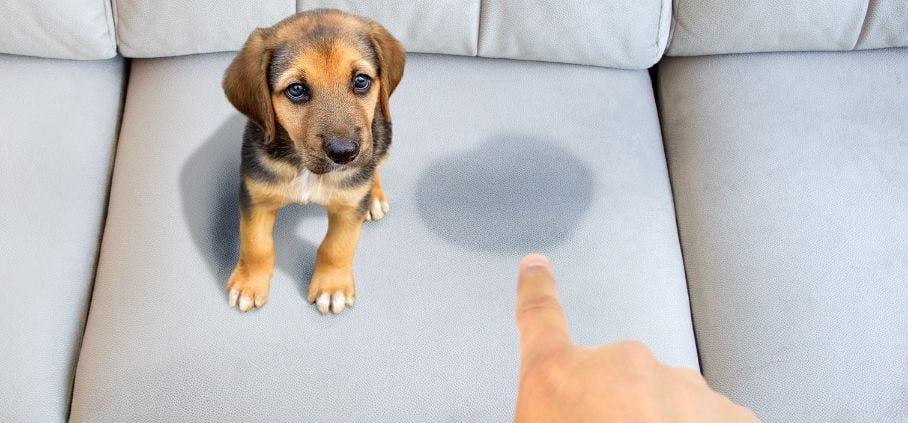
Image Source: fantasticservicesgroup.com.au
Immediate Action: The First Crucial Steps
When you discover a fresh dog pee spot on your couch, acting fast is your biggest ally. The longer the urine sits, the deeper it penetrates the fabric and padding, making removal much more difficult.
1. Act Quickly
The moment you notice the accident, grab some paper towels or clean rags. Don’t rub; instead, blotting dog urine from furniture is key. Apply firm pressure to absorb as much of the liquid as possible. Work from the outside of the stain inward to prevent spreading. Repeat this with fresh towels until no more moisture is being absorbed.
2. Identify the Fabric Type
Before you reach for any cleaning solution, it’s vital to know what type of fabric your couch is made from. Some delicate materials, like silk or certain synthetics, can be damaged by harsh chemicals or excessive moisture. Check the manufacturer’s tag for cleaning codes:
- W: Water-based cleaners are safe.
- S: Solvent-based cleaners only (no water).
- W/S: Both water-based and solvent-based cleaners can be used.
- X: Vacuum only; do not use any liquid cleaners.
If your couch has an “X” code, professional cleaning is likely your only option for significant stains. For “W” or “W/S” fabrics, you have more flexibility.
Tackling the Stain: Effective Cleaning Solutions
Once you’ve blotted up the excess liquid, it’s time to address the stain itself. Several methods can be effective, ranging from readily available household items to specialized pet stain remover for fabric.
3. The Power of Vinegar and Water
A common and effective natural couch cleaning method involves a mixture of white vinegar and water. Vinegar is acidic and helps to neutralize the alkaline salts found in urine.
How to use:
- Mix equal parts white vinegar and cool water in a spray bottle.
- Lightly spray the affected area. Avoid saturating the fabric, as this can lead to water stains or damage the padding.
- Let it sit for about 10-15 minutes.
- Blot the area again with a clean, dry cloth or paper towels.
- Once dry, you can sprinkle baking soda over the spot to absorb any residual odor. Let it sit for a few hours or overnight, then vacuum it up.
This is a great first step for many upholstery types and is a good way to start removing yellow stains from couch areas.
4. Baking Soda: The Odor Absorber
Baking soda is a miracle worker when it comes to absorbing odors. After using the vinegar solution, or on its own for minor spots, baking soda can be a lifesaver.
How to use:
- After blotting the area dry (or after applying and blotting the vinegar solution), sprinkle a generous amount of baking soda over the damp spot.
- Let it sit for several hours, or ideally, overnight.
- Vacuum thoroughly.
This step is crucial for dog urine smell neutralizer needs.
5. Hydrogen Peroxide Solution (Use with Caution)
For tougher stains, especially if you’re trying to remove yellow stains from couch cushions, a dilute hydrogen peroxide solution can be effective. However, hydrogen peroxide can bleach fabrics, so it’s essential to test it on an inconspicuous area first.
How to use:
- Mix 1 part 3% hydrogen peroxide with 2 parts water. You can add a tiny drop of dish soap to this mixture.
- Lightly spray the solution onto the stain.
- Let it sit for about 5-10 minutes.
- Blot with a clean, damp cloth to rinse, then blot dry with a clean, dry cloth.
Important Note: Always test hydrogen peroxide on a hidden area of your couch first to ensure it doesn’t cause discoloration.
6. Dish Soap for Grease and Grime
A mild dish soap can help break down any greasy residue left behind by urine.
How to use:
- Mix a small amount of mild dish soap with cool water.
- Dip a clean cloth into the solution, wring it out so it’s just damp, and gently blot the stain.
- Rinse by blotting with a clean cloth dampened with plain water.
- Blot dry.
The Ultimate Weapon: Enzymatic Cleaners
When it comes to truly eliminating dog urine, especially the lingering smell and the potential for future marking, an enzymatic cleaner for dog urine is your best bet. These cleaners contain beneficial enzymes and bacteria that break down the uric acid crystals in urine, which are the source of the persistent odor.
7. How Enzymatic Cleaners Work
Urine contains uric acid crystals that don’t dissolve in water. When these crystals react with moisture and air, they break down, releasing that strong ammonia smell. Traditional cleaners might mask the odor temporarily, but they don’t break down these crystals. Enzymes in enzymatic cleaners specifically target and break down these organic compounds, effectively eliminating the source of the smell and stain.
8. Choosing and Using an Enzymatic Cleaner
- Selection: Look for products specifically labeled as pet stain remover for fabric or enzymatic cleaner for dog urine. Brands like Nature’s Miracle, Rocco & Roxie, and Simple Solution are popular and effective.
- Application: Follow the product instructions carefully. Typically, you’ll want to saturate the affected area and the padding underneath (if possible, by lifting cushions) with the enzymatic cleaner.
- Dwelling Time: Enzymatic cleaners need time to work. Leave the solution on the stain for the duration recommended by the manufacturer, often several hours or even overnight. During this time, the enzymes are actively breaking down the urine.
- Drying: Allow the area to air dry completely. Avoid using heat, as this can sometimes set remaining odors or stains. You might want to cover the area with a breathable cloth or towel while it dries to prevent pets from re-soiling it.
Using an enzymatic cleaner is one of the most effective ways to tackle how to clean dog mess on sofa and prevent repeat offenses.
Dealing with Set-In Stains and Stubborn Odors
If the accident wasn’t discovered immediately, or if previous cleaning attempts failed, you’ll need to escalate your efforts. Stubborn stains might require repeated applications of the methods above, and deep-set odors might need a more thorough approach.
9. Repeat Treatments
Don’t be discouraged if the first attempt doesn’t yield perfect results. For older stains or deeply absorbed urine, you may need to repeat the cleaning process several times. Always blot between applications to remove loosened material.
10. Addressing Deep Odors in Padding
If your couch has cushions with removable covers, and the urine has soaked into the foam or stuffing, this is where things get trickier.
- Remove Covers: If possible, remove the cushion covers and wash them according to the fabric care instructions.
- Treat the Padding: For the padding itself, spray generously with an enzymatic cleaner. You might need to use a plastic bag or plastic wrap to cover the damp padding and keep the enzymes active for a longer period. Ensure good ventilation as the area dries.
- Airing Out: If possible, take the cushions outside on a sunny, breezy day to air out. Sunlight and fresh air can help neutralize odors.
11. Professional Cleaning
For very old, deep, or extensive stains, or if you have a delicate fabric that you’re hesitant to treat yourself, professional upholstery cleaning is a wise investment. Professionals have access to specialized equipment and cleaning solutions, including powerful enzymatic treatments, that can effectively tackle even the most challenging pet stains and odors.
Prevention: The Best Strategy
While cleaning up accidents is necessary, preventing them in the first place is the ultimate goal.
12. Identify the Cause
Why did your dog pee on the couch?
- Incomplete Potty Training: Puppies and newly adopted dogs may need more reinforcement with potty training.
- Medical Issues: Sudden changes in house-training habits can indicate a urinary tract infection, kidney problems, or other medical conditions. A vet visit is crucial.
- Anxiety or Stress: Separation anxiety, changes in the household, or fear can lead to accidents.
- Territorial Marking: Unspayed females in heat or intact males may mark their territory.
- Excitement or Submissive Urination: Some dogs may urinate a small amount when excited or greeting people.
13. Reinforce Potty Training
- Frequent Potty Breaks: Take your dog out often, especially after waking up, after meals, and before bedtime.
- Positive Reinforcement: Praise and reward your dog enthusiastically when they eliminate outside.
- Supervision: Keep a close eye on your dog indoors. If you see them sniffing or circling, take them outside immediately.
14. Use Pet Repellents and Deterrents
Once the area is thoroughly cleaned and deodorized, you can use pet-repellent sprays on the couch. These often have scents that are unappealing to dogs but are undetectable to humans.
15. Crate Training
Crate training can be very effective for house-training, as dogs are naturally reluctant to soil their sleeping area.
Frequently Asked Questions (FAQ)
Q1: How do I get dog pee smell out of my couch?
A1: The best way to get dog pee smell out of your couch is to use an enzymatic cleaner. These cleaners break down the uric acid crystals that cause the odor. For immediate relief, baking soda can absorb smells, and a vinegar-water solution can help neutralize them.
Q2: Can I use regular carpet cleaner on my couch for dog urine?
A2: While some carpet cleaners might help with the visible stain, they are often not effective at neutralizing the odors caused by urine. Enzymatic cleaners are specifically formulated for pet messes. Always check your upholstery cleaning code first to ensure compatibility.
Q3: How do I prevent my dog from peeing on the couch again?
A3: Prevention involves addressing the root cause, whether it’s potty training issues, medical problems, or anxiety. Consistent potty training, positive reinforcement, veterinary check-ups, and identifying and managing triggers for anxiety can all help.
Q4: Is it safe to use bleach on my couch for dog urine?
A4: No, it is generally not safe to use bleach on upholstery. Bleach can permanently damage and discolor most fabrics, and its fumes can be harmful. It also doesn’t effectively break down the uric acid crystals, so it won’t eliminate the odor.
Q5: What are the best natural methods for cleaning dog urine from a couch?
A5: The best natural methods include using a solution of equal parts white vinegar and water, followed by blotting dog urine from furniture thoroughly. Baking soda is also excellent for absorbing odors.
Conclusion
Dealing with dog urine on your couch can be a daunting task, but with the right approach and products, you can successfully remove stains and odors. Remember to act quickly, identify your fabric type, and choose the most appropriate cleaning solution. For persistent odors and stains, enzymatic cleaner for dog urine is the most effective solution. By combining these cleaning techniques with preventative measures and understanding your dog’s behavior, you can keep your couch fresh and your furry friend happy and well-behaved. Don’t let a little accident dampen your spirits or your sofa – with these couch cleaning hacks, you can restore your furniture to its former glory.