
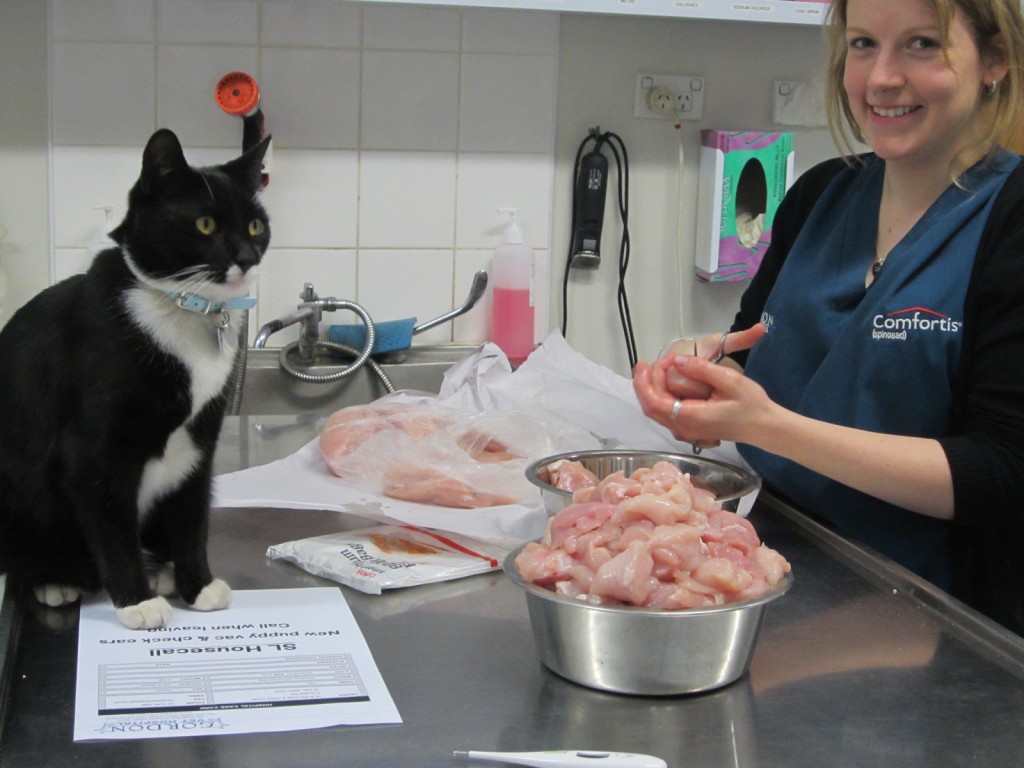
Image Source: gordonvet.com.au
How Long After Tooth Extraction Can Dog Eat Hard Food?
A dog can typically start eating hard food again two weeks after a tooth extraction, but this timeline can vary based on the complexity of the extraction, the dog’s individual healing, and your veterinarian’s specific recommendations. The primary goal during this period is to allow the surgical site to heal properly and to prevent any complications.
Preparing for Your Dog’s Post-Extraction Diet
When your dog undergoes a tooth extraction, it’s a significant event for their oral health. After the procedure, a crucial part of their recovery involves managing their diet. Transitioning back to their regular food, especially hard kibble, requires careful attention. This guide will walk you through the process, from immediate post-operative care to when your furry friend can resume their normal eating habits. We’ll cover everything you need to know about dog tooth removal recovery feeding and the crucial adjustments to your canine dental surgery diet.
Immediate Post-Operative Feeding (Day 1-3)
Right after surgery, your dog will likely feel some discomfort and may have a sore mouth. The immediate focus is on providing palatable, easy-to-eat food that won’t irritate the extraction site.
Soft Food Options: The First Line of Defense
Veterinarians strongly recommend starting with very soft or liquid diets immediately following dental extraction. This minimizes any chewing action that could disrupt the healing wound.
- Wet Food: High-quality canned dog food is an excellent choice. It’s soft, moist, and often very palatable for dogs, encouraging them to eat even if they’re feeling a bit off.
- Soaked Kibble: You can soften your dog’s regular kibble by soaking it in warm water or low-sodium chicken broth until it’s mushy. Ensure it’s cooled to a comfortable temperature before serving.
- Commercial Recovery Diets: Many pet food companies offer specialized recovery diets in paste or liquid form. These are nutritionally complete and designed to be easily digestible and palatable for sick or recovering animals. Your vet can recommend specific brands.
- Homemade Soft Food: If your vet approves, you can prepare a gentle, homemade diet. This might include cooked, pureed meats (like chicken or turkey), boiled sweet potatoes, or pumpkin, all mixed into a smooth consistency.
Feeding Techniques for Early Recovery
- Small, Frequent Meals: Offer smaller portions of soft food more frequently throughout the day. This makes it easier for your dog to manage and can help maintain their energy levels.
- Gentle Encouragement: Don’t force your dog to eat. Place the food in their bowl and allow them to approach it at their own pace. If they’re hesitant, you can try hand-feeding them small amounts.
- Hydration is Key: Ensure your dog has constant access to fresh, clean water. Some dogs may prefer water from a bowl, while others might drink more from a pet fountain.
Transitioning to Slightly Firmer Foods (Day 4-7)
As the initial discomfort subsides and the surgical site begins to heal, you can gradually introduce slightly firmer foods. The key here is to observe your dog’s reaction and proceed with caution.
What Constitutes “Slightly Firmer”?
This stage involves foods that still require minimal chewing but offer a bit more texture than the initial purees.
- Moistened Kibble with More Texture: Continue soaking kibble, but perhaps for a shorter duration, so it’s still soft but not entirely mush.
- Ground Meat Mixed with Soft Food: Adding gently cooked and ground meats to their wet food or soaked kibble can introduce more substance.
- Baby Food (Meat-Based): Plain, meat-based baby foods (ensure no onion or garlic powder) can be a good transitional food.
Monitoring for Signs of Discomfort
During this phase, closely monitor your dog for any signs that the food is too hard or causing irritation.
- Hesitation to Eat: If your dog suddenly becomes reluctant to eat, the food might be too challenging.
- Dropping Food: If they are dropping food from their mouth, it could indicate discomfort while chewing.
- Excessive Drooling or Pawing at Mouth: These can be signs of pain or irritation.
Gradual Reintroduction of Kibble (Week 1-2)
The most anticipated question is about dog eating kibble after extraction. This transition needs to be slow and measured.
Reintroducing Kibble Safely
The goal is to get your dog back to their regular kibble without jeopardizing the healing process.
- Start with Soaked Kibble: Begin by soaking their regular kibble thoroughly.
- Gradually Reduce Soaking Time: Over several days, gradually reduce the amount of time the kibble is soaked. Aim for kibble that is still soft but retains some of its original shape.
- Mixing Kibble and Soft Food: You can mix a small amount of the softened kibble with their usual soft food. As your dog tolerates this, increase the proportion of kibble and decrease the soft food.
Observing Your Dog’s Chewing Habits
Pay close attention to how your dog is interacting with the food.
- Effortless Swallowing: They should be able to swallow without obvious effort or discomfort.
- No Signs of Pain: Continue to watch for any signs of pain or irritation mentioned earlier.
- Enjoyment of Food: Ideally, they should appear to enjoy their meals.
When Can Dogs Eat Normal Food Again? (Post-Week 2)
The two-week mark is often the general guideline, but it’s essential to consult your veterinarian for their expert opinion.
Full Return to Regular Diet
By the end of the second week, if healing is progressing well and your dog shows no signs of discomfort, they can typically begin transitioning back to their regular diet.
- Start with the Usual Kibble: If they were on kibble before surgery, you can start reintroducing it as their primary food source.
- Monitor for Any Issues: Even when back on their regular diet, continue to observe your dog for a few days to ensure there are no delayed reactions.
- Avoid Extremely Hard Treats: For a while longer, it’s wise to avoid extremely hard chews or treats, even if they are eating kibble.
Important Considerations for the Post-Operative Dog Diet Dental
The success of your dog’s recovery hinges on adhering to the prescribed post-operative dog diet dental. This isn’t just about softening food; it involves a comprehensive approach to their well-being.
Veterinary Advice Dog Food Dental: The Cornerstone of Recovery
Your veterinarian is your most valuable resource throughout this process. They will provide specific instructions tailored to your dog’s individual needs.
- Follow Veterinary Guidance: Always adhere to your vet’s specific feeding recommendations, as they understand the nuances of your dog’s dental surgery.
- Medication Administration: If your dog has been prescribed pain medication or antibiotics, ensure they are given as directed. This will significantly impact their comfort and ability to eat.
- Post-Operative Check-ups: Attend all scheduled follow-up appointments. Your vet will assess the healing site and can provide guidance on dietary progression.
Hard Food Restrictions Dog Tooth Extraction: Why They Exist
The reason for hard food restrictions dog tooth extraction is to protect the delicate healing tissues in your dog’s mouth.
- Preventing Wound Disruption: Hard foods can dislodge sutures, cause bleeding, or reopen the extraction site.
- Minimizing Pain: Chewing hard food can be painful for a dog with a fresh surgical wound.
- Avoiding Infection: Any disruption to the healing site can increase the risk of infection.
Table: Dog Dental Extraction Feeding Schedule (Example)
This table provides a general example of a feeding schedule. Always consult your veterinarian for a personalized plan.
| Timeframe | Food Type | Texture | Notes |
|---|---|---|---|
| Day 1-3 | Wet food, soaked kibble, recovery diet | Pureed, mushy, or paste-like | Small, frequent meals. Ensure easy swallowing. Monitor for comfort. |
| Day 4-7 | Moistened kibble, ground meat, soft foods | Soft but with some texture | Gradually increase portion size. Observe for any chewing difficulty or signs of discomfort. |
| Week 1-2 | Gradually less soaked kibble, mix with soft | Soft kibble, slightly firmer | Start mixing kibble with soft food. Slowly increase kibble ratio. |
| Week 2 onwards | Regular kibble (if vet approves) | Normal texture | Monitor closely for any adverse reactions. Avoid extremely hard treats initially. |
FAQs about Dog Tooth Extraction Feeding
Q1: Can my dog eat kibble immediately after tooth extraction?
No, dogs should not eat kibble immediately after tooth extraction. They need to start with very soft or liquid diets to allow the surgical site to heal without disruption.
Q2: How do I soften kibble for my dog?
You can soften kibble by soaking it in warm water or low-sodium chicken broth until it becomes very soft and mushy. Ensure it’s cooled to a comfortable temperature before serving.
Q3: What if my dog refuses to eat after the extraction?
If your dog is refusing to eat, it’s important to contact your veterinarian immediately. They may be experiencing significant pain, or there could be another issue. They can offer solutions like appetite stimulants or suggest alternative food options.
Q4: Can my dog have treats after tooth extraction?
For the first week or two, avoid all hard treats. Stick to veterinarian-approved soft treats or use small pieces of their soft food as rewards. Gradually reintroduce firmer treats only after your vet gives the go-ahead.
Q5: What are the signs my dog is ready to eat harder food?
Signs include showing normal interest in food, eating soft food without difficulty, no signs of pain or discomfort when chewing, and good overall energy levels. Your veterinarian’s assessment is the most reliable indicator.
Q6: When can dogs eat normally after tooth removal?
Generally, dogs can start eating their normal food, including kibble, about two weeks after tooth removal, provided healing is progressing well and your veterinarian approves.
Q7: My dog is dribbling water. Is this normal after tooth extraction?
Some mild drooling or dribbling of water can occur initially due to the anesthetic and surgical site irritation. However, excessive or persistent drooling could indicate pain or a problem, and you should consult your vet.
Q8: What is the best diet for a dog after dental surgery?
The best diet is a gradual progression from very soft, moist foods to gradually firmer options, always following your veterinarian’s specific recommendations. This approach minimizes discomfort and promotes optimal healing.
Q9: How long is the typical recovery period for dog dental extraction feeding?
The typical recovery period requiring dietary modifications is usually around two weeks. After this, with veterinary approval, dogs can generally return to their normal diet.
Q10: Is it okay to give my dog yogurt after tooth extraction?
Plain, unsweetened yogurt can be a good source of probiotics and is soft. However, it’s best to confirm with your veterinarian if yogurt is appropriate for your dog’s specific situation and to choose a plain, unsweetened variety.
Signs of Complications to Watch For
While following a careful feeding plan, remain vigilant for any signs that your dog might be experiencing complications.
- Increased Swelling: Noticeable swelling around the surgical site.
- Discharge from the Site: Any pus or foul-smelling discharge.
- Bleeding: Significant bleeding from the mouth that doesn’t stop.
- Lethargy: A sudden decrease in energy or activity levels.
- Loss of Appetite: Persistent refusal to eat even soft foods.
If you observe any of these signs, contact your veterinarian immediately.
Fathoming the Transition Back to Hard Food
The journey back to dog chewing hard food post extraction is a marathon, not a sprint. It’s a process that demands patience, observation, and unwavering trust in your veterinarian’s guidance. By providing the right diet at the right time, you play a vital role in ensuring a smooth recovery for your beloved canine companion. Remember, every dog heals differently, and a personalized approach, guided by veterinary expertise, is always the best path forward. This careful management of your dog dental extraction feeding schedule will pave the way for a healthy mouth and a happy, chewing dog once more.