
Can you draw blood from a dog at home? It’s strongly recommended that you do not attempt to draw blood from a dog at home without proper veterinary training and supervision. Improperly drawing blood can cause pain, injury, and stress to your dog, and can also result in unusable samples for diagnostic testing. Who performs blood draws on dogs? Licensed veterinarians and trained veterinary technicians are the professionals who perform blood draws on dogs.
Drawing blood from a dog, often referred to as canine blood collection or veterinary blood sampling, is a fundamental diagnostic procedure. It’s a crucial step in drawing blood for dog lab tests, monitoring health conditions, and even for dog blood donation procedures. While it might seem straightforward, it requires specific knowledge, skill, and the right approach to ensure the safety and comfort of the animal. This guide will walk you through the essential aspects of safe and effective blood collection in dogs, from preparation to post-procedure care, incorporating expert veterinary insights.
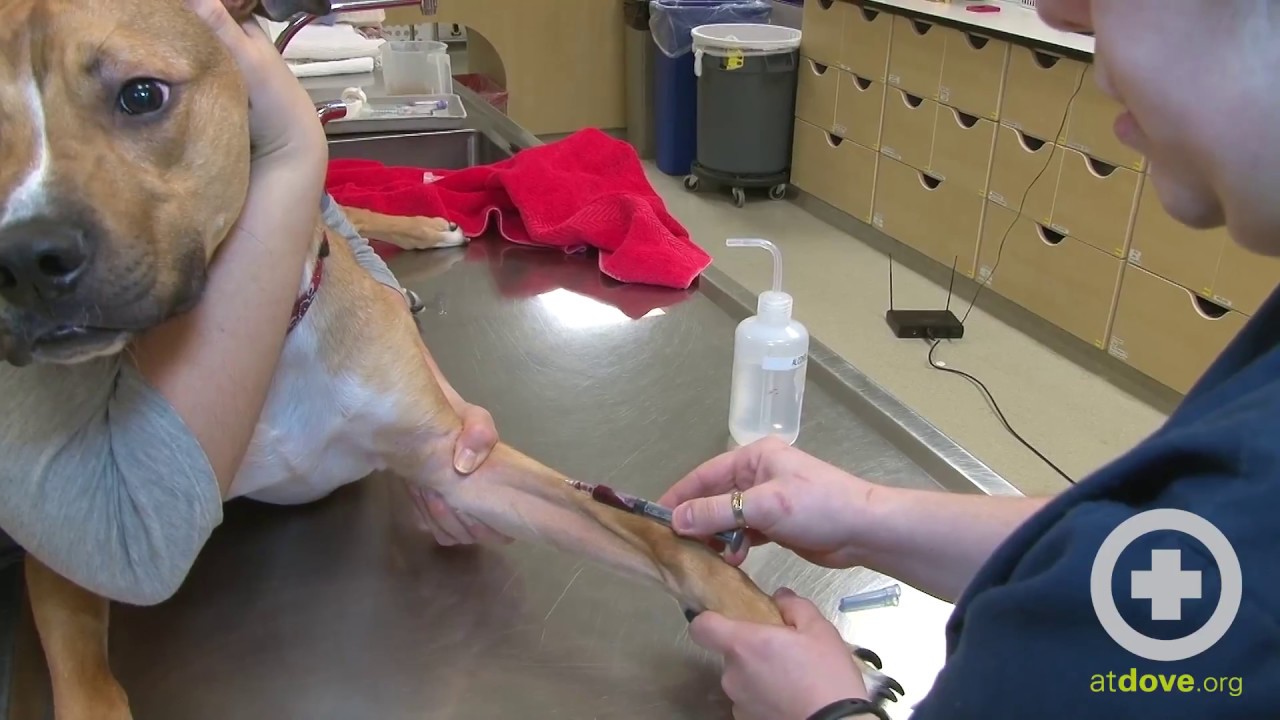
Image Source: i.ytimg.com
Preparing for a Canine Blood Draw
Success in phlebotomy techniques for dogs hinges on thorough preparation. This isn’t just about gathering supplies; it’s about creating an environment that minimizes stress for your dog and ensures the sample’s integrity.
Gathering Essential Supplies
Before you even approach your dog, having all your equipment ready is paramount. This prevents delays and unnecessary anxiety for the animal.
- Syringes: Various sizes are available, chosen based on the amount of blood needed.
- Needles: Gauge and length are critical. Smaller gauges (e.g., 22-25 gauge) are typically used for dogs, depending on vein size and blood viscosity.
- Vacutainers or Collection Tubes: These are specialized tubes containing anticoagulants or preservatives, depending on the tests required. Color-coding indicates the additive.
- Antiseptic Wipes: Chlorhexidine or alcohol swabs are used to clean the venipuncture site.
- Gauze Pads: For applying pressure after needle withdrawal.
- Bandage Material: To secure a gauze pad and prevent bleeding.
- Sharps Container: For safe disposal of needles.
- Gloves: To maintain sterility and protect the handler.
- Lab Requisition Forms: Properly filled out to ensure accurate testing.
Selecting the Right Blood Collection Site
Choosing the correct dog venipuncture sites is crucial for a smooth blood draw. Different locations offer varying advantages and disadvantages.
Common Dog Venipuncture Sites
| Site Name | Description | Advantages | Disadvantages |
|---|---|---|---|
| Cephalic Vein | Located on the front leg, extending down the inside of the carpus (wrist). | Easily accessible, common site, vein often well-distended. | Can be more sensitive to manipulation, may require more restraint. |
| Saphenous Vein | Located on the inner side of the hind leg, proximal to the hock (ankle). | Less sensitive than cephalic, good for anxious dogs, often accessible. | Can be harder to visualize, may require more pressure to occlude. |
| Jugular Vein | Located on either side of the neck, running along the jugular furrow. | Large vein, allows for quick collection, ideal for large volumes. | Requires more significant restraint, potential for hematoma formation. |
| Femoral Vein | Located in the groin area of the hind leg. | Large vein, can be used if other sites are compromised. | Deeper, may be harder to palpate, requires careful positioning. |
Restraining Your Dog Safely and Effectively
How to restrain a dog for blood draw is a key component of safe blood draw in dogs. Proper restraint minimizes movement, reduces the risk of injury, and ensures a good sample.
Restraint Techniques
- Calm and Gentle Approach: Speak in a soothing voice. Avoid sudden movements.
- Positive Reinforcement: Treats and praise can help a dog associate the experience with something positive.
- Physical Support: For smaller dogs, cradling them gently in your arms or on a table can be effective.
- Leash or Halter: For larger or more anxious dogs, a leash or halter can provide control.
- Positioning: Depending on the site, the dog may need to be standing, sitting, or lying down.
- Assistance: Having a second person to help with restraint is often beneficial, especially for dogs that are nervous or wriggly. One person focuses on gentle restraint and distraction, while the other performs the draw.
- Muzzles: In cases where a dog might bite out of fear or pain, a muzzle can be a safety tool for the handler. This should be applied without causing further distress.
The Blood Collection Process: Step-by-Step
Executing the actual dog venipuncture sites requires precision and adherence to aseptic techniques to ensure safe blood draw in dogs.
Step 1: Site Preparation
- Locate the Vein: Palpate the chosen vein to confirm its position and distension.
- Clean the Area: Using an antiseptic wipe, scrub the venipuncture site in a circular motion. Allow the area to air dry completely. This removes surface contaminants and reduces the risk of infection.
Step 2: Needle Insertion
- Grip the Syringe: Hold the syringe firmly but not rigidly.
- Angle of Insertion: Insert the needle bevel-up into the vein at an angle of approximately 30-45 degrees. The angle may vary slightly depending on the vein’s depth and the dog’s anatomy.
- Observe for Blood Flashback: Once the needle enters the vein, you should see a small bead of blood in the hub of the needle, indicating you have entered the lumen.
Step 3: Collecting the Blood Sample
- Apply Gentle Suction: If using a syringe, gently pull back on the plunger. If using a Vacutainer, the vacuum within the tube will draw the blood.
- Fill the Tubes Appropriately: Fill the collection tubes to the indicated fill line. Overfilling or underfilling can affect the test results due to incorrect anticoagulant ratios.
- Mix the Tubes: Immediately after collection, gently invert Vacutainer tubes several times to mix the blood with the anticoagulant. Do not shake the tubes, as this can cause hemolysis (rupture of red blood cells).
Step 4: Needle Withdrawal and Pressure
- Release Occlusion: Before withdrawing the needle, release any pressure applied to occlude the vein.
- Withdraw the Needle: Swiftly withdraw the needle.
- Apply Pressure: Immediately apply firm pressure to the venipuncture site with a clean gauze pad. Hold pressure for at least 30-60 seconds, or until bleeding stops.
Step 5: Post-Collection Care
- Check the Site: Inspect the venipuncture site for any signs of excessive bleeding or hematoma formation.
- Apply a Bandage: If bleeding is a concern, a light bandage can be applied. Ensure it’s not too tight, which could impede circulation.
- Dispose of Sharps: Immediately place the used needle and syringe into a designated sharps container.
- Label Samples: Accurately label all collection tubes with the dog’s name, date, time, and any other required information. Proper labeling is critical for dog blood sample preparation for laboratory analysis.
Factors Influencing Successful Canine Blood Collection
Several elements can contribute to or detract from a successful blood draw. Awareness of these factors helps in troubleshooting and refining phlebotomy techniques for dogs.
Age and Temperament of the Dog
- Puppies and Senior Dogs: May have smaller or more fragile veins. They can also be more sensitive to stress.
- Anxious or Fearful Dogs: Require a calm, patient approach and potentially more experienced handlers or sedation.
- Pain: Dogs experiencing pain may react more strongly. It’s important to assess for signs of discomfort.
Breed and Size
- Breed Characteristics: Some breeds have more prominent veins than others.
- Size: Larger dogs generally have larger veins, making collection easier, while smaller dogs require smaller needles and careful handling.
Health Status
- Dehydration: Can make veins less prominent and blood flow slower.
- Obesity: Can make it harder to palpate veins.
- Medical Conditions: Certain illnesses can affect vein condition or blood viscosity.
Skill and Experience of the Handler
This is arguably the most critical factor. Consistent practice and learning from experienced professionals are essential for mastering veterinary blood sampling.
Common Challenges and Troubleshooting in Canine Blood Collection
Even with careful preparation, challenges can arise. Knowing how to address them can save the day and prevent unnecessary stress.
Difficulty Locating or Stabilizing the Vein
- Warm the Site: Gently applying a warm, damp cloth to the area for a few minutes can help dilate the veins.
- Gentle Tugging: A very slight tug on the skin below the intended venipuncture site can sometimes help stabilize the vein.
- Try a Different Site: If one vein proves elusive, don’t hesitate to switch to another recommended site.
Hematoma Formation
- Cause: Needle penetration through the vein or insufficient pressure after withdrawal.
- Prevention: Ensure the needle is properly positioned within the vein lumen and apply adequate pressure post-withdrawal.
- Management: Apply firm pressure. If a hematoma forms, it typically resolves on its own over a few days.
Hemolysis
- Cause: Vigorous shaking of tubes, drawing blood too forcefully through a small needle, or leaving the tourniquet on for too long.
- Prevention: Gentle handling of the sample, using the appropriate needle gauge, and not over-occluding the vein.
- Impact: Hemolyzed samples can interfere with many laboratory tests.
Sample Contamination
- Cause: Improper cleaning of the venipuncture site or using contaminated equipment.
- Prevention: Strict adherence to aseptic techniques.
Advanced Considerations in Canine Blood Collection
Beyond routine draws, certain situations call for specialized approaches.
Sedation and Anesthesia
For extremely anxious, fearful, or painful dogs, or for procedures requiring extensive samples (like dog blood donation procedures), sedation or anesthesia may be necessary. This should always be administered and monitored by a veterinarian.
Blood Donation Procedures
Dog blood donation procedures are more involved than routine blood draws. Donors are carefully screened for health, temperament, and blood type. The collection process is more controlled to ensure the donor’s well-being and the quality of the donated blood.
- Screening: Dogs undergo physical exams, blood tests, and fecal tests.
- Collection Volume: Larger volumes are collected, requiring careful monitoring of the donor.
- Phlebotomy Site: Often the jugular vein is used due to its size and ability to yield larger volumes.
- Post-Donation Care: Donors receive rest and often a special meal.
Ensuring the Integrity of the Dog Blood Sample
The entire process, from collection to testing, is about obtaining a sample that accurately reflects the dog’s health. This involves meticulous dog blood sample preparation.
Handling and Storage
- Tube Mixing: As mentioned, gentle inversion is key.
- Temperature: Samples should be kept at room temperature or refrigerated as appropriate for the specific tests, as directed by the laboratory.
- Timeliness: Samples should be transported to the lab promptly to prevent degradation of analytes.
Understanding Different Tube Types
The type of collection tube used is critical for the intended tests.
| Tube Color | Additive | Common Uses |
|---|---|---|
| Red Top | No additive (or clot activator) | Serum separation; for chemistry tests where serum is preferred. |
| Lavender/Purple Top | EDTA (Ethylenediaminetetraacetic acid) | For complete blood counts (CBCs) as it prevents clotting by chelating calcium. |
| Green Top | Heparin | For certain chemistry tests, plasma measurements, and blood gas analysis. Prevents clotting by inhibiting thrombin. |
| Blue Top | Sodium Citrate | Used for coagulation tests (e.g., PT, PTT) as it binds calcium, essential for the clotting cascade. |
| Gray Top | Sodium Fluoride and Potassium Oxalate | Glucose and lactate testing, as it inhibits glycolysis (breakdown of glucose). |
Labeling and Documentation
- Accuracy: Ensure all labels are correct and legible. Missing or incorrect information can lead to samples being rejected or misrouted.
- Completeness: Include all necessary patient identifiers and requested tests.
The Role of Veterinarians and Technicians
It cannot be stressed enough that performing canine blood collection safely and effectively is a skill best left to trained professionals. Veterinarians and veterinary technicians have the anatomical knowledge, technical expertise, and experience to handle various situations and ensure the welfare of the animal. They are adept at phlebotomy techniques for dogs, understanding the nuances of different breeds, temperaments, and health conditions. They also ensure the correct dog blood sample preparation for accurate diagnostic results.
For routine health checks, monitoring chronic conditions, or diagnosing acute illnesses, drawing blood for dog lab tests is an indispensable part of veterinary care. Trusting this process to qualified individuals guarantees the best possible outcome for your pet.
Frequently Asked Questions About Canine Blood Draws
Here are some common questions pet owners might have about this procedure.
Q1: How much blood is typically drawn from a dog?
A1: The amount of blood drawn varies greatly depending on the size of the dog and the tests required. For routine diagnostic tests, it might be just a few milliliters (a teaspoon or less). For blood transfusions or extensive testing panels, a larger volume may be collected, but always within safe limits for the dog.
Q2: Will my dog feel pain when blood is drawn?
A2: Your dog will likely feel a brief sharp prick when the needle enters the vein, similar to a human receiving a shot. The veterinarian or technician will take steps to minimize discomfort, such as cleaning the site with a cool antiseptic and being as quick and gentle as possible.
Q3: What should I do if my dog is very nervous about blood draws?
A3: Communicate your dog’s nervousness to your veterinarian. They may suggest bringing your dog in for shorter visits where only a brief, positive interaction occurs without a blood draw, or they might recommend mild calming supplements or prescription medications to be given before the appointment. Positive reinforcement and a calm demeanor from the handler are also crucial.
Q4: Can I give my dog a treat after a blood draw?
A4: Yes, offering a favorite treat or praise immediately after the procedure can help create a positive association and reassure your dog. However, this should only be done after the venipuncture site has been properly handled and secured.
Q5: Why are different colored tubes used for blood collection?
A5: Different colored tubes contain specific additives (like anticoagulants or preservatives) that are necessary for different laboratory tests. For instance, a lavender-top tube is used for a complete blood count (CBC), while a red-top tube is used for serum chemistry tests. Using the correct tube ensures the accuracy of the test results.
Q6: What are the risks of drawing blood from a dog at home?
A6: Attempting to draw blood at home without proper training carries significant risks. These include causing pain and distress to your dog, creating hematomas (bruises), causing infections, damaging blood vessels, and obtaining an unusable sample for diagnostic purposes, leading to an incorrect diagnosis or the need for repeated, stressful procedures for your pet. It is always best to have this procedure performed by a qualified veterinary professional.
Q7: Is it possible for a dog to donate blood?
A7: Yes, healthy, well-socialized dogs can donate blood. This is done at veterinary clinics or specialized animal blood banks. The dog blood donation procedures are carefully managed to ensure the safety and well-being of the donor dog, and the collected blood is used to help other dogs in need of transfusions.
Mastering the art of canine blood collection is a testament to a veterinary professional’s dedication to animal health. By following established protocols for phlebotomy techniques for dogs and prioritizing safe blood draw in dogs, the process of collecting blood from pets becomes a vital yet manageable part of comprehensive veterinary care, ensuring accurate drawing blood for dog lab tests and contributing to the overall well-being of our canine companions.