
A dog’s survival time with a blockage varies greatly, but prompt veterinary attention significantly increases the chances of a positive outcome. Without treatment, a blockage can be fatal within 24-72 hours, but with timely diagnosis and intervention, many dogs can recover fully.
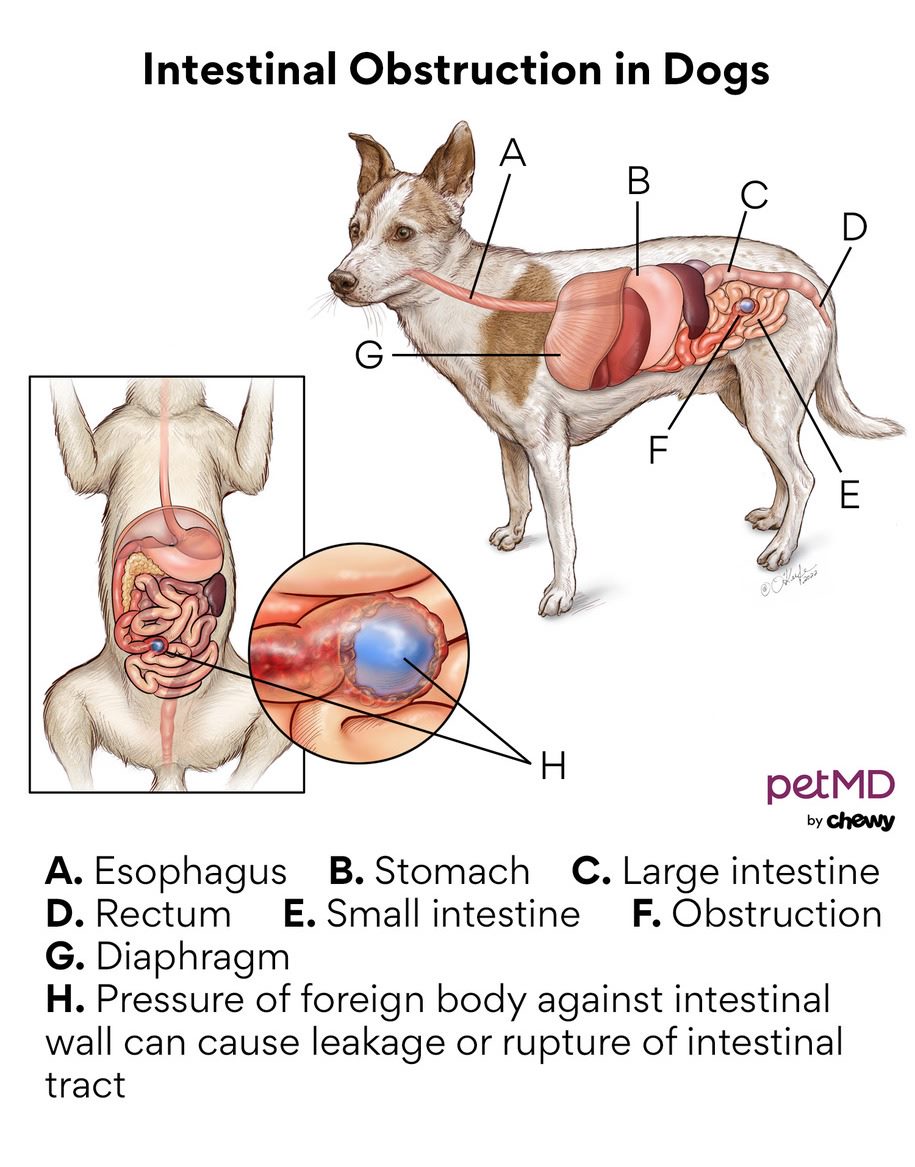
Image Source: image.petmd.com
Deciphering Blockages: Causes, Symptoms, and Urgency
When a dog experiences a blockage, it means something is preventing food or waste from moving through their digestive system. This is a serious medical emergency that requires immediate veterinary care. The longer a blockage goes untreated, the more severe the consequences become, impacting the dog’s overall health and potentially leading to organ damage or death.
Types of Blockages in Dogs
Blockages can occur in various parts of a dog’s digestive tract. The location and nature of the blockage play a crucial role in determining the prognosis and the urgency of treatment.
-
Intestinal Obstruction: This is perhaps the most common type of blockage. It occurs when something physically prevents the passage of food and waste through the small or large intestine.
- Foreign Body Ingestion: Dogs, especially puppies, are prone to eating non-food items. Toys, socks, rocks, bones, and even string can become lodged in the intestines. The survival time for dog foreign body ingestion survival can be very short if the object causes a complete obstruction and perforates the intestinal wall.
- Intussusception: This is a condition where one part of the intestine telescopes into another, much like a camera lens extending. This can happen due to inflammation or parasites.
- Tumors or Growths: Benign or malignant tumors within the intestinal wall can narrow the lumen and cause a blockage.
- Strictures: Scar tissue from previous inflammation or surgery can cause narrowing.
- Hernias: If a loop of intestine gets trapped in a hernia, it can cause a blockage.
-
Gastric Dilatation-Volvulus (GDV) / Stomach Bloat: While not always a complete physical blockage in the traditional sense, GDV involves the stomach filling with gas and then twisting. This is a life-threatening emergency where blood flow to the stomach and spleen is cut off. The dog gastric dilatation volvulus lifespan without immediate surgery is measured in hours. Stomach bloat life expectancy is extremely poor if not treated surgically within the first few hours of symptom onset.
-
Urinary Blockage: This occurs when urine cannot pass from the bladder out of the body.
- Urethral Stones or Crystals: These can form in the bladder and block the urethra. This is more common in male dogs due to their longer, narrower urethra. A urinary blockage lifespan dog is critically short; urine buildup can lead to kidney failure and a toxic overload within 24-48 hours if not relieved.
Identifying the Signs: Symptoms of a Blockage
Recognizing the symptoms of a blockage is crucial for seeking timely veterinary care. The signs can vary depending on the location and severity of the obstruction, but some common indicators include:
- Vomiting: This is often the most prominent symptom. Vomiting may occur after eating or drinking, or it can be projectile. In severe cases, dogs may vomit bile or even blood.
- Abdominal Pain: The dog may appear uncomfortable, whimper, cry when touched, adopt a “prayer position” (front end down, rear end up), or be reluctant to move.
- Lethargy and Weakness: The dog may seem unusually tired, unmotivated, and weak.
- Loss of Appetite: A dog with a blockage will likely refuse food and water.
- Diarrhea or Constipation: While some dogs may experience diarrhea as the body tries to push waste around the blockage, most will become constipated or unable to pass stool.
- Bloated or Distended Abdomen: The belly may appear larger than normal, especially in cases of GDV.
- Dehydration: Vomiting and lack of fluid intake can quickly lead to dehydration, causing sunken eyes and dry gums.
- Straining to Urinate or Defecate: This is a key sign of a potential blockage in the urinary tract or lower digestive system.
The Clock is Ticking: Why Time is of the Essence
The intestinal obstruction survival time is directly correlated with how quickly treatment is initiated. When a blockage occurs, several dangerous processes begin:
- Inability to Absorb Nutrients and Water: The blocked intestine cannot absorb vital nutrients and water, leading to malnutrition and dehydration.
- Bacterial Overgrowth: Stagnant food and waste can lead to a rapid increase in bacteria.
- Bacterial Translocation: Bacteria can leak from the compromised intestinal wall into the bloodstream, causing sepsis – a life-threatening systemic infection.
- Ischemia and Necrosis: If the blockage involves twisting of the bowel (as in GDV) or is very severe, blood flow to the affected intestinal segment can be cut off. This leads to ischemia (lack of oxygen) and eventually necrosis (tissue death). Necrotic bowel is no longer viable and can rupture, spilling its toxic contents into the abdomen.
- Electrolyte Imbalance: Vomiting and fluid loss disrupt the body’s delicate electrolyte balance, affecting heart function and other vital processes.
- Organ Damage: Prolonged dehydration, sepsis, and toxins can damage the kidneys, liver, and other organs.
The longer a dog has a blockage, the higher the risk of these complications, significantly decreasing their chances of survival and recovery.
Fathoming the Prognosis: Factors Influencing Survival
When a dog presents with a blockage, veterinarians will perform a thorough physical examination, often supplemented by diagnostic imaging such as X-rays or ultrasound, to confirm the diagnosis and assess the extent of the problem. The bowel obstruction prognosis dog depends on several critical factors:
Crucial Factors in Prognosis
-
Type and Location of the Blockage:
- Small Intestine: Blockages in the small intestine are generally more common and often have a better prognosis if treated promptly.
- Large Intestine: Blockages here can be more complex and may have a guarded prognosis.
- GDV: This is an emergency with a grave prognosis if not addressed immediately. The dog gastric dilatation volvulus lifespan is very short, and survival rates decrease with every hour of delay.
- Urinary Blockage: The urinary blockage lifespan dog is extremely limited due to the rapid onset of kidney failure.
-
Duration of the Blockage Before Treatment: As emphasized, the longer the blockage persists, the higher the risk of complications and the poorer the prognosis. Dog foreign body ingestion survival is dramatically improved with early intervention.
-
Presence of Complications:
- Perforation: If the intestinal wall has ruptured, the risk of sepsis and peritonitis (inflammation of the abdominal lining) is very high, significantly worsening the prognosis.
- Necrosis: If the bowel has died due to lack of blood supply, the chances of survival are greatly reduced.
- Dehydration and Electrolyte Imbalance: These can be life-threatening on their own and make surgical intervention riskier.
- Sepsis: A widespread infection is a major cause of mortality.
-
Overall Health of the Dog: Younger, otherwise healthy dogs tend to tolerate surgery and recovery better than older dogs or those with pre-existing conditions like heart disease, kidney disease, or diabetes.
-
Timeliness and Quality of Veterinary Care: Prompt diagnosis and appropriate surgical intervention by an experienced veterinary surgeon are paramount for a positive outcome.
Interpreting Survival Rates: What the Data Suggests
It is challenging to provide exact survival statistics for all types of blockages as they are so varied. However, general trends can be observed:
-
Foreign Body Obstruction: If a foreign body is removed surgically before significant complications like perforation or intestinal death occur, the intestinal obstruction recovery rates are generally good, with survival rates often reported between 75-90%. However, if perforation or significant bowel damage has occurred, the prognosis becomes much more guarded. Foreign object ingestion dog survival is highly dependent on the speed of diagnosis and treatment.
-
GDV: Survival rates for GDV after surgery can range from 70-85% if treated promptly. However, if the stomach has already undergone significant necrosis or if the dog is in severe shock, the prognosis can be considerably worse.
-
Urinary Blockage: If a urinary blockage is relieved quickly, dogs can recover. However, if it leads to acute kidney injury and damage, the long-term prognosis can be affected, and some dogs may develop chronic kidney issues.
It is vital to consult with a veterinarian for an accurate prognosis specific to your dog’s situation.
The Path to Recovery: Treatment and Healing
Once a blockage is diagnosed, veterinary intervention is typically required. The specific treatment will depend on the cause and severity of the obstruction.
Veterinary Interventions for Blockages
- Supportive Care: Before and after surgery, intravenous (IV) fluids are essential to combat dehydration and correct electrolyte imbalances. Pain medication is also administered to keep the dog comfortable.
- Decompression: In some cases, particularly with GDV, the stomach may need to be decompressed (gas released) before surgery to stabilize the dog.
- Surgery: Surgical intervention is often necessary to remove the obstruction, correct any twisting, and assess the extent of damage to the intestinal tract.
- Foreign Body Removal: The surgeon will locate and remove the foreign object.
- Resection and Anastomosis: If a section of the intestine has died or is severely damaged, it must be surgically removed (resection), and the healthy ends of the intestine are then reconnected (anastomosis). This procedure is crucial for the intestinal obstruction in dogs recovery.
- GDV Surgery: The stomach is decompressed, untwisted, and often a procedure called a gastropexy is performed. This involves surgically anchoring the stomach to the abdominal wall to prevent future twisting. The spleen may also need to be removed if it has been compromised.
Post-Operative Care and Rehabilitation
The intestinal obstruction surgery success rate dogs is high when performed on stable patients, but the recovery period requires diligent care. Post-operative care is critical for a successful outcome and can involve:
- Hospitalization: Most dogs will need to stay in the veterinary hospital for several days to monitor their recovery, manage pain, and administer IV fluids and antibiotics if necessary.
- Dietary Management: A gradual reintroduction of food is essential. Typically, dogs will start on bland, easily digestible meals and slowly transition back to their normal diet.
- Activity Restriction: Strict rest and limited activity are crucial to allow the surgical incision to heal and to prevent stress on the gastrointestinal tract. This might involve leash walks only for several weeks.
- Medication: Pain relievers and potentially other medications to aid digestion or prevent infection will be prescribed.
- Monitoring for Complications: Owners must be vigilant for any signs of infection, such as fever, lethargy, vomiting, or discharge from the incision site, and report them to the veterinarian immediately.
Long-Term Outlook
The long-term outlook for dogs that have undergone surgery for a blockage generally depends on the underlying cause and whether any irreversible damage occurred.
- Foreign Body Ingestion: Many dogs recover fully and can return to a normal life after a foreign body obstruction, especially if caught early. However, some dogs have a predisposition to pica (eating non-food items) and may require ongoing management and prevention strategies.
- GDV: Dogs that survive GDV and have a gastropexy may live normal lifespans, but owners must remain aware of the potential for other gastrointestinal issues.
- Other Causes: The prognosis for obstructions caused by tumors or chronic inflammatory conditions will depend on the specific disease and its progression.
Frequently Asked Questions (FAQ)
Can a dog survive a blockage without surgery?
In very rare and mild cases, a blockage might resolve on its own, especially if it’s a partial obstruction that the body can work through. However, relying on this is extremely risky. For most blockages, especially complete obstructions or those caused by foreign objects, surgery is essential for survival. The intestinal obstruction survival time is drastically shortened without surgical intervention.
How quickly should I get my dog to the vet if I suspect a blockage?
You should seek veterinary attention immediately if you suspect a blockage. Time is critical. Do not wait for symptoms to worsen. Early diagnosis and treatment significantly improve the chances of a successful outcome and a better bowel obstruction prognosis dog.
What are the chances of my dog needing surgery if they ate a foreign object?
The need for surgery depends on the size, shape, and type of foreign object, as well as its location in the digestive tract. If the object is small, smooth, and already in the stomach, the vet might try to manage it conservatively with diet and observation. However, if the object is sharp, large, or has already moved into the intestines, surgery is often the safest and most effective option to prevent a life-threatening dog foreign body ingestion survival scenario.
Is GDV always fatal?
No, GDV is not always fatal, but it is a life-threatening emergency. With rapid diagnosis and immediate surgical intervention, many dogs can survive GDV. However, the dog gastric dilatation volvulus lifespan is very short without swift veterinary care. Prompt action is the key.
How long does it take for a dog to recover from intestinal surgery?
Recovery from intestinal surgery typically takes about 6 to 8 weeks. During this time, strict activity restriction is necessary to allow the internal tissues to heal properly. The intestinal obstruction in dogs recovery is a gradual process that requires careful monitoring and adherence to the veterinarian’s instructions.
Can a dog live a normal life after a blockage?
Yes, many dogs can live a normal, happy life after a blockage, especially if treated promptly and without severe complications. The success of recovery and the long-term outlook depend heavily on the underlying cause of the blockage, the extent of damage to the digestive tract, and the quality of post-operative care.
What are the risks of surgery for a blockage?
Like any surgical procedure, there are risks associated with surgery for blockages. These can include complications related to anesthesia, infection, leakage from the surgical site in the intestines (anastomotic leakage), or the development of scar tissue that could cause future obstructions. However, the risks of not performing surgery when a blockage is present are generally far greater and often life-threatening. The obstruction surgery success rate dogs is high when performed by experienced professionals.
How can I prevent my dog from getting a blockage?
Prevention is key. Keep your dog away from potential choking hazards and items they might ingest, such as small toys, socks, string, or certain types of dog chews that can break off into sharp pieces. Supervise your dog closely, especially when they are around new objects or other pets. Regularly inspect your dog’s toys for damage and discard them if they become broken. For breeds prone to GDV, feeding multiple small meals a day rather than one large meal and avoiding vigorous exercise immediately before or after eating can help reduce the risk.