
If you or a loved one has been bitten by a dog, you might be wondering: “How much can I sue for a dog bite?” The answer isn’t a simple number, as the potential compensation varies greatly depending on the specifics of the incident and the severity of the injuries. Generally, you can pursue compensation for a dog bite to cover your medical expenses, lost wages, pain and suffering, and other related losses.
Dog bite incidents can result in significant physical and emotional distress, along with substantial financial burdens. Navigating the aftermath of a dog bite can feel overwhelming, especially when trying to figure out how to recoup your losses. This comprehensive guide will help you understand the factors that influence dog bite settlement amounts, how to calculate dog bite compensation, and what to do to ensure you receive fair dog bite injury compensation. We’ll explore the typical elements that contribute to the dog bite lawsuit value and what might lead to a maximum dog bite payout.
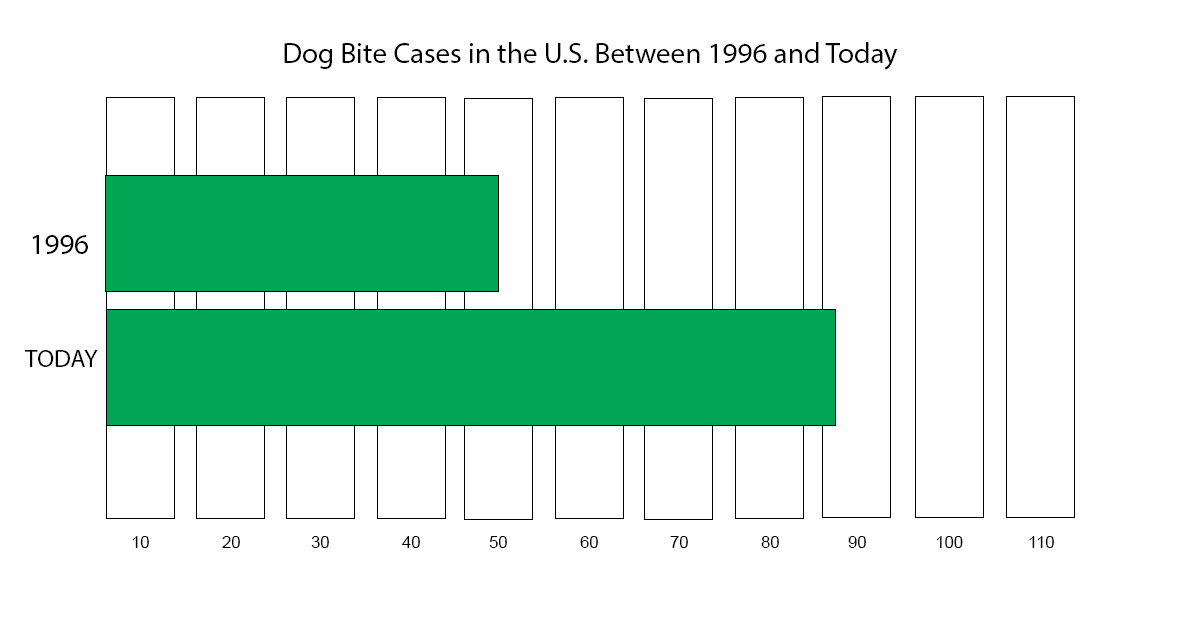
Image Source: goodnowmckay.com
Factors Influencing Dog Bite Compensation
Several key elements play a crucial role in determining the value of a dog bite legal claim. These factors help establish the extent of your damages and the potential compensation you can receive.
Severity of the Injury
This is often the most significant factor in the dog bite compensation you can receive. Injuries can range from minor lacerations and bruises to severe disfigurement, nerve damage, and even life-threatening conditions.
- Minor Injuries: Scratches, small tears, and bruises might result in lower medical bills and less pain and suffering.
- Moderate Injuries: Deeper cuts, infections, broken bones, or temporary nerve damage can lead to more extensive medical treatment and a higher compensation amount.
- Severe Injuries: Extensive tissue damage, permanent scarring, disfigurement, loss of limb function, rabies treatment, or psychological trauma (like PTSD) will command the highest compensation. The need for plastic surgery or ongoing physical therapy also significantly increases the value.
Medical Expenses
All documented medical costs are recoverable. This includes:
- Emergency room visits and ambulance fees.
- Hospital stays and surgeries.
- Doctor’s appointments and specialist consultations.
- Medications and prescriptions.
- Physical therapy and rehabilitation.
- Psychological counseling or therapy.
- Future medical care costs, if ongoing treatment is necessary.
It’s vital to keep meticulous records of all medical bills and receipts.
Lost Wages and Earning Capacity
If the dog bite injury prevented you from working, you can seek compensation for the income you lost.
- Lost Wages: Income lost from the time of the injury until you return to work.
- Loss of Earning Capacity: If the injury permanently affects your ability to earn a living or causes you to take a lower-paying job, you can claim compensation for the future income you will lose.
Pain and Suffering
This is a more subjective element of dog bite damages, but it is a critical component of dog bite compensation. It accounts for the physical pain, emotional distress, mental anguish, and loss of enjoyment of life caused by the bite.
- Physical Pain: The immediate pain from the bite, as well as ongoing discomfort and chronic pain.
- Emotional Distress: Fear, anxiety, depression, post-traumatic stress disorder (PTSD), and sleep disturbances.
- Loss of Enjoyment of Life: Inability to participate in hobbies, recreational activities, or social events that you previously enjoyed.
- Disfigurement and Scarring: The psychological impact of visible scars or disfigurement.
A higher level of pain and suffering generally leads to higher dog bite settlement amounts.
Property Damage
If the dog bite also damaged your personal property (e.g., clothing, glasses), you can include these costs in your claim.
Emotional Distress and Psychological Impact
Dog bites can leave deep emotional scars. Victims, especially children, may develop phobias of dogs, experience anxiety, or suffer from PTSD. Compensation for these dog bite damages is often sought, and evidence such as therapy records can support these claims.
Emotional Distress Related to Scarring and Disfigurement
Visible scars, particularly on the face or other prominent areas, can cause significant emotional distress and affect a person’s self-esteem and social interactions. The law recognizes this and allows for compensation for such impacts.
The Dog Owner’s Liability and State Laws
Laws regarding dog bites vary by state. Some states follow a “one-bite rule,” where the owner is only liable if they knew or should have known the dog had a propensity to bite. Other states have “strict liability” laws, meaning the owner is automatically liable for any damages caused by their dog, regardless of whether they knew of the dog’s aggressive tendencies.
Understanding the specific laws in your jurisdiction is crucial for building a strong dog bite legal claim.
Calculating Your Dog Bite Claim Value
While there’s no universal dog bite compensation calculator that gives an exact figure, legal professionals use several methods to estimate the dog bite lawsuit value.
The Multiplier Method
This common approach involves calculating your total economic damages (medical bills, lost wages) and then multiplying that sum by a factor (typically between 1.5 and 5, or even higher for severe cases) to account for non-economic damages like pain and suffering.
- Example: If your medical bills and lost wages total $20,000, and a multiplier of 3 is applied due to significant pain and suffering, the estimated value of your non-economic damages would be $60,000. Your total claim value would then be $20,000 + $60,000 = $80,000.
The Per Diem Method
This method assigns a daily rate for the pain and suffering experienced by the victim. The rate is applied from the date of the injury until the victim reaches maximum medical improvement or settles the case. This method is often used for less severe injuries with shorter recovery periods.
What About Punitive Damages?
In rare cases, if the dog owner’s actions were particularly reckless or malicious (e.g., knowingly owning a dangerous dog and failing to control it), punitive damages may be awarded. These are intended to punish the wrongdoer and deter similar behavior in the future. Punitive damages are not always available and are typically a smaller portion of the overall award.
Steps to Maximize Your Dog Bite Compensation
To ensure you get the compensation you deserve, follow these essential steps:
1. Seek Immediate Medical Attention
Your health is paramount. Even if the bite seems minor, it’s crucial to see a doctor.
- Document the injury: A medical record is vital evidence.
- Prevent infection: Dog bites carry a risk of infection, including rabies.
- Assess the damage: A doctor can identify the full extent of the injury, including potential nerve damage or internal injuries.
2. Gather Evidence at the Scene
If possible and safe, collect as much information as you can at the time of the incident.
- Dog Owner Information: Get the owner’s name, address, and phone number.
- Dog’s Vaccination Records: Inquire about the dog’s rabies vaccination status.
- Witness Information: If anyone else saw the attack, get their names and contact details.
- Photos/Videos: Take pictures of the dog, the bite location, and any surrounding circumstances.
- Incident Report: If law enforcement or animal control was called, get a copy of their report.
3. Document Everything
Maintain a detailed record of all events and expenses related to the dog bite.
- Medical Records and Bills: Keep copies of everything.
- Lost Wage Statements: Obtain letters from your employer verifying missed workdays and pay.
- Photos of Your Injuries: Take pictures regularly as your injuries heal to show the progression and any lasting effects like scarring.
- Journal of Pain and Suffering: Write down how the injury affects your daily life, your emotional state, and your ability to perform tasks.
4. Understand Dog Bite Laws in Your State
Familiarize yourself with your state’s specific dog bite laws. This will help you understand the owner’s liability and the timeframe for filing a claim (statute of limitations).
5. Consult a Personal Injury Lawyer Specializing in Dog Bites
A personal injury lawyer dog bite expert can provide invaluable assistance. They understand the complexities of these cases and can:
- Accurately assess the value of your claim.
- Navigate negotiations with insurance companies.
- Gather necessary evidence.
- Represent you in court if a settlement cannot be reached.
- Help you understand what to expect regarding dog bite settlement amounts.
6. Be Cautious When Talking to Insurance Adjusters
The dog owner’s insurance adjuster may contact you. While they might seem helpful, their primary goal is to minimize the payout.
- Do not give a recorded statement without consulting your attorney.
- Do not sign any documents without your attorney’s review.
- Be truthful but avoid exaggerating your injuries.
Types of Damages in a Dog Bite Claim
Dog bite claims typically seek compensation for various types of damages.
Economic Damages
These are quantifiable financial losses directly resulting from the dog bite.
- Past Medical Expenses: Costs incurred from the date of the bite up to the present.
- Future Medical Expenses: Estimated costs for ongoing treatment, therapy, or future surgeries.
- Lost Wages: Income lost due to time off work for recovery.
- Loss of Earning Capacity: If the injury impacts your future ability to earn income.
- Rehabilitation Costs: Expenses for physical therapy, occupational therapy, or vocational retraining.
Non-Economic Damages
These are intangible losses that are harder to quantify but are essential for fair dog bite compensation.
- Pain and Suffering: Physical pain and discomfort experienced.
- Emotional Distress: Anxiety, fear, depression, and psychological trauma.
- Disfigurement and Scarring: Compensation for visible, permanent marks.
- Loss of Consortium: For spouses who have lost the companionship and support of the injured person.
- Loss of Enjoyment of Life: Inability to participate in activities that were previously enjoyed.
Common Scenarios and Their Impact on Payouts
The circumstances surrounding a dog bite can significantly influence the dog bite lawsuit value.
Leash Law Violations
If the dog was off-leash in an area where leash laws are in effect, this can strengthen your claim, especially in strict liability states.
Trespassing vs. Invited Guest
If you were legally on the property (e.g., a mail carrier, a guest), the owner’s duty of care is higher, potentially leading to a larger settlement. Trespassers might have a harder time receiving compensation, though exceptions exist, particularly for children.
Dog Breed
While many states have banned or restricted certain breeds (like Pit Bulls or Rottweilers) due to their perceived aggression, using breed alone as a primary factor in liability is complex and may not always hold up in court. The focus remains on the owner’s responsibility and the dog’s behavior.
Owner’s Knowledge of Aggression
If the owner knew the dog had a history of aggression or biting (the “one-bite rule” in some states), their liability increases substantially.
What is the Average Dog Bite Settlement?
The average dog bite settlement is highly variable. Settlements can range from a few thousand dollars for minor injuries to hundreds of thousands, or even millions, for severe, life-altering injuries. Factors such as the severity of the injury, the quality of evidence, the jurisdiction, and the negotiation skills of the legal representatives all play a part.
Typical Dog Bite Payout Ranges
- Minor Injuries (e.g., superficial bites, scratches): $3,000 – $15,000
- Moderate Injuries (e.g., deeper bites, stitches, temporary scarring): $15,000 – $50,000
- Severe Injuries (e.g., significant scarring, broken bones, nerve damage, multiple surgeries): $50,000 – $200,000+
- Catastrophic Injuries (e.g., permanent disfigurement, loss of limb, severe psychological trauma): Can exceed $200,000, sometimes reaching $1 million or more for the maximum dog bite payout.
It’s important to remember these are general estimates. A dog bite compensation calculator should be used with caution, as it cannot account for all individual circumstances.
The Role of a Personal Injury Lawyer Dog Bite
Engaging a personal injury lawyer dog bite specialist is a crucial step in maximizing your chances of receiving fair dog bite compensation. These attorneys have the expertise to:
- Investigate the Incident: They will thoroughly examine all aspects of the bite, including local ordinances, the dog’s history, and the owner’s actions.
- Calculate Damages Accurately: They use established methods and their experience to determine the full value of your claim, encompassing both economic and non-economic dog bite damages.
- Handle Insurance Companies: They know how to deal with aggressive insurance adjusters and prevent them from undervaluing your claim.
- Negotiate Settlements: They are skilled negotiators who can secure favorable dog bite settlement amounts.
- Litigate if Necessary: If a fair settlement cannot be reached, they are prepared to take your case to court.
Frequently Asked Questions (FAQ)
Can I sue if the dog was a stray?
If you are bitten by a stray dog, pursuing a claim against an owner can be challenging as there may not be an identifiable owner. However, some jurisdictions might hold property owners responsible if they were aware of a stray dog on their property and failed to take reasonable steps to warn or protect others.
What if the dog owner is a friend or family member?
While it can be difficult emotionally, you can still pursue a claim. Your personal injury lawyer dog bite representative can help navigate these sensitive situations, and often, claims are paid by the owner’s homeowner’s insurance policy, which may lessen the direct financial impact on your friend or family member.
How long do I have to file a dog bite lawsuit?
There is a statute of limitations for filing personal injury claims, which varies by state. It’s crucial to consult with an attorney as soon as possible to ensure you don’t miss the deadline for your dog bite legal claim.
Does it matter what breed the dog was?
While some jurisdictions have breed-specific legislation, the focus in a personal injury claim is typically on the owner’s negligence and the dog’s behavior, rather than solely on its breed.
What if the dog owner refuses to pay?
If the owner refuses to cooperate or pay, you will likely need to file a formal lawsuit. This is where the expertise of a personal injury lawyer dog bite is most valuable, as they will manage the legal process on your behalf.
How is pain and suffering calculated?
Pain and suffering are typically calculated using methods like the multiplier method or the per diem method, often by experienced attorneys who understand how to quantify these non-economic dog bite damages.
A dog bite incident can have profound consequences, impacting your physical health, emotional well-being, and financial stability. By understanding the factors that contribute to dog bite compensation, gathering comprehensive evidence, and seeking the guidance of an experienced personal injury lawyer dog bite, you can significantly improve your ability to secure the justice and financial recovery you deserve. Don’t hesitate to reach out for professional help to navigate your dog bite legal claim effectively and ensure you receive fair dog bite injury compensation.