
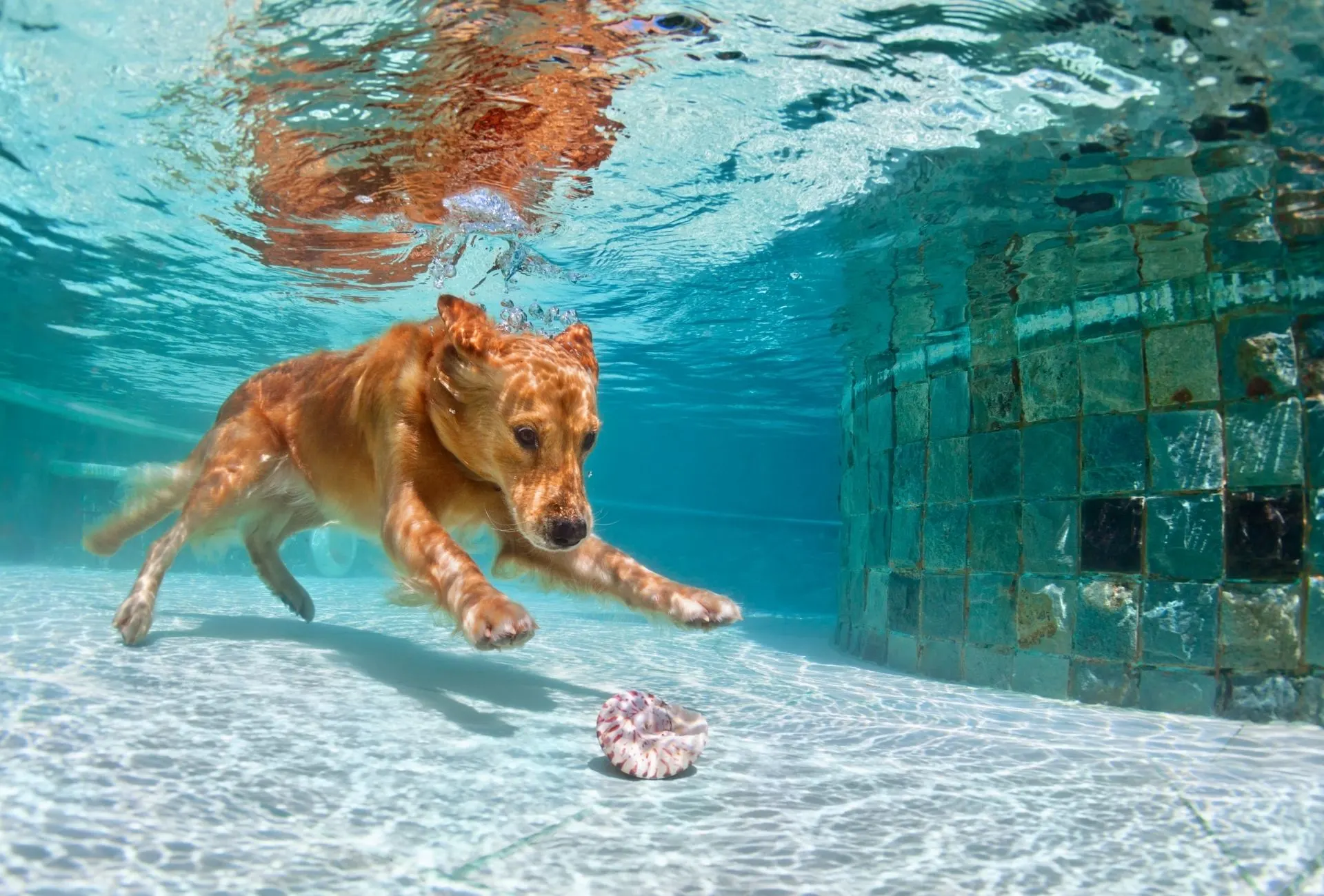
Image Source: pawleaks.com
How Long Can A Dog Swim Before Drowning: Dog Water Safety Tips & Dangers
Can a dog drown while swimming? Yes, dogs can drown while swimming, even strong swimmers, if they become exhausted, injured, or are in difficult water conditions. This is why dog water safety is paramount. Understanding a dog’s limitations and implementing proper precautions can prevent tragic accidents. While many dogs are natural swimmers, their canine water endurance is not limitless, and certain factors can quickly turn a fun swim into a dangerous situation. This comprehensive guide delves into how long dogs can swim, the risks involved, and essential dog water safety tips to ensure your furry friend enjoys the water safely.
Fathoming Canine Water Endurance
The question of “how long can a dog swim before drowning” doesn’t have a single, definitive answer. It’s highly variable and depends on numerous factors. Instead of a fixed time, it’s more productive to think about dog swimming duration limits in terms of a dog’s physical condition, breed, swimming ability, and the environment they are in.
Key Factors Influencing How Long a Dog Can Swim:
- Breed: Some breeds are naturally predisposed to swimming due to their build and coat type. Water-loving breeds like Retrievers (Labrador, Golden), Poodles, and Spaniels often have webbed feet and water-repellent coats, giving them an advantage. Breeds with short legs, heavy bodies, or breathing issues (like brachycephalic breeds such as Bulldogs and Pugs) may tire much faster and are at a higher puppy drowning risk if not closely supervised.
- Physical Fitness: Just like humans, a dog’s fitness level plays a crucial role. A well-conditioned dog accustomed to exercise will have greater stamina in the water than a sedentary or older dog.
- Age: Puppies and senior dogs generally have less stamina and are more susceptible to fatigue. Puppies are still developing their coordination and may not have mastered their swimming “doggy paddle” effectively, increasing their puppy drowning risk. Senior dogs may have underlying health conditions that limit their endurance.
- Water Temperature: Cold water can quickly lead to hypothermia, which significantly reduces a dog’s ability to swim and can lead to exhaustion and drowning. Even in warmer weather, prolonged exposure to cool water can be dangerous.
- Water Conditions: Strong currents, rough waves, or water with debris can rapidly tire a dog and make swimming much more challenging. Dogs can easily become disoriented or overwhelmed by powerful water forces.
- Health Conditions: Dogs with heart conditions, respiratory problems, or arthritis will have significantly reduced swimming capacity and are at higher risk.
- Emotional State: Stress, fear, or panic can cause a dog to expend energy rapidly and become exhausted very quickly.
Deciphering How Long Dogs Can Hold Their Breath
While dogs aren’t known for their breath-holding abilities like some aquatic mammals, they can hold their breath for short periods. However, this is not a primary factor in their swimming endurance. When a dog swims, they are actively paddling and breathing. It’s not comparable to diving. If a dog swallows water or gets their airway blocked by water, they can indeed drown, but this is usually due to incapacitation rather than a deliberate breath-holding contest. The ability to hold their breath is more relevant in scenarios of accidental submersion rather than sustained swimming.
Recognizing Signs of Tired Dog Swimming
It’s vital to be able to identify when your dog is getting tired in the water. Ignoring these signs of tired dog swimming can be dangerous. Early recognition allows you to get your dog out of the water before they become too exhausted to stay afloat.
Warning Signs Your Dog is Fatigued:
- Slowing Paddle Speed: Their usual enthusiastic paddling becomes slower and less efficient.
- Head Lowering: Their head may dip below the water surface more frequently, even when trying to swim.
- Panting Heavily: Excessive, strained panting can indicate significant exertion.
- Seeking Support: They might try to lean on you, a boat, or a dock for support more than usual.
- Erratic Swimming: They may start swimming in circles or have difficulty maintaining a straight line.
- Refusal to Enter Water: If they were previously enthusiastic but now seem hesitant to go back in, it’s a clear sign they are tired or have had enough.
- Tail Drooping: A normally wagging tail might start to droop or stop wagging altogether.
- Attempting to Climb Out: They might constantly try to scramble onto the edge of a boat or dock, even if it’s difficult.
Dog fatigue in water can set in surprisingly quickly, especially if the conditions are challenging or the dog is not accustomed to swimming. Never assume your dog can swim for extended periods without rest.
Preventing Dog Drowning: Essential Dog Water Safety Tips
Dog water safety is a proactive endeavor. By understanding the risks and implementing preventive measures, you can significantly reduce the chances of an incident. These dog water safety tips are crucial for any dog owner who enjoys water-based activities with their pet.
1. Invest in a Dog Life Vest
This is arguably the most important piece of dog water safety equipment. A well-fitting life vest provides buoyancy, keeping your dog’s head above water even if they become exhausted or incapacitated. Look for a vest with a sturdy handle on the back, which allows you to easily lift your dog in and out of the water or guide them.
- Features to look for in a life vest:
- Buoyancy: Ensure it provides adequate flotation.
- Fit: It should be snug but comfortable, allowing for freedom of movement.
- Handles: Essential for lifting and guiding your dog.
- Bright Colors: Makes your dog more visible in the water.
- Reflective Strips: For better visibility in low light conditions.
2. Supervise Constantly
Never leave your dog unsupervised near water, no matter how confident you are in their swimming ability. Drowning can happen in seconds. Designate a specific person to watch the dog if you’re engaged in other activities.
3. Acclimatize Your Dog Gradually
If your dog is new to swimming or has had limited exposure, introduce them to the water slowly and positively. Start in shallow, calm water where they can easily stand. Let them explore at their own pace. Avoid forcing them into the water.
4. Know Your Dog’s Limits
Pay close attention to the signs of tired dog swimming mentioned earlier. Don’t push your dog beyond their physical capabilities. Keep swimming sessions relatively short, especially for dogs that are not experienced swimmers or are older, younger, or have health issues. Understand dog swimming duration limits for your individual dog.
5. Teach Them How to Exit the Water
Show your dog where they can safely get out of the water, whether it’s a ramp, shallow area, or a specific spot on a dock. If you’re on a boat, ensure they know how to get back on board.
6. Avoid Dangerous Water Conditions
Steer clear of swimming in areas with strong currents, undertows, or rough waves. Also, be cautious of murky water where visibility is poor and submerged objects might be present.
7. Check Water Quality
Ensure the water is safe for your dog to swim in. Avoid stagnant water that may contain harmful bacteria or algae blooms (like blue-green algae), which can be toxic. Lakes, ponds, and rivers can all have varying water quality.
8. Rinse After Swimming
After swimming, especially in saltwater or chlorinated pools, rinse your dog thoroughly with fresh water. This helps prevent skin irritation, ear infections, and ingesting harmful chemicals.
9. Be Aware of Dangers Beyond Drowning
- Rip Currents: These can pull even strong swimmers out to sea.
- Submerged Objects: Sharp debris or rocks can cause injury.
- Wildlife: Be aware of potential encounters with snakes, alligators, or other aquatic animals.
- Boat Traffic: Keep a safe distance from boats and ensure your dog is visible.
- Exhaustion: This is a primary danger leading to drowning.
10. Hydration and Breaks
Even though they are in water, dogs can still get dehydrated. Offer fresh drinking water frequently. Ensure they have plenty of rest breaks on land or on a boat.
The Dangers of Dog Drowning: A Closer Look
Dog drowning prevention is a serious matter, and understanding the specific dangers is key. The idea that “dogs are natural swimmers” can be dangerously misleading. While many breeds can propel themselves through water, this doesn’t equate to inherent water safety or unlimited endurance.
How Drowning Occurs in Dogs:
- Exhaustion: This is the most common cause. A dog can simply swim until they are too tired to keep their head above water. This is why watching for signs of tired dog swimming is crucial.
- Panic/Fear: If a dog is startled, trapped, or disoriented, they can panic, thrashing wildly and expending energy rapidly, leading to exhaustion and submersion.
- Injury: A leg injury, cramp, or entanglement can prevent a dog from swimming effectively.
- Medical Event: In rare cases, a dog might have a heart attack or seizure while swimming.
- Accidental Submersion: Falling off a boat or dock unexpectedly, especially into deep or cold water, can be disorienting.
- Inability to Exit: A dog might get stuck in the water, unable to reach the shore or a boat, and eventually tire out. This is a significant concern for puppy drowning risk, as their coordination might not be fully developed.
Breed Specific Considerations for Canine Water Endurance
Different breeds have vastly different capabilities when it comes to swimming. It’s important to be aware of your breed’s predispositions.
Table: Breed Swimming Aptitude & Considerations
| Breed Group | Examples | Swimming Aptitude | Considerations |
|---|---|---|---|
| Water Retrievers | Labrador Retriever, Golden Retriever, Poodle | Excellent swimmers, bred for retrieving waterfowl. Strong swimmers. | Generally good endurance, but still susceptible to fatigue and cold. Always supervise. |
| Sporting Dogs | Spaniels (Cocker, Springer), Setters | Good swimmers, enjoy water, often used for hunting. | Can tire, especially in choppy water. Watch for signs of exertion. |
| Herding Dogs | Border Collie, Australian Shepherd | Variable. Some enjoy swimming, others less so. Can be agile. | May not have the natural buoyancy or endurance of water breeds. Monitor closely. |
| Terriers | Jack Russell Terrier, Yorkshire Terrier | Generally poor swimmers due to build and shorter legs. | High puppy drowning risk. Often need life vests even for shallow water. Can tire very quickly. |
| Hounds | Basset Hound, Dachshund, Greyhound | Variable. Some like water (e.g., Otterhound), many do not. Dachshunds have short legs. | Short-legged hounds will tire extremely quickly. Long-legged hounds might be better but still require supervision. |
| Working Dogs | Newfoundland, Portuguese Water Dog | Exceptional swimmers, bred for water rescues and work. | Excellent endurance, but can still succumb to extreme conditions or prolonged exertion. Their size means they can be difficult to pull from the water if exhausted. |
| Brachycephalic Breeds | Bulldog, Pug, Boxer | Very poor swimmers. Prone to breathing difficulties. | Extremely high puppy drowning risk. Even a brief submersion can be dangerous due to airway obstruction. Life vests are non-negotiable. Limit time in water severely. |
| Sighthounds | Greyhound, Whippet | Can be surprisingly good swimmers due to lean build, but lack significant body fat. | May get cold quickly. Can tire. Their sleek build might not provide as much natural buoyancy as other breeds. |
This table illustrates why a blanket statement about how long dogs can swim is impossible. A Newfoundland can swim for significantly longer than a Bulldog.
The Vulnerability of Puppies and Senior Dogs
Puppy drowning risk is a critical aspect of dog water safety. Puppies are still learning about the world, and their physical coordination is not fully developed. They may not understand how to paddle effectively or how to conserve energy. Their small size also means they can be more easily overwhelmed by waves or currents.
Similarly, senior dogs may have underlying health conditions like arthritis, heart problems, or reduced lung capacity, all of which will limit their canine water endurance. They are more prone to dog fatigue in water. Always err on the side of caution with puppies and senior dogs.
What to Do If Your Dog Falls into the Water Unexpectedly
If your dog is a strong swimmer and falls into calm, safe water, they may be able to paddle to safety themselves, especially if they are wearing a life vest. However, if they seem distressed or are in difficult conditions:
- Stay Calm: Your panic can transfer to your dog.
- Use the Handle: If they are wearing a life vest, grab the handle to guide them or lift them.
- Call Them: Use familiar commands to encourage them to come to you or a safe exit point.
- Approach Safely: If you need to enter the water to help, assess the risk to yourself first. Use a boat hook or a long object to reach them if possible.
- Get Them Out: Once out of the water, dry them off and check for any injuries.
- Monitor: Even if they seem fine, watch for any signs of distress or fatigue over the next few hours.
Frequently Asked Questions (FAQ)
Q1: Can my dog swim indefinitely?
A1: No. No dog can swim indefinitely. All dogs will eventually tire and become susceptible to drowning. Factors like breed, fitness, age, and water conditions greatly influence their endurance.
Q2: My dog loves to swim, does that mean they are safe?
A2: While a dog’s love for swimming is great, it doesn’t guarantee safety. It’s crucial to monitor them for signs of tired dog swimming and never leave them unsupervised. Even strong swimmers can be overcome by fatigue or unexpected water conditions.
Q3: What if my dog doesn’t like swimming?
A3: Respect your dog’s preferences. Forcing a dog to swim can cause fear and anxiety, making water activities a negative experience. There are many other ways to exercise and have fun with your dog.
Q4: How often should I take my dog swimming?
A4: This depends on your dog. Start with short sessions and gradually increase the duration as you gauge their stamina. Always observe for fatigue and offer breaks.
Q5: Are there specific dangers in saltwater vs. freshwater?
A5: Saltwater can be more tiring for dogs to swim in due to its density, and ingesting too much can lead to dehydration and salt poisoning. Freshwater can sometimes harbor more parasites and bacteria. Always rinse your dog after swimming in either.
Conclusion: Prioritizing Dog Water Safety
The question of “how long can a dog swim before drowning” is best answered by focusing on prevention and observation rather than a specific time limit. Every dog is an individual, with unique strengths and limitations. By implementing robust dog water safety tips, investing in a life vest, recognizing the signs of tired dog swimming, and respecting your dog’s capabilities, you can ensure that water activities remain a source of joy and bonding, not a potential tragedy. Prioritizing dog drowning prevention is an essential part of responsible pet ownership, allowing your canine companion to safely enjoy the wonders of water.