
So, you’re wondering, “How long does a dog spay take?” The actual dog spay surgery time is generally quite brief, often lasting between 20 to 45 minutes. However, this is just the surgical phase, and the entire process, from arrival at the vet clinic to going home, takes significantly longer. Many factors influence the average spay surgery duration, making it crucial to have a comprehensive understanding. This guide will walk you through everything you need to know about the time for dog spay operation, including the dog spay recovery time, and compare it to the dog neuter vs spay time. Let’s dive into the specifics of how long does it take to spay a dog and how long does a female dog spay typically last.
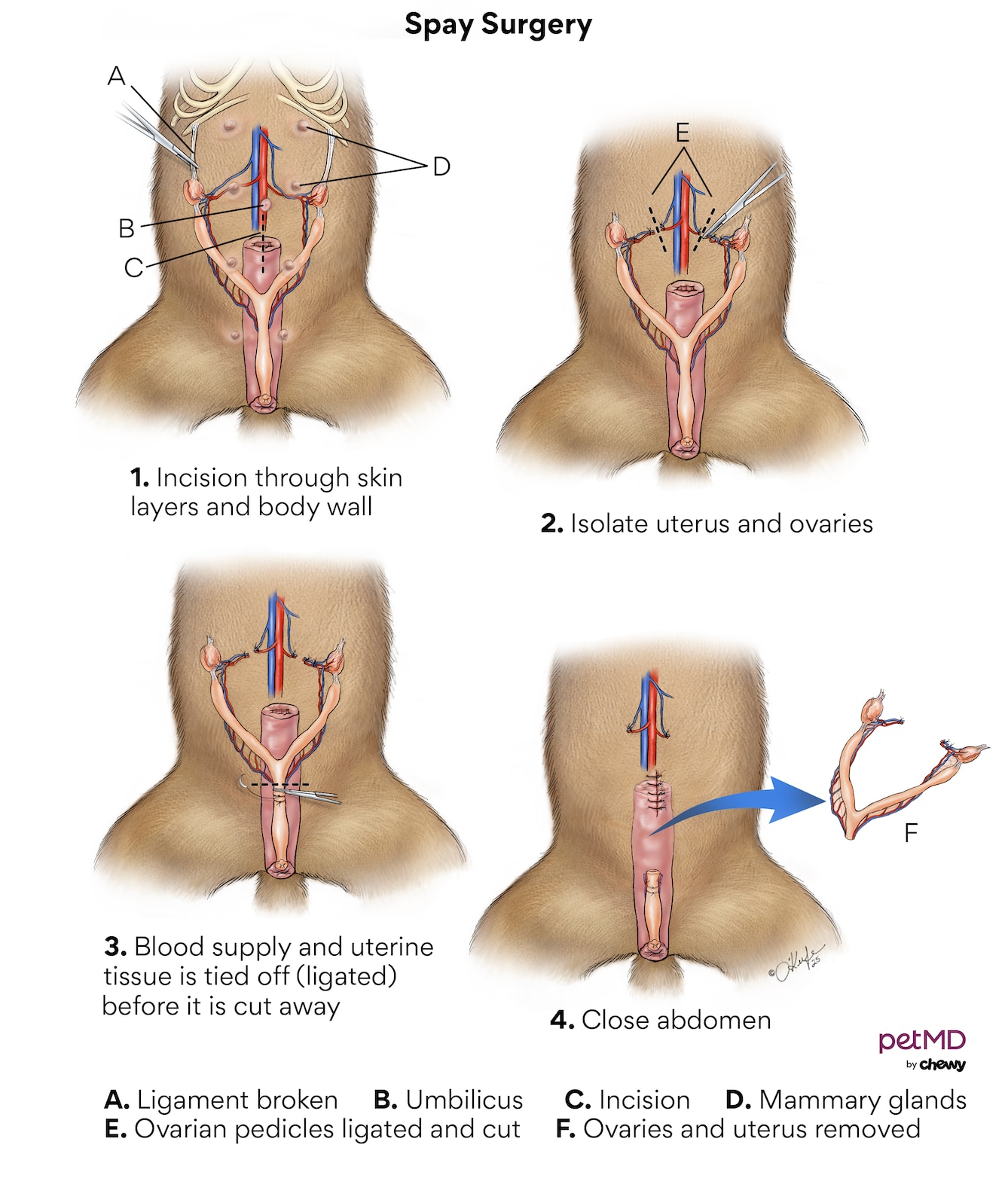
Image Source: image.petmd.com
The Surgical Clock: What Happens During a Dog Spay?
When we talk about how long does a dog spay take, it’s important to remember that the surgery itself is only one part of the veterinary visit. The entire experience involves preparation, anesthesia, the procedure, recovery from anesthesia, and pre-discharge checks. Understanding the whole timeline helps set realistic expectations.
Pre-Operative Preparations: Setting the Stage
Before the surgery can even begin, there are crucial steps to ensure your dog’s safety and the success of the operation. These include:
- Arrival and Check-in: You’ll typically drop your dog off at the veterinary clinic in the morning. The veterinary staff will go over the consent forms, answer any last-minute questions, and confirm your dog’s details. This initial interaction sets the tone for the day.
- Pre-Anesthetic Examination: A veterinarian or veterinary technician will perform a thorough physical exam to make sure your dog is healthy enough for anesthesia and surgery. This is a critical step to identify any potential risks.
- Blood Work: Many veterinary clinics recommend pre-anesthetic blood work. This checks vital organ functions (like kidneys and liver) and blood cell counts to ensure anesthesia can be administered safely. The results are usually available quickly, but it adds to the pre-operative timeline.
- IV Catheter Placement: An intravenous (IV) catheter is usually placed before anesthesia. This allows for the administration of fluids and medications during the procedure.
- Pre-Medication: Your dog might receive pre-anesthetic medications to help them relax, manage pain, and make the induction of anesthesia smoother.
Anesthesia: The Sleep of the Surgery
Once your dog is ready, anesthesia is administered. This is a critical phase managed by trained veterinary professionals.
- Induction: This involves administering anesthetic drugs, typically intravenously, to quickly induce unconsciousness.
- Intubation and Maintenance: Once unconscious, an endotracheal tube is placed in your dog’s trachea. This tube connects to an anesthetic gas machine, allowing for precise delivery of anesthetic gases and oxygen. The veterinary team monitors your dog’s vital signs (heart rate, breathing, blood pressure, temperature, oxygen saturation) continuously throughout the surgery.
The Surgical Procedure: The Core of the Spay
The actual dog spay surgery time is when the removal of the ovaries and uterus (ovariohysterectomy) takes place. This is performed by a skilled veterinarian.
- Sterile Preparation: The surgical area on your dog’s abdomen is shaved, scrubbed with antiseptic solutions, and draped with sterile cloths to minimize the risk of infection.
- Incision: A small incision is made in the abdomen. The exact location can vary slightly depending on the surgeon’s preference and the dog’s anatomy.
- Ovariohysterectomy: The veterinarian carefully identifies the ovaries and uterus. Ligatures (sutures) are used to tie off the blood vessels supplying the ovaries and the uterine horns. The ovaries and uterus are then removed.
- Closure: The abdominal incision is closed in layers. This typically involves internal sutures for the abdominal muscles and subcutaneous tissues, and either dissolvable or removable sutures for the skin. Some surgeons opt for skin glue or surgical staples.
Post-Operative Recovery: Waking Up Safely
After the surgery is complete, your dog is moved to a recovery area to wake up from anesthesia.
- Monitoring: Vital signs continue to be closely monitored as your dog emerges from anesthesia.
- Oxygen Therapy: Sometimes, supplemental oxygen is provided to aid recovery.
- Pain Management: Pain medication is administered to ensure your dog is comfortable.
- Observation: The veterinary team observes your dog for any immediate complications or reactions to anesthesia.
Factors Influencing the Dog Spay Surgery Time
While the 20-45 minute range is a good general estimate for the surgical portion, several factors can cause this spaying a dog time estimate to fluctuate:
Dog’s Size and Breed
- Smaller Dogs: Can sometimes be quicker to prepare and anesthetize, but intricate tissues might require delicate handling.
- Larger Dogs: May have more substantial blood vessels and tissues to manage, potentially extending the surgical time slightly.
- Breed-Specific Considerations: Certain breeds might have anatomical variations or predispositions to certain conditions that a veterinarian needs to account for, subtly influencing the dog spay surgery duration. For example, some brachycephalic (short-nosed) breeds may require more careful anesthetic management.
Anatomical Variations
- Reproductive Health: If a dog has had heat cycles or is pregnant, the reproductive organs may be larger and have increased blood supply, which can make the surgery more complex and take longer.
- Underlying Conditions: Any pre-existing medical conditions, even if mild, can require extra caution and potentially extend the surgical time. This is why thorough pre-anesthetic evaluations are so important.
Surgeon’s Experience and Technique
- Experienced Surgeons: Tend to be more efficient and precise, which can contribute to a shorter surgical duration.
- Surgical Approach: Different surgeons may use slightly different techniques for ligation, incision placement, or closure, all of which can impact the average spay surgery duration.
Type of Spay Procedure
- Traditional Ovariohysterectomy: This is the most common method, where both ovaries and the uterus are removed.
- Ovariectomy: In some cases, especially in younger dogs or in specific protocols, only the ovaries are removed, leaving the uterus in place. This procedure is often slightly quicker.
- Minimally Invasive Techniques (Laparoscopic Spay): While not universally available, laparoscopic spaying involves smaller incisions and the use of specialized instruments and cameras. These procedures can sometimes be quicker once the setup is complete and may lead to faster recovery, but the initial setup time can be longer. However, the actual internal dog spay surgery time might be comparable or even shorter for experienced practitioners.
The Full Timeline: From Drop-off to Going Home
It’s crucial to understand that the how long does a dog spay take question encompasses more than just the time the scalpel is used. The entire veterinary visit can span several hours.
Morning Drop-off and Preparation: 1-2 Hours
- This includes check-in, physical examination, blood draw (if applicable), and any pre-anesthetic medications.
Anesthesia and Surgery: 1-2 Hours (including anesthesia induction and waking up)
- This is the core of the surgical process but also includes the time for safe induction and initial recovery from anesthesia. The actual time for dog spay operation is within this window.
Post-Surgical Monitoring and Recovery: 1-3 Hours
- Your dog will be closely monitored until they are awake enough to stand or walk unsteadily and are comfortable.
Pre-Discharge Briefing: 15-30 Minutes
- The veterinary staff will provide you with detailed post-operative care instructions, explain medications, and answer any questions you have before you take your dog home.
Total Time at the Clinic: 4-8 Hours (or more)
- Most dogs are typically ready to go home in the afternoon of the same day the surgery is performed.
Dog Spay vs. Neuter Time: A Comparison
When considering surgical times, it’s often helpful to compare the dog neuter vs spay time.
Dog Neutering (Orchidectomy)
- Procedure: Involves the surgical removal of the testicles.
- Average Surgery Time: Generally shorter than a spay, often taking around 10-20 minutes.
- Reasons for Shorter Time: The anatomy is simpler, with fewer internal organs involved. The surgical site is typically on the scrotum, which is external.
Dog Spaying (Ovariohysterectomy/Ovariectomy)
- Procedure: Involves the surgical removal of the ovaries and uterus (or just ovaries).
- Average Surgery Time: As discussed, typically 20-45 minutes for the surgical portion.
- Reasons for Longer Time: It is an internal abdominal surgery requiring careful dissection, ligation of blood vessels, and closure of multiple tissue layers.
Table: Comparing Dog Spay and Neuter Surgical Times
| Procedure | Typical Surgical Time | Complexity | Anatomical Location |
|---|---|---|---|
| Spay | 20-45 minutes | High | Abdominal Cavity |
| Neuter | 10-20 minutes | Moderate | Scrotal Area |
It’s important to remember that these are surgical times. The overall time spent at the clinic for both procedures will be similar due to the pre- and post-operative protocols.
Dog Spay Recovery Time: What to Expect
Beyond the surgical duration, dog spay recovery time is a critical aspect of the process. Proper care at home is essential for a smooth and complete healing process.
Immediate Post-Operative Period (First 24-48 Hours)
- Lethargy: Your dog will likely be sleepy and may not want to eat much.
- Pain: Despite pain medication, some discomfort is normal. Keep them in a quiet, comfortable place.
- Incision Site: Keep the incision clean and dry. Monitor for excessive swelling, redness, discharge, or bleeding.
- Activity Restriction: Absolutely no running, jumping, or rough play. Leash walks only for potty breaks.
- E-Collar Use: An Elizabethan collar (cone) or surgical suit is essential to prevent licking or chewing at the incision, which can lead to infection or dehiscing (opening) of the wound.
Early Recovery (Days 3-7)
- Increased Alertness: Your dog will start to regain more energy. It’s vital to continue strict activity restriction.
- Appetite: Appetite should return to normal.
- Incision Check: Continue to monitor the incision daily. You may see mild redness or a little clear discharge, which is usually normal.
Mid-Recovery (Weeks 1-2)
- Suture Removal (if applicable): If your vet used non-dissolvable sutures, they will typically be removed around 10-14 days after surgery.
- Gradual Increase in Activity: Once the incision is well-healed and sutures are removed, your vet may give permission for a gradual return to normal activity. However, complete healing can take longer.
Full Recovery (4-6 Weeks)
- Internal Healing: While the external incision may look healed much sooner, internal tissues and organs take several weeks to fully heal.
- Complete Return to Normal: Most dogs are back to their usual energetic selves within 4-6 weeks. However, it’s always best to follow your veterinarian’s specific post-operative instructions.
Key Aspects of Dog Spay Recovery:
- Activity Restriction: This is paramount. For at least two weeks, limit your dog’s activity to short, leashed walks for elimination. No running, jumping, playing fetch, or roughhousing.
- Incisional Care: Keep the incision clean and dry. Do not apply any creams or ointments unless specifically directed by your vet.
- Prevent Licking: Use an e-collar or surgical suit consistently to prevent licking or chewing the incision. Licking can introduce bacteria and cause serious complications.
- Pain Management: Administer all prescribed pain medications on schedule. Contact your vet if your dog appears to be in significant pain despite medication.
- Monitoring for Complications: Be vigilant for signs of infection (excessive redness, swelling, pus-like discharge, foul odor), dehiscence (wound opening), lethargy, or lack of appetite beyond the first 24 hours.
Frequently Asked Questions About Dog Spay Timing
Q1: How long does the actual surgical part of a dog spay take?
A1: The actual surgical procedure, often called the dog spay surgery time, typically lasts between 20 to 45 minutes. This is the time from when the dog is prepared for surgery to when the incision is closed.
Q2: What is the total time I should expect my dog to be at the vet for a spay?
A2: You should expect your dog to be at the veterinary clinic for approximately 4 to 8 hours, from drop-off in the morning to pick-up in the afternoon. This includes pre-operative preparations, anesthesia, the surgery itself, and post-operative recovery and monitoring before discharge.
Q3: How long does a female dog spay typically take from start to finish of the entire vet visit?
A3: A female dog spay visit, from the moment you drop her off to when you pick her up, usually takes a significant portion of the day, often 4 to 8 hours. The surgical duration is just a part of this overall timeline.
Q4: Does the dog spay recovery time differ greatly from the surgery time?
A4: Yes, the dog spay recovery time is significantly longer than the surgery time. While the surgery takes less than an hour, full recovery, meaning the internal healing is complete and your dog can return to normal activities, can take 4 to 6 weeks. The immediate post-operative period, where you need to be most vigilant, lasts for about two weeks.
Q5: How does the time for a dog spay operation compare to a dog neuter vs spay time?
A5: The time for dog spay operation is generally longer than a dog neuter. While a neuter surgery might take 10-20 minutes, a spay typically takes 20-45 minutes due to the abdominal approach and more complex internal anatomy involved in removing the ovaries and uterus.
Q6: What is the average spay surgery duration for a very large breed dog?
A6: The average spay surgery duration can be slightly longer for very large breed dogs, potentially extending towards the higher end of the 20-45 minute range or slightly beyond, due to larger anatomical structures and greater blood supply to the reproductive organs. However, experienced surgeons can still perform these efficiently.
Q7: How long does it take to spay a dog if there are complications?
A7: If complications arise during surgery, such as heavy bleeding or unexpected anatomical anomalies, it can take to spay a dog longer than the average time. The veterinary team will prioritize the dog’s safety, and the surgery will continue until all issues are addressed, potentially extending the dog spay surgery duration.
Q8: Is the spaying a dog time estimate always accurate?
A8: The spaying a dog time estimate of 20-45 minutes is a general guideline for the surgical part. The actual time can vary based on the factors mentioned earlier (dog’s health, anatomy, breed, surgeon’s technique). It’s always best to consult with your veterinarian for a more personalized estimate for your specific dog.
By understanding the entire process, from the initial preparation to post-operative care, you can be well-prepared for your dog’s spaying surgery and ensure a smooth and successful experience. Always communicate openly with your veterinarian to address any concerns you may have.