
Can you teach a dog to heel? Yes, you absolutely can teach a dog to heel using positive reinforcement training methods, making walks enjoyable and safe for both you and your canine companion. This guide will delve into the essential steps of dog leash training and achieving loose leash walking through consistent dog training commands. Mastering the “heel” command is a cornerstone of good dog leash manners, and with patience and the right approach, any dog can learn.
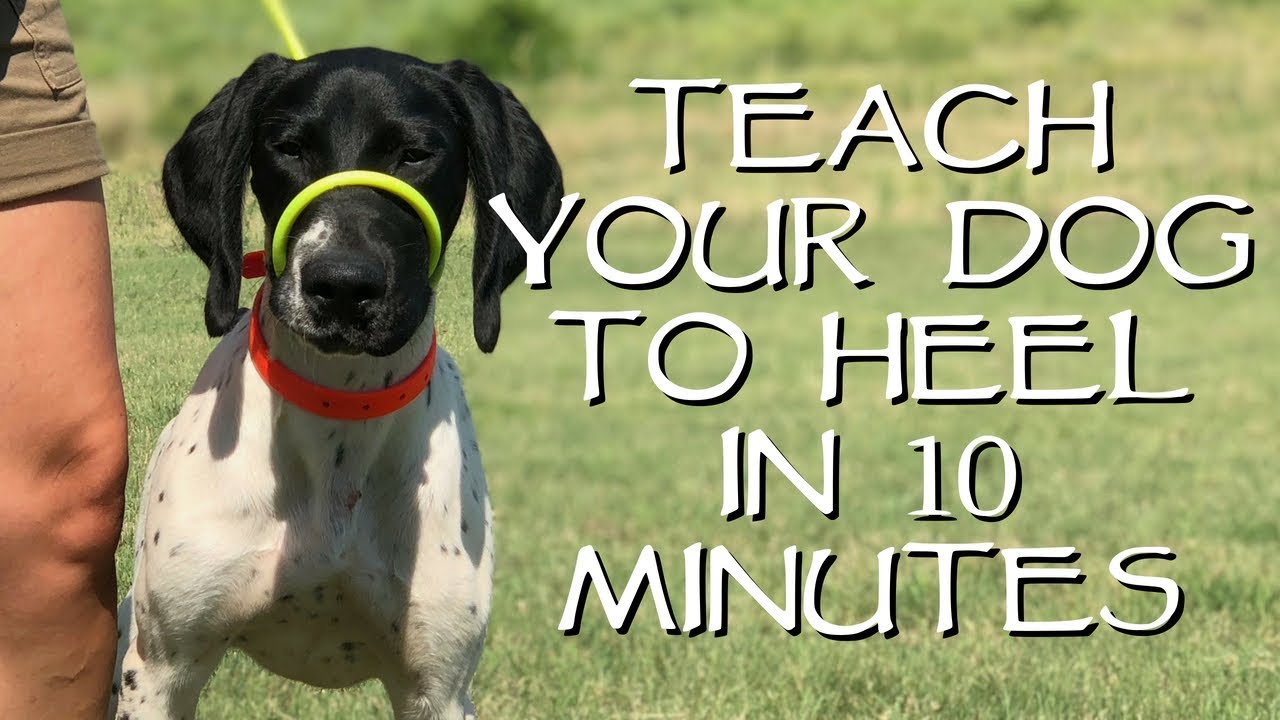
Image Source: i.ytimg.com
The Foundation: Building a Positive Partnership
Before we start teaching specific commands, it’s crucial to establish a strong, positive relationship with your dog. This means your dog sees you as a reliable source of good things, like treats, praise, and fun. Dog leash training isn’t just about a physical connection with a leash; it’s about a mental and emotional connection.
Essential Gear for Success
- A Well-Fitting Collar or Harness: For puppy leash training and older dogs alike, the right equipment is key. A flat buckle collar or a martingale collar is suitable for many dogs, but if your dog pulls consistently, consider a front-clip harness or a head halter. Avoid choke chains or prong collars, as these can cause pain and damage.
- A Sturdy Leash: A standard 4-6 foot leash made of nylon or leather is ideal. Avoid retractable leashes, as they offer less control and can be dangerous.
- High-Value Treats: These are small, delicious treats that your dog absolutely loves. Think tiny pieces of cooked chicken, cheese, or specially made training treats.
- A Clicker (Optional but Recommended): Clicker training for dogs provides a precise marker for when your dog does something right.
Establishing Communication: The Power of Positive Reinforcement
Positive reinforcement training is the most effective and humane way to teach your dog. This means rewarding desired behaviors, making them more likely to happen again. For teaching “heel,” we’ll focus on rewarding your dog for being in the correct position next to you.
Introducing the “Heel” Command: Step-by-Step
Teaching “heel” is essentially teaching your dog to walk politely by your side, with slack in the leash. It requires patience, consistency, and breaking down the process into small, manageable steps.
Step 1: Getting Your Dog Used to the Leash and Collar/Harness
This is the very first stage, especially crucial for puppy leash training.
* Let your puppy or dog wear the collar or harness for short periods indoors.
* Associate the gear with positive experiences: give treats, play games, or offer praise while they have it on.
* If using a leash, let them drag it around under supervision. This helps them get used to the feeling.
Step 2: Rewarding the Correct Position (Without Walking Yet)
We’ll start by reinforcing the desired position.
* Hold the leash. Have your dog stand or sit beside your left leg (this is the traditional heel position, but you can choose the right if preferred).
* When your dog is in the correct spot, click (if using a clicker) and immediately give a treat.
* Repeat this many times in short sessions. Your dog will start to associate being by your side with good things.
Common Snag: My Dog Won’t Stay Near Me
- Too Much Distraction: Start in a quiet room with no distractions.
- Treats Not Appealing Enough: Use higher-value treats.
- Not Enough Movement: Try a very slight lure with the treat to keep their attention.
Step 3: Taking the First Steps
Once your dog is comfortable being by your side, we add movement.
* Hold the leash loosely.
* Take one step forward. If your dog moves with you and stays in the correct position, click and treat.
* Take another step. Click and treat if they are still with you.
* Keep sessions very short – just a few steps at first.
* As you progress, gradually increase the number of steps before rewarding.
Step 4: Adding the “Heel” Cue
Once your dog is reliably walking by your side for several steps, you can add the verbal cue.
* As you begin to walk forward, say “Heel.”
* If your dog walks with you in the correct position, click and treat.
* If your dog lags behind or pulls ahead, stop walking. Wait for them to return to your side, or gently reel them back in. Once they are in position, resume walking.
Table: Building Up Walking Distance
| Session Goal | Steps to Practice | Reward Frequency |
|---|---|---|
| Introduction | 1-2 | Every step |
| Short Progressions | 3-5 | Every 2-3 steps |
| Moderate Practice | 5-10 | Every 4-5 steps |
| Extended Practice | 10-15 | Every 6-8 steps |
Step 5: Introducing Turns and Changes in Pace
Once your dog can walk a short distance in “heel” position, it’s time to make it more dynamic.
* Turns: As you turn, say “Heel.” Reward your dog for staying with you through the turn. If they get ahead or behind, pause and encourage them back to position.
* Speed Changes: Vary your walking speed. Reward your dog for adjusting their pace to match yours.
Step 6: Transitioning to the Leash
This is where the real loose leash walking happens.
* Start by walking for longer periods without a treat in your hand.
* Keep the clicker handy and a few treats in a pouch.
* Reward intermittently when your dog is walking nicely by your side.
* If the leash tightens, stop moving. Do not yank or drag your dog. Wait for the leash to slacken, then continue walking. This teaches them that pulling stops the fun.
Troubleshooting Common “Heel” and Loose Leash Walking Issues
Even with the best intentions, challenges arise. Here’s how to tackle them.
My Dog is Still Pulling on the Leash
- Inconsistent Rewards: Are you rewarding enough for good walking?
- Leash Tension: Ensure you’re stopping whenever the leash tightens. Make pulling unrewarding.
- Prematurely Increased Difficulty: Go back a step. Practice in a less distracting environment.
- Low-Value Treats: Your dog might be too distracted by the environment to care about regular kibble.
My Dog Keeps Lagging Behind
- Use a Lure: Hold a treat slightly ahead of your dog’s nose to encourage them to move forward with you.
- Encouragement: Use a cheerful tone of voice and praise them for moving forward.
- Check for Discomfort: Ensure the harness or collar isn’t causing discomfort.
My Dog Tries to Go Ahead or Sniff Everything
- “Leave It” Command: This is crucial for dog impulse control. Practice “leave it” with distractions.
- Planned Sniff Breaks: Allow dedicated times for sniffing. Walk for a bit, then say “Go sniff!” and let them explore for a minute or two before resuming heel training.
- Reward Proximity: Actively reward your dog for choosing to stay near you.
My Dog is Distracted by Other Dogs, People, or Smells
- Work Below Threshold: Start training at a distance where your dog can still focus on you. Gradually decrease the distance as they improve.
- Higher Value Rewards: Make your rewards so good that they are more interesting than the distractions.
- “Watch Me” or “Focus” Cue: Teach your dog to make eye contact with you. This is a fantastic tool for redirecting their attention.
Expanding “Heel” Training: Generalizing the Command
A command learned in the living room needs to be practiced everywhere.
Practice in Different Environments
- Start Small: Begin in your backyard, then move to a quiet street.
- Gradual Introduction to Distractions: Slowly introduce more challenging environments like parks, busier streets, or areas with other dogs.
- Set Your Dog Up for Success: Don’t throw them into an overwhelming situation. If you know there will be many distractions, use extra-high-value treats and be prepared to stop and reset if needed.
Incorporating Other Dog Training Commands
- “Sit” at Crosswalks: Practice having your dog sit by your side before crossing streets.
- “Stay” for Distractions: If another dog walks past, ask for a “stay” while they are there, rewarding them for remaining calm.
- Recall Training: If your dog accidentally breaks away, a strong dog recall training command is vital. Practice recall regularly in controlled environments.
The Importance of Dog Impulse Control
Teaching “heel” is also a lesson in dog impulse control. Your dog learns to resist the urge to chase a squirrel, greet another dog excitedly, or snatch a dropped piece of food. By rewarding them for choosing to focus on you and stay in position, you’re strengthening their self-control.
Advanced Loose Leash Walking Techniques
Once you have a solid foundation, you can refine your loose leash walking skills.
Introducing the “Loose Leash” Cue
You can even teach a specific cue for when the leash is slack.
* When the leash is loose and your dog is in the correct position, say “Loose” or “Easy.”
* Click and treat.
* This can be helpful for dogs who understand “heel” but occasionally forget when the leash tightens.
Handler Movement and Leash Handling
- Smooth Transitions: Try to move smoothly yourself. Jerky movements can encourage your dog to become tense.
- Leash Position: Keep the leash in a comfortable position that allows for slack. Avoid wrapping it tightly around your hand or wrist, which can transfer tension.
- “Stop and Go”: If the leash tightens, stop. Only move forward when the leash is slack. This is the core principle of teaching loose leash walking.
When to Seek Professional Help
While most dogs can learn to walk nicely on a leash with consistent training, some situations might benefit from professional guidance.
- Severe Leash Reactivity: If your dog barks, lunges, or shows aggression towards other dogs or people while on leash.
- Persistent, Strong Pulling: If you’ve tried various methods and are not seeing improvement.
- Fear or Anxiety: If your dog exhibits significant fear or anxiety during walks.
- Aggression Issues: Any signs of aggression need immediate professional attention.
A certified professional dog trainer (CPDT) or a veterinary behaviorist can assess your dog’s specific needs and provide tailored strategies.
Frequently Asked Questions (FAQ)
How long does it take to teach a dog to heel?
The time it takes varies greatly depending on the dog’s age, breed, previous training, and your consistency. Puppy leash training often progresses faster, but older dogs can certainly learn. Expect to practice consistently for several weeks to months to achieve reliable loose leash walking.
What age is best for puppy leash training?
You can start puppy leash training as soon as your puppy is comfortable wearing a collar or harness and has received necessary vaccinations for safe outdoor exposure. Typically, this is around 8-12 weeks old. Early positive experiences are key.
Can I teach an older dog to heel?
Absolutely! While an older dog might have ingrained habits, they are perfectly capable of learning new dog training commands. Patience and positive reinforcement training are your best tools. You might need to adjust your approach based on their past experiences.
Should I use a clicker for teaching heel?
A clicker is an excellent tool for clicker training for dogs. It acts as a precise marker for the exact moment your dog performs the desired behavior (being in the heel position). This clarity can speed up the learning process. However, you can also achieve success with verbal markers like “yes” or “good.”
My dog pulls constantly, what’s the best solution?
Stopping whenever the leash tightens is the most fundamental technique for loose leash walking. Pair this with rewarding your dog for walking with slack. If pulling is extreme, consider a front-clip harness or head halter as management tools while you continue positive reinforcement training for dog leash manners.
How do I stop my dog from sniffing everything on a walk?
While sniffing is a natural and important behavior for dogs, it can interfere with heel training. Designate specific “sniff breaks” where your dog is allowed to explore freely. During heel periods, use cues like “Heel” and reward them for staying focused on you. Practicing the “leave it” command also helps with dog impulse control.
Is there a difference between “heel” and “loose leash walking”?
While often used interchangeably, there’s a subtle distinction. “Heel” is a formal command to position your dog precisely next to your leg, often with a specific posture. “Loose leash walking” is the broader goal of walking with slack in the leash, which “heel” can contribute to, but you can achieve loose leash walking without a strict formal “heel.” The focus here is on the relaxed, enjoyable walk.
Mastering the “heel” command and achieving excellent loose leash walking is a journey, not a destination. Celebrate small successes, remain patient, and enjoy the process of building a stronger bond with your dog through effective dog training commands and positive reinforcement training. Happy walking!