
When will my dog wake up from anesthesia? Your dog will typically begin to show signs of waking up within a few hours after the anesthesia is administered, but full recovery can take 12 to 24 hours or even longer, depending on the type of anesthetic used, the duration of the procedure, and your dog’s individual health.
Bringing your beloved canine companion in for a veterinary procedure that requires anesthesia can be a stressful experience for any pet owner. You want to ensure your dog is comfortable, safe, and recovers smoothly. A common concern that arises is how long the anesthesia will last and when your dog will be back to their normal, playful self. This comprehensive guide delves into the intricacies of dog anesthesia recovery, exploring factors influencing anesthesia duration pets, common anesthesia side effects dogs may experience, and how to best support your dog through the process.
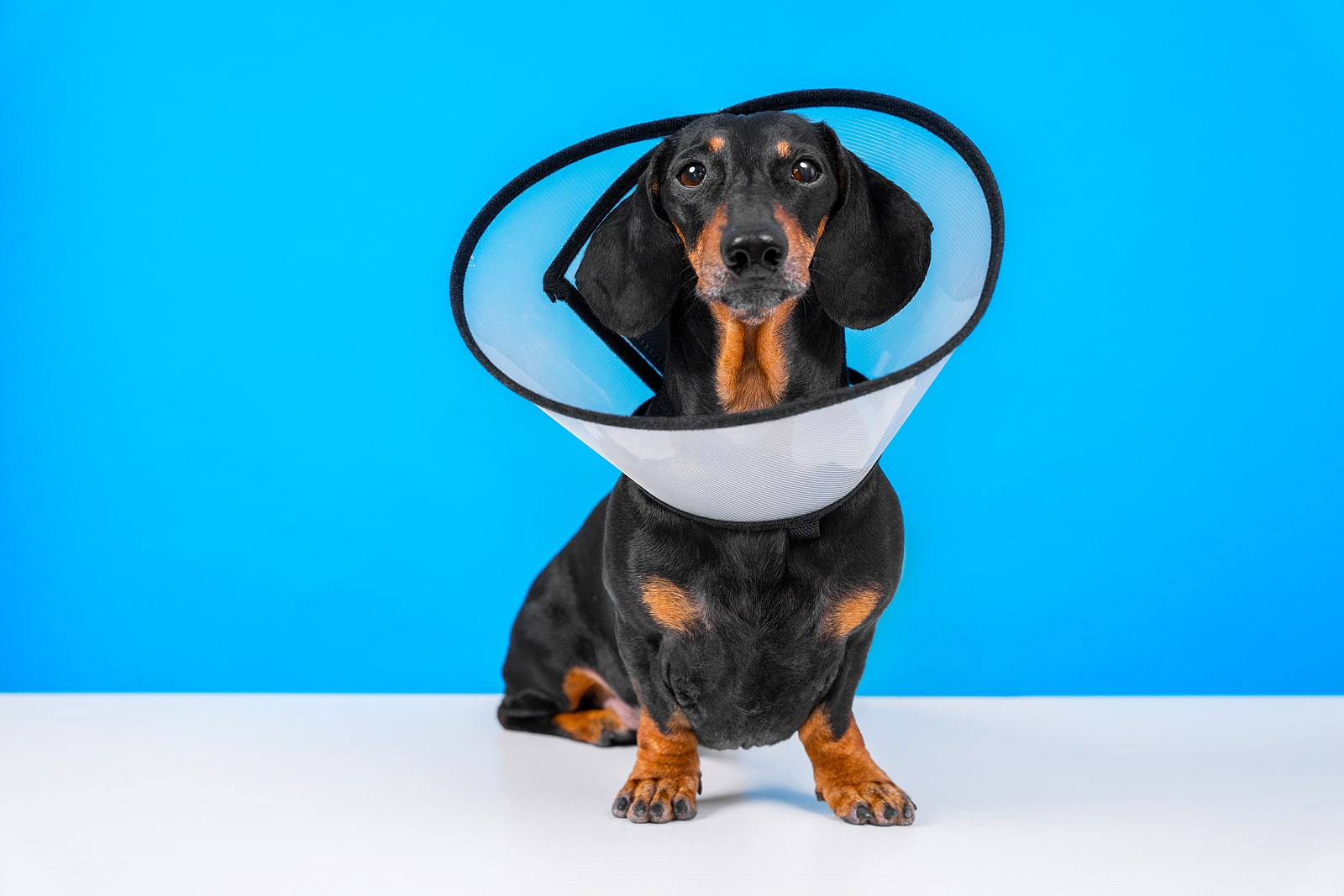
Image Source: octanecdn.com
Deciphering Dog Anesthesia Recovery Times
The time it takes for your dog to fully recover from anesthesia varies significantly. Several factors play a crucial role in determining the veterinary anesthesia recovery time. These include:
- Type of Anesthetic: Different anesthetic agents have varying lengths of action and metabolization rates. Some produce a rapid onset and quick recovery, while others are designed for longer procedures and may have a slower wear-off period.
- Dosage: The amount of anesthetic administered is carefully calculated based on your dog’s weight, age, and health status. Higher doses generally lead to longer recovery times.
- Duration of Procedure: Longer surgical or diagnostic procedures often require deeper or longer-acting anesthesia, which can extend the recovery period.
- Your Dog’s Age and Health: Puppies and senior dogs may metabolize anesthetics differently than healthy adult dogs. Dogs with underlying health conditions, such as kidney or liver disease, may also take longer to process the anesthetic.
- Breed: Certain breeds are known to be more sensitive to anesthetic agents. For example, sighthounds (like Greyhounds and Whippets) often require different anesthetic protocols due to their unique metabolism of certain drugs.
- Combination of Medications: If your dog received pre-anesthetic medications, pain relief, or other drugs during the procedure, these can also influence the overall recovery timeline.
Signs of Anesthesia Wearing Off Dogs
Observing your dog for specific cues is essential to gauge their dog regaining consciousness. While the initial stages of waking up might involve grogginess and disorientation, you’ll begin to see more definitive signs of anesthesia wearing off dogs.
Here’s what to look for:
- Increased Alertness: Your dog may start to hold their head up more, their eyes may track movement, and they might respond to their name or gentle stimuli.
- Wobbly Gait: As coordination returns, your dog might try to stand or walk, but their movements will likely be unsteady and uncoordinated. They might stumble or lean to one side.
- Vocalization: Some dogs may whine, cry, or even bark softly as they become more aware of their surroundings and potential discomfort.
- Shivering or Trembling: This is a common side effect as the body temperature returns to normal after anesthesia. It can also be a response to the lingering effects of sedatives or pain medications.
- Nausea and Vomiting: It’s not uncommon for dogs to feel nauseous after anesthesia, which can lead to vomiting. This is usually a temporary phase.
- Changes in Behavior: Your dog might be more clingy, seek comfort, or conversely, seem a bit agitated or confused.
It’s important to remember that dog sedation effects can be varied. Some dogs may appear to wake up quickly, while others might take their time to fully return to their baseline behavior.
The Process of Anesthesia in Dogs
To better grasp how long anesthesia lasts, it’s helpful to understand the general process. Safe anesthesia for dogs involves a carefully managed protocol, typically including:
- Pre-Anesthetic Evaluation: Your veterinarian will perform a thorough physical examination, discuss your dog’s medical history, and may recommend blood work to assess organ function. This helps tailor the anesthetic plan and identify potential dog anesthesia risks.
- Pre-Medication: Before the main anesthetic is administered, your dog may receive injectable medications to help them relax, reduce anxiety, and provide pain relief. This also makes the induction of anesthesia smoother.
- Induction: This is the process of rendering your dog unconscious. It’s usually achieved through intravenous (IV) injection of an anesthetic agent.
- Maintenance: For longer procedures, anesthesia is maintained using either inhaled anesthetic gases delivered via a breathing tube or continued IV infusions of anesthetic drugs.
- Monitoring: Throughout the entire procedure, your dog’s vital signs – including heart rate, blood pressure, respiration, oxygen levels, and body temperature – are closely monitored by trained veterinary staff. This is crucial for ensuring safe anesthesia for dogs and managing any complications.
- Recovery: Once the procedure is complete, the anesthetic agents are stopped, and your dog begins the process of waking up in a warm, quiet, and safe environment.
Factors Influencing Anesthesia Duration
Let’s delve deeper into the factors that impact how long anesthesia stays in your dog’s system.
Type of Anesthetic Agents
Veterinary anesthetics are broadly categorized, and each has a different profile:
- Injectable Anesthetics: These are often used for induction or for shorter procedures. Examples include propofol, ketamine, and alfaxalone. Their duration of action can range from a few minutes to an hour or more, depending on the specific drug and dosage.
- Inhalant Anesthetics: Gases like isoflurane and sevoflurane are commonly used to maintain anesthesia during longer procedures. Their effects wear off relatively quickly once the gas is stopped, as they are exhaled by the dog. However, the lingering effects of other medications given concurrently can influence the overall recovery time.
Dosage and Administration Route
The volume and concentration of anesthetic administered are precisely calculated. A higher dose, or a continuous rate infusion (CRI) of anesthetic drugs, will naturally prolong the anesthesia duration pets experience. The route of administration also matters. Intravenous administration provides a faster onset but may have a quicker clearance than some intramuscular injections.
Dog’s Physiological Factors
- Metabolism: Like humans, dogs have varying metabolic rates. Dogs with faster metabolisms tend to process and eliminate anesthetic drugs more quickly, leading to shorter recovery times. Conversely, slower metabolisms mean longer-lasting effects.
- Body Fat Percentage: Some anesthetic drugs are lipophilic, meaning they are stored in fat tissues. Dogs with a higher body fat percentage may have a slower release of these drugs from their fat stores, potentially extending the recovery period.
- Liver and Kidney Function: The liver and kidneys are the primary organs responsible for breaking down and eliminating anesthetic drugs. Impaired function in these organs can significantly slow down the clearance of anesthetics, leading to prolonged dog anesthesia recovery.
Breed-Specific Sensitivities
As mentioned earlier, some breeds have unique responses to anesthesia. For instance, sighthounds lack a specific enzyme that helps break down barbiturate anesthetics (though these are less commonly used now). This genetic predisposition means they can be significantly more sensitive to certain drugs, requiring lower doses and careful monitoring to prevent prolonged sedation or respiratory depression. Pugs, Bulldogs, and other brachycephalic (short-nosed) breeds can also have increased risks due to their airway anatomy, necessitating extra care during anesthesia and recovery.
Post-Anesthesia Care and What to Expect
Once your dog is home, providing excellent post-op care for dogs is vital for a smooth recovery. Your veterinarian will give you specific instructions, but generally, you can expect the following:
Immediate Post-Procedure (at the Clinic)
- Constant Monitoring: Your dog will be monitored closely in a recovery area until they are alert and stable enough to go home.
- Pain Management: Pain medication will likely be administered to ensure your dog is comfortable.
- Hydration: Your dog may be offered water or a small amount of food once they are fully awake and able to swallow properly.
At Home Recovery
- Rest and Quiet Environment: Provide a comfortable, quiet, and warm place for your dog to rest without disturbances from other pets or loud noises. Limit activity.
- Leash Walks: For bathroom breaks, keep your dog on a leash and allow only short, slow walks. Avoid strenuous activity, running, jumping, or playing for the period recommended by your vet (often 7-14 days, depending on the procedure).
- Diet: Start with small, easily digestible meals. Your vet may recommend a specific recovery diet. Avoid rich or fatty foods for a few days.
- Medication: Administer all prescribed medications, especially pain relievers, exactly as directed by your veterinarian. Do not give over-the-counter human medications, as many are toxic to dogs.
- Wound Care: If your dog had surgery, keep the incision site clean and dry. Prevent licking or chewing at the wound by using an Elizabethan collar (cone) or a surgical suit. Check the incision daily for any signs of infection like redness, swelling, discharge, or heat.
- Monitoring for Complications: Keep a close eye on your dog for any concerning anesthesia side effects dogs might experience beyond the usual grogginess.
Potential Anesthesia Side Effects Dogs May Exhibit
While veterinarians strive for safe anesthesia for dogs, some temporary side effects are common as the anesthesia wears off:
- Grogginess and Disorientation: This is the most typical effect and can last for several hours to a full day. Your dog might seem confused, clumsy, or sleepy.
- Nausea and Vomiting: As mentioned, this can occur shortly after waking up or when they first eat.
- Shivering/Trembling: This is a common thermoregulatory response as body temperature normalizes.
- Coughing or Gagging: If a breathing tube was used, some mild irritation of the throat can cause a temporary cough.
- Changes in Appetite: Your dog might have a reduced appetite for 24-48 hours after the procedure.
- Temporary Behavioral Changes: Some dogs may be more vocal, clingy, or irritable for a short period.
- Mild Swelling at IV Site: The area where the IV catheter was placed might be slightly swollen or bruised.
When to Contact Your Veterinarian
While most recovery progresses smoothly, it’s crucial to know when to seek professional advice. Contact your veterinarian immediately if you observe any of the following:
- Prolonged Lethargy: If your dog remains very sleepy and unresponsive for more than 24-48 hours.
- Persistent Vomiting or Diarrhea: More than one or two episodes, especially if accompanied by lethargy or loss of appetite.
- Difficulty Breathing: Labored breathing, rapid breathing, or noisy breathing.
- Pale Gums: Gums that are white, blue, or very pale can indicate serious issues.
- Inability to Urinate or Defecate: For more than 24-48 hours after the procedure.
- Excessive Bleeding or Discharge from Incision Site: Some minor oozing is normal, but significant bleeding or pus should be addressed.
- Signs of Severe Pain: Whining, restlessness, inability to get comfortable, or aggression when touched.
- Collapse or Seizures.
- Any other signs that worry you.
Your vet can help differentiate between normal recovery processes and signs of more serious dog anesthesia risks.
Factors Influencing Full Recovery Time
Full recovery, meaning your dog is back to their normal activity level and behavior, can take longer than just waking up. Several factors influence this:
- The Nature of the Procedure: A simple dental cleaning will have a faster full recovery than major orthopedic surgery.
- Pain Management Effectiveness: Adequate pain control is essential for allowing your dog to rest and heal, which aids in overall recovery.
- Post-Operative Complications: If any issues arise, such as infection or delayed wound healing, the full recovery timeline will be extended.
- Owner Compliance with Post-Op Care: Following all instructions diligently regarding rest, activity restriction, and medication will significantly impact how quickly your dog bounces back.
Estimating Recovery Timelines: A General Guide
It’s challenging to give exact times due to the many variables, but here’s a general idea of what you might expect for common procedures:
| Procedure Type | Typical Time to Wake Up (from end of anesthesia) | Typical Time to Return to Normal Activity |
|---|---|---|
| Dental Cleaning/Extraction | 2-6 hours | 24-72 hours |
| Spay/Neuter | 4-8 hours | 7-14 days |
| Minor Skin Mass Removal | 3-7 hours | 24-72 hours |
| Orthopedic Surgery | 6-12 hours | 4-12 weeks (or longer, with physical therapy) |
| Abdominal Surgery | 8-24 hours | 2-4 weeks |
| Routine Diagnostics (e.g., Endoscopy) | 3-6 hours | 24 hours |
Note: These are approximate times and can vary greatly.
Frequently Asked Questions (FAQ)
Q1: Can I give my dog food or water once they are home after anesthesia?
A1: Your veterinarian will advise you when it’s safe to offer food and water. Typically, once your dog is fully awake and not nauseous, you can offer a small amount of water. For food, start with a small, bland meal as recommended by your vet. Avoid large quantities or rich foods initially.
Q2: My dog is still groggy after 24 hours. Is this normal?
A2: While most dogs are more alert within 12-24 hours, some individuals, especially older dogs or those who had longer procedures or received certain medications, may take longer to fully shake off the anesthetic effects. However, if your dog is completely unresponsive or showing other concerning signs, it’s best to contact your vet.
Q3: Is it safe for my dog to be left alone after anesthesia?
A3: It’s generally best to have someone supervise your dog closely for the first 24 hours after anesthesia. They may be disoriented and could injure themselves or have accidents. If you must leave them, ensure their environment is safe and comfortable.
Q4: My dog vomited after anesthesia. What should I do?
A4: A single episode of vomiting shortly after waking up or after eating a small meal is often normal. However, if your dog vomits repeatedly, seems distressed, or shows other symptoms like lethargy, contact your veterinarian.
Q5: What are the biggest dog anesthesia risks?
A5: While veterinary anesthesia is very safe today, potential risks include allergic reactions, breathing problems, low blood pressure, heart rhythm disturbances, and post-operative nausea or pain. Your veterinarian’s thorough pre-anesthetic evaluation and continuous monitoring are designed to minimize these dog anesthesia risks.
Conclusion
The question of “How long for dog anesthesia to wear off?” is multifaceted, with answers influenced by a dog’s unique physiology and the specifics of their veterinary procedure. By understanding the factors at play, recognizing the signs of dog regaining consciousness, and providing diligent post-op care for dogs, you can help ensure your furry friend makes a swift and comfortable return to their happy, healthy selves. Always communicate openly with your veterinarian about any concerns you may have throughout the dog anesthesia recovery process. They are your best resource for safe anesthesia for dogs and optimal outcomes.