
Can you stop a herding dog from nipping? Yes, you can stop a herding dog from nipping by using consistent training methods, focusing on positive reinforcement, and redirecting their natural herding instincts. Herding dog nipping is a common challenge, particularly with puppies, but with the right approach, it can be managed and even eliminated. This guide will help you tackle herding dog nipping effectively.
Herding dogs, with their intense focus and drive, are bred for specific jobs. Nipping is a key part of their natural herding behavior, a tool they use to control livestock. When this instinct spills over into interactions with humans, especially children or visitors, it can be alarming. This guide delves into the reasons behind herding dog nipping and provides practical, actionable steps to deter nipping and foster good canine manners.
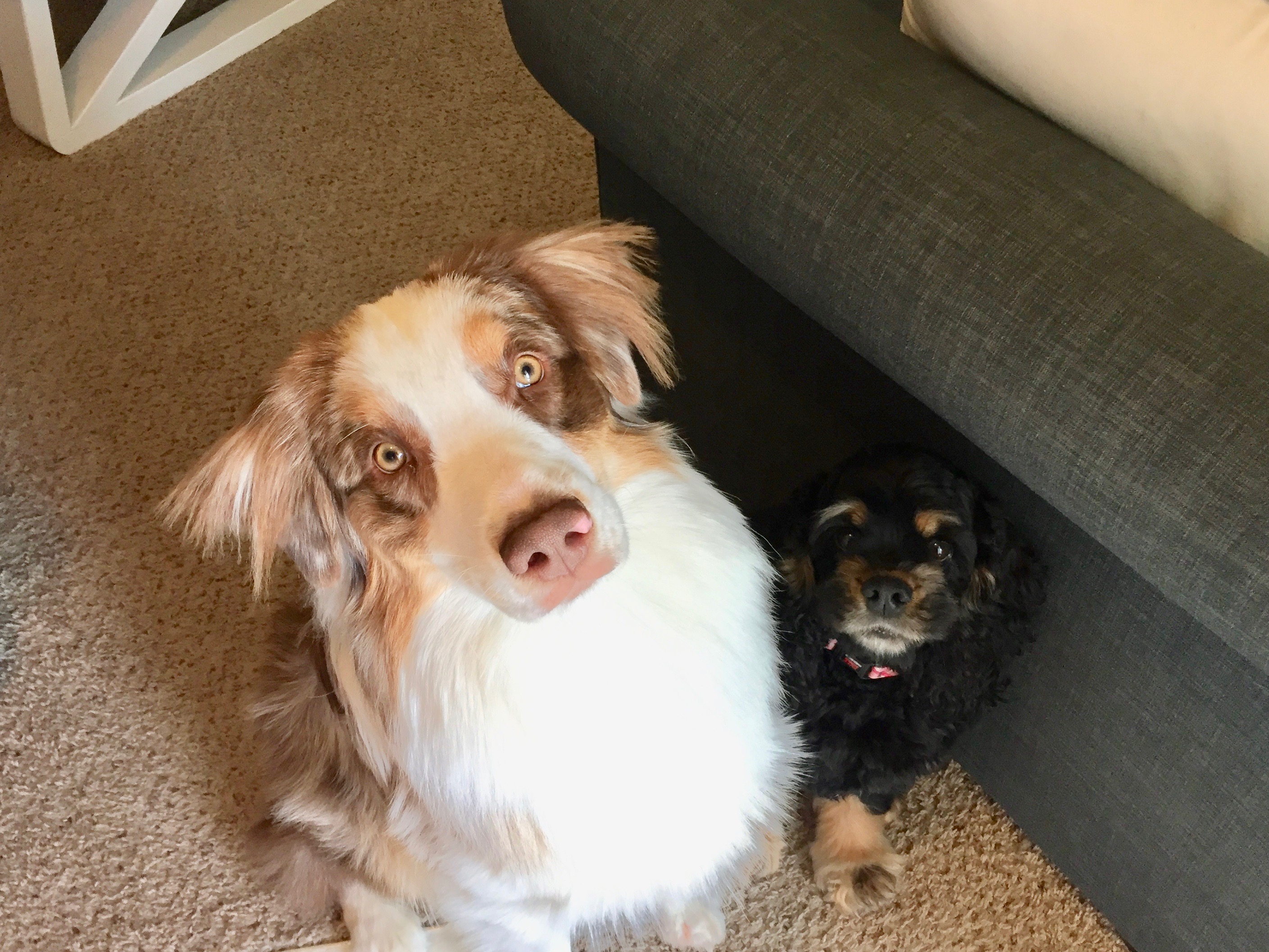
Image Source: www.doggoneproblems.com
Deciphering Why Herding Dogs Nip
Herding dog nipping isn’t aggression. It’s a communication and control method. They might nip to:
- Guide Movement: Their instinct is to move things from behind or the sides, often with gentle nips. This is how they keep a flock together and moving in the desired direction.
- Get Attention: If they feel ignored or want something, a nip can be a quick way to get your focus.
- Express Excitement: High energy levels and anticipation can sometimes lead to nipping. This is common in puppy nipping.
- Play: Nipping can be part of play for puppies, mimicking how they learn from littermates.
- Respond to Triggers: Certain fast movements, dropped objects, or even loud noises can trigger their herding instinct, leading to a nip.
The Herding Instinct in Action
These dogs have been selectively bred for centuries to work with livestock. Their genetic makeup hardwires them to herd. This means they possess an innate drive to:
- Circle: They will often circle people or objects.
- Stalk: They may crouch low and follow.
- Chase: Fast-moving items are irresistible.
- Nip: This is their primary tool for guiding and controlling.
Recognizing these natural tendencies is the first step in managing unwanted nipping. It’s about channeling that energy, not suppressing it entirely.
Tackling Puppy Nipping: Early Intervention is Key
Puppy nipping is a normal developmental stage. Puppies explore the world with their mouths. However, if not managed, it can become a problematic habit. Puppy nipping prevention starts the moment your puppy comes home.
Setting Boundaries from Day One
- “Ouch!” Method: When your puppy nips too hard, yelp loudly. This mimics how littermates signal pain. Immediately withdraw attention and play for a few seconds.
- Withdrawal of Play: If the yelp doesn’t work, stop all interaction. Get up and walk away for 10-20 seconds. This teaches them that hard nipping ends the fun.
- Redirection: Have appropriate chew toys ready. When they start to nip your hands or clothes, immediately offer a toy. Praise them when they chew the toy instead.
Socialization and Bite Inhibition
Exposing your puppy to various sights, sounds, people, and other vaccinated, well-behaved dogs is crucial. This helps them learn appropriate social behaviors. Through play with other puppies, they learn bite inhibition – how to control the pressure of their mouth.
Effective Strategies to Deter Nipping
Once you’ve addressed puppy nipping, you need ongoing strategies to deter nipping in adult herding dogs. Consistency is your best friend.
Redirection Techniques
This is a cornerstone of managing herding behavior, including nipping.
Interactive Toy Play
- Tug-of-War: Use a sturdy tug toy. Teach your dog a “drop it” command. If they nip your hand during tug, say “ouch” and stop the game. Only resume when they are gently holding the toy or have dropped it.
- Fetch and Retrieve: Games of fetch channel their prey drive and focus into a positive outlet.
- Puzzle Toys: Food-dispensing toys can keep their minds engaged and prevent boredom-induced nipping.
Mental Stimulation
A tired dog is a good dog. Mental work is just as important as physical exercise for herding breeds.
- Training Sessions: Short, frequent training sessions are excellent for mental stimulation.
- Nose Work: Hide treats around the house or yard and let them use their nose to find them.
- Obedience Training: Reinforcing basic obedience commands keeps their mind sharp.
Positive Reinforcement for Good Behavior
Reward your dog when they engage in desired behaviors. This could be:
- Calmness: Reward them for lying down calmly near you.
- Gentle Play: Praise and reward them for playing with toys without nipping.
- Responding to Commands: Reinforce their “sit,” “stay,” and “leave it” commands.
Clicker Training
A clicker can be a powerful tool. The click marks the exact moment of the desired behavior, followed immediately by a treat. This precision helps your dog learn what you want them to do.
Managing Triggers
Identify what situations or behaviors cause your dog to nip.
- Fast Movements: If your dog nips at moving feet, practice having people walk slowly and calmly around them. Reward them for remaining calm.
- Children’s Play: If children are running and screaming, this can trigger a herding response. Supervise interactions closely. Teach children how to interact calmly with the dog. Consider using a leash on the dog during initial interactions with very active children.
Advanced Training Techniques
Beyond basic redirection, advanced training can further refine your herding dog’s behavior.
Obedience Training as a Foundation
Solid obedience training is not just about commands; it’s about building a communication system and a respectful relationship.
Key Commands to Master
- “Leave It”: Crucial for teaching them to disengage from tempting items, including hands or feet.
- “Sit” and “Stay”: These commands help with impulse control and provide a way to manage your dog in stimulating situations.
- “Place” or “Go to Mat”: Teaching your dog to go to a designated spot and stay there can be incredibly useful for managing them when guests arrive or during busy times.
Using a Training Collar Correctly
When considering tools to help manage nipping, some owners opt for a training collar. It’s crucial to use these tools humanely and effectively.
Types of Training Collars and Their Use
- Martingale Collars: These prevent dogs from backing out of their collars and can provide a gentle tightening when the leash is taut, helping to discourage pulling or lunging. They are not intended for punishment but for gentle guidance.
- Head Halters (e.g., Gentle Leader, Halti): These work by giving you control over the dog’s head. They can be very effective for dogs that tend to nip or lunge, as they allow you to redirect their head away from the trigger. Proper introduction and fitting are essential.
- Flat Collars and Harnesses: For dogs that are not exhibiting severe nipping but need general leash training, a well-fitting flat collar or a front-clip harness can be effective.
Important Note on Training Collars: Training collars are tools, not solutions. They should be used in conjunction with positive reinforcement and redirection. If you are unsure about using a training collar, consult a professional dog trainer. Never use choke chains or prong collars without expert guidance, as they can cause physical and psychological harm if misused. The goal is to communicate, not to inflict pain.
Impulse Control Exercises
These exercises teach your dog to think before they act.
- Waiting for Food: Don’t let your dog eat until you give a release command.
- Waiting at Doors: Teach them to wait for permission to go through doorways.
- “Stay” with Distractions: Gradually introduce distractions while your dog is in a “stay” command.
Addressing Dog Biting vs. Nipping
It’s important to distinguish between nipping and outright dog biting.
- Nipping: Typically involves a quick, light snap with closed or partially closed jaws. It’s often done with the intention of guiding or getting attention.
- Biting: Involves more forceful contact with the teeth, often causing injury. This can stem from fear, pain, or true aggression.
If your herding dog exhibits true biting behavior that causes injury, this is a serious issue that requires immediate professional intervention from a certified professional dog trainer or a veterinary behaviorist. The strategies discussed here are primarily for managing and deterring the more common nipping associated with herding instincts.
Common Scenarios and Solutions
Let’s look at specific situations where herding dog nipping occurs and how to address them.
Nipping at Children
Herding breeds are often drawn to the movement of children.
- Supervised Interactions: Always supervise interactions between herding dogs and young children.
- Teach Children Calmness: Educate children on how to approach and interact with the dog calmly. No chasing, screaming, or sudden movements around the dog.
- Provide a “Safe Space”: Ensure the dog has a place to retreat to if they feel overwhelmed.
- Redirect the Dog: If the dog starts to nip, use a toy or a command to redirect them.
Nipping at Guests
When guests arrive, excitement can lead to nipping.
- Pre-Arrival Exercise: Tire your dog out with a good walk or play session before guests arrive.
- Management: Use a leash or a designated “place” command when guests first enter.
- Reward Calmness: Give treats and praise for calm behavior when guests are present.
- Discourage “Greeting Nips”: If guests are allowing the dog to nip their hands, politely ask them to stop. Redirect the dog to a toy or a sit command.
Nipping During Play
Even in play, a herding dog might get overstimulated.
- “Ouch” and Withdraw: As mentioned, a loud “ouch” followed by withdrawing attention is key.
- Controlled Play: Keep play sessions short and end them before your dog gets too excited.
- Channel Energy: Provide plenty of appropriate outlets for their energy through exercise and training.
What Not to Do
Certain methods can worsen herding dog nipping or create new problems.
- Punishment: Hitting, yelling excessively, or using harsh physical corrections can make your dog fearful or anxious, potentially leading to aggression or increased nipping.
- Ignoring: While ignoring mild nipping for attention can work, ignoring persistent or problematic nipping will not make it go away and could reinforce it.
- Physical Restraint Without Redirection: Simply grabbing your dog’s muzzle or holding them down without teaching them an alternative behavior can be counterproductive.
Consistency and Patience are Paramount
Stopping herding dog nipping is a marathon, not a sprint. Your dog is acting on instinct.
- Be Consistent: Every family member and every visitor should follow the same rules.
- Be Patient: It takes time for dogs to learn new behaviors and unlearn old ones.
- Celebrate Small Wins: Acknowledge and reward progress, no matter how small.
When to Seek Professional Help
If you’re struggling to manage nipping, or if the behavior seems aggressive, don’t hesitate to seek professional guidance.
- Certified Professional Dog Trainers (CPDT-KA, KSA): Look for trainers who use positive, science-based methods.
- Veterinary Behaviorists: For complex behavioral issues or suspected aggression, a veterinary behaviorist is the best resource.
FAQ Section
Q1: My herding puppy is nipping my hands a lot. What’s the quickest way to stop it?
The quickest way to stop puppy nipping is to yelp “ouch!” loudly whenever they nip too hard, immediately withdraw attention and play for a few seconds, and then redirect them to an appropriate chew toy. Consistency and immediate redirection are key to puppy nipping prevention.
Q2: Can herding dog nipping be completely eliminated?
Yes, herding dog nipping associated with their natural instincts can be significantly managed and often eliminated with consistent positive reinforcement training, proper redirection techniques, and ensuring the dog’s physical and mental needs are met. True aggression requiring a “dog biting” response is a different issue requiring professional help.
Q3: My dog nips at my heels when I walk. How can I deter nipping in this situation?
To deter nipping at your heels, first, ensure you are not inadvertently triggering the behavior with your movements. Practice walking calmly and predictably. When the nipping occurs, use an immediate “leave it” command or a quick redirection to a toy. Consider using a leash initially to help manage the situation and prevent the nip. Obedience training, especially “sit” and “stay,” can also help.
Q4: Is it okay for my herding dog to nip during play?
It’s important to teach your herding dog to play gently. While some mouthing is normal in puppies, it should be controlled. If your dog’s nips are too hard or break the skin, it’s a sign that bite inhibition needs to be reinforced. Use the “ouch” and withdraw method, and redirect to toys. The goal is to deter nipping that is too rough.
Q5: My Border Collie nips at the children’s feet when they run. What should I do?
This is classic herding behavior. To address this, ensure children are supervised and taught to move calmly around the dog. When the dog attempts to nip, use a firm “no” and immediately redirect their attention to a toy or a command like “sit.” Providing the dog with their own activities, like fetch or agility training, can help channel this energy constructively. Puppy nipping prevention is much easier than correcting established habits.
Q6: How does obedience training help with herding behavior?
Obedience training provides a clear communication system between you and your dog. Commands like “sit,” “stay,” “leave it,” and “place” give you tools to manage your dog’s impulses and redirect their herding instincts into acceptable behaviors. It builds a foundation of respect and focus, making it easier to deter nipping.
Conclusion
Managing herding dog nipping requires a commitment to consistent training, patient redirection, and a deep appreciation for the breed’s natural instincts. By employing positive reinforcement techniques, providing ample mental and physical stimulation, and understanding the root causes of nipping, you can successfully guide your herding companion to become a well-behaved and cherished member of your family. Remember, every dog is an individual, and finding the perfect approach may involve some trial and error, but the rewards of a strong, positive relationship with your herding dog are immense.