
What is the typical hormone recovery time for a dog after spaying? Generally, it takes a few weeks to a couple of months for a dog’s body to fully adjust to the hormonal changes after spaying, though individual experiences can vary.
Spaying, the surgical removal of a female dog’s ovaries and uterus (ovariohysterectomy), is a common procedure that brings significant health and behavioral benefits. However, it also leads to fundamental hormonal changes after spaying. For many owners, a key concern is how long it takes for their dog’s body to regulate these new post-spay hormone levels and achieve canine hormone balance recovery. This guide aims to provide a comprehensive look at the timing of hormonal shifts after spaying, helping you navigate the hormone recovery time and what to expect.
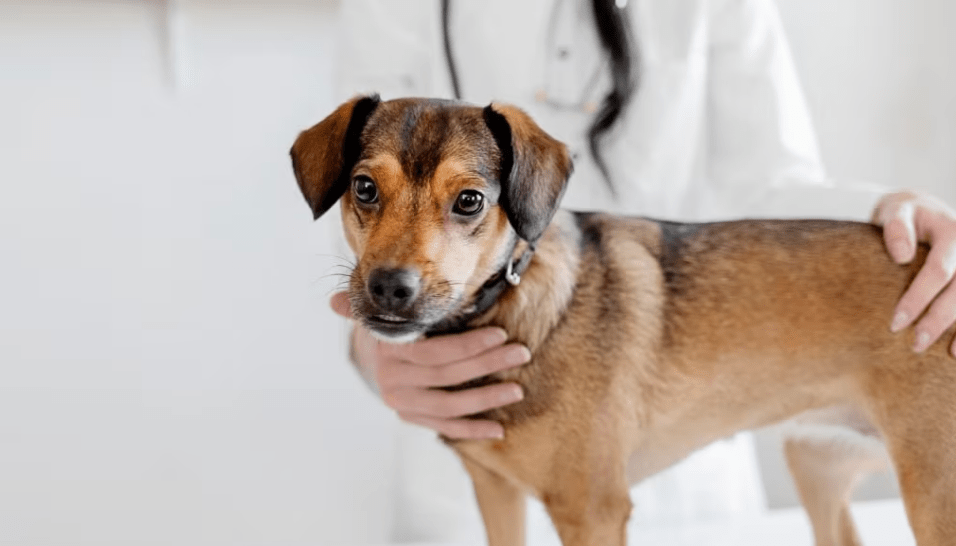
Image Source: www.tnah.ca
Deciphering Hormonal Shifts After Spaying
Before delving into the recovery timeline, it’s crucial to grasp why spaying impacts hormone levels. The ovaries are the primary producers of key reproductive hormones: estrogen and progesterone.
- Estrogen: This hormone plays a vital role in the female reproductive cycle, influencing ovulation, mood, and physical development.
- Progesterone: Essential for maintaining pregnancy, progesterone also impacts mood and behavior.
When the ovaries are removed, the body’s primary source of these hormones is eliminated. This sudden drop initiates a cascade of physiological adjustments as the body learns to function without them. This doesn’t mean the dog will become “hormone-less”; other glands, like the adrenal glands, still produce small amounts of estrogen and other hormones. However, the significant and cyclical influence of ovarian hormones is gone.
The Role of Estrus Cycle After Spaying
One of the most immediate and noticeable effects of spaying is the cessation of the estrus cycle (heat). A female dog typically cycles twice a year, experiencing periods of fertility and behavioral changes associated with attracting a mate. After spaying, these cycles stop entirely, which is a primary reason for the surgery itself, preventing unwanted pregnancies and reducing the risk of certain cancers.
The elimination of the estrus cycle is a direct consequence of removing the hormonal drivers. Without ovaries producing estrogen and progesterone in a cyclical manner, the physical and behavioral signs of heat—such as vaginal discharge, swollen vulva, increased vocalization, and receptivity to males—will not occur.
Navigating Hormone Recovery Time
The term “hormone recovery time” might imply a return to pre-spay hormone levels. However, in the context of spaying, it refers to the period of adaptation and stabilization following the surgical removal of the ovaries. Your dog’s body is not “recovering” to its previous hormonal state, but rather adjusting to a new baseline.
Initial Post-Spay Adjustments
Immediately following surgery, your dog will experience physiological stress from the procedure itself. Pain medication and rest are crucial during this initial healing phase. While the absence of ovaries is permanent, the body’s overall system takes time to recalibrate.
- Pain and Inflammation: These are normal post-surgical responses and will gradually subside as the incision heals.
- Stress Hormones: The stress of surgery can temporarily elevate cortisol levels, which is a normal physiological response. These levels typically return to baseline within days to weeks.
Gradual Hormonal Stabilization
The most significant hormonal shifts after spaying involve the decline in estrogen and progesterone. The body’s systems that were influenced by these hormones will gradually adapt. This adaptation period is what most owners refer to as hormone recovery time.
- Weeks 1-4: During this initial period, your dog is primarily focused on surgical healing. Hormonal changes are ongoing but may not be outwardly obvious beyond the absence of heat. Some dogs might exhibit mild behavioral changes, which can be due to pain, anesthesia effects, or the very early stages of hormonal adjustment.
- Months 1-3: This is typically when the most noticeable hormonal stabilization occurs. Your dog’s metabolism, appetite, and energy levels may begin to settle into a new pattern. You might observe changes in coat condition or skin health as well.
- Months 3-6: For many dogs, this period marks a significant degree of canine hormone balance recovery. Behavioral patterns that were influenced by hormonal cycles, such as certain types of restlessness or mood swings, may become more consistent or disappear.
It’s important to note that testosterone levels after spaying in female dogs are generally very low, as the primary source of testosterone in females is the adrenal glands and ovaries in small amounts. The removal of ovaries has minimal impact on existing low testosterone levels in females.
Understanding Spaying Side Effects Hormones
While spaying offers numerous health benefits, the absence of ovarian hormones can lead to some potential spaying side effects hormones. These are not necessarily negative outcomes but rather physiological consequences that owners should be aware of.
Weight Gain and Metabolism
One of the most commonly reported side effects is a predisposition to weight gain. Estrogen plays a role in regulating metabolism and appetite. With lower estrogen levels, a dog’s metabolism may slow down, making them more prone to accumulating body fat, even with the same food intake and exercise levels.
- Metabolic Rate: A decrease in estrogen can lead to a slight reduction in basal metabolic rate.
- Appetite Regulation: Some dogs may experience increased appetite post-spaying.
This is why adjusting your dog’s diet and ensuring regular exercise are crucial steps in managing weight after spaying. It’s not a guaranteed outcome, but a tendency that requires proactive management.
Coat and Skin Changes
Hormonal fluctuations can affect the quality of a dog’s coat and skin. Some dogs may experience:
- Dull Coat: A loss of sheen or softness in the fur.
- Increased Shedding: While shedding is normal, some owners report an increase or change in shedding patterns.
- Skin Thinning: In rare cases, hormonal changes can lead to skin thinning or increased susceptibility to infections.
These changes are usually subtle and can often be managed with a good diet rich in essential fatty acids and regular grooming.
Urinary Incontinence
Although less common, hormonal changes can sometimes contribute to urinary incontinence in spayed female dogs. This is often referred to as “spay incontinence” and is thought to be related to lower estrogen levels affecting bladder muscle tone.
- Bladder Muscle Tone: Estrogen contributes to the strength of the urethral sphincter muscles.
- Timing: This issue typically appears months to years after spaying, not immediately.
If this occurs, veterinary intervention, often with medication, can effectively manage the condition.
Factors Influencing Hormone Recovery Time
Several factors can influence how long it takes for a dog’s body to achieve dog hormone regulation after surgery and adjust to the new hormonal state:
Age at Spaying
The age at which a dog is spayed can impact the transition.
- Young Puppies: Spaying very young puppies may mean their bodies are still developing, and the hormonal shift might coincide with other developmental processes. However, studies generally show no significant negative long-term effects of early spaying.
- Adult Dogs: Adult dogs have completed their initial development. The hormonal shift is a more direct change from a mature hormonal state.
The timing of hormonal shifts after spaying is not drastically different based on age, but the overall impact on development might be more pronounced in younger animals.
Breed and Size
Different breeds have varying metabolic rates and hormonal sensitivities.
- Larger Breeds: May experience weight gain more readily due to a naturally slower metabolism.
- Smaller Breeds: Their hormonal systems might adapt more quickly or show different subtle changes.
While generalizations exist, individual variation within breeds is also significant.
Individual Physiology
Just like humans, dogs are individuals. Their unique genetic makeup, overall health status, and how their specific endocrine system responds to the removal of ovaries will all play a role.
- Genetics: Predisposition to certain conditions or sensitivities can affect recovery.
- Pre-existing Conditions: Any health issues before spaying might influence the adaptation process.
Lifestyle and Diet
A dog’s diet and activity level are critical in managing the post-spaying transition.
- Diet: A balanced diet formulated for adult dogs, potentially with adjustments to calorie intake, is vital.
- Exercise: Consistent physical activity helps maintain a healthy weight and supports overall well-being.
What to Expect: A Timeline of Changes
It’s helpful to have a general idea of what to expect in the weeks and months following spaying.
First Few Weeks Post-Op
- Surgical Healing: Focus on rest, pain management, and preventing the dog from licking the incision site.
- Anesthesia Effects: Some dogs may seem a bit groggy or lethargic for a day or two.
- Behavioral Observations: Any significant behavioral changes should be discussed with your vet. Minor restlessness or clinginess can be normal due to discomfort or anesthesia.
1-3 Months Post-Spay
- Hormonal Adjustment: This is the period when the body actively recalibrates.
- Appetite Changes: You might notice your dog seems hungrier.
- Energy Levels: Generally return to normal, but some dogs might feel a bit less “driven” or excitable than before.
- Weight Management: Crucial to start managing caloric intake and ensuring sufficient exercise to prevent weight gain.
3-6 Months Post-Spay
- Stabilization: Most hormonal changes after spaying have largely settled.
- New Norm: Your dog has likely adapted to their new hormonal baseline.
- Coat Condition: May stabilize; you might notice changes in texture or shine.
- Behavior: Any lingering behavioral quirks related to hormonal shifts should ideally have normalized.
Beyond 6 Months
- Long-Term Health: The benefits of spaying, such as reduced risk of pyometra and mammary tumors, become more significant.
- Ongoing Weight Management: Continual attention to diet and exercise is key to maintaining a healthy weight.
- Spay Incontinence: If it occurs, it typically manifests in this later period.
Monitoring Your Dog’s Well-being
Regular veterinary check-ups are essential throughout this period. Your veterinarian is your best resource for personalized advice.
When to Contact Your Veterinarian
- Persistent Lethargy: If your dog remains unusually tired or uninterested in activity beyond a few days post-op.
- Changes in Appetite: Significant lack of appetite or excessive, unmanageable hunger.
- Weight Fluctuations: Rapid or concerning weight loss or gain.
- Behavioral Extremes: Unusual aggression, anxiety, or depression that doesn’t resolve.
- Urinary or Bowel Issues: Changes in urination frequency, difficulty urinating, or changes in stool.
- Skin or Coat Problems: Persistent dullness, excessive shedding, or skin lesions.
Nutritional Considerations
- Calorie Control: Discuss with your vet about adjusting your dog’s food to a “light” or “weight management” formula if weight gain is a concern.
- High-Quality Food: Ensure the food is nutritionally complete and balanced.
- Supplements: Omega-3 fatty acids can support coat and skin health.
Exercise Regimen
- Consistency: Aim for daily exercise tailored to your dog’s age, breed, and health.
- Variety: Mix up activities like walks, fetch, and playtime to keep them engaged.
Frequently Asked Questions (FAQ)
Q1: Can my dog still get pregnant after spaying?
A1: No. Spaying (ovariohysterectomy) removes the ovaries and uterus, the organs responsible for reproduction. Therefore, your dog cannot become pregnant after this procedure.
Q2: Will my dog’s personality change after spaying?
A2: While most personality traits remain stable, some dogs may become calmer or less prone to behaviors associated with heat, such as restlessness or vocalization. Conversely, some may show a slight increase in anxiety or clinginess, which usually resolves with time.
Q3: How long does it take for the surgical incision to heal?
A3: Typically, external surgical incisions heal within 10-14 days. Internal tissues take longer, and it’s essential to follow your vet’s post-operative care instructions to ensure proper healing.
Q4: Is it normal for my dog to gain weight after spaying?
A4: It is common for spayed dogs to have a predisposition to weight gain because their metabolism can slow down due to lower estrogen levels. Proactive management of diet and exercise is key to preventing excessive weight gain.
Q5: My dog seems more anxious after being spayed. Is this related to hormones?
A5: While the absence of hormonal cycles generally leads to calmer behavior, some dogs may experience temporary anxiety due to the stress of surgery, anesthesia, or the body’s adjustment period. If anxiety is persistent or severe, consult your veterinarian.
Q6: Will spaying affect my dog’s drive or energy levels?
A6: While some owners report a slight decrease in overall excitability, most dogs maintain their natural energy levels. The hormonal changes can sometimes lead to a more settled demeanor rather than a significant loss of drive.
Q7: What are the long-term hormonal effects of spaying?
A7: The primary long-term effect is the permanent absence of ovarian hormones like estrogen and progesterone. This can influence metabolism, coat condition, and potentially increase the risk of urinary incontinence or orthopedic issues in certain breeds, but it also significantly reduces the risk of reproductive cancers and infections.
Q8: Can I give my dog hormone supplements after spaying?
A8: Generally, hormone supplements are not recommended or necessary after spaying unless specifically prescribed by a veterinarian for a diagnosed deficiency or condition. The goal is for the dog’s body to adapt to its natural post-spay hormonal state.
Q9: How do I know if my dog’s hormones have balanced after spaying?
A9: Hormone balance is indicated by your dog’s return to a stable energy level, consistent appetite, healthy weight management, and overall well-being, without extreme behavioral shifts. It’s a gradual process, and consulting your vet for regular check-ups can confirm your dog is adapting well.
Q10: What about testosterone levels after spaying in females?
A10: In female dogs, testosterone levels after spaying are typically very low, as the primary sources of testosterone are the adrenal glands and, to a lesser extent, the ovaries. The removal of ovaries has minimal impact on these already low levels. The main hormonal changes relate to the absence of estrogen and progesterone.