
Can my neighbor’s dog poop in my yard? No, your neighbor’s dog should not poop in your yard. What should I do if my neighbor’s dog poops in my yard? You should try to address the issue politely with your neighbor first, and if that fails, explore other options.
It’s a common and frustrating situation: you step out to enjoy your garden, or perhaps even just to get your mail, and you’re met with an unwelcome deposit from a neighbor’s dog. This isn’t just an unpleasant aesthetic issue; it’s a hygiene concern and can damage your lawn. Dealing with neighborly pet disputes requires a tactful approach, blending effective pet control measures with good neighborly relations. This guide will walk you through everything you need to know about preventing dog trespass and keeping your yard clean and pleasant.
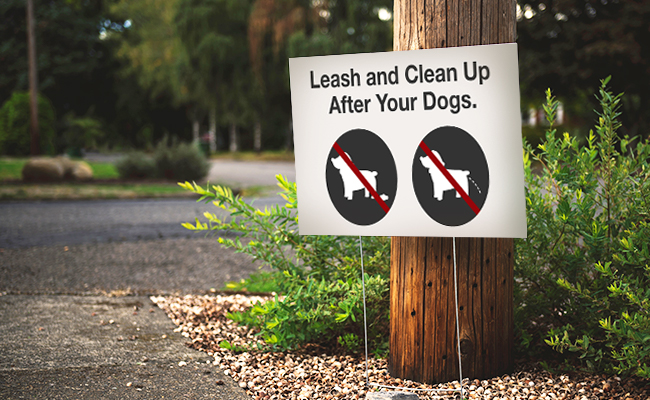
Image Source: home-cdn.reolink.us
The Problem with Unwanted Doggie Deposits
The presence of dog waste in your yard is more than just a nuisance. Dog waste is a breeding ground for bacteria and parasites. Depending on the type of bacteria, it can pose risks to humans and other animals. Certain parasites found in dog feces can cause serious health problems. Furthermore, the nitrogen and phosphorus in dog urine can “burn” your grass, leaving brown patches and hindering healthy lawn care for dog owners. Feces can also smother grass, preventing sunlight from reaching the blades and potentially killing the turf.
Why Dogs Poop Outside Their Own Yard
Several reasons can contribute to a dog straying into your yard and leaving behind waste:
- Territorial Marking: Dogs often mark their territory with urine and feces. If your yard offers an appealing scent or is perceived as part of their extended territory, they might leave their mark.
- Lack of Supervision: If your neighbor allows their dog to roam unsupervised, the dog might wander into neighboring yards.
- Escape Artists: Some dogs are adept at finding ways out of their own yards, whether through holes in fences, under gates, or over barriers.
- Attractants: Your yard might contain something appealing to the dog, such as interesting smells or other animals, leading them to explore and leave waste.
- Owner Negligence: In some cases, it simply comes down to a lack of awareness or responsibility from the dog’s owner.
The First Step: Neighborly Communication
Before you consider any drastic measures, the most effective and amicable first step is direct communication with your neighbor. A calm, polite conversation can often resolve the issue without escalating into a more significant dispute.
How to Approach Your Neighbor
When you decide to speak with your neighbor, consider these tips:
- Choose the Right Time: Talk to them when you’re both relaxed and not rushed. Avoid approaching them when they are busy or stressed.
- Be Polite and Non-Confrontational: Start with a friendly greeting. Frame the issue as a shared concern rather than an accusation.
- Use “I” Statements: Instead of saying, “Your dog keeps pooping in my yard,” try, “I’ve noticed some dog waste in my yard recently, and I was hoping we could figure out how to prevent it.”
- Suggest Solutions Together: Frame it as a collaborative effort. You could say, “I’m not sure if you’re aware of it, but I’m trying to keep my lawn in good shape, and the dog waste is making it difficult. Do you have any ideas on how we can both help with this?”
- Focus on the Impact: Explain how the dog waste affects you, such as the damage to your lawn or the hygiene concerns.
- Avoid Accusations: Don’t assume malicious intent. Your neighbor might not even be aware of the problem.
What to Say: Sample Conversations
Scenario 1: A Casual Chat
“Hi [Neighbor’s Name]! Hope you’re having a good day. Listen, I wanted to mention something small. I’ve noticed a bit of dog waste in my yard lately, and I know how much effort goes into keeping lawns looking nice. I’m not sure if you’re aware of it, but I was wondering if we could both be mindful of where the dogs are doing their business? Maybe a quick leash check when they’re near the property line?”
Scenario 2: A Slightly More Direct Approach
“Hello [Neighbor’s Name]. I need to talk to you about something. I’ve been finding dog droppings in my yard quite regularly, and it’s becoming a problem for me. I’m concerned about the hygiene and the damage it’s doing to my grass. I was hoping you could ensure your dog stays on your property or is kept on a leash when outside, so this doesn’t happen anymore.”
When Direct Communication Isn’t Enough: Deterrents and Pet Control Measures
If a polite conversation doesn’t yield results, or if you’re uncomfortable approaching your neighbor directly, there are various deterring dogs methods you can employ. These aim to make your yard less appealing to dogs for defecation, effectively acting as pet control measures.
Physical Barriers and Boundaries
Creating a physical deterrent is often the most straightforward way to keep dogs out.
Fencing Solutions
- Traditional Fencing: A solid fence is the most effective barrier. Ensure it’s high enough and has no gaps or holes that a dog could exploit.
- Low-Level Barriers: If a full fence isn’t feasible, consider decorative fencing or garden borders. While not foolproof, they can discourage casual wandering.
- Invisible Fencing: These systems use buried wires to create a boundary. The dog wears a collar that emits a warning tone or a mild static correction when it approaches the boundary. This requires coordination with your neighbor if their dog is the one receiving the correction.
Other Physical Deterrents
- Strategic Planting: Certain plants can create natural barriers and some have scents that dogs dislike. Consider planting dense shrubs or prickly bushes along your property line. Examples include:
- Rose bushes: The thorns can be a natural deterrent.
- Juniper or Boxwood: Dense evergreen shrubs create a physical barrier.
- Citrus-scented plants: Many dogs dislike the smell of citrus.
- Gravel or Mulch Borders: A layer of coarse gravel or mulch along the fence line can be uncomfortable for dogs to walk on, discouraging them from lingering and potentially relieving themselves.
Scent-Based Deterrents
Dogs have a powerful sense of smell, and certain scents can be quite off-putting to them. These pet-friendly deterrents are usually applied around the perimeter of your yard or in areas where the dog frequently poops.
Natural Scents
- Citrus Peels: Scatter fresh citrus peels (oranges, lemons, grapefruits) around your yard. The strong scent can be a powerful deterrent.
- Vinegar: Soaking rags in white vinegar and placing them strategically can deter dogs. The pungent smell is generally unpleasant for them.
- Coffee Grounds: Used coffee grounds, when sprinkled around your yard, can also act as a repellent due to their strong aroma.
- Essential Oils: Certain essential oils, such as citronella, eucalyptus, or peppermint, can be diluted with water and sprayed around your yard. Use these sparingly and ensure they are pet-safe in small quantities, as some oils can be toxic to dogs if ingested. Always research the specific oil before using it.
Commercially Available Repellents
There are many commercial dog repellents available. These often contain natural ingredients like bitter apple, predator urine (e.g., fox or coyote), or essential oils. When choosing a product, look for ones that are:
- Specifically designed for dogs: Ensure it won’t harm them.
- Safe for lawn and plants: You don’t want to damage your own greenery.
- Weather-resistant: To ensure longevity.
Application Tips for Scent Deterrents:
- Reapply Regularly: Natural scents dissipate quickly, especially after rain or watering. Reapply them every few days or after inclement weather.
- Focus on Entry Points: Apply deterrents along fence lines, gates, and any areas where the dog is known to enter your yard.
- Combine Methods: Using scent deterrents in conjunction with physical barriers can be more effective.
Auditory and Visual Deterrents
While less common for persistent pooping issues, some people find these methods helpful.
- Motion-Activated Sprinklers: These devices detect movement and spray a burst of water, startling the dog and making them associate your yard with an unpleasant surprise. This is a humane and effective deterrent.
- Ultrasonic Devices: These emit high-frequency sounds that are inaudible to humans but can be irritating to dogs. However, their effectiveness can vary, and some dogs may become accustomed to them.
Promoting Responsible Pet Ownership: Education and Community
Sometimes, the issue stems from a lack of awareness about responsible pet ownership and the impact of pet waste.
Educating Your Neighbor (Again)
If your initial conversation was met with a dismissive attitude, you might need to gently re-engage, perhaps with more information.
- Local Ordinances: Research your local animal control laws. Many municipalities have ordinances regarding leash laws and requiring owners to clean up after their pets. You can politely point these out to your neighbor.
- Health Risks: Share reputable information from veterinary or animal welfare organizations about the health risks associated with dog waste.
Community Solutions
If the problem is widespread or if your neighbor is unwilling to cooperate, consider involving your community.
- Homeowners Association (HOA): If you live in an area with an HOA, check their rules and regulations. They may have policies on pet waste and can mediate disputes.
- Animal Control: As a last resort, you can contact your local animal control agency. They can investigate complaints and issue warnings or citations if laws are being broken. Keep a log of incidents, including dates, times, and photographic evidence if possible.
Maintaining Your Yard: Dog Waste Removal and Lawn Care
Even with the best deterrents, occasional unwelcome deposits might still occur. Effective dog waste removal and good lawn care for dog owners are essential.
Regular Dog Waste Removal
- Daily Checks: Make it a habit to walk your yard daily or every other day to pick up any waste. This prevents it from baking into the grass or becoming a bigger problem.
- Proper Disposal: Always dispose of dog waste in sealed bags in designated trash cans. Never leave bags lying around.
Lawn Care Practices
- Regular Mowing: Keep your grass at an appropriate height. Longer grass can sometimes encourage dogs to relieve themselves, as it offers more cover.
- Aeration and Overseeding: If your lawn has suffered damage from urine or feces, aeration can help improve soil health and drainage, making it more resilient. Overseeding with hardy grass varieties can help fill in bare spots.
- Fertilizing: Use a balanced fertilizer to promote strong grass growth that can better withstand occasional damage.
Long-Term Strategies and Legal Considerations
In persistent and severe cases, you might need to consider more formal steps.
Documenting Incidents
Keep a detailed log of every instance of your neighbor’s dog entering your yard and defecating. Include:
- Date and time of the incident.
- A brief description of what happened.
- Photographs or videos as evidence (ensure you are not trespassing to take these).
- Records of any conversations with your neighbor.
Legal Options
- Cease and Desist Letter: You can have an attorney draft a formal letter to your neighbor outlining the problem, the legal basis for your complaint (e.g., trespassing, local ordinances), and demanding that they take action to prevent it.
- Small Claims Court: If all other attempts fail, you might be able to pursue legal action in small claims court for damages, such as the cost of repairing your lawn. However, this is a more drastic step and can permanently damage neighborly relations.
Making Your Yard Less Appealing to Dogs
Beyond specific deterrents, consider the general appeal of your yard to canine visitors.
Eliminating Attractants
- Secure Trash Cans: Ensure your trash cans are securely lidded and preferably stored away from the property line, as discarded food smells can attract dogs.
- Clean Up Your Own Pets’ Waste: If you have pets, it’s crucial to be a model of responsible pet ownership. Ensure your own yard is free of waste to avoid attracting other animals or giving the impression that your yard is a communal dog toilet.
- Remove Food Sources: Be mindful of any outdoor pet food or water bowls that might attract neighborhood dogs.
Creating Unpleasant Textures
As mentioned earlier, some ground coverings are less appealing to dogs.
- Pine Cones or Rocks: In garden beds or along fence lines, using pine cones or small, smooth rocks can create an uncomfortable surface for dogs to walk on.
- Wooden Stakes or Mulch: These can also make areas less inviting for dogs to dig or relieve themselves.
Frequently Asked Questions (FAQ)
Q1: What are the health risks associated with dog waste?
Dog waste can contain harmful bacteria like E. coli and Salmonella, as well as parasites such as roundworms and hookworms, which can be transmitted to humans and other animals.
Q2: Can I legally spray my neighbor’s dog if it enters my yard?
No, you cannot legally spray or harm an animal. This could be considered animal cruelty and have legal repercussions for you. Focus on deterrents that do not harm the animal.
Q3: How often do I need to reapply natural deterrents?
Natural scent deterrents, like citrus peels or vinegar, typically need to be reapplied every few days or after rain, as their scent dissipates quickly.
Q4: What if my neighbor is renting their property?
If your neighbor is renting, you may need to contact the property owner or landlord. They have a responsibility to ensure their tenants adhere to local ordinances and are good neighbors.
Q5: Is it okay for my own dog to poop in my neighbor’s yard?
No, responsible pet ownership means ensuring your pet does not defecate on other people’s private property. Always keep your dog leashed and pick up after them, even if they are your own pets.
By implementing a combination of these strategies, from clear communication to physical and scent-based deterrents, you can effectively address the issue of your neighbor’s dog pooping in your yard. Remember to remain polite, document your efforts, and escalate your approach only if necessary. The goal is to maintain a peaceful living environment for everyone, including your furry neighbors.