
A dog’s teeth should ideally be cleaned professionally by a veterinarian every six to twelve months, with the frequency dependent on their breed, age, diet, and overall dog dental hygiene. What is the best way to keep my dog’s teeth healthy? Maintaining good pet dental health involves a combination of at-home care and regular veterinary check-ups to prevent issues like dog bad breath causes and gum disease.
Keeping your canine companion’s smile bright and healthy is crucial for their overall well-being. Just like us, dogs can suffer from dental problems, including gum disease, tooth decay, and painful infections. These issues can not only affect their ability to eat and enjoy life but can also have serious repercussions for their general health. So, how often should a dog get their teeth cleaned? The answer isn’t a one-size-fits-all. It depends on several factors, and your veterinarian is your best guide.
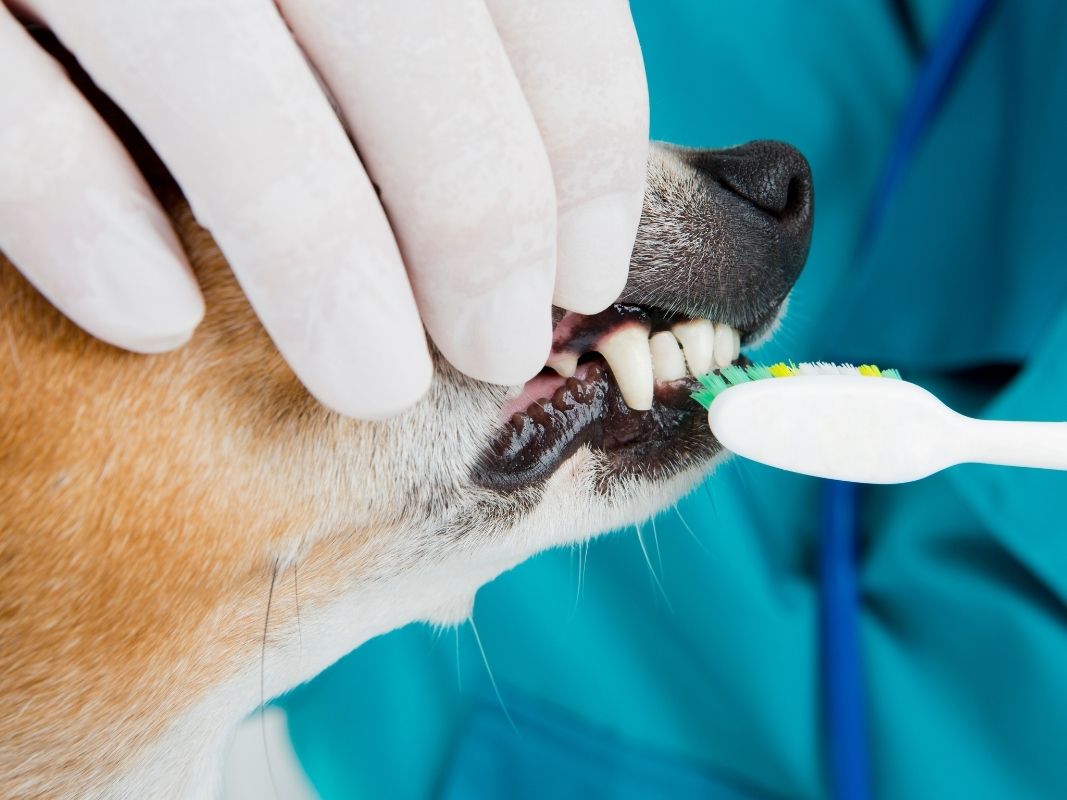
Image Source: www.animalmedicalcenterav.com
The Importance of Canine Dental Health
Canine teeth cleaning is far more than just a cosmetic procedure. It’s a vital part of preventive healthcare. Dental disease is incredibly common in dogs, with estimates suggesting that by the time they reach three years old, a staggering 80% of dogs have some form of dental disease. This can start subtly, with plaque and tartar buildup, but if left untreated, it can lead to significant pain, tooth loss, and even systemic health problems.
Deciphering Dental Disease in Dogs
Dental disease in dogs typically begins with the accumulation of plaque, a sticky film of bacteria and food particles. If plaque isn’t removed regularly, it hardens into tartar (calculus), which is more difficult to dislodge and irritates the gums. This irritation leads to gingivitis, characterized by red, swollen, and bleeding gums.
If gingivitis progresses, it can develop into periodontal disease, a more severe condition that affects the structures supporting the teeth. This includes the gums, periodontal ligament, and bone. Periodontal disease can cause:
- Gum recession: The gums pull away from the teeth, exposing the tooth roots.
- Tooth loosening: The ligaments holding the teeth in place are damaged, leading to wobbly teeth.
- Bone loss: The jawbone supporting the teeth can be eroded.
- Pain and discomfort: Dogs may experience significant pain when eating, chewing, or even during normal mouth movements.
- Tooth loss: In advanced stages, teeth can fall out or require extraction.
Beyond the Mouth: Systemic Health Links
The impact of poor dental health extends beyond your dog’s mouth. Bacteria from infected gums can enter the bloodstream and travel to vital organs, including the heart, kidneys, and liver. This can lead to serious systemic infections and exacerbate existing health conditions or even cause new ones. Regular veterinary dental care helps prevent these dangerous pathways.
Factors Influencing Dental Cleaning Frequency
So, when should your dog visit the vet for a dental cleaning? Several factors play a role in determining the optimal schedule:
Breed Predispositions
Some breeds are genetically predisposed to dental problems. Small breeds, such as Yorkshire Terriers, Chihuahuas, Poodles, and Shih Tzus, often have crowded teeth due to their smaller jaw sizes. This crowding makes it harder to keep their teeth clean, leading to faster plaque and tartar accumulation. They are also more prone to periodontal disease.
Large breeds can also experience dental issues, though sometimes the nature of the problem differs. Certain breeds might be more prone to jaw fractures or specific types of tooth wear.
Age of Your Dog
As dogs age, their susceptibility to dental disease often increases. Older dogs may have accumulated more tartar over their lifetimes, and their immune systems might be less robust, making them more vulnerable to infections. However, it’s a myth that dental cleanings are only for older dogs. Starting good dog dental hygiene habits early is essential.
Diet and Nutrition
The type of food your dog eats can influence their dental health. Dry kibble is often touted as being better for teeth than wet food because the crunching action can help scrape away some plaque. However, this effect is often minimal, and specialized dental diets designed to reduce plaque and tartar buildup are available.
Table 1: How Diet Can Impact Dental Health
| Diet Type | Potential Dental Benefits | Potential Dental Concerns |
|---|---|---|
| Dry Kibble | Mechanical abrasion can help remove some surface plaque. | Can still lead to plaque and tartar buildup if not managed. |
| Wet Food | Easier to eat for dogs with dental pain; can be more palatable. | Tends to stick to teeth, promoting bacterial growth. |
| Dental Diets | Specially formulated to reduce plaque and tartar; often larger kibble size. | May require prescription; ensure it meets nutritional needs. |
| Chews & Treats | Can help scrape plaque and stimulate gums; satisfying for dogs. | Can be high in calories; choose VOHC-approved options to ensure efficacy. |
Home Care Practices
The most significant factor influencing how often your dog needs professional cleaning is the effectiveness of your at-home dog tooth brushing routine. Daily brushing is the gold standard for preventing plaque and tartar buildup.
Previous Dental History
Dogs that have a history of dental disease or have undergone previous dental cleanings may require more frequent check-ups and cleanings. Your veterinarian will monitor their progress and recommend a personalized schedule.
Recommended Dental Cleaning Schedules
Based on the factors above, here’s a general guideline for how often your dog should have a dog dental check-up and potential professional cleaning:
The “Every Six to Twelve Months” Rule of Thumb
For most healthy adult dogs with good home care, a professional dental cleaning and examination every six to twelve months is usually recommended. This allows your veterinarian to:
- Perform a thorough oral examination, including checking each tooth and the surrounding gum tissue.
- Assess the degree of plaque and tartar buildup.
- Identify any signs of gingivitis, periodontal disease, or other oral abnormalities.
- Perform a professional cleaning under anesthesia if necessary.
When More Frequent Cleanings Might Be Needed
Certain dogs will benefit from more frequent professional dog teeth cleaning appointments:
- Small breeds: Due to their genetics, many small breeds benefit from cleanings every six months.
- Dogs with a history of dental disease: If your dog has had significant periodontal disease in the past, regular monitoring and cleaning are crucial to manage the condition.
- Dogs with crowded teeth: Misaligned or crowded teeth are harder to keep clean, necessitating more frequent professional attention.
- Dogs with specific medical conditions: Certain systemic diseases can impact oral health, requiring more vigilant dental care.
- Dogs receiving limited at-home care: If dog tooth brushing is not a regular part of your routine, professional cleanings will be needed more often.
When Less Frequent Cleanings Might Suffice
In some cases, dogs with exceptionally good oral hygiene at home and no predisposition to dental disease might be able to go slightly longer between cleanings, perhaps 12-18 months. However, this should always be determined in consultation with your veterinarian. Skipping regular dog dental check-ups can be detrimental.
What Happens During a Professional Dog Teeth Cleaning?
A professional dental cleaning for your dog is a more involved process than what you can achieve at home. It always involves general anesthesia.
Why Anesthesia is Necessary
- Thorough Examination: Anesthesia allows the veterinarian to conduct a complete oral examination, including probing the gum line, assessing for periodontal pockets, and examining every tooth surface without causing your dog stress or pain.
- Complete Cleaning: Dental scaling (removing plaque and tartar) is performed both above and below the gum line, where plaque accumulation is most damaging. Without anesthesia, this is impossible to do effectively and safely.
- Polishing: After scaling, teeth are polished to create a smooth surface, making it more difficult for plaque to adhere.
- Dental X-rays: Dental X-rays are crucial for diagnosing problems below the gum line, such as root infections, bone loss, or unerupted teeth, which cannot be seen during a visual exam.
- Extractions and other procedures: If necessary, the veterinarian can safely perform tooth extractions or other dental procedures while the dog is anesthetized.
The Dental Cleaning Process: Step-by-Step
- Pre-anesthetic Assessment: Before anesthesia, your dog will likely undergo blood tests to ensure they are healthy enough for the procedure.
- Anesthesia Induction: Your dog will be carefully anesthetized.
- Oral Examination: The veterinarian will thoroughly examine the mouth, noting any abnormalities.
- Scaling: Plaque and tartar are removed from the teeth using ultrasonic scalers and hand instruments. This is done above and below the gum line.
- Probing: Each tooth’s gum line is measured to detect periodontal pockets, which indicate gum recession and bone loss.
- Dental X-rays: Radiographs are taken to assess the health of tooth roots and jawbone.
- Polishing: The teeth are polished to remove any remaining tartar and smooth the enamel.
- Flushing: The mouth is rinsed to remove debris.
- Post-Procedure Monitoring: Your dog is closely monitored as they recover from anesthesia.
At-Home Dental Care: The Crucial First Line of Defense
While professional cleanings are essential, they are most effective when complemented by a consistent at-home dog dental hygiene routine. This is where dog tooth brushing plays a starring role.
Daily Brushing: The Gold Standard
The most effective way to prevent plaque buildup is through daily brushing with a dog-specific toothbrush and toothpaste. Human toothpaste can be toxic to dogs, so always use products formulated for pets.
How to Brush Your Dog’s Teeth:
- Start Slowly: Introduce the toothbrush and toothpaste gradually. Let your dog taste the toothpaste first.
- Familiarize: Let your dog get used to you touching their mouth and lifting their lips.
- Gentle Approach: Use gentle strokes, focusing on the outer surfaces of the teeth, where plaque tends to accumulate the most.
- Positive Reinforcement: Reward your dog with praise and a small treat after brushing.
- Consistency is Key: Aim for daily brushing. Even a few times a week is better than nothing.
Dental Chews and Treats
Many dental chews, treats, and water additives are available. Some have been recognized by the Veterinary Oral Health Council (VOHC) for their effectiveness in reducing plaque and tartar. Look for the VOHC seal of approval when choosing these products. While helpful, these should supplement, not replace, brushing.
Dental Diets
Your veterinarian may recommend a prescription dental diet. These foods have a unique kibble shape and texture designed to help clean teeth as your dog chews.
Signs Your Dog Needs a Dental Check-Up
Be observant of your dog’s oral health. Here are some signs that indicate it’s time for a dog dental check-up:
- Bad Breath: Persistent dog bad breath causes are often linked to bacteria and dental disease. While some dogs naturally have “dog breath,” a sudden or worsening odor is a red flag.
- Red or Swollen Gums: Healthy gums are pink. Redness or swelling around the gum line is a sign of inflammation (gingivitis).
- Bleeding Gums: If you notice blood on your dog’s chew toys or when they eat, it’s a strong indicator of gum disease.
- Tarty Buildup: Visible yellow or brown deposits on the teeth, especially near the gum line.
- Difficulty Eating: Dropping food, chewing on one side of the mouth, or reluctance to eat can signal dental pain.
- Pawing at the Mouth or Face: This can indicate discomfort or pain in their mouth.
- Loose or Missing Teeth: Obvious signs of advanced dental disease.
- Changes in Behavior: Lethargy or irritability can sometimes be linked to chronic pain, including dental pain.
Making Dental Health a Priority: A Commitment to Well-being
Prioritizing your dog’s dental health is a crucial aspect of responsible pet ownership. Regular veterinary dental care, combined with a proactive at-home dog dental hygiene regimen, is the most effective way to prevent painful dental diseases and ensure your furry friend enjoys a long, healthy, and happy life. Don’t wait for obvious signs of trouble; schedule that regular dog dental check-up to keep their smile, and their overall health, in top condition.
Frequently Asked Questions (FAQ)
Q1: Can I brush my dog’s teeth with human toothpaste?
No, never use human toothpaste on your dog. Human toothpaste often contains ingredients like fluoride and xylitol, which can be toxic if ingested by dogs and may cause upset stomachs or more serious health issues. Always use toothpaste specifically formulated for dogs.
Q2: How can I tell if my dog has dental disease?
Look for signs like persistent bad breath, red or swollen gums, bleeding gums, visible tartar buildup on the teeth, difficulty eating, drooling, or pawing at their mouth. If you notice any of these, schedule a veterinary visit.
Q3: What are the risks of not cleaning my dog’s teeth?
Not cleaning your dog’s teeth can lead to painful dental diseases like gingivitis and periodontitis. These can cause tooth loss, infection, and pain, affecting your dog’s ability to eat and their overall quality of life. Furthermore, bacteria from oral infections can enter the bloodstream and damage vital organs like the heart, kidneys, and liver.
Q4: Are dental chews a substitute for brushing?
Dental chews can be a helpful addition to your dog’s dental care routine, but they are generally not a substitute for regular brushing. While some VOHC-approved dental chews can help reduce plaque and tartar, brushing is the most effective method for thorough dental plaque removal for dogs.
Q5: How often should I check my dog’s teeth at home?
It’s a good idea to regularly check your dog’s mouth for any changes, ideally during or after their regular meal times or when you are petting them. This helps you become familiar with what’s normal for your dog’s mouth and to spot any early signs of problems. Aim to look at their teeth and gums at least weekly.
Q6: My dog is older. Is it still safe to get their teeth cleaned?
Yes, it is generally safe and often highly beneficial for older dogs to have their teeth professionally cleaned. Before any procedure involving anesthesia, your veterinarian will perform a thorough health assessment, including blood work, to ensure your dog is a good candidate. The benefits of removing painful dental disease often outweigh the risks of anesthesia in older dogs. Your vet will discuss specific risks and benefits based on your dog’s individual health.
Q7: What is a “dog dental check-up”?
A dog dental check-up is a routine examination of your dog’s mouth performed by a veterinarian. During this check-up, the vet will look at your dog’s teeth, gums, tongue, and other oral structures for signs of disease, injury, or abnormalities. It’s an opportunity to discuss your at-home dental care routine and determine if a professional cleaning is needed.