
When considering spaying your female dog, a common and important question arises: “How long does it take to spay a dog?” The answer isn’t a single number, as the recovery period can vary. Generally, your dog will need about 10 to 14 days of restricted activity for a successful spaying recovery, though full healing can take longer. This blog post will delve into the entire process, from the surgery itself to the crucial post-operative care, helping you navigate your dog’s spaying timeline.
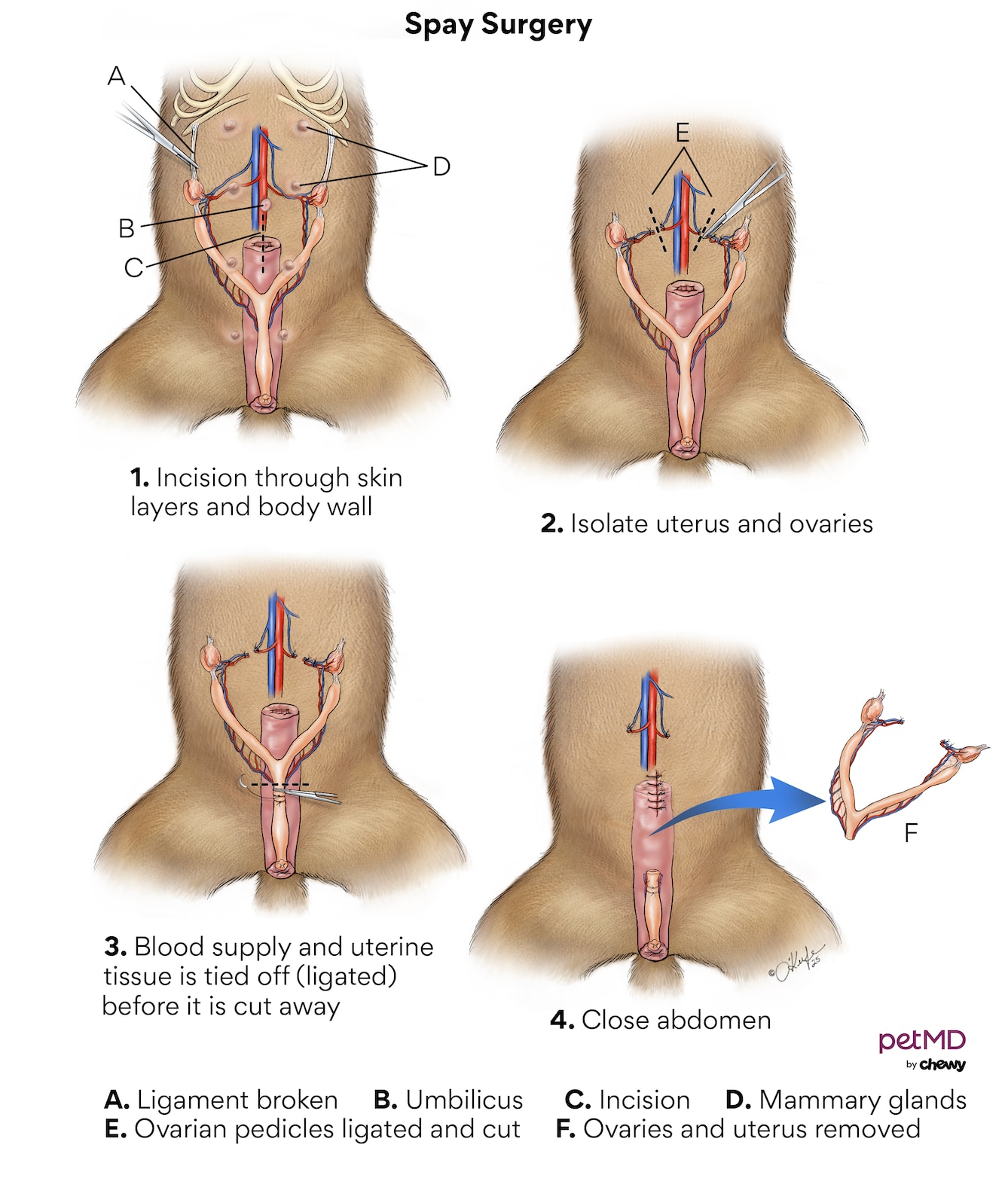
Image Source: image.petmd.com
Deciphering the Dog Spay Surgery Duration
The actual dog spay surgery duration, meaning the time your dog spends in the operating room, is relatively short. Typically, the procedure itself lasts anywhere from 30 minutes to an hour. This timeframe depends on several factors, including the dog’s size, overall health, and any potential complications that might arise during the surgery. Veterinary surgeons are highly skilled and efficient, ensuring that the operation is performed with precision and care.
The Spaying Timeline for Puppies and Adult Dogs
The decision of when to spay a female dog is a significant one for pet owners. Historically, many veterinarians recommended spaying after a dog’s first heat cycle. However, current research suggests that spaying puppies earlier, often around 6 months of age, can offer significant health benefits without increased risks. This earlier intervention is often referred to as pediatric or juvenile spaying.
- Puppies (6 months and younger): For puppies, spaying is often performed before they reach sexual maturity. This can prevent unwanted litters and reduce the risk of certain cancers. The recovery period for puppies is generally quicker due to their faster healing capabilities.
- Adult Dogs: For adult dogs, the timing of spaying may be influenced by their overall health, breed, and lifestyle. Your veterinarian will assess your individual dog to recommend the optimal time. The recovery process for adult dogs might take slightly longer compared to puppies.
Neutering vs. Spaying Length
It’s important to distinguish between neutering and spaying. While both are reproductive sterilization procedures, they differ in what is removed. Neutering refers to the removal of a male dog’s testicles, while spaying refers to the removal of a female dog’s ovaries and uterus.
- Neutering (Male Dogs): The surgical procedure for neutering is typically shorter than spaying, often lasting around 20-30 minutes. The recovery period is also generally faster, usually around 7-10 days of restricted activity.
- Spaying (Female Dogs): As mentioned, spaying involves removing more organs, hence the slightly longer surgical time and potentially a slightly longer recovery period. The core principles of post-operative care spay dog remain similar for both procedures, focusing on rest, monitoring, and wound care.
Grasping the Dog Spay Recovery Period
The dog spay recovery period is the most critical phase following the surgery. While the surgery itself is brief, your dog will require attentive care at home for the next week or two. The goal during this time is to prevent complications and ensure smooth healing of the surgical site.
Typical Stages of Spaying Recovery
The recovery process can be broken down into several stages:
Immediate Post-Surgery (First 24-48 Hours)
This is the most delicate period. Your dog will likely be groggy from the anesthesia and may experience some discomfort.
- Anesthesia Effects: Dogs can remain sleepy and disoriented for several hours after anesthesia. Ensure they have a quiet, comfortable place to rest.
- Pain Management: Your veterinarian will provide pain medication. Administer it exactly as prescribed to keep your dog comfortable.
- Appetite: Some dogs may have a reduced appetite on the first day. Offer small, easily digestible meals. Ensure they have access to fresh water.
- Incision Site: Monitor the incision for any signs of excessive bleeding or swelling. A small amount of discharge or bruising is often normal.
Early Recovery (Days 3-7)
Your dog should start to regain more energy during this phase, but it’s crucial to continue limiting their activity.
- Activity Restriction: This is paramount. No running, jumping, or strenuous play. Leash walks only for potty breaks, and keep them short.
- Licking the Incision: This is a major concern. A cone (Elizabethan collar) or surgical suit is essential to prevent your dog from licking or chewing the incision, which can lead to infection or the stitches breaking.
- Wound Monitoring: Continue to check the incision daily for redness, swelling, heat, or pus.
- Bathing: Avoid baths until the incision is fully healed and your vet gives the okay.
Mid-Recovery (Days 7-14)
By this stage, your dog should be feeling much better. The incision should be healing well, and sutures, if not dissolvable, will typically be removed around this time.
- Gradual Increase in Activity: With your vet’s approval, you can slowly start to increase the length and duration of walks.
- Suture Removal: If your vet used non-dissolvable sutures, this is when they’ll be removed.
- Still Vigilant: Even if your dog seems back to normal, continue to monitor for any changes in the incision or behavior.
Full Healing (Beyond 14 Days)
While the external incision may look healed within two weeks, internal tissues take longer to fully repair.
- Internal Healing: The internal tissues and muscles can take up to 4-6 weeks to completely heal.
- Return to Normal Activities: Your veterinarian will advise when it’s safe to resume normal, vigorous activities.
Factors Affecting Spay Recovery
Several factors affecting spay recovery can influence how quickly and smoothly your dog heals. Being aware of these can help you provide the best possible care.
Age and Health Status
- Puppies: As mentioned, younger dogs generally heal faster due to their robust immune systems and higher metabolic rates.
- Senior Dogs: Older dogs or those with underlying health conditions may have a longer recovery period and require more intensive monitoring.
- Pre-existing Conditions: Dogs with conditions like diabetes, obesity, or immune deficiencies may face a more challenging recovery.
Weight and Breed
- Obesity: Overweight dogs can have a more complicated recovery. Excess weight can put strain on the incision and slow down healing. The extra fat tissue can also make surgical access more difficult.
- Breed Predispositions: While not a definitive factor, some breeds might have genetic predispositions that could influence healing or surgical complications. Your vet will be aware of any breed-specific concerns.
Surgical Technique and Complications
- Minimally Invasive Techniques: Some veterinary clinics offer laparoscopic spaying, which involves smaller incisions and can lead to a faster recovery and less discomfort for the dog.
- Surgical Complications: While rare, complications during surgery (e.g., excessive bleeding, tissue damage) can prolong the recovery period.
Post-Operative Care Adherence
- Following Instructions: The most significant factor in a smooth recovery is strict adherence to your veterinarian’s post-operative instructions. This includes activity restriction, medication administration, and incision care.
- Preventing Licking: Failure to prevent your dog from licking the incision is a leading cause of complications and extended recovery.
Post-Operative Care Spay Dog: A Detailed Guide
Providing excellent post-operative care spay dog is crucial for a swift and uneventful recovery. Your veterinarian will provide specific instructions, but here’s a comprehensive overview of what to expect and how to manage it.
Keeping the Incision Clean and Dry
The surgical incision is the most vulnerable area.
- Inspection: Check the incision site at least twice daily. Look for redness, swelling, discharge, or any signs of the wound opening. A small amount of redness or swelling immediately after surgery is normal.
- No Licking or Chewing: This cannot be stressed enough. Use an Elizabethan collar (cone), a surgical suit, or an inflatable collar to prevent access. If your dog manages to lick the incision, it can introduce bacteria, cause inflammation, and delay healing.
- Keeping it Dry: Do not bathe your dog or let them swim until the vet gives the all-clear, usually after sutures are removed or the incision is fully closed. If the incision gets dirty, gently clean it with a damp cloth, but avoid rubbing.
Managing Pain and Discomfort
Pain management is a cornerstone of a good recovery.
- Prescription Medications: Your vet will prescribe pain relievers. Administer them precisely as directed, even if your dog seems to be feeling fine. Pain can mask underlying issues.
- Monitoring for Pain: Watch for signs of discomfort such as whining, panting, reluctance to move, guarding the incision area, or loss of appetite. If you suspect your dog is in pain, contact your veterinarian immediately.
Activity Restriction: The Key to Healing
This is arguably the most challenging aspect for energetic dogs and their owners.
- Strict Leash Walks: For potty breaks, keep your dog on a leash and make the outings brief. Avoid areas where they might encounter other dogs, as excitement can lead to sudden movements.
- No Jumping or Running: This means no playing fetch, no roughhousing with other pets, and no allowing your dog to jump on or off furniture. Consider blocking access to stairs or using baby gates.
- Confining Your Dog: When you cannot supervise your dog directly, consider keeping them in a crate or a small, safe room where they cannot exert themselves.
Diet and Hydration
- Normal Diet: After the first 24 hours, your dog can typically resume their normal diet. Some vets recommend a smaller, more frequent meal schedule for the first day or two to avoid stomach upset.
- Water Intake: Ensure constant access to fresh water. Dehydration can hinder healing.
- Appetite Loss: If your dog continues to refuse food or water for more than 24 hours post-surgery, contact your veterinarian.
When to Call the Veterinarian
It’s important to know when to seek professional advice. Contact your vet if you observe any of the following:
- Incision Issues: Excessive redness, swelling, heat, foul odor, or discharge from the incision. The wound opening up or stitches coming loose.
- Lethargy: Extreme tiredness or unresponsiveness that persists beyond the first 24-48 hours.
- Vomiting or Diarrhea: Persistent vomiting or diarrhea, especially if accompanied by lethargy or loss of appetite.
- Pain: Signs of significant pain that are not controlled by the prescribed medication.
- Loss of Appetite/Thirst: If your dog stops eating or drinking for more than 24 hours.
- Difficulty Urinating or Defecating: Any signs of distress or inability to pass waste.
Frequently Asked Questions About Spaying Recovery
Q1: How long does it take for a dog to fully recover from spaying?
While the external incision typically heals within 10-14 days, the internal healing process can take up to 4-6 weeks. During this entire period, it’s crucial to manage your dog’s activity levels to prevent complications.
Q2: Can my dog go for a walk after being spayed?
Yes, short, controlled leash walks for potty breaks are permitted and encouraged from the first day after surgery. However, these walks should be kept very brief and gentle, avoiding any running, jumping, or strenuous activity.
Q3: What are the signs of infection after spaying?
Signs of infection can include increased redness or swelling at the incision site, warmth to the touch, a foul odor, or pus-like discharge. Lethargy, fever, and a loss of appetite can also indicate a problem.
Q4: How long should my dog wear the cone after spaying?
Your dog should wear the cone or alternative protective wear continuously until the incision is fully healed and your veterinarian gives you the go-ahead, which is typically around the time of suture removal or two weeks post-surgery.
Q5: Is it normal for my dog to be groggy after spaying?
Yes, it is normal for dogs to be groggy and disoriented for the first 24-48 hours after surgery due to the anesthesia. Ensure they have a quiet, comfortable place to rest and monitor them closely.
Q6: When can my spayed dog play with other dogs again?
Your dog should not play with other dogs, especially in a boisterous manner, until your veterinarian has cleared them for full activity, which is usually around 2 weeks post-surgery, provided there are no complications.
Q7: What if my dog licks the incision?
If your dog licks the incision, it can lead to infection or the stitches coming apart. You must prevent this using an Elizabethan collar, surgical suit, or other protective measures. If your dog has already licked the incision significantly, contact your veterinarian for advice.
By following these guidelines and working closely with your veterinarian, you can ensure a smooth and successful recovery for your beloved canine companion after her spaying surgery. Remember that patience and diligence during the recovery period are key to your dog’s long-term health and well-being.