
Is a neighbor’s dog frequently visiting your yard without an invitation? Keeping unwanted canine guests off your property is a common concern for homeowners. You can effectively deter dogs from entering your yard using a combination of physical barriers, sensory deterrents, and communication with your neighbors.
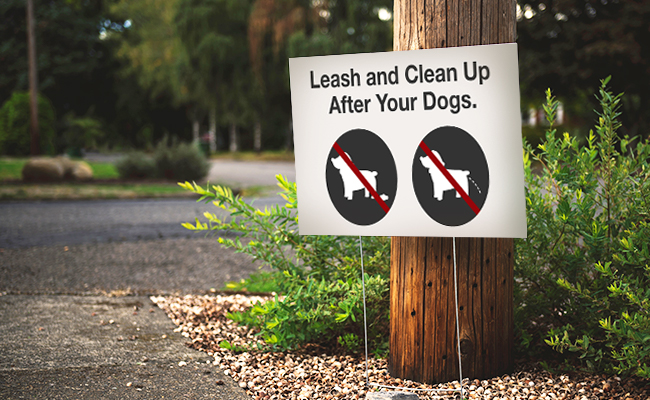
Image Source: home-cdn.reolink.us
Securing Your Yard: The Foundation of a Dog-Free Zone
The most effective way to keep a neighbor’s dog out of your yard is to create a truly secure yard. This means ensuring there are no easy entry points for an inquisitive or adventurous pup. This section dives deep into various methods to achieve this, from traditional fencing to more innovative fence alternatives.
H3: Building a Better Barrier: Fencing Options and Considerations
Fencing is the most straightforward and reliable method for pet containment and keeping other animals out. However, not all fences are created equal when it comes to deterring determined dogs.
H4: Standard Fencing Types and Their Effectiveness
- Chain-link fences: These are common and relatively affordable. However, dogs can sometimes chew through them or dig under them if there are gaps. They also offer no visual barrier, which can sometimes encourage a dog to enter if they see something interesting inside.
- Wooden fences: Solid wood fences provide a visual barrier and are generally sturdier. However, dogs can still dig under them or, in some cases, chew through weaker sections. Regular maintenance is crucial to prevent rot and damage.
- Vinyl fences: Similar to wood in offering a visual barrier, vinyl fences are low-maintenance. However, they can be more brittle and susceptible to damage from a persistent dog attempting to push through them.
- Wire mesh fences: Often used for agricultural purposes, these can be very effective. However, they may not be aesthetically pleasing for all homeowners. Ensure the mesh is small enough to prevent a dog from getting its head stuck.
H4: Enhancing Existing Fences for Maximum Security
If you already have a fence, there are several ways to upgrade its effectiveness:
- Height: For most breeds, a fence of at least 6 feet is recommended to prevent jumping.
- Gaps and Holes: Regularly inspect your fence for any holes or gaps, especially near the ground. Dogs are notorious for digging.
- Dig Guards: Install a wire mesh or chicken wire barrier buried horizontally a few inches below the fence line. When a dog tries to dig, they encounter the mesh and are often deterred.
- Base Reinforcement: For wooden or vinyl fences, consider adding a concrete footer or a layer of heavy stones along the base to prevent digging underneath.
H4: Fence Alternatives for Creative Property Line Solutions
Not everyone wants or can afford a full fence. Fortunately, there are several fence alternatives that can help keep dogs out of your yard.
- Hedges and Shrubs: Dense, thorny hedges like barberry, holly, or pyracantha can create a natural barrier. While not impenetrable, they are a friendly dog deterrent in that they don’t harm the animal but make entry unpleasant. Choose plants that grow thick and tall.
- Invisible Fences (Pet Containment Systems): These systems use a buried wire to create a boundary. When a dog wearing a special collar approaches the wire, it receives a mild static correction or vibration. This is a form of pet containment that requires training the dog to respect the boundary. It’s crucial to ensure this system is properly installed and the dog is trained for it to be effective.
- Temporary Barriers: For specific areas or during certain times, consider temporary solutions like sturdy netting, temporary fencing panels, or even large garden borders. These can be effective for short-term needs.
H5: DIY Barriers for a Secure Yard on a Budget
For those looking for DIY barriers, creativity can go a long way.
- Pallet Fences: Reclaimed wooden pallets can be repurposed into rustic-looking fences. Ensure they are treated for outdoor use and sturdy enough.
- Recycled Materials: Get creative with sturdy recycled materials like old doors, metal sheets, or even thick plastic sheeting anchored securely.
- Gravel or Cobblestone Borders: A wide border of gravel or small cobbles around the perimeter of your yard can be a deterrent for some dogs. The unfamiliar texture and sound can make them hesitant to cross.
Sensory Deterrents: Appealing to a Dog’s Senses
Dogs rely heavily on their senses of smell, hearing, and touch to navigate the world. By appealing to these senses in less-than-pleasant ways, you can create effective dog deterrents. These methods aim to make your yard unappealing without causing harm.
H3: The Power of Scent: Humane Dog Repellents
Many dogs have sensitive noses. Certain smells can be highly off-putting. The key is to find scents that are unpleasant for dogs but not harmful.
H4: Natural Scents to Keep Dogs Away
- Citrus: Dogs generally dislike the smell of citrus fruits like lemons, oranges, and grapefruits. You can place citrus peels around your yard or create a citrus spray by boiling peels in water and then straining.
- Vinegar: The strong smell of white vinegar or apple cider vinegar can be a powerful deterrent. Soak rags in vinegar and place them strategically around your yard, or dilute it with water and spray it around the perimeter. Reapply regularly, especially after rain.
- Coffee Grounds: Used coffee grounds have a strong aroma that many dogs find unpleasant. Scatter them around the edges of your lawn or garden beds.
- Herbs: Certain strong-smelling herbs like rue, lavender, pennyroyal, and rosemary can deter dogs. Planting these along your property line can create a natural barrier.
- Essential Oils: Oils like citronella, eucalyptus, peppermint, and lemongrass can be effective. Dilute them with water (a few drops per cup of water) and spray them around your yard. Be cautious, as some essential oils can be toxic to pets in concentrated amounts, so use sparingly and away from areas where your pets might ingest them.
H4: Commercial Humane Dog Repellents
There are many commercially available dog repellents on the market. These often come in spray or granular form and are designed to be safe for humans and other animals when used as directed. Look for products that are specifically formulated to deter dogs and are made from natural ingredients. Always read and follow the product instructions carefully.
H3: Sounding the Alarm: Auditory Deterrents
Some dogs are sensitive to certain sounds. While you don’t want to constantly annoy your neighbors (or yourself!), targeted use of sound can be effective.
- Ultrasonic Devices: These devices emit high-frequency sounds that are typically inaudible to humans but can be unpleasant for dogs. They can be set to activate when motion is detected. effectiveness can vary greatly between individual dogs.
- Motion-Activated Sprinklers: These devices are highly effective and humane. When a dog enters the sensor’s range, a sudden burst of water startles them, encouraging them to retreat. Many models allow you to adjust the spray distance and duration. This is a particularly friendly dog deterrent as it causes no harm.
H3: Textural Discomfort: Ground Deterrents
Some dogs dislike walking on certain textures.
- Gravel or Mulch: As mentioned earlier, a layer of gravel or coarse mulch around the perimeter of your yard can make it less appealing to walk on.
- Pine Cones or Spiky Mulch: Strategically placed pine cones or commercially available spiky mulch can create an uncomfortable surface for paws.
Addressing the Root Cause: Communication and Animal Control Advice
While deterrents are effective, the most sustainable solution often involves addressing the situation directly with the dog’s owner.
H3: Talking to Your Neighbors: A Diplomatic Approach
Direct communication is often the first and best step.
- Be Polite and Calm: Approach your neighbor in a friendly, non-confrontational manner. Assume they may not be aware of the problem.
- State the Facts: Clearly explain that their dog is entering your yard and the issues it’s causing (e.g., digging, defecating, damaging plants).
- Suggest Solutions Together: You can offer suggestions, like reinforcing their fence, using a leash, or exploring pet containment options for their dog.
- Document Issues: If the problem persists, keep a record of incidents, including dates, times, and any damage caused. This documentation can be helpful if you need to escalate the issue.
H3: When Communication Fails: Animal Control Advice
If your neighbor is unresponsive or unwilling to address the problem, you may need to seek help from local authorities.
- Check Local Ordinances: Familiarize yourself with your city or county’s leash laws, nuisance animal ordinances, and regulations regarding stray or roaming pets.
- Contact Animal Control: Report the recurring issue to your local animal control agency. They can investigate, issue warnings, or take other actions based on local laws. They can provide valuable animal control advice.
- Consider Mediation: In some communities, there are neighborhood dispute mediation services that can help resolve conflicts peacefully.
Preventing the Barking Blues: Addressing Noise Issues
Beyond just entering your yard, a neighbor’s dog can also be a source of noise pollution. If the dog is barking excessively while in your yard, here’s how to address it:
H3: Strategies to Stop Barking
- Identify the Trigger: Is the dog barking at specific things in your yard (e.g., squirrels, your pets, people passing by)?
- Deterrent Placement: Some dog deterrents, like motion-activated sprinklers, can also help stop barking by startling the dog when it starts to vocalize.
- Barriers: A solid fence that blocks the dog’s view of triggers in your yard can significantly reduce barking.
- Talk to the Owner: Again, a direct conversation about the barking is crucial. They might not realize how disruptive it is. They may need to consider training or other solutions for their dog.
Important Considerations for a Secure Yard
When implementing any of these methods, always prioritize the safety and well-being of the animal.
H3: Prioritizing Animal Welfare
- Avoid Harmful Methods: Never use methods that could injure or distress the dog, such as barbed wire, electrical fences not designed for containment, or toxic substances.
- Humane Approach: Focus on deterrence rather than punishment. The goal is to make your yard unappealing, not to cause pain.
- Consider the Dog’s Temperament: Some dogs are more persistent than others. You may need to combine several methods for a truly secure yard.
H3: Legal and Ethical Aspects
- Know Your Rights: Be aware of property laws and regulations in your area regarding fences and trespassing animals.
- Respect Property Lines: Ensure any deterrents or barriers you install are entirely within your property boundaries.
- Fairness to Neighbors: While you have a right to a peaceful property, maintaining good neighborly relations is also important.
Frequently Asked Questions (FAQ)
Q1: Can I use a dog whistle to keep the neighbor’s dog out of my yard?
A1: While some dogs may be sensitive to high-frequency sounds, dog whistles are not always reliable deterrents. Their effectiveness varies greatly depending on the individual dog’s hearing and sensitivity. Additionally, frequent use might be annoying to your neighbors or other pets.
Q2: What if the neighbor’s dog is aggressive?
A2: If the dog exhibits aggressive behavior, your priority is safety. Keep a safe distance and avoid direct confrontation. In such cases, contacting your local animal control agency immediately is the most appropriate action. They are equipped to handle potentially dangerous animals and can provide specific animal control advice.
Q3: How often do I need to reapply natural dog repellents?
A3: Natural repellents, especially those based on scents or sprays, tend to degrade over time, particularly after rain or strong winds. You will likely need to reapply them every few days or at least once a week to maintain their effectiveness.
Q4: Are ultrasonic dog deterrents effective for all dogs?
A4: No, ultrasonic dog deterrents are not effective for all dogs. Some dogs are less sensitive to these high-frequency sounds, and their effectiveness can also depend on the dog’s age, breed, and individual temperament. It’s often a trial-and-error process to see if they work for a specific dog.
Q5: What are the best fence alternatives for keeping small dogs out?
A5: For smaller dogs, even a standard garden fence might be enough if it’s well-maintained. However, if they are escape artists, consider options like:
* Decorative metal garden edging that is buried slightly into the ground.
* A low, sturdy wire mesh fence.
* Dense, thorny bushes planted closely together.
* Ensuring there are no gaps under existing fences.
Q6: How can I make my existing fence more secure against digging dogs?
A6: To prevent digging, you can install a “dig guard.” This involves burying a length of sturdy wire mesh or chicken wire horizontally a few inches below the fence line, extending outwards into your yard. When the dog attempts to dig, they will encounter this barrier. Another method is to anchor heavy stones or concrete blocks along the base of the fence.
Q7: What if my neighbor denies their dog is the problem?
A7: If your neighbor is uncooperative, it’s important to have documented evidence. Take photos or videos of the dog in your yard. Keep a log of dates and times of incidents. This evidence can be presented to your local authorities if you need to involve them for further animal control advice or intervention.
Q8: Can I use a strong scent like mothballs?
A8: It is strongly advised not to use mothballs or other toxic chemicals as humane dog repellents. Mothballs are highly toxic and can cause severe poisoning or death in dogs if ingested. Always opt for safe, non-toxic, and humane deterrents to protect both the animal and your own family.
Q9: What are some DIY barriers that are both effective and aesthetically pleasing?
A9: For a more attractive DIY barrier, consider using natural materials. Living fences made from dense, evergreen shrubs like boxwood or privet can be both beautiful and functional. You can also build a decorative trellis system and train climbing plants with strong root systems to create a natural screen. For a sturdier look, consider using decorative lumber to build a solid, low wall or border.
Q10: How do I ensure my pet containment solutions don’t negatively impact the neighbor’s dog’s well-being?
A10: The key is to use humane dog repellents and pet containment methods that deter without causing harm. Ultrasonic devices should be used cautiously as their effects can vary. Motion-activated sprinklers are generally safe. If using fence alternatives like hedges, ensure they are not toxic if ingested. Ultimately, communication with the neighbor about any solutions that might affect their pet is the most responsible approach.