
The question of how many toys should a dog have doesn’t have a single magic number; it’s more about providing a variety that meets your dog’s individual dog play needs and encourages dog enrichment. While there’s no strict rule, a good starting point is to aim for a core set of appropriate dog toys that cater to different play styles, with the flexibility to introduce more as needed. Too many dog toys scattered around can overwhelm a dog and make it hard for them to choose, while too few can lead to dog boredom solutions being harder to implement.
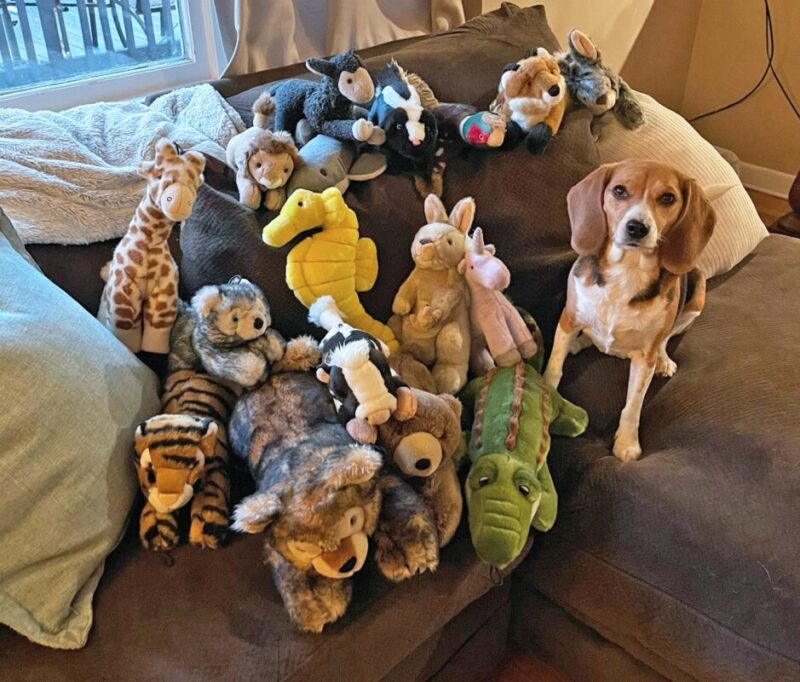
Image Source: www.northpointpets.com
The Importance of Play and Enrichment
Play is not just fun for our canine companions; it’s crucial for their physical and mental well-being. It’s a fundamental aspect of their development and a key component of a happy, healthy life. Providing ample opportunities for play and mental stimulation is the cornerstone of good pet ownership. This involves more than just handing over a toy; it’s about engaging with your dog and ensuring their environment is stimulating enough to prevent issues like destructive behavior or anxiety.
Keeping a Dog Engaged
- Mental Stimulation: Toys that challenge a dog’s mind, like puzzle feeders or scent-based games, help prevent boredom and cognitive decline.
- Physical Exercise: Interactive toys that encourage running, jumping, and fetching are vital for maintaining a healthy weight and strong muscles.
- Bonding: Playing with your dog strengthens the bond between you and your pet, building trust and communication.
- Behavioral Outlet: Toys offer an appropriate outlet for natural behaviors like chewing, chasing, and retrieving, redirecting them away from undesirable activities.
Deciphering Your Dog’s Toy Needs
The “right” number of toys is highly dependent on your individual dog. Factors such as age, breed, energy level, and personality all play a significant role in determining how many toys will be beneficial. A high-energy Border Collie might thrive with a larger rotation of toys than a senior Basset Hound, for example.
Key Factors Influencing Toy Quantity:
- Age: Puppies often have more energy and a greater need for chewing and exploration, while older dogs might prefer gentler, less demanding toys. A puppy toy count might initially be higher to support their rapid development and exploration.
- Breed: Herding breeds, for instance, often have a strong prey drive and benefit from chase toys, while scent hounds might enjoy puzzle toys that engage their noses.
- Energy Level: A dog with boundless energy will likely need more variety and opportunities for play to stay content.
- Personality: Some dogs are more independent and can entertain themselves with toys, while others thrive on interactive play with their owners.
- Destructive Tendencies: If a dog is prone to chewing or destroying toys, having duplicates or a steady supply of durable toys is important.
Building a Balanced Toy Collection: The Concept of “Optimal Dog Toys”
Instead of focusing on a specific number, think about the optimal dog toys that provide a well-rounded experience. A good collection will typically include toys for different purposes and play styles. This variety is key to preventing boredom and ensuring your dog remains engaged.
Categories of Essential Dog Toys:
- Chew Toys: These are vital for dental health and satisfying a dog’s natural urge to chew. They range from durable rubber toys to natural chews.
- Examples: Kongs, Nylabones, Benebones, natural antlers, bully sticks.
- Interactive Toys: These toys encourage engagement between you and your dog.
- Examples: Fetch balls, frisbees, tug ropes, flirt poles.
- Puzzle Toys / Treat Dispensers: These challenge your dog mentally by requiring them to solve a problem to get a reward. They are excellent dog boredom solutions.
- Examples: Nina Ottosson puzzles, Wobblers, treat balls, snuffle mats.
- Plush/Squeaky Toys: While some dogs are gentle with these, others love to “kill” them. They can provide auditory stimulation.
- Examples: Stuffed animals with squeakers, rope toys with fabric elements.
- Scent/Foraging Toys: These tap into your dog’s natural sense of smell and instinct to search.
- Examples: Snuffle mats, hidden treat toys, scent balls.
How Many Toys is Too Many Dog Toys?
The concept of too many dog toys isn’t about a precise quantity but rather about the impact on your dog and your household. Having an excessive number of toys can lead to several issues:
Problems Associated with Too Many Dog Toys:
- Overwhelm and Indifference: A dog can become overwhelmed by too many options, leading to them not engaging with any toy. They may simply ignore the vast majority of them.
- Loss of Novelty: If every toy is always available, none of them will feel special or exciting. This can reduce the effectiveness of toys as motivators or dog boredom solutions.
- Disorganization and Chaos: A large number of toys can quickly become scattered throughout the house, making it difficult to manage and clean. This is where dog toy organization becomes crucial.
- Increased Risk of Damage: More toys mean more opportunities for a dog to chew on and potentially ingest parts of toys, which can be a health hazard.
The Power of Dog Toy Rotation
One of the most effective strategies for keeping your dog engaged and interested in their toys is dog toy rotation. This involves putting away a portion of the toys and swapping them out periodically. This keeps the available toys feeling fresh and exciting, much like introducing a new toy.
Implementing Dog Toy Rotation:
- Select a Subset: Choose a manageable number of toys to have available at any given time. This might be 5-10 toys, depending on your dog and their preferences.
- Store the Rest: Keep the remaining toys in a bin or basket.
- Swap Regularly: Once a week or every few days, put away the currently available toys and bring out a fresh selection from storage.
- Observe Your Dog: Pay attention to which toys your dog gravitates towards. If a toy is consistently ignored, it might be time to retire it or offer it only during specific interactive play sessions.
- Introduce Novelty: Occasionally, introduce a brand-new toy to gauge your dog’s reaction and add extra excitement.
This method helps maintain the novelty of each toy, preventing them from becoming commonplace and uninteresting. It also aids significantly in dog toy organization.
Practical Tips for Managing Your Dog’s Toy Collection
Effective management of your dog’s toys is key to maximizing their benefit and minimizing potential downsides. Good dog toy organization not only keeps your home tidy but also helps you track what toys your dog enjoys.
Strategies for Toy Management:
- Designated Toy Bin: Have a specific bin or basket where your dog’s toys are kept. Teach your dog to put their toys away in the bin when asked. This is a fun training activity and excellent for dog toy organization.
- Regular Inspection: Periodically inspect all toys for damage. Discard any toys that are broken, have small parts that could be ingested, or are otherwise unsafe.
- Match Toys to Needs: Ensure you have a variety of toys that cater to different dog play needs. Don’t just buy chew toys if your dog also needs mental stimulation.
- Rotate Toys: As mentioned, regular dog toy rotation is essential for keeping them interesting.
- Interactive Play First: Prioritize interactive play with your dog using toys. This strengthens your bond and ensures they get the most out of their toys.
- Consider Durability: Invest in durable toys, especially for heavy chewers. This reduces the frequency of replacement and minimizes waste.
How Many Toys for Different Dog Life Stages?
The dog toy quantity needs can shift throughout a dog’s life.
Puppy Toy Count:
- Initial Needs: Puppies are very curious and have a strong need to explore the world with their mouths. They benefit from a variety of textures and types of toys.
- Recommended: Start with a good mix of chew toys (soft for teething, more durable as they grow), a couple of soft plush toys, and maybe one interactive toy for early games of fetch. Aim for around 5-8 toys initially.
- Focus: Safe chewing, teething relief, and early socialization through play.
Adult Dog Toy Needs:
- Established Preferences: By adulthood, you’ll have a better idea of your dog’s preferences and play style.
- Variety is Key: Aim for a balanced selection covering chewing, fetching, puzzle-solving, and comfort. A good dog toy quantity might be around 10-15 toys, with a consistent rotation.
- Focus: Mental and physical stimulation, reinforcing good behavior, and providing outlets for energy.
Senior Dog Toy Preferences:
- Gentler Play: Senior dogs may have less energy and might prefer softer toys or those that require less strenuous activity.
- Mental Stimulation Remains Important: Puzzle toys and scent games can be particularly beneficial for keeping their minds sharp.
- Comfort: Some seniors enjoy having a soft, comforting plush toy to rest with.
- Focus: Gentle stimulation, comfort, and maintaining cognitive function.
A Sample Toy Inventory for a Medium-Sized, Energetic Dog
This is a hypothetical inventory to illustrate the concept of variety within a manageable dog toy quantity.
| Toy Type | Examples | Purpose | Quantity | Rotation Status |
|---|---|---|---|---|
| Durable Chew Toys | Kong Wobbler, Nylabone Power Chew | Destructive chewing, mental stimulation, dental health | 3 | 2 available, 1 stored |
| Interactive Toys | Chuckit! Ball Launcher & Balls, Tug Rope | Fetch, tug-of-war, bonding, exercise | 2 | 1 available, 1 stored |
| Puzzle Toys | Nina Ottosson Treat Maze, Snuffle Mat | Mental stimulation, problem-solving, slow feeding | 2 | Both available |
| Plush/Squeaky Toys | Squeaky Plush Dog Toy, Rope with Fabric | Comfort, sensory stimulation, gentle play | 2 | 1 available, 1 stored |
| Scent Toys | Treat-Dispensing Ball, Hide-and-Seek Toy | Scent work, foraging instincts, mental engagement | 2 | 1 available, 1 stored |
| Total Toys | 11 |
This example demonstrates how a variety of appropriate dog toys can be managed through rotation to ensure engagement.
Frequently Asked Questions About Dog Toys
Q1: How often should I rotate my dog’s toys?
A: Most owners find that rotating toys weekly or bi-weekly keeps them fresh and exciting. Observe your dog’s engagement; if they seem to be losing interest, it’s a good time to swap them out.
Q2: What are some good dog boredom solutions that involve toys?
A: Puzzle toys, treat-dispensing toys, and scent games are excellent for providing mental stimulation and preventing boredom. Interactive play sessions with toys also help immensely.
Q3: Is it bad to have too many dog toys?
A: Yes, it can be. Too many toys can overwhelm a dog, lead to them not appreciating any single toy, and contribute to household clutter. It’s about quality and variety over sheer quantity.
Q4: How do I introduce new toys to my dog?
A: Introduce new toys during a play session to show your dog how they work and build excitement. For puzzle toys, you might need to offer some initial guidance.
Q5: What is the most important type of toy for dog enrichment?
A: This varies by dog! However, puzzle toys and interactive toys that engage their minds and bodies are generally considered highly beneficial for enrichment.
Q6: Should I have different toys for indoor and outdoor play?
A: It can be helpful. Durable, weather-resistant toys are great for outdoors, while softer or more complex toys might be better suited for indoor play to keep them clean and intact.
Q7: My puppy has a specific puppy toy count in mind, is that okay?
A: While a specific number isn’t critical, ensure the toys are safe, age-appropriate, and cater to their chewing and exploration needs. A variety of 5-8 safe toys is a good starting point for a puppy.
Q8: What are the best dog boredom solutions if my dog destroys toys quickly?
A: Focus on durable chew toys made from tough materials like hard rubber or nylon. Supervise play with softer toys, and consider rotating them out quickly if they are prone to destruction. Interactive puzzle toys can also divert their attention.
Conclusion
Ultimately, the question of how many toys should a dog have is best answered by observing your individual dog. Focus on providing a curated selection of appropriate dog toys that cater to their dog play needs and encourage dog enrichment. Implement dog toy rotation to maintain novelty, and practice good dog toy organization to keep things manageable. By balancing variety, durability, and engagement, you can ensure your canine companion has a fulfilling and fun-filled toy experience, effectively tackling dog boredom solutions and promoting a happy, healthy life. Aim for a collection that stimulates them mentally and physically, rather than simply filling a toy box.