
Can you stuff a dog? Yes, the practice of stuffing a dog, more commonly known as taxidermy, involves preserving the animal’s body and posing it in a lifelike manner. When considering the dog taxidermy cost, it’s crucial to approach this decision with a clear understanding of the process, the various factors influencing the canine preservation prices, and the emotional weight involved in pet stuffing expenses. Many pet owners seek this service as a way to keep a tangible memory of their beloved companion, turning the question of how much does taxidermy cost for a dog into a significant consideration for their grief and memorialization journey. This detailed guide aims to provide expert advice, breaking down the complexities of animal mounting fees, the intricacies of a dog replica cost, the overall pet preservation cost, the specific stuffing a pet dog price, and the broader implications of dog memorialization cost and preserving a dog’s body cost.
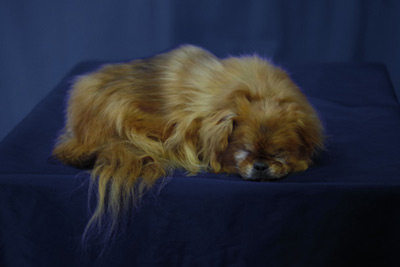
Image Source: animalfamilypet.com
The Art and Science of Canine Taxidermy
Taxidermy is an art form that requires immense skill, patience, and anatomical knowledge. It’s not simply about stuffing an animal with material; it’s a delicate process of preservation, sculpting, and artistic rendering to recreate a lifelike representation of the departed pet.
The Preservation Process: More Than Just Stuffing
The initial stage of taxidermy is critical. It involves carefully preparing the animal’s body. This includes:
- Skinning: The skin is meticulously removed from the body. This must be done with extreme precision to avoid damage to the hide.
- Fleshing and Salting: Any remaining flesh and fat are scraped off the skin, and then the skin is treated with salt or other preservatives to prevent decomposition and prepare it for tanning.
- Tanning: The salted skin is then tanned. This process chemically alters the skin, making it durable, pliable, and resistant to decay. Various tanning methods exist, each with its own advantages and impact on the final cost.
- Form Creation: A sculpted form, often made of polyurethane foam or other synthetic materials, is created to match the specific anatomy of the dog. This form dictates the pose and overall appearance of the final piece.
- Mounting: The tanned skin is carefully fitted and glued onto the custom-made form. This is where the taxidermist’s skill in recreating the dog’s unique features, such as its expression and musculature, truly shines.
- Finishing Touches: Eyes are added (usually glass or acrylic), and the fur is groomed and styled. Any necessary color restoration or airbrushing is also performed to enhance realism.
Factors Influencing the Price
Several key elements contribute to the overall dog taxidermy cost. These include:
- Size of the Dog: Larger breeds naturally require more materials and time, leading to higher canine preservation prices. A Great Dane will cost more to preserve than a Chihuahua.
- Pose and Complexity: A simple standing or lying pose is generally less expensive than a dynamic or complex pose, such as a dog in mid-leap or with intricate facial expressions. More detailed poses require more custom sculpting and careful fitting of the skin.
- Condition of the Specimen: If the dog has suffered significant trauma or decay before preservation, the taxidermist may need to spend extra time on repairs and rebuilding, increasing the pet stuffing expenses.
- Type of Mount:
- Wall Pedestal Mounts: These are designed to be displayed on a wall or shelf, often with a naturalistic base.
- Life-Size Mounts: These are full, standing or posed representations. They are the most involved and thus the most expensive.
- Head Mounts (Rugs): While less common for dogs, some owners opt for just a head mount.
- Rug Mounts: The skin is preserved and often lined, creating a keepsake rug.
- Taxidermist’s Experience and Reputation: Highly skilled and reputable taxidermists, especially those specializing in canine taxidermy, will command higher fees. Their expertise ensures a more lifelike and lasting result, justifying the animal mounting fees.
- Tanning Method: Different tanning processes have varying costs. Chrome tanning is common for its durability, while brain tanning, though more natural, can be labor-intensive and costly.
- Customization and Additional Features: Adding custom bases, dioramas, or specific details to enhance the dog memorialization cost will increase the overall price. This could include replicating a favorite toy or a personalized plaque.
- Geographic Location: Costs can vary based on regional pricing and cost of living.
Deciphering the Costs: A Detailed Breakdown
When inquiring about how much to stuff a dog, it’s essential to get detailed quotes that itemize the services included. The stuffing a pet dog price is not a one-size-fits-all figure.
General Price Ranges for Dog Taxidermy
Based on industry standards and discussions with taxidermists specializing in companion animals, here are some estimated price ranges. These are approximate and can vary significantly.
| Type of Mount | Estimated Price Range (USD) | Key Considerations |
|---|---|---|
| Life-Size Mount | $1,500 – $5,000+ | Depends heavily on dog size, pose complexity, and the taxidermist’s skill. |
| Wall Pedestal | $1,200 – $4,000+ | Offers a space-saving option, often featuring a sculpted base. |
| Head Mount | $700 – $2,500+ | Focuses on the head and shoulders, capturing the dog’s expression. |
| Rug Mount | $800 – $2,000+ | The skin is preserved and backed, often with felt or fabric lining. |
| Commercial Dog Replica | $300 – $1,000+ | For commercially produced, non-preserved replicas, not actual taxidermy. |
Important Note on Dog Replica Cost: When we talk about a dog replica cost, this often refers to custom-made artistic creations or high-quality stuffed animals that resemble a pet, rather than true taxidermy. These are typically much less expensive. However, if you are looking to preserve your actual dog, the prices are significantly higher.
Breakdowns of Pet Preservation Cost
Let’s delve deeper into how the overall pet preservation cost is constructed.
Skinning and Preservation Fees
The initial handling of the body and the preservation of the skin are foundational. This includes:
- Removal and Cleaning: Careful removal of the skin.
- Fleshing and Salting: Removing all tissue and applying preservatives.
- Tanning: The chemical treatment to preserve the skin. Tanning can cost anywhere from $100 to $500 or more, depending on the method and the size of the skin.
Form and Sculpting Expenses
This is where a significant portion of the animal mounting fees are incurred.
- Custom Form Creation: Taxidermists often need to sculpt a custom form from raw materials (like foam) to perfectly match the dog’s physique and desired pose. This requires artistic skill and time.
- Pre-made Forms: While less common for pets due to unique anatomy, pre-made forms might be an option for certain breeds and poses, potentially reducing costs slightly.
Mounting and Finishing Labor
This is the most time-intensive phase, reflecting the taxidermist’s expertise.
- Skinning and Fitting: Draping and fitting the tanned skin onto the form.
- Sculpting Facial Features: Recreating the dog’s unique facial structure and expressions.
- Setting Eyes and Nose: Using specialized materials to create realistic eyes and noses.
- Grooming and Styling: Combing, brushing, and styling the fur to achieve a natural look.
- Airbrushing and Color Restoration: Enhancing realism through subtle color applications.
Additional Considerations for Dog Memorialization Cost
- Express Shipping/Handling: If you need to transport the pet to the taxidermist quickly, overnight or expedited shipping can add costs.
- Storage Fees: Some taxidermists may charge storage fees if the pet is not picked up within a certain timeframe after completion.
- Insurance: While not always an explicit fee, a reputable taxidermist will have insurance, and this is implicitly factored into their pricing.
Sample Pricing Scenario: A Medium-Sized Dog
Let’s imagine preserving a 40-pound Golden Retriever in a standing pose.
- Base Preservation (Skinning, Tanning): $300 – $600
- Custom Form Creation & Sculpting: $400 – $1,000
- Mounting & Finishing Labor: $800 – $2,000
- Glass Eyes, Nose: $50 – $150
- Base/Habitat (Optional): $100 – $500+
Total Estimated Cost: $1,650 – $4,250+
This illustrates that the stuffing a pet dog price is highly variable.
Choosing the Right Taxidermist: Crucial Steps
Selecting a taxidermist is as important as deciding to preserve your pet. Not all taxidermists have the same level of expertise, especially with companion animals.
What to Look For in a Taxidermist:
- Portfolio Review: Always ask to see their portfolio of canine work. Look for lifelike poses, realistic eyes, and well-finished fur. Examine the quality of their past work.
- Specialization: Does the taxidermist specialize in or have extensive experience with dogs? This is crucial.
- Reputation and Reviews: Check online reviews and ask for testimonials from previous clients.
- Communication: A good taxidermist will be empathetic, communicative, and willing to explain the process thoroughly. They should discuss your expectations openly.
- Turnaround Time: Taxidermy can take a long time, often 6-12 months or even longer. Discuss realistic timelines.
- Licensing and Permits: Ensure they have the necessary licenses and permits to operate legally.
Questions to Ask Potential Taxidermists:
- What is your experience with taxidermy for dogs?
- Can I see examples of your previous canine work?
- What is the estimated cost for preserving my dog (provide breed and size)?
- What is included in the price? (e.g., tanning, form, mount, habitat)
- What is the estimated turnaround time?
- What is your process for handling the specimen after it’s in your care?
- Do you offer any guarantees on your work?
- What are your payment terms?
The Emotional Aspect of Pet Taxidermy
While this guide focuses on the practical aspects of preserving a dog’s body cost, it’s impossible to ignore the emotional component. Taxidermy is a deeply personal decision often made during a time of grief.
Memorialization Beyond Taxidermy
It’s important to remember that taxidermy is just one form of dog memorialization cost. Other options include:
- Cremation: A common and often more affordable option, with ashes returned to the owner.
- Burial: In a pet cemetery or a designated spot in your yard.
- Memorial Objects: Creating urns, jewelry with ashes or fur, custom portraits, or memory boxes.
- Commemorative Planting: Planting a tree or garden in your pet’s honor.
The decision to pursue taxidermy should be made with careful consideration of your personal grief process and what will bring you comfort and a lasting memory.
The Lifelike Representation vs. Memory
Some find a lifelike taxidermy mount to be a comforting presence, a continuation of their pet’s physical form. Others may find it too painful, a constant reminder of loss. It’s a deeply individual choice.
Common Misconceptions About “Stuffing”
The term “stuffing” can be misleading. Modern taxidermy is far more sophisticated than simply filling a skin with straw or cotton, which was a common practice in earlier times. Today’s techniques involve anatomical forms and precise sculpting to achieve a natural appearance. Therefore, when you ask “how much to stuff a dog,” know that the process is scientific and artistic, not merely filling.
Alternatives to Traditional Taxidermy
If the cost or nature of traditional taxidermy isn’t right for you, consider these alternatives:
Custom Pet Sculptures and Portraits
- Sculptures: Artists can create lifelike sculptures of your dog from photos, using materials like clay, resin, or even bronze. The dog replica cost for a high-quality sculpture can range from a few hundred to several thousand dollars, depending on size and complexity.
- Portraits: Commissioning a painted or drawn portrait is another popular way to memorialize a pet. Prices vary widely based on the artist’s skill and the medium used.
Paw Print Casts and Fur Keepsakes
- Paw Prints: Many veterinary clinics and groomers offer services to create casts of your dog’s paw print.
- Fur Keepsakes: Collecting fur clippings during grooming or after the pet has passed can be incorporated into jewelry or other keepsakes.
These alternatives offer tangible memories without the significant financial and emotional commitment of traditional taxidermy.
Frequently Asked Questions (FAQ)
Q: How much does taxidermy cost for a dog?
A: The dog taxidermy cost can range from $700 for a simple head mount to $5,000 or more for a life-size, complex mount. Factors like dog size, breed, pose, and taxidermist experience heavily influence these prices.
Q: Is it ethical to stuff a pet dog?
A: The ethics of pet taxidermy are a personal matter. For many, it’s a way to honor and remember their beloved pet. For others, it can be seen as unnatural. The key is making an informed decision that aligns with your personal beliefs and grief process.
Q: How long does dog taxidermy take?
A: Typically, dog taxidermy can take anywhere from 6 months to over a year to complete. This depends on the taxidermist’s workload, the complexity of the mount, and the time required for tanning and drying.
Q: What is the difference between taxidermy and a dog replica cost?
A: Taxidermy involves preserving the actual body of your pet. A dog replica cost typically refers to custom-made statues, sculptures, or high-quality stuffed animals made to resemble your pet, but they are not preserved biological specimens.
Q: Can I preserve my dog myself?
A: While technically possible with extensive research and specialized equipment, it is highly not recommended for the average person. Taxidermy requires specialized knowledge of anatomy, preservation chemicals, tanning processes, and artistic sculpting to achieve lifelike results and ensure proper preservation. Professional taxidermists have the expertise and tools to do this safely and effectively.
Q: What are the main factors affecting canine preservation prices?
A: Key factors include the dog’s size, the complexity of the pose chosen, the condition of the specimen upon arrival, the taxidermist’s skill and reputation, and the specific tanning and mounting techniques used.
Q: Are there other ways to memorialize my dog besides taxidermy?
A: Absolutely. Other popular methods include cremation with ashes returned, pet burial, creating memorial items like jewelry or urns, commissioning portraits, or planting commemorative trees.
Q: What does “life-size mount” mean in dog taxidermy?
A: A life-size mount recreates your dog at its actual dimensions, posed realistically as if it were alive. This is the most involved and often the most expensive type of taxidermy.
Q: How do I find a good taxidermist for my dog?
A: Look for taxidermists who specialize in or have significant experience with companion animals. Review their portfolios, check for client testimonials, and ensure they communicate openly about the process and costs.
Q: What is involved in the preservation of a dog’s body cost?
A: The preserving a dog’s body cost encompasses several stages: the initial skinning and preservation, tanning the hide, creating a custom anatomical form, mounting the skin onto the form, and finishing touches like setting eyes and grooming the fur.
In conclusion, the question of “how much to stuff a dog” opens the door to a complex interplay of artistic skill, scientific processes, and emotional investment. By carefully researching and considering all the factors, from the detailed canine preservation prices to the nuances of dog memorialization cost, you can make an informed decision that best honors the memory of your cherished canine companion.