
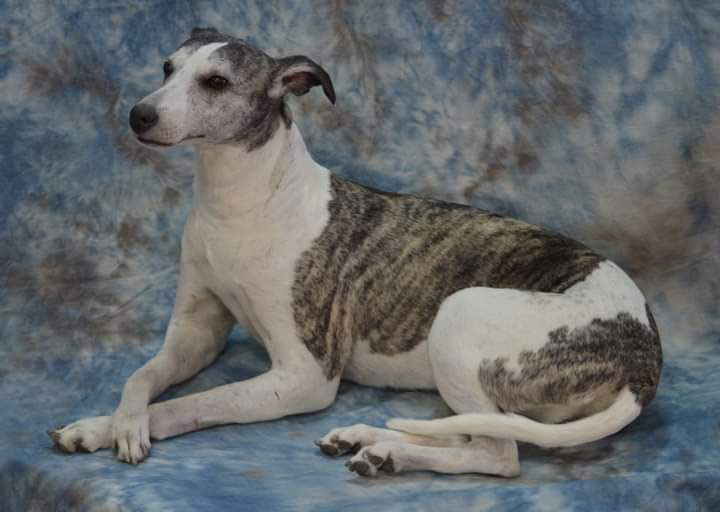
Image Source: animalfamilypet.com
How Much Does It Cost To Taxidermy A Dog: Real Costs Explained
What is the average cost to taxidermy a dog? The average cost to taxidermy a dog can range from $700 to $3,000 or more, depending on the size of the dog, the complexity of the pose, and the experience of the taxidermist.
Losing a beloved canine companion is an incredibly difficult experience. Many pet owners seek ways to keep a tangible reminder of their furry family member. Taxidermy is one such method, offering a way to preserve your dog’s likeness for years to come. However, the dog taxidermy price can vary significantly, and it’s essential to approach this decision with a clear understanding of the associated pet taxidermy expenses. This comprehensive guide aims to demystify the cost of preserving a dog, breaking down the factors that influence the final dog mount prices and what you can expect throughout the process.
When considering canine taxidermy cost, it’s crucial to remember that this is a highly skilled and time-intensive art form. It’s not just about stuffing an animal; it involves meticulous attention to detail, anatomical knowledge, and artistic talent to recreate a lifelike representation of your pet. The final piece should evoke the personality and spirit of your dog, making it a cherished keepsake.
Factors Influencing Dog Taxidermy Prices
Several key elements contribute to the overall dog taxidermy price. Fathoming these components will help you budget appropriately and make informed decisions when selecting a taxidermist.
Size of the Dog
Just as with many services, the larger the subject, the more materials and labor are required. A Great Dane will naturally cost more to taxidermy than a Chihuahua. This is due to the larger amount of preservation chemicals, tanning solutions, and the fitting of a larger, potentially custom-made mannikin (the sculpted form around which the hide is mounted).
- Small Breeds (e.g., Chihuahua, Yorkshire Terrier): Generally at the lower end of the price spectrum.
- Medium Breeds (e.g., Beagle, Border Collie): Mid-range pricing.
- Large Breeds (e.g., German Shepherd, Golden Retriever): Higher pricing due to increased material and labor.
- Extra-Large Breeds (e.g., Great Dane, Mastiff): The highest pricing.
Complexity of the Pose
The desired pose of your dog significantly impacts the taxidermy prices for pets. Simple standing or lying poses are generally less labor-intensive than more dynamic or intricate positions.
- Standard Poses: A simple standing, sitting, or lying pose usually requires less custom work on the mannikin and less intricate stitching.
- Action Poses: A dog in a running, jumping, or playful pose demands more specialized mannikin sculpting and precise fur placement, increasing the cost. This often involves internal support structures and careful shaping to create a natural flow.
- Mouth Open/Closed: A closed mouth is typically simpler. An open mouth, perhaps with a visible tongue or teeth, requires more detailed work to look realistic and can add to the pet preservation cost.
- Custom Scenes: Incorporating elements like props (e.g., a favorite toy) or a custom habitat base can also increase the overall dog mount prices.
Taxidermist’s Experience and Reputation
Like any skilled profession, the expertise and reputation of the taxidermist play a vital role in pricing. Highly experienced and renowned taxidermists who specialize in dog taxidermy will often charge more for their services. This reflects their proven ability to deliver exceptional, lifelike results.
- Beginner Taxidermists: May offer lower prices but carry a higher risk of less satisfactory results.
- Experienced Taxidermists: Their skills, honed over years, ensure greater accuracy in anatomy, lifelike expressions, and durability of the mount.
- Specialized Pet Taxidermists: Those who focus specifically on preserving pets often have a deeper understanding of canine anatomy and a more sensitive approach to handling grieving clients, justifying their pricing.
Type of Mount
The way your dog is mounted can also influence the cost.
- Wall Mounts/Pedestal Mounts: Often involve custom-designed bases or mounting hardware.
- Full Body Mounts: These are the most common and often the most expensive due to the comprehensive nature of the preservation and mounting process. A full body dog taxidermy cost encompasses the entire animal.
- Head Mounts/Rugs: Less common for dogs but can be options. A head mount would be less expensive than a full body mount, while a fur rug would involve preserving and mounting the hide as a floor covering.
Condition of the Specimen
The state of your dog’s remains upon arrival at the taxidermist’s studio is a critical factor.
- Fresh Specimen: If the dog has been preserved correctly immediately after death (e.g., frozen), it will be in the best condition for taxidermy, leading to less complex preparation.
- Decomposed or Damaged Specimen: Significant decomposition or damage (e.g., from an accident) will require extensive repair work by the taxidermist, which will increase the overall preserve dog remains cost. This can involve rebuilding damaged areas, replacing fur, and more intensive cleaning and preservation.
Additional Services and Finishing Touches
The final presentation of your taxidermied dog can also add to the pet preservation cost.
- Glass Eyes: High-quality, custom-colored glass eyes that match your dog’s natural eye color are essential for realism.
- Finishing Sprays and Sealants: To protect the fur and maintain the appearance.
- Custom Base or Habitat: As mentioned earlier, a beautifully crafted base can enhance the display but will add to the expense.
- Transportation/Shipping: If you are not local to the taxidermist, shipping costs for the specimen and the finished mount need to be factored in.
The Taxidermy Process: What You’re Paying For
Understanding the labor-intensive steps involved in taxidermy can shed light on why the average cost taxidermy dog is what it is.
1. Skinning and Preparation
This is the initial stage where the hide is carefully removed from the body. The taxidermist must be precise to avoid damaging the skin or fur. All flesh, fat, and connective tissue must be meticulously removed.
2. Tanning
The raw hide is treated with a tanning solution to preserve it indefinitely and prevent decomposition. This process involves several steps, including soaking, degreasing, shaving, and applying tanning agents. The quality of the tanning is crucial for the longevity and appearance of the final mount.
3. Patterning and Mannikin Selection
A mannikin is a sculpted foam or wooden form that replicates the dog’s body. For dogs, these are often custom-made or extensively modified to match the specific breed and size. The taxidermist will create patterns from the hide to ensure a perfect fit onto the mannikin.
4. Mounting
This is where the tanned hide is carefully stretched and glued onto the mannikin. The taxidermist will position the muscles, adjust the fur for a natural look, and set the glass eyes. This stage requires immense skill to achieve lifelike proportions and a natural expression.
5. Finishing and Detailing
The final steps involve detailed work such as grooming the fur, painting any exposed areas (like the nose or eyelids) to look lifelike, and ensuring all seams are invisible. The taxidermist will often use reference photos provided by the owner to capture the dog’s unique characteristics.
6. Preservation of Internal Organs (Optional)
While not typically done for a full body mount, some owners may opt to preserve other parts, such as the nose or paws. This is a separate process that incurs additional costs and is more akin to anatomical preservation. The cost of preserving a dog in this manner will be separate from the full taxidermy.
Estimating Dog Taxidermy Costs: A Price Breakdown
To give you a clearer picture, here’s a general breakdown of potential dog taxidermy price ranges. Remember, these are estimates and can vary widely.
| Size Category | Typical Price Range (USD) | Notes |
|---|---|---|
| Small Dog | $700 – $1,200 | Chihuahua, Yorkshire Terrier, Pomeranian |
| Medium Dog | $1,000 – $2,000 | Beagle, Cocker Spaniel, Border Collie |
| Large Dog | $1,500 – $2,500 | German Shepherd, Golden Retriever, Labrador Retriever |
| Extra-Large Dog | $2,000 – $3,000+ | Great Dane, Mastiff, Saint Bernard, Newfoundland |
Note: These prices typically cover a standard standing or lying pose for a full body dog taxidermy cost. More complex poses, custom habitat bases, or specialized preservation techniques will increase these figures. It’s also important to consider that some taxidermists may charge extra for specific breeds that require more intricate fur work or unique anatomical features.
Questions to Ask Potential Taxidermists
Before committing to a taxidermist, it’s crucial to do your due diligence. Here are some important questions to ask:
- What is your experience with dog taxidermy specifically?
- Can you provide examples of your previous dog taxidermy work?
- What is your process for preserving and mounting a dog?
- What is the estimated turnaround time for the project?
- What is your policy on deposits and payment schedules?
- What is your policy on handling specimens that are not in perfect condition?
- Do you offer different pose options, and how do they affect the price?
- What kind of warranty or guarantee do you offer on your work?
- How should I best transport or store the specimen until it can reach you?
- What are the ongoing care requirements for a taxidermied dog?
The Emotional and Ethical Considerations
Choosing taxidermy is a deeply personal decision, often made during a time of immense grief. It’s important to ensure you are comfortable with the taxidermist not just on a professional level, but also on an emotional one. A good pet taxidermist will be empathetic and understanding of your loss.
Ethically, ensure the taxidermist operates with integrity and follows all legal requirements regarding the handling of animal remains.
Finding the Right Taxidermist
- Referrals: Ask veterinarians, friends, or pet loss support groups for recommendations.
- Online Search: Look for taxidermists who specialize in pet taxidermy. Check their websites for portfolios and testimonials.
- Visit the Studio: If possible, visit the taxidermist’s studio to get a feel for their professionalism and the quality of their work.
Preserving Your Dog’s Memory: Alternatives to Taxidermy
While taxidermy preserves the physical form, there are other meaningful ways to commemorate your dog that might be more suitable or affordable:
- Paw Prints: Casting your dog’s paw print in clay or plaster.
- Fur Clippings: Keeping a lock of fur in a locket or keepsake box.
- Memorial Jewelry: Necklaces or bracelets made with a small amount of fur or ashes.
- Custom Portraits: Commissioning an artist to paint or draw your dog from photos.
- Memory Boxes: Creating a special box filled with photos, collars, toys, and other mementos.
- Ash Cremation: Keeping your dog’s ashes in a beautiful urn.
Conclusion: Investing in a Lasting Tribute
The cost of preserving a dog through taxidermy is a significant investment, both financially and emotionally. By carefully considering the factors that influence the dog taxidermy price, asking the right questions, and choosing a reputable taxidermist, you can create a beautiful and lasting tribute to your cherished companion. While the average cost taxidermy dog can seem high, it reflects the artistry, skill, and dedication required to capture the essence of your beloved pet for generations to come. Always remember to discuss all potential costs and processes upfront to ensure a smooth and respectful experience during this sensitive time.
Frequently Asked Questions (FAQ)
Q1: How long does it take to taxidermy a dog?
The turnaround time can vary significantly, typically ranging from 6 months to over a year. This depends on the taxidermist’s workload, the complexity of the mount, and the time required for tanning and drying processes.
Q2: Is taxidermy a good way to preserve my dog?
Taxidermy is a method of physical preservation that results in a lifelike representation. Whether it’s a “good” way is subjective and depends on personal preference, emotional comfort, and the quality of the taxidermist’s work.
Q3: Can any dog be taxidermied?
Technically, yes, but the success of taxidermy depends heavily on the condition of the remains. Fresh specimens that have been properly handled and stored (e.g., frozen) yield the best results. Significant decomposition can make taxidermy challenging or impossible.
Q4: What happens to the dog’s organs after taxidermy?
For a full body mount, the internal organs are removed during the initial preparation. They are not typically preserved as part of the taxidermy mount itself. If a specific organ preservation is requested, it would be a separate service.
Q5: How do I find a reputable dog taxidermist?
Look for taxidermists specializing in pet taxidermy. Ask for referrals from your veterinarian, friends, or online pet communities. Review portfolios and testimonials, and if possible, visit their studio to assess their professionalism and the quality of their work. Ensure they are transparent about pricing and process.