
So, how much is a dog rehoming fee? A dog rehoming fee can range from $50 to $500 or more, depending on the organization, the dog’s age, breed, and any medical needs.
Bringing a new furry friend into your life is a joyous occasion, but it often comes with questions about the associated costs. One of those questions frequently revolves around dog adoption cost and the fees charged by shelters and rescue groups. While many people think of adoption as “free,” in reality, there’s usually a rehoming fee involved. This fee isn’t just a price tag; it’s a crucial part of the animal welfare system.
This post will delve deep into the world of dog rehoming fees, explaining what they are, why they exist, and what factors influence the rehoming a dog price. We’ll also explore the broader picture of pet adoption expenses and what you can expect when adopting a dog from various sources.
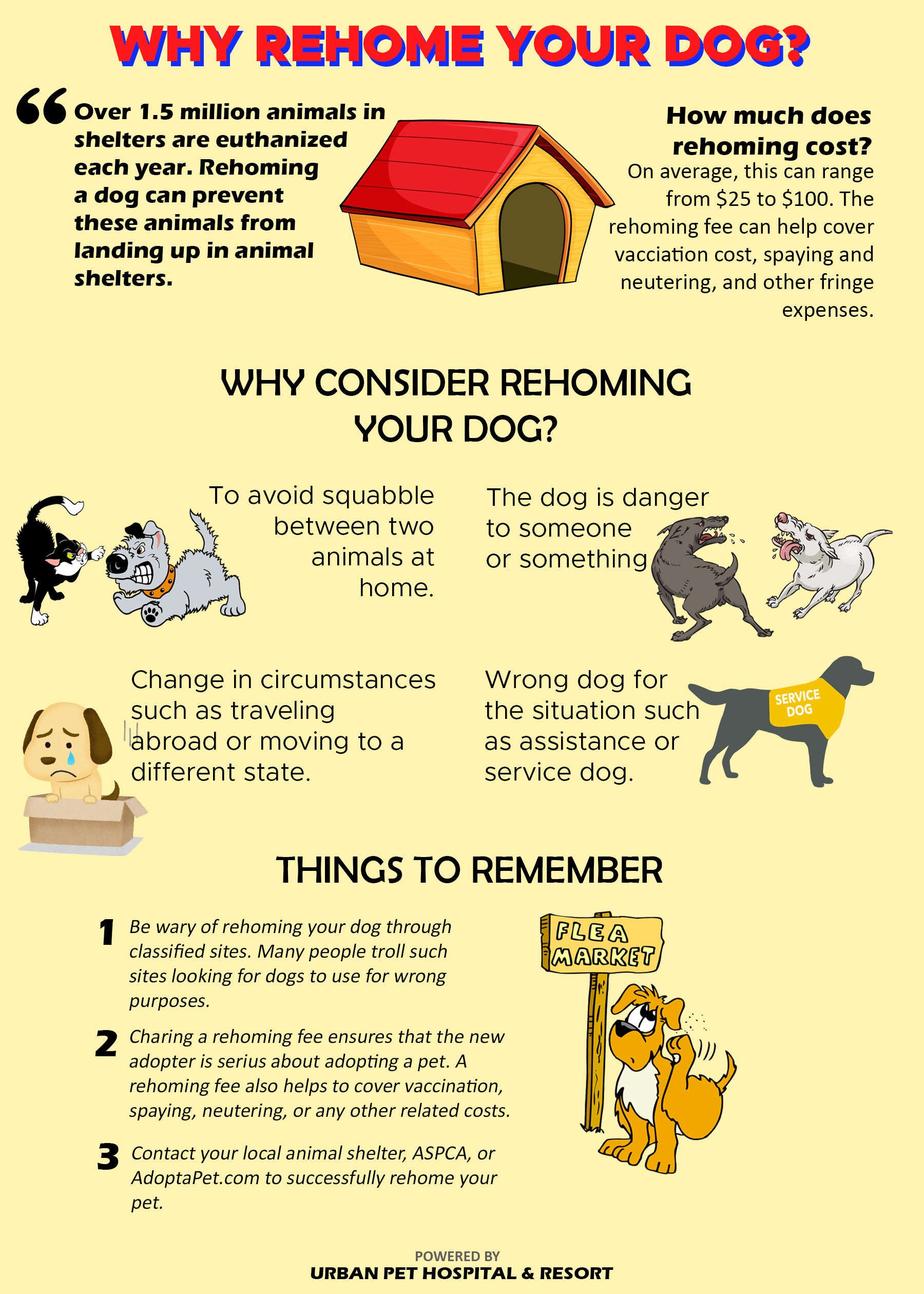
Image Source: www.urbanpethospital.com
Deciphering the Dog Rehoming Fee
A rehoming fee, sometimes called an adoption fee, is a sum of money requested by an animal shelter, rescue organization, or private individual when you take a dog into your home. It’s important to distinguish this from simply “rehoming” a dog yourself, where you might not charge a fee or might charge a nominal amount to ensure the dog goes to a good home.
Why Do Organizations Charge Rehoming Fees?
It might seem counterintuitive for organizations dedicated to animal welfare to charge a fee, but these animal shelter fees and adoption agency fees are vital for their continued operation and ability to help more animals. These fees are not profit-driven; instead, they are designed to cover a portion of the expenses incurred in caring for the animal before it finds its forever home.
Here’s a breakdown of what typically goes into those fees:
- Veterinary Care: This is often the largest expense. It includes vaccinations, deworming, microchipping, spaying or neutering, and treatment for any illnesses or injuries the dog may have sustained. Some dogs come to shelters with significant medical issues that require extensive, costly treatment.
- Food and Supplies: Providing quality food, comfortable bedding, toys, leashes, collars, and other essential supplies adds up quickly.
- Shelter Operations: Maintaining facilities, including cleaning, utilities, and staffing, is a considerable ongoing cost.
- Behavioral Assessment and Training: Some rescue organizations invest in assessing a dog’s temperament and providing basic training to improve their adoptability.
- Administrative Costs: Even administrative tasks like processing applications, background checks, and record-keeping have associated costs.
Essentially, the rehoming fee helps offset these essential costs, allowing the organization to save more animals and provide them with the best possible care. The cost to adopt a pet is an investment in that animal’s future and the ongoing efforts of the organization.
Factors Influencing the Rehoming a Dog Price
The exact cost of rehoming a dog can vary significantly. Several factors come into play when determining the fee an organization will charge.
Age of the Dog
- Puppies (under 1 year): Puppies often have higher rehoming fees. This is because they are generally in high demand, and the cost of initial care, including vaccinations and spay/neuter surgery (which may not have been completed yet), can be substantial.
- Adult Dogs (1-7 years): Fees for adult dogs tend to be moderate. They are often already spayed/neutered and up-to-date on vaccinations, meaning some of the initial high costs have been covered.
- Senior Dogs (7+ years): Senior dogs sometimes have lower rehoming fees. While they may require more specialized care and potentially higher veterinary bills, shelters often want to encourage adopters to consider these deserving companions who may be overlooked.
Breed and Size
Certain breeds, particularly purebred dogs or designer breeds, might command higher fees from some rescue groups, especially those specializing in that breed. Larger dogs also tend to consume more food and may require larger crates and other supplies, which can sometimes influence the fee.
Medical Needs and Special Circumstances
Dogs with pre-existing medical conditions, those requiring ongoing treatment, or those with special needs (like blindness, deafness, or mobility issues) might have fees adjusted. Sometimes, the fee might be lower to encourage adoption for these animals, while in other cases, a slightly higher fee might reflect the significant investment already made in their care.
Organization Type and Location
- Animal Shelters: Municipal animal shelters, often run by local governments, might have lower, standardized fees. These fees are generally set to cover basic care costs. They are a primary source for understanding what do shelters charge.
- Rescue Organizations: Private rescue organizations, including breed-specific rescues, often have fees that are more reflective of the actual costs of rescuing, rehabilitating, and rehoming an animal. These fees can sometimes be higher but may also include more extensive medical workups and behavioral evaluations.
- Private Rehoming: When individuals rehome their own pets, the “fee” is entirely discretionary. It might be a token amount to ensure the new owner is serious, or it could be higher if the owner has incurred significant veterinary costs they wish to recoup.
Typical Rehoming Fee Ranges: A Closer Look
While there’s no one-size-fits-all answer, we can look at general ranges for dog rescue charges and animal welfare organization fees.
Typical Fee Structure
| Dog Age | Typical Rehoming Fee Range | Notes |
|---|---|---|
| Puppy (<1 yr) | $200 – $500+ | Often includes initial vaccinations, microchip, and spay/neuter deposit or voucher. |
| Adult (1-7 yrs) | $100 – $400 | Usually includes spay/neuter, vaccinations, microchip, and basic health check. |
| Senior (7+ yrs) | $50 – $300 | May be lower to encourage adoption; costs vary widely based on individual care. |
| Special Needs | Varies widely | Fee can be adjusted based on specific medical requirements and prior investment. |
It’s important to remember that these are general estimates. Some organizations may have higher fees for purebred dogs or dogs with very specific needs, while others might offer adoption specials that reduce fees periodically.
What’s Typically Included in the Fee?
A good rehoming fee should provide value beyond just the dog itself. Here’s what you can typically expect to be covered:
- Spaying or Neutering: This is a crucial part of responsible pet ownership and is almost always included.
- Vaccinations: Puppies will typically receive their initial series of puppy shots, while adult dogs will be up-to-date on core vaccinations.
- Microchipping: This provides a permanent form of identification if your pet ever gets lost.
- Deworming and Flea/Tick Treatment: Basic parasite prevention is standard.
- Health Check-up: A veterinarian usually examines the dog to ensure it’s in good health at the time of adoption.
- Behavioral Assessment: Many shelters and rescues assess a dog’s temperament and provide a brief overview of their personality and known behaviors.
- Collar and Leash: Often provided as a starter kit.
- Starter Food Pack: A small amount of the food the dog has been eating at the shelter.
- Adoption Counseling: Support and guidance from the organization to help the transition go smoothly.
When considering the dog adoption cost, think about the significant veterinary services alone that are covered by the fee. A single vet visit for vaccinations and a check-up can cost $100-$200, and spaying or neutering can range from $200-$600 or more, depending on the dog’s size and the veterinarian. These procedures are essential for public health and the well-being of the animal, and their inclusion in the adoption fee makes them more accessible to a wider range of adopters.
The Private Rehoming Scenario
Sometimes, people need to rehome their pets themselves due to unforeseen circumstances like moving, financial hardship, or allergies. In these situations, the process can differ from adopting from a formal organization.
Private Rehoming Fees
When an owner rehomes their pet privately, they can set their own fee. This fee might be:
- Nominal: A small amount, perhaps $25-$50, to deter people who are not serious about taking on the responsibility of a pet.
- Cost Recovery: An amount that helps the owner recoup some of the expenses they’ve incurred for vet care, food, or supplies.
- No Fee: Some owners may give their pet away for free, especially if they are in a desperate situation and want the pet to go to the best possible home quickly.
What do shelters charge versus what a private owner might charge is a key distinction. Shelters have ongoing operational costs that a private owner does not.
Why a Fee for Private Rehoming is Recommended
Even if you’re rehoming your own pet, charging a small fee is often a good idea. It can help:
- Screen Potential Adopters: A fee, however small, can act as a filter for people who are not genuinely committed to owning a pet.
- Ensure Commitment: Someone willing to pay a small amount is more likely to have thought through the decision.
- Prevent Unscrupulous Use: It can help prevent individuals from obtaining pets for nefarious purposes, such as resale to research labs or animal fighting rings.
If you’re adopting from a private owner, it’s always a good idea to ask about the dog’s history, veterinary records, and any known behavioral issues.
Comparing Adoption Costs: Shelter vs. Breeder vs. Pet Store
Understanding the pet adoption expenses involves comparing them to other ways of acquiring a dog.
Adopting from a Shelter or Rescue
- Cost: $50 – $500+
- Pros: You’re saving a life, fees cover essential vet care, often include training and behavioral support, and you get a dog that has already been assessed.
- Cons: You might not always get a puppy from a specific breed.
Purchasing from a Breeder
- Cost: $500 – $3,000+ (can be much higher for rare breeds or show dogs)
- Pros: You know the dog’s lineage, temperament of parents, and can often get a puppy with specific traits. Reputable breeders invest heavily in health testing.
- Cons: Expensive, doesn’t save a life, requires thorough research to avoid puppy mills or irresponsible breeders.
Purchasing from a Pet Store
- Cost: $300 – $1,500+
- Pros: Convenient, often sell puppies.
- Cons: Many pet store puppies come from large commercial breeding facilities (puppy mills) with questionable care standards. Most reputable animal welfare organizations strongly discourage purchasing from pet stores.
When you factor in the initial veterinary care alone, the dog adoption cost from a shelter or rescue often represents excellent value. The cost of rehoming through these organizations is an investment in the animal’s health and the sustainability of rescue efforts.
What to Ask When Paying a Rehoming Fee
Before you pay that rehoming fee, it’s wise to be an informed adopter. Here are some questions to ask the organization or individual:
Questions for Shelters and Rescue Organizations:
- What exactly does the rehoming fee cover? Can I see a breakdown?
- What is the dog’s medical history? Has it had any surgeries or major illnesses?
- What vaccinations has the dog received, and when are the next ones due?
- Has the dog been spayed or neutered? If not, is there a voucher or requirement for this?
- What is the dog’s temperament like? Are there any known behavioral issues?
- Is there a grace period or return policy if the adoption doesn’t work out?
- What kind of support do you offer to new adopters?
Questions for Private Rehoming Situations:
- Can I see the dog’s veterinary records?
- Why are you rehoming the dog?
- What is the dog’s typical diet and daily routine?
- What are the dog’s favorite toys and activities?
- Are there any known behavioral issues or anxieties?
Asking these questions will not only help you make a more informed decision but also demonstrates your commitment to responsible pet ownership.
The Long-Term Cost of Dog Ownership
It’s crucial to remember that the rehoming fee is just the beginning of the financial commitment to owning a dog. The pet adoption expenses continue throughout the dog’s life.
Ongoing Costs to Consider:
- Food: High-quality dog food can cost $50-$100+ per month.
- Veterinary Care: Annual check-ups, vaccinations, parasite prevention, and potential emergency visits can add up to hundreds or even thousands of dollars per year. Pet insurance can help mitigate these costs.
- Grooming: Depending on the breed, professional grooming can be $50-$150+ per session, every 6-8 weeks.
- Training Classes: For socialization and obedience, classes can cost $100-$300+.
- Toys and Accessories: Beds, crates, leashes, collars, toys, bowls, etc., represent an initial and ongoing investment.
- Treats: For training and enjoyment.
- Licensing: Required by most municipalities.
- Boarding/Pet Sitting: If you travel or need someone to care for your dog.
The cost to adopt a pet from a shelter is a fraction of the overall lifetime cost of dog ownership, which can range from $1,000 to $3,000 or more per year, depending on the dog’s needs and your lifestyle.
Conclusion: A Worthwhile Investment
The rehoming fee you pay to adopt a dog is more than just a transaction; it’s a contribution to the welfare of animals. It helps ensure that the organization can continue its vital work, providing care, rehabilitation, and a second chance for countless dogs in need. While the rehoming a dog price can vary, the joy, companionship, and love a rescued dog brings into your life are truly priceless. By investing in adoption, you’re not only gaining a loyal friend but also supporting a compassionate cause.
Frequently Asked Questions (FAQ)
Q1: Can I negotiate a rehoming fee?
While some organizations might be flexible, especially if you’re adopting a long-term resident or a dog with special needs, it’s generally not advisable to try and negotiate fees at reputable shelters or rescues. These fees are set to cover essential care costs. If you’re adopting from a private individual, negotiation might be more common.
Q2: Is the rehoming fee tax-deductible?
Donations to qualified non-profit organizations are often tax-deductible. However, rehoming fees paid in exchange for goods or services (like receiving a dog) are typically not tax-deductible. It’s best to check with the specific organization and your tax advisor for clarity.
Q3: What if I find a dog on Craigslist or Facebook and the fee seems low?
Be extremely cautious when adopting from unverified online sources. Low fees can sometimes indicate that the animal is not receiving proper care, is being sold for nefarious purposes, or is part of a scam. It’s always best to adopt from a reputable shelter or rescue organization.
Q4: What is the difference between a rehoming fee and an adoption fee?
In most contexts, these terms are used interchangeably to refer to the fee charged by shelters and rescue groups when you take a dog home. Both serve to cover the costs of care and ensure the animal goes to a responsible home.
Q5: Can I adopt a dog without paying a fee?
Some organizations may occasionally have “fee-waived” adoption events, often for harder-to-place animals like seniors or those with special needs. However, it is rare for a reputable organization to allow adoptions without any fee due to the significant costs involved in animal care.
Q6: Why are some dogs’ adoption fees higher than others?
As discussed, factors like age, breed, and medical needs can influence the fee. Dogs that have required more extensive veterinary care or specialized rehabilitation may have higher fees to help recoup those costs. Conversely, senior or long-term resident dogs might have lower fees to encourage their adoption.