
Here’s a comprehensive guide on how to determine when it’s time to replace your dog’s bed:
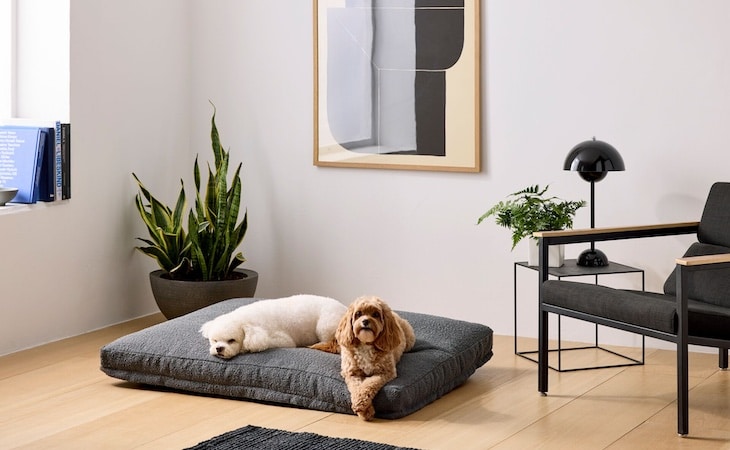
Image Source: www.saatva.com
Dog Bed Lifespan: How Often to Replace Your Dog’s Bed
So, how often should you replace your dog’s bed? Generally, you should look to replace your dog’s bed every 1 to 3 years, depending on the quality, your dog’s habits, and how well you maintain it.
Your furry friend’s bed is more than just a comfy spot; it’s their sanctuary, their safe space, and often, their favorite napping destination. But like anything used daily, dog beds experience wear and tear. Knowing when to retire an old bed and invest in a new one is crucial for your dog’s comfort and hygiene. This guide will delve into the factors affecting dog bed lifespan, help you identify signs a dog bed needs replacing, and offer tips on dog bed maintenance to extend its life.
Factors Influencing How Long Do Dog Beds Last
Several elements contribute to how long a dog bed will remain in good condition. It’s not a one-size-fits-all answer, and understanding these factors can help you make an informed decision about replacing dog bed frequency.
1. Dog’s Habits and Temperament
- Chewers: If your dog loves to chew, their bed might not last very long. Destructive chewing can quickly turn a perfectly good bed into shredded stuffing and fabric.
- Diggers and Nestlers: Some dogs, by nature, love to “dig” and arrange their bedding before settling down. This constant repositioning and pulling can stress seams and stuffing.
- Active Sleepers: Dogs who toss and turn, kick their legs, or move around a lot during sleep will put more strain on their beds than a dog who curls up in one spot.
- Senior Dogs: Older dogs might have arthritis or other mobility issues, making them gentler on their beds. However, they may also need more supportive or easy-to-access beds.
2. Material Quality and Construction
The durable dog bed materials used in construction play a significant role in longevity.
- Fillings:
- Polyester Fiberfill: Common and affordable, but can flatten and clump over time, especially with frequent washing or heavy use.
- Memory Foam/Orthopedic Foam: More durable and supportive, offering excellent comfort. High-density foam generally lasts longer than lower-density options.
- Cedar Chips/Pellets: Used for insect deterrence, but can degrade and become dusty.
- Cover Fabrics:
- Cotton: Breathable and soft but can be less durable and prone to staining and ripping.
- Polyester/Nylon: More durable and stain-resistant than cotton.
- Canvas/Denim: Very tough and resistant to ripping, ideal for chewers.
- Fleece/Plush: Comfortable but can pill and wear thin with heavy use.
Construction quality is also vital. Reinforced seams, strong zippers, and well-stitched patterns contribute to a bed’s overall durability.
3. Size and Weight of the Dog
Larger or heavier dogs will naturally put more pressure on a dog bed, leading to faster compression of the filling and wear on the fabric. A bed designed for a Great Dane will likely last longer for a Chihuahua, but it’s important to choose a bed appropriate for your dog’s size and weight to ensure it provides adequate support and durability.
4. Washing and Maintenance Practices
Dog bed maintenance and washing dog bed frequency directly impact how long a bed lasts. While regular cleaning is essential for hygiene, over-washing or improper washing can degrade materials.
- Frequency of Washing: Washing too often can break down foam or stuffing and fade fabrics.
- Washing Method: Using harsh detergents or high heat in the dryer can damage materials.
- Spot Cleaning: Regularly spot cleaning minor messes can reduce the need for full washes, extending the bed’s life.
Signs Your Dog Bed Needs Replacing: When to Buy a New Dog Bed
Recognizing the subtle (and not-so-subtle) cues that indicate it’s time for a new bed is key. Don’t wait until the bed is completely falling apart.
Visible Wear and Tear
These are the most obvious indicators:
- Torn Fabric or Seams: If stuffing is peeking out, it’s a clear sign of significant dog bed wear and tear. This can be a choking hazard for your dog.
- Worn-Out Padding: The bed feels flat, lumpy, or your dog’s body is pressing directly onto the floor even when lying down. This means the filling has lost its support.
- Faded or Thinning Fabric: While not always a functional issue, severely faded or thinning fabric means the material is weakening and may tear easily.
- Chew Marks: If your dog has chewed holes or frayed edges, it’s time for a replacement, especially if they tend to ingest the material.
Compromised Comfort and Support
A dog bed’s primary purpose is comfort. If that’s gone, it’s time for a change:
- Lumps and Bumps: Uneven distribution of filling makes it uncomfortable for your dog to find a cozy spot. This often happens with fiberfill beds.
- Loss of Firmness: The bed no longer springs back or provides cushioning. Your dog might be sinking into it too much.
- Unsupportive: For older dogs or those with joint issues, a bed that has lost its support can exacerbate pain and discomfort.
Hygiene and Odor Issues
Even with regular cleaning, some beds reach a point where they can’t be fully de-odorized:
- Lingering Odors: Despite washing, the bed retains unpleasant smells (urine, dirt, dog odor). This indicates that odors have permeated deep into the filling or the fabric is no longer wicking away moisture effectively.
- Stains That Won’t Come Out: Permanent stains, especially from accidents, can be unhygienic and unsightly.
- Dust Mites or Allergens: Over time, beds can become a haven for dust mites, allergens, and even mold if not dried thoroughly. If your dog is showing signs of allergies (sneezing, itchy skin), a fresh bed might help. Dog bed hygiene is paramount.
Behavioral Changes in Your Dog
Your dog might also give you clues:
- Avoidance: If your dog starts avoiding their bed and prefers sleeping on cooler floors, the couch, or your bed, it might be uncomfortable or unappealing.
- Restlessness: If your dog constantly shifts positions, gets up and lies down repeatedly, or seems unable to get comfortable, the bed might no longer be serving its purpose.
- Increased Scratching or Licking: While this can be due to other issues, a dog might scratch or lick excessively at their bed if it’s irritating their skin or if they are trying to find a more comfortable spot.
Maintaining Your Dog’s Bed for Extended Lifespan
Good dog bed maintenance can significantly extend the life of your dog’s current bed.
Regular Cleaning Schedule
- Vacuuming: Daily or every few days, vacuum the bed to remove loose hair, dirt, and debris. This prevents dirt from being ground into the fabric.
- Spot Cleaning: Address spills and accidents immediately with an enzymatic cleaner to break down odors and stains.
- Washing Dog Bed Frequency: Aim to wash removable covers weekly or bi-weekly. Wash the entire bed (if washable) monthly or as needed.
Proper Washing Techniques
- Check the Care Label: Always follow the manufacturer’s instructions.
- Use Mild Detergents: Avoid harsh chemicals that can degrade fabric or irritate your dog’s skin.
- Wash Separately: Wash the dog bed or its cover separately from your own laundry.
- Cold or Warm Water: Use cool or warm water, not hot, as high heat can shrink fabrics or damage filling.
- Air Dry: Whenever possible, air dry the bed or its cover. If using a dryer, use a low-heat or no-heat setting. Ensure the bed is completely dry before your dog uses it to prevent mildew.
Protective Measures
- Bed Covers or Blankets: Consider using a washable dog bed cover or a dedicated dog blanket on top of the bed. This adds an extra layer of protection and is much easier to wash frequently.
- Placement: Place the bed in a low-traffic area where it’s less likely to get dirty or damaged by other pets or children.
- Discourage Chewing: If your dog is a chewer, provide them with appropriate chew toys and redirect their chewing behavior away from the bed.
How Often to Replace a Dog Bed: A General Timeline
While the factors above are crucial, here’s a general guideline for replacing dog bed frequency:
| Bed Type/Material | Expected Lifespan | Notes |
|---|---|---|
| Basic Fiberfill Bed | 1-2 years | Prone to clumping and flattening, especially with frequent washing. |
| Memory Foam/Orthopedic Bed | 2-5 years | High-quality foam can last much longer if well-maintained. |
| Chew-Resistant Bed | 1-3 years | Durability varies greatly depending on the specific chew-proof materials. |
| Elevated/Cot-Style Bed | 2-4 years | Fabric may sag or tear, frame can weaken with heavy use. |
| Washable Cover Beds | 1-3 years | The cover will likely wear out before the inner cushion if well-maintained. |
Note: These are general estimates. A robust, well-made bed for a small, calm dog could last much longer, while a cheap bed for a large, active dog might need replacing in less than a year.
Making the Decision: When to Buy a New Dog Bed
When you’re contemplating when to buy a new dog bed, consider these questions:
- Is the bed still providing adequate support and comfort? Can you feel the floor through the padding?
- Are there rips or tears that could be a hazard? Is stuffing escaping?
- Are there persistent odors that washing can’t eliminate?
- Is the fabric thinning or showing significant wear?
- Does my dog seem uncomfortable or avoid the bed?
If you answer yes to any of these, it’s likely time to start shopping for a replacement.
Choosing a New Dog Bed: Focus on Durability and Comfort
When you do replace your dog’s bed, prioritize quality. Look for:
- Washable Covers: Removable and machine-washable covers are a lifesaver for maintaining dog bed hygiene.
- High-Density Foam: For orthopedic needs or just superior comfort and durability.
- Tear-Resistant Fabrics: Consider canvas, ballistic nylon, or heavy-duty polyester for more active dogs.
- Reinforced Seams: Look for double-stitching or reinforced corners.
- Appropriate Size and Support: Ensure the bed is large enough and offers the right kind of support for your dog’s age and health.
Frequently Asked Questions (FAQ)
Here are some common questions about dog bed lifespan and replacement:
Q1: How often should I wash my dog’s bed?
A1: You should aim to wash removable covers weekly or bi-weekly, and the entire bed (if washable) monthly or as needed. Regular vacuuming and spot cleaning can help extend the time between full washes.
Q2: My dog is a big chewer. What kind of bed is best?
A2: For chewers, look for beds made from extremely durable, tear-resistant materials like heavy-duty canvas, denim, or specialized chew-proof fabrics. Also, consider elevated cot-style beds, as the fabric is taut and harder to get a grip on. Provide plenty of appropriate chew toys to redirect their chewing behavior.
Q3: My senior dog has arthritis. How often do they need a new bed?
A3: Senior dogs with arthritis often benefit from highly supportive orthopedic beds made from high-density memory foam. While these beds are more durable, you should replace them if the foam loses its supportive structure, leading to lumps or flatness. Monitor your dog for signs of discomfort; if they seem to struggle to get up or lie down, it’s time for a new, supportive bed.
Q4: Can I fix a torn dog bed?
A4: For small tears or seam separations, you might be able to sew them up. However, if the tear is large, the stuffing is escaping, or the fabric is heavily worn, it’s generally safer and more hygienic to replace the bed. Exposed stuffing can be a choking hazard.
Q5: What are the best durable dog bed materials?
A5: Some of the most durable dog bed materials include heavy-duty canvas, ballistic nylon, ripstop fabrics, and certain dense woven polyesters. For fillings, high-density memory foam and supportive orthopedic foam are very durable and long-lasting.
Q6: How do I know if my dog’s bed is unhygienic?
A6: If the bed retains strong odors even after washing, has permanent stains from accidents, or if your dog is showing signs of skin irritation or allergies that might be related to their bedding, it’s likely unhygienic and needs replacing.
By paying attention to these signs and practicing good dog bed maintenance, you can ensure your beloved canine companion always has a comfortable, clean, and supportive place to rest. Knowing the dog bed lifespan and the reasons for replacement helps you provide the best for your dog’s well-being.