
Can I weigh my dog at home? Yes, you absolutely can weigh your dog at home, and it’s an essential part of keeping them healthy. How to find a dog’s weight involves using a scale, and there are several reliable methods to achieve this. Measuring pet weight accurately is crucial for monitoring their health, adjusting food portions, and ensuring they are within their healthy dog weight range.
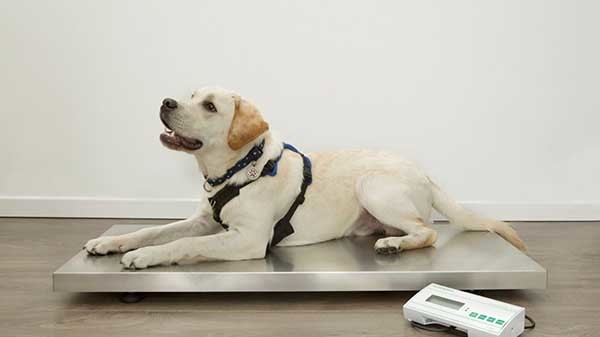
Image Source: www.marsden-weighing.co.uk
Why Dog Weight Measurement Matters
Knowing your dog’s weight is more than just a number; it’s a vital sign of their overall well-being. Regular dog weight measurement helps you:
- Monitor Health: Sudden weight gain or loss can indicate underlying health issues, from metabolic problems to infections. Catching these early can make a huge difference in treatment outcomes.
- Adjust Food Portions: The amount of food your dog needs is directly related to their weight and activity level. Overfeeding can lead to obesity, while underfeeding can cause malnutrition.
- Calculate Medication Dosages: Many medications are dosed based on a pet’s weight. An incorrect weight can lead to under- or overdosing, which can be ineffective or even dangerous.
- Track Growth (Puppies): For puppies, puppy weight tracking is essential for ensuring they are developing at a healthy rate. Deviations from expected growth can signal nutritional deficiencies or other developmental concerns.
- Manage Chronic Conditions: For dogs with conditions like diabetes, arthritis, or heart disease, maintaining an ideal weight is often a critical part of their management plan.
- Identify Overweight Dog Indicators: Obesity is a significant health problem for dogs, increasing their risk of joint problems, heart disease, diabetes, and a shortened lifespan. Recognizing overweight dog indicators early, like difficulty breathing, reduced stamina, or feeling ribs through the coat, starts with regular weigh-ins.
Methods for Home Dog Weighing
You don’t need a veterinary clinic to get an accurate dog scale measurement. Here are several effective ways to weigh your dog at home:
Using a Bathroom Scale (Human Scale)
This is the most common method for home dog weighing. It’s straightforward and uses equipment most households already possess.
Steps:
- Weigh Yourself: Step onto your bathroom scale and record your weight.
- Weigh Yourself with Your Dog: Pick up your dog and step onto the scale again. Hold them securely and stay as still as possible. Record this new weight.
-
Calculate Your Dog’s Weight: Subtract your weight (from step 1) from the combined weight (from step 2).
- Formula: (Your Weight + Dog’s Weight) – Your Weight = Dog’s Weight
Tips for Accuracy:
- Consistent Scale: Use the same scale each time for consistent readings.
- Level Surface: Ensure the scale is on a hard, level floor, not carpet.
- Calm Dog: Try to weigh your dog when they are calm and relaxed.
- Secure Hold: Make sure you can hold your dog securely without them wriggling too much, which can affect the reading.
Pros:
- Accessible to most households.
- Simple to perform.
Cons:
- Can be difficult for very large dogs that you can’t lift.
- Requires a very cooperative and still dog.
- Less accurate for tiny puppies or very small dogs where the margin of error is larger.
Using a Pet Scale
Pet scales are specifically designed for measuring pet weight and offer greater accuracy, especially for smaller animals. These are often the scales used by veterinarians.
Types of Pet Scales:
- Tray Scales: These have a built-in tray or platform, perfect for puppies, kittens, and small to medium-sized dogs.
- Platform Scales: Similar to human scales but often with a lower profile and higher weight capacity, designed for larger breeds.
Steps (General):
- Calibrate (if necessary): Some scales may require calibration. Follow the manufacturer’s instructions.
- Encourage Your Dog: Gently encourage your dog to step onto the scale’s platform or into the tray. Use treats or praise to make it a positive experience.
- Wait for Reading: Wait for the scale to display a stable reading.
- Record Weight: Note down your dog’s weight.
Pros:
- Highly accurate, especially for smaller animals.
- Designed specifically for pets, making it easier for them to stay on.
- Some scales are portable.
Cons:
- Can be an additional expense.
- Larger breeds might exceed the capacity of smaller pet scales.
Using a Baby Scale
Baby scales function similarly to pet scales for smaller animals and are a good alternative if you have one available. They offer a contained platform, making them ideal for puppies and smaller breeds.
Steps:
- Place Scale: Set the baby scale on a flat, stable surface.
- Zero the Scale: Ensure the scale is zeroed before placing your dog on it.
- Encourage Your Dog: Guide your dog onto the scale’s weighing pan.
- Record Weight: Once a stable reading appears, record your dog’s weight.
Pros:
- Accurate for small dogs and puppies.
- Often has a “hold” function to get a stable reading of a moving baby or pet.
Cons:
- Limited weight capacity, unsuitable for medium to large breeds.
- Requires getting the dog to comfortably sit or lie on the pan.
Dog Scale Alternatives for Larger Breeds
For owners of large or giant breeds, lifting them onto a scale is often not feasible. Fortunately, there are excellent dog scale alternatives and methods to get an accurate dog weight measurement:
Livestock or Feed Store Scales
Many agricultural supply stores or feed stores have larger, industrial scales designed for livestock or feed bags.
Steps:
- Visit the Store: Take your dog to a local feed store or agricultural supply shop.
- Use Their Scale: Ask a staff member if you can use their scale to weigh your dog. Most are happy to assist.
- Secure Your Dog: Ensure your dog is on a leash and remains on the scale while the weight is taken.
Pros:
- High weight capacity, suitable for any breed.
- Often readily available.
Cons:
- Requires a trip to the store.
- The environment can be stressful for some dogs.
- May involve waiting if the scales are in use.
Vet Clinic Weighing
Your veterinarian’s office is the most reliable place to get an accurate dog weight measurement.
Steps:
- Schedule an Appointment (Optional): You can often visit your vet just to weigh your dog without a full appointment. Call ahead to confirm.
- Use Their Scales: Vet clinics have specialized scales designed for pets of all sizes.
Pros:
- Highest accuracy.
- Staff can offer advice on your dog’s weight status.
- Familiar environment for some dogs.
Cons:
- Requires a trip to the clinic.
- May incur a small fee if not part of a regular visit.
Essential Considerations for Accurate Weighing
Achieving accurate dog weight measurement involves more than just standing on a scale. Several factors can influence the reading and your interpretation of it.
Frequency of Weigh-Ins
- Puppies: Weigh puppies weekly or bi-weekly to track their rapid growth. This is crucial for puppy weight tracking.
- Adult Dogs: For most adult dogs, monthly weigh-ins are sufficient.
- Weight Management: If your dog is on a weight loss or gain plan, weekly weigh-ins are recommended.
- Senior Dogs or Dogs with Chronic Conditions: Consult your vet, but monthly or even bi-monthly weigh-ins might be advised.
Time of Day
Weigh your dog at the same time of day, preferably before their morning meal and any significant activity. This minimizes variations due to food consumption or water intake.
Consistency is Key
Always use the same method and, if possible, the same scale. This consistency allows you to spot trends and changes more accurately.
Environmental Factors
- Surface: Always use the scale on a hard, flat surface. Carpet can cause inaccurate readings.
- Dog’s State: Try to weigh your dog when they are calm and relaxed. A stressed or wiggly dog will yield an unreliable number.
Interpreting Your Dog’s Weight
Once you have your dog weight measurement, what does it mean? This is where understanding the healthy dog weight range becomes important.
Body Condition Score (BCS)
While a number on the scale is useful, a Body Condition Score (BCS) is a more holistic way to assess your dog’s weight. Vets typically use a 1-9 scale, where:
- 1-3: Underweight
- 4-5: Ideal
- 6-9: Overweight to Obese
You can learn to assess your dog’s BCS by feeling their ribs and spine.
- Ribs: You should be able to easily feel your dog’s ribs with a slight covering of fat. If you can’t feel them, they are likely overweight. If they are very prominent, they might be underweight.
- Waist: When viewed from above, your dog should have a visible waist behind their ribs.
- Abdomen: When viewed from the side, your dog should have an abdominal tuck, meaning their belly slopes upwards from their ribs to their hindquarters.
Breed-Specific Weight Ranges
Each breed has an ideal weight range, and even within breeds, there can be variations.
Table: Example Healthy Dog Weight Ranges (Illustrative Only)
| Breed | Typical Weight Range (lbs) |
|---|---|
| Labrador | 55-80 |
| Golden Retriever | 55-75 |
| Poodle (Standard) | 45-70 |
| Beagle | 20-30 |
| Dachshund | 16-32 |
| Yorkshire Terrier | 4-7 |
| Great Dane | 110-175 |
Note: This table is for illustrative purposes only. Consult your veterinarian or breed-specific resources for the most accurate ranges for your dog.
What to Do with the Information
- Within Range: Great! Continue with your current feeding and exercise routine.
- Underweight: Consult your veterinarian. They can help determine if there’s an underlying medical issue and advise on appropriate diet and feeding strategies.
- Overweight: This is a common issue and a good time to address overweight dog indicators. Work with your vet to create a safe and effective weight loss plan. This typically involves reducing calorie intake and increasing exercise. Avoid drastic diet changes without professional guidance.
Special Considerations for Puppies and Senior Dogs
Puppy weight tracking is vital for healthy development. Puppies grow rapidly, and their nutritional needs change.
Puppy Weight Tracking
- Growth Charts: Vets often use growth charts specific to breed size (small, medium, large, giant) to predict adult weight and monitor progress.
- Feeding: Ensure you are feeding a high-quality puppy food appropriate for their expected adult size.
- Veterinary Check-ups: Regular vet visits are crucial to assess their growth, development, and overall health.
Senior Dog Weigh-Ins
As dogs age, their metabolism can slow down, and they may become less active, making them prone to weight gain. Conversely, some senior dogs may lose weight due to illness.
- Metabolic Changes: Be mindful of changes in your senior dog’s activity levels and appetite.
- Arthritis: If your dog has arthritis, they may be less active, making weight management more challenging. Gentle exercise and appropriate diet are key.
- Health Monitoring: Weight loss in senior dogs can be a sign of serious health issues like kidney disease, dental problems, or cancer. Always consult your vet if you notice unexplained weight loss.
Common Pitfalls in Dog Weighing
Even with the best intentions, errors can creep into dog weight measurement. Be aware of these common mistakes:
- Using the Wrong Scale: Relying on a scale that is not designed for the weight range of your dog.
- Inconsistent Methods: Switching between weighing yourself with the dog and using a pet scale without accounting for the difference.
- Not Accounting for Food/Water: Weighing immediately after a large meal or when the dog has consumed a lot of water can inflate the number.
- Ignoring the Body Condition Score: Focusing solely on the number and not on how your dog actually looks and feels.
- Not Consulting a Vet: Making significant dietary changes or worrying excessively without professional veterinary advice.
FAQ: Frequently Asked Questions About Dog Weighing
Q1: How often should I weigh my dog?
A: For most adult dogs, monthly weigh-ins are a good starting point. Puppies need more frequent monitoring (weekly or bi-weekly), and dogs on a weight management plan should be weighed weekly. Senior dogs or those with chronic conditions may require more frequent checks, as advised by your vet.
Q2: What is the best time of day to weigh my dog?
A: The best time is generally in the morning, before feeding your dog and before they have had a chance to drink a lot of water. This provides the most consistent baseline.
Q3: My dog is too big to lift onto a scale. What can I do?
A: For larger breeds, you can use a livestock scale at a feed store, a dog scale designed for higher weights, or simply visit your veterinarian’s office, which has scales suitable for all sizes.
Q4: Can I use a “dog scale alternative” like a baby scale?
A: Yes, a baby scale is an excellent dog scale alternative for puppies and small breeds because they are accurate and often have a “hold” feature to stabilize readings for wiggly pets. However, they are not suitable for medium to large dogs due to weight limitations.
Q5: My dog’s weight fluctuates slightly. Is this normal?
A: Yes, small fluctuations of a pound or two are normal and can be due to water intake, food in the digestive tract, or even a particularly active day. Focus on consistent trends over time rather than day-to-day variations.
Q6: What are common overweight dog indicators?
A: Overweight dog indicators include difficulty feeling the ribs, lack of a visible waist when viewed from above, and no abdominal tuck when viewed from the side. Dogs that are overweight may also have reduced stamina, difficulty breathing, or reluctance to exercise.
Q7: How do I know if my dog is at a healthy dog weight range?
A: Besides looking at breed-specific weight charts, the most reliable method is to assess their Body Condition Score (BCS). You should be able to easily feel your dog’s ribs with a thin layer of fat, see a distinct waist behind their ribs, and notice an abdominal tuck. Your veterinarian can help you determine your dog’s ideal BCS.
Q8: My vet recommends a diet change. How do I implement it safely?
A: Always follow your veterinarian’s specific recommendations for diet changes. They will advise on the type of food, the amount to feed, and any gradual transition process. Avoid making sudden changes, as this can cause digestive upset. Regular weigh-ins will help track the effectiveness of the diet plan.
By implementing these methods and paying attention to the details, you can confidently and accurately weigh your dog, playing a crucial role in their lifelong health and happiness.