
Your dog’s health is a top priority, and keeping them protected against serious diseases is a crucial part of responsible pet ownership. One of the most vital vaccines is the rabies vaccine. How often does my dog need a rabies vaccine? Typically, dogs receive an initial rabies vaccination between 12 and 16 weeks of age, followed by a booster one year later, and then every one to three years thereafter, depending on the vaccine used and local regulations. This guide will delve into the specifics of the rabies vaccine schedule, booster frequency, and everything you need to know to keep your canine companion safe.
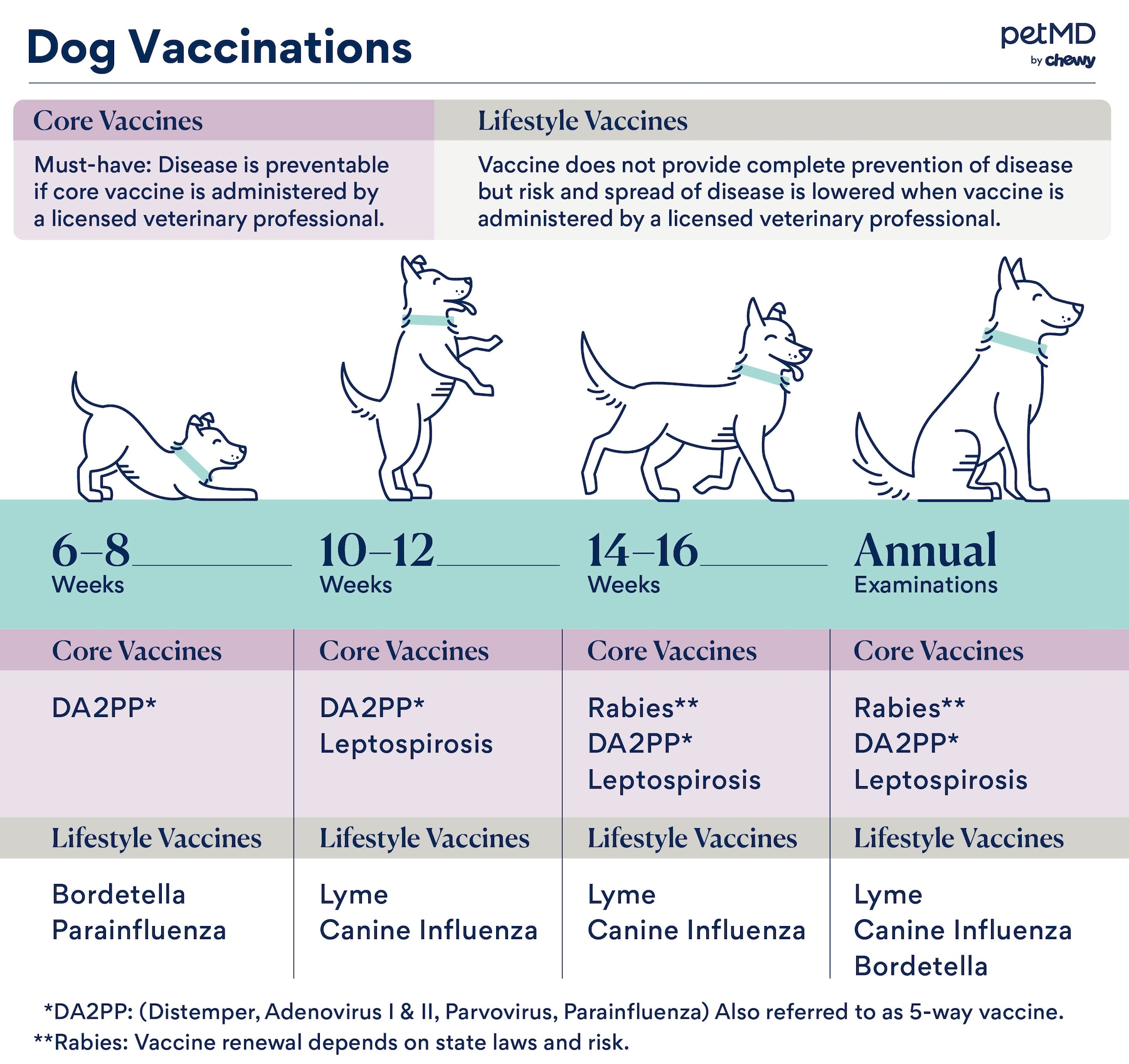
Image Source: image.petmd.com
Deciphering the Rabies Vaccine Schedule for Dogs
The rabies vaccine is a cornerstone of preventative healthcare for dogs. It protects against a deadly viral disease that can affect the nervous system of mammals, including humans. Understanding the proper rabies vaccine schedule is essential for lifelong protection.
When to Give the Dog Rabies Shot: The First Dose
The journey of rabies vaccination for your puppy begins early. Generally, the first rabies shot is administered when your puppy is between 12 and 16 weeks of age. This timing is critical because younger puppies may not have fully developed immune systems and might not respond effectively to the vaccine. It’s important to consult with your veterinarian for the precise age at which your puppy should receive their first dose, as this can sometimes vary based on the specific vaccine and the prevalence of rabies in your region.
The Crucial First Booster: Reinforcing Immunity
Following the initial vaccination, a booster dose is almost always required. The dog rabies booster frequency for the first follow-up shot is typically one year after the initial vaccination. This booster is vital for extending and reinforcing the immunity established by the first shot. It ensures that your puppy continues to be protected as they mature.
Ongoing Rabies Vaccine Intervals for Dogs: The Long-Term Plan
After the one-year booster, the rabies vaccine intervals for dogs can vary. This is where the concept of different vaccine durations comes into play.
- Three-Year Vaccines: Many modern rabies vaccines are approved for a three-year duration. This means that after the initial puppy shots and the one-year booster, your dog will only need a rabies booster every three years.
- One-Year Vaccines: While less common now, some older vaccines were only approved for one-year durations. If your veterinarian uses one of these, your dog will require an annual rabies vaccination dog.
It is crucial to adhere to your veterinarian’s recommendations regarding which vaccine to use and its specific schedule.
Fathoming Dog Vaccination Protocols: Beyond Rabies
While rabies is a significant concern, it’s part of a broader dog vaccination protocols that protect your pet from various infectious diseases. Other core vaccines include distemper, parvovirus, and adenovirus (often given in combination). Non-core vaccines might be recommended based on your dog’s lifestyle, such as Bordetella (kennel cough) or leptospirosis.
Your veterinarian will develop a customized vaccination plan for your dog, taking into account:
- Age: Puppies and senior dogs have different needs.
- Lifestyle: Does your dog go to dog parks, boarding kennels, or travel frequently?
- Geographic Location: Some diseases are more prevalent in certain areas.
- Medical History: Any pre-existing health conditions will be considered.
The pet rabies vaccination timeline is integrated into this comprehensive plan.
The Importance of Rabies Immunity Duration
The effectiveness of a vaccine is measured by how long it provides protection. Understanding the dog rabies immunity duration is key to knowing when boosters are necessary.
- Initial Immunity: The first vaccine provides a baseline level of immunity.
- Booster Immunity: The one-year booster significantly strengthens and prolongs this immunity.
- Subsequent Boosters: Depending on the vaccine’s efficacy and approval by regulatory bodies (like the USDA in the United States), immunity can last for one, two, or three years.
It is a common misconception that because a vaccine is labeled as “three-year,” it means immunity lasts exactly three years. In reality, research has shown that immunity for many core vaccines, including rabies, can last much longer, potentially for the animal’s lifetime. However, regulatory approval for longer durations is often based on rigorous testing and can be slower to change. Therefore, veterinary recommendations and legal requirements often dictate the booster schedules.
Why the Frequency of Rabies Shots in Dogs Matters
The frequency of rabies shots in dogs is dictated by a combination of scientific evidence, legal mandates, and veterinary best practices.
Legal Requirements: Public Health Protection
Rabies is a zoonotic disease, meaning it can be transmitted from animals to humans. For this reason, rabies vaccination laws are in place in most jurisdictions to protect public health. These laws often specify minimum vaccination requirements, including when the first vaccine should be given and the maximum interval between boosters.
- Local Ordinances: It is crucial to be aware of your local and state laws regarding rabies vaccination. These can vary significantly.
- Proof of Vaccination: You will typically need proof of vaccination for licensing your dog, boarding, grooming, or traveling.
Failure to comply with these legal requirements can result in fines or other penalties.
Veterinary Recommendations: Ensuring Ongoing Protection
Veterinarians base their recommendations on current scientific research, vaccine manufacturer guidelines, and their clinical experience.
- Vaccine Efficacy: Manufacturers provide data on how long their specific rabies vaccine is proven to be effective.
- Risk Assessment: Your vet will assess your dog’s individual risk of exposure to rabies based on your location, lifestyle, and any potential contact with wildlife.
Even if your local law allows for a three-year rabies booster, some veterinarians might recommend a one-year booster for dogs with higher exposure risks, or if they are using an older vaccine. Conversely, some veterinarians may advocate for less frequent boosters for dogs with demonstrably robust immunity, though this is often a more complex discussion due to legal and insurance considerations.
The Rabies Vaccine for Puppies: A Gentle Start
Introducing your puppy to vaccinations is a crucial step in their early healthcare.
Initial Vaccination Age
As mentioned, the rabies vaccine for puppies is typically given between 12 and 16 weeks of age. This ensures their immune system is mature enough to mount a strong response.
Potential Side Effects in Puppies
Like any vaccine, rabies shots can cause mild side effects in puppies, such as:
- Soreness at the injection site: The area might be tender to the touch.
- Mild lethargy: Your puppy might seem a bit tired for a day or two.
- Low-grade fever: A slight increase in body temperature is possible.
- Decreased appetite: Some puppies might eat a little less.
More serious allergic reactions are rare but can occur. If you notice any concerning symptoms, such as severe swelling, difficulty breathing, vomiting, or diarrhea, contact your veterinarian immediately.
Navigating Annual Rabies Vaccination Dog vs. Triennial Schedules
The debate between annual rabies vaccination dog and triennial (three-year) vaccination is an ongoing one within the veterinary community.
The Case for Triennial Vaccination
- Reduced Vaccine Overload: Fewer vaccinations mean less stress on the animal’s immune system.
- Convenience and Cost-Effectiveness: Less frequent vet visits can be beneficial for owners.
- Scientific Evidence: Studies often show that immunity can persist beyond the labeled duration for many vaccines.
The Case for Annual Vaccination (or more frequent reviews)
- Opportunity for Health Checks: Annual visits allow for comprehensive physical exams, parasite screening, and discussion of any health concerns.
- Legal Compliance: In some areas, annual vaccination might still be legally mandated for licensing.
- Higher Risk Dogs: For dogs that travel, live in high-risk areas, or have compromised immune systems, more frequent boosters might be considered by some vets.
It is critical to discuss your specific dog’s needs and your local regulations with your veterinarian to determine the most appropriate rabies vaccination schedule.
Key Considerations for Your Dog’s Rabies Vaccine
Several factors influence the dog rabies booster frequency and the overall vaccination strategy.
Vaccine Type
Different rabies vaccines have different approved durations. Your veterinarian will choose a vaccine based on its efficacy, safety, and the latest recommendations from manufacturers and veterinary associations.
Local Regulations and Licensing
As emphasized, local laws are paramount. Some jurisdictions require proof of a rabies vaccination given within the last 12 months for dog licensing, even if the vaccine itself is approved for three years. This is often a public health measure to ensure that all dogs are assessed and vaccinated within a consistent timeframe.
Risk of Exposure
The likelihood of your dog encountering a rabid animal plays a significant role. Dogs that spend a lot of time outdoors, especially in rural or wooded areas, may have a higher risk of exposure compared to strictly indoor dogs. However, even indoor dogs can escape or have unexpected encounters.
Dog’s Health Status
A dog’s overall health, age, and immune system status will be considered by your veterinarian.
What If My Dog Misses a Rabies Booster?
If your dog’s rabies vaccination lapses, it’s important to address it promptly.
Re-Establishment Protocols
If your dog’s rabies vaccination has lapsed by only a short period (e.g., a few months), your veterinarian might be able to give a booster and consider the vaccination continuous, depending on local laws and vaccine guidelines.
If the lapse is significant, your dog may need to be re-vaccinated as if they were receiving their initial vaccination. This typically involves:
- An immediate booster shot.
- A second booster shot a specified time later (often 6 months to 1 year) to re-establish immunity.
The exact protocol for a lapsed vaccination will depend on your veterinarian’s assessment and local regulations. Contact your vet as soon as you realize the vaccination has lapsed.
Frequently Asked Questions (FAQ)
Q1: Can my dog get rabies from the vaccine?
No, rabies vaccines are manufactured using inactivated (killed) or modified-live (weakened) rabies virus that cannot cause the disease in dogs. The vaccine stimulates the immune system to produce antibodies against the virus.
Q2: Is it safe to vaccinate my dog every year with the rabies vaccine?
Yes, it is generally safe to vaccinate your dog annually if that is the protocol recommended by your veterinarian, especially if it’s required for licensing in your area. However, with the availability of longer-lasting vaccines, many veterinarians are moving towards triennial (three-year) boosters after the initial one-year booster. Always follow your vet’s advice.
Q3: What happens if my dog bites someone and their rabies vaccine is out of date?
If your dog bites someone and their rabies vaccination is not current, public health authorities may require the dog to be quarantined for a period (typically 10 days) to monitor for signs of rabies. This can be a stressful and potentially costly experience. Keeping your dog’s vaccinations up-to-date is crucial to avoid such situations.
Q4: Can I vaccinate my dog myself?
No, rabies vaccines are prescription medications and must be administered by a licensed veterinarian. This ensures they are stored and handled correctly, administered at the appropriate site on the body, and that the veterinarian can monitor for any immediate adverse reactions.
Q5: How long does rabies immunity last in dogs?
Current research suggests that immunity to rabies can last for many years, often much longer than the labeled duration of the vaccine (one or three years). However, legal and public health requirements still mandate boosters at specific intervals to ensure widespread protection and facilitate disease control.
Q6: Will my dog need a rabies tag?
In most areas, your dog will need to wear a rabies tag and have a certificate of vaccination as proof of compliance with local laws. This tag is usually issued by your veterinarian at the time of vaccination.
By staying informed and working closely with your veterinarian, you can ensure your beloved canine companion remains protected from rabies throughout their life. Regular check-ups and adherence to the recommended vaccination schedule are key to their long-term health and the safety of your community.