
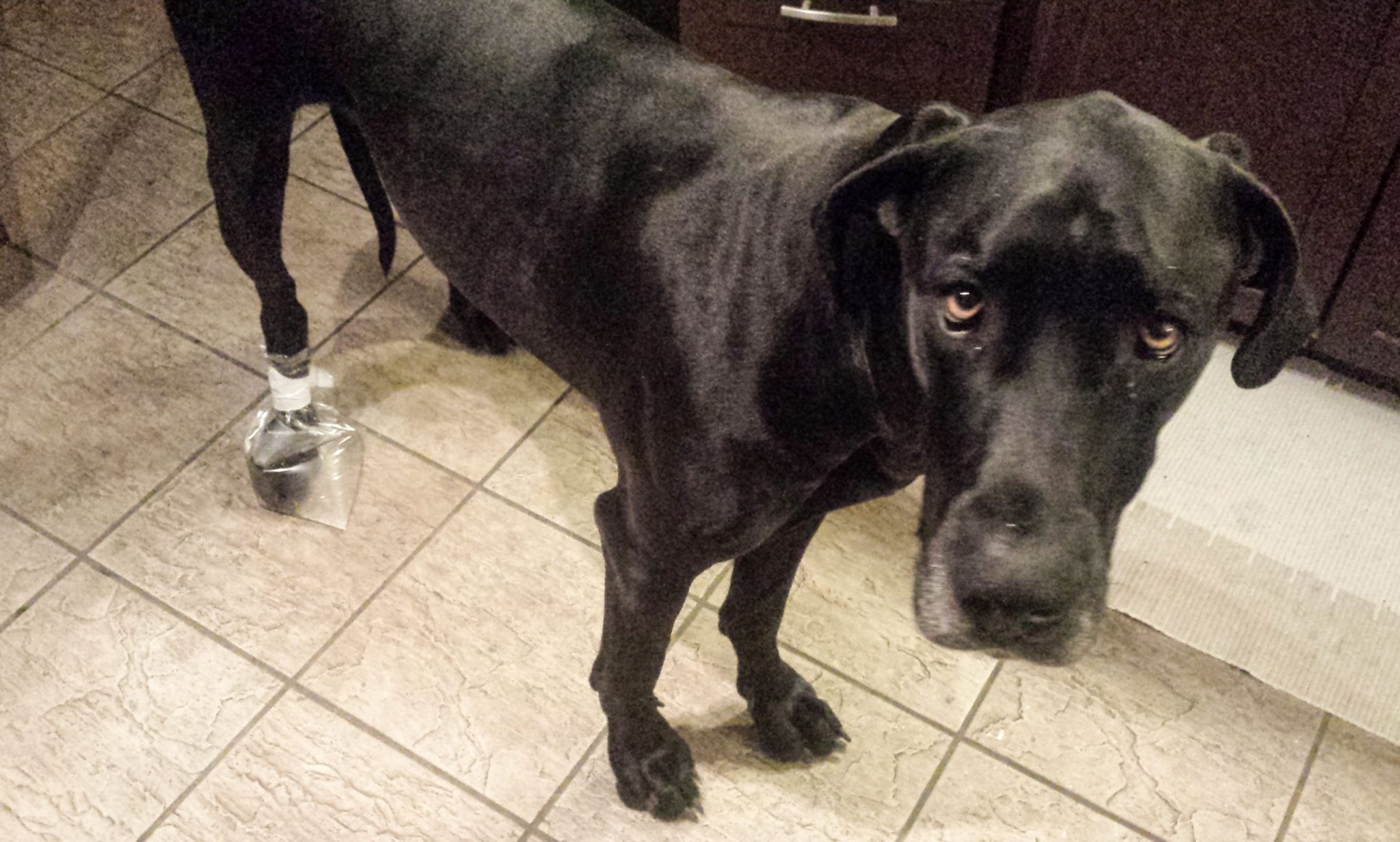
Image Source: www.anordinaryexistence.com
Dog Paw Care: How To Soak Dog Paw In Epsom Salt
Can you soak a dog’s paw in Epsom salt? Yes, you can soak a dog’s paw in Epsom salt, but it should only be done under the guidance of a veterinarian, especially if your dog has an open wound or a suspected infection. Epsom salt can be beneficial for minor irritations, swelling, and inflammation when used correctly. This guide will walk you through how to perform a dog paw soak safely and effectively, when it’s appropriate, and when to seek professional help.
Taking care of your dog’s paws is a crucial part of their overall health and well-being. Their paws are constantly exposed to rough surfaces, chemicals, and varying temperatures, which can lead to a variety of issues. From minor cuts and scrapes to more serious conditions like infections or inflammation, the health of your dog’s paws should never be overlooked. One common and often recommended home remedy for minor paw ailments is an Epsom salt bath dog soak. This natural treatment can help to soothe, clean, and reduce swelling.
Why Use Epsom Salt for Dog Paws?
Epsom salt, which is actually magnesium sulfate, has been used for centuries for its therapeutic properties. When dissolved in water, it can help to draw out toxins, reduce swelling, and ease pain and inflammation. For dogs, this can be particularly helpful for:
- Soothe Dog Paw: Providing relief from general discomfort or irritation.
- Dog Paw Swelling: Reducing puffiness caused by minor injuries or insect bites.
- Dog Paw Inflammation: Calming redness and irritation associated with various conditions.
- Clean Dog Paw Injury: Helping to keep minor wounds clean and prevent infection.
It’s important to remember that Epsom salt is not a cure-all. For significant injuries, deep cuts, or signs of dog paw infection, a visit to the veterinarian is essential.
When is an Epsom Salt Soak Appropriate for Your Dog?
An Epsom salt bath dog soak is generally considered safe and effective for minor issues such as:
- Minor Cuts and Scrapes: Superficial abrasions on the paw pads or between the toes.
- Mild Irritation: Redness or itching that isn’t caused by a serious underlying issue.
- Slight Swelling: Mild puffiness, perhaps from a minor bump or bruise.
- Post-Activity Soreness: After a long walk on rough terrain, a soak can help soothe tired paws.
- Minor Insect Bites: For mild reactions to insect stings or bites on the paw.
When to Avoid or Seek Veterinary Advice
It’s crucial to know when to consult your veterinarian. Do not use Epsom salt soaks if your dog has:
- Deep Wounds or Punctures: These require professional medical attention to prevent infection and promote proper healing.
- Signs of Infection: Look for excessive redness, warmth, pus, foul odor, or a worsening of the condition.
- Broken Bones or Serious Trauma: Any suspected fracture or major injury needs immediate veterinary care.
- Allergies or Skin Sensitivities: If your dog has sensitive skin, test a small area first or consult your vet.
- Ingestion Risk: Dogs that tend to lick or chew their paws excessively may ingest the Epsom salt, which can cause digestive upset.
If you are unsure about the severity of your dog’s paw condition, always err on the side of caution and contact your veterinarian. They can properly diagnose the issue and recommend the best course of treatment, which may or may not include an Epsom salt soak.
Preparing for the Dog Paw Soak
Gathering your supplies before you begin is key to a smooth and stress-free experience for both you and your dog.
Essential Supplies:
- Epsom Salt: Ensure you are using plain Epsom salt, not scented or medicated varieties.
- Container: A clean basin, tub, or even a large bowl that is deep enough to submerge your dog’s paw. A shallow plastic storage container or a clean cat litter box can work well.
- Warm Water: Not hot, but comfortably warm to the touch.
- Towel: A soft, absorbent towel for drying.
- Treats: To reward your dog for their cooperation.
- Optional: A Helper: If your dog is anxious or uncooperative, a second person can be very helpful in gently holding your dog.
Choosing the Right Epsom Salt:
Always opt for plain, unadulterated Epsom salt. Many Epsom salt products are enhanced with essential oils or fragrances, which can be irritating or even toxic to dogs if ingested or absorbed through their skin. Stick to 100% magnesium sulfate.
Determining the Right Water Temperature:
The water should be lukewarm, similar to what you’d use for a baby’s bath. You can test it by dipping your elbow or wrist into the water. It should feel comfortably warm, not hot. Water that is too hot can scald your dog’s skin, while water that is too cold can be uncomfortable and make them resistant to the soak. A warm water soak dog experience should be soothing.
Step-by-Step Guide to Soaking Your Dog’s Paw
Once you have everything ready, follow these steps to perform the dog paw soak:
Step 1: Prepare the Soak Solution
- Fill your chosen container with warm water. The water level should be sufficient to cover your dog’s paw up to the dewclaw (the small toe higher up on the leg).
- Add Epsom salt to the water. A general guideline is about 1 to 2 tablespoons of Epsom salt per quart (liter) of warm water. For a small basin, this might be around ¼ to ½ cup of Epsom salt.
- Stir the water thoroughly to ensure the Epsom salt is completely dissolved. You don’t want your dog stepping on undissolved salt crystals.
Step 2: Introduce Your Dog to the Soak
- Remain calm and positive. Your dog can sense your anxiety.
- Gently bring your dog to the soaking area.
- If your dog is nervous, offer a treat or praise. You might want to place them on your lap or a comfortable surface first.
- Start by gently placing one paw in the water for a brief moment. If they are receptive, proceed. If they are highly resistant, do not force them. You may need to work up to it gradually.
Step 3: The Soaking Process
- Gently place your dog’s affected paw into the Epsom salt solution.
- Hold their leg steady. If your dog is standing, you might need to kneel or sit on the floor with them. If they are smaller, you can have them on your lap.
- The goal is to soak the paw for about 5 to 10 minutes.
- Distract your dog with a long-lasting chew toy or a special treat if possible. This can make the experience more positive.
- Monitor your dog throughout the soak. If they show signs of distress, discomfort, or are trying very hard to escape, end the soak.
Step 4: After the Soak
- Gently remove your dog’s paw from the water.
- Rinse the paw thoroughly with clean, plain warm water. This is an important step to remove any residual Epsom salt, which could be drying or irritating if left on the skin.
- Gently pat the paw dry with a soft towel. Make sure to get between the toes, as moisture trapped here can lead to yeast or bacterial growth.
- Offer plenty of praise and a tasty treat for their cooperation!
Step 5: Monitor and Repeat (If Advised)
- Keep an eye on the paw for any changes.
- If recommended by your veterinarian, you may repeat the soak once or twice a day. However, over-soaking can dry out the skin, so adhere to your vet’s advice.
Common Paw Problems and How Epsom Salt Soaks Can Help
Let’s explore some specific situations where a dog paw soak might be beneficial, and how Epsom salt can contribute to paw wound care.
Soothing Irritated Paws
Dogs can develop paw irritation from various sources, including allergies, contact with harsh chemicals (like lawn fertilizers or de-icers), or even just prolonged exposure to rough surfaces. Symptoms can include redness, itching, and licking.
- How Epsom Salt Helps: The magnesium in Epsom salt is thought to have anti-inflammatory properties. A warm water soak dog can help to reduce redness and swelling, while the salt itself may draw out irritants. This can provide temporary relief from itching and discomfort, encouraging your dog to stop licking.
Addressing Dog Paw Swelling
Swelling can occur for many reasons, from minor bumps and bruises to insect bites or allergic reactions. If the swelling is mild and there are no signs of infection, an Epsom salt soak can be a helpful home remedy.
- How Epsom Salt Helps: The osmotic action of Epsom salt can help draw excess fluid out of the inflamed tissues, thereby reducing swelling. The warm water itself also promotes circulation, which can aid in the healing process. This is particularly useful for minor trauma that causes dog paw swelling.
Managing Mild Inflammation
Similar to swelling, inflammation is a common response to injury or irritation. A red, hot, and slightly swollen paw can benefit from the soothing properties of an Epsom salt soak.
- How Epsom Salt Helps: The anti-inflammatory effects attributed to magnesium sulfate can help to calm the inflamed skin. The warm water also provides a comforting sensation. For mild cases of dog paw inflammation, this can be a gentle way to offer relief.
Assisting with Minor Paw Wound Care
When it comes to paw wound care, cleanliness is paramount. A clean dog paw injury is less likely to become infected. An Epsom salt soak can help in this regard, but it’s crucial that the wound is not deep or extensive.
- How Epsom Salt Helps: The saline solution of Epsom salt can help to gently clean away debris from superficial wounds. It can also create an environment less conducive to bacterial growth. However, for any wound that is bleeding heavily, is deep, or shows signs of infection (like pus or a foul smell), veterinary attention is required. An Epsom salt soak should not be used as a substitute for proper medical treatment for serious wounds.
When to Suspect a Dog Paw Infection
It’s vital to recognize the signs of a dog paw infection. These can include:
- Persistent licking or chewing of the paw.
- Redness that spreads or deepens.
- Swelling that doesn’t improve or worsens.
- Warmth to the touch.
- Pus or discharge from the paw.
- A foul odor.
- Lameness or reluctance to bear weight on the paw.
- Blisters or sores.
If you observe any of these signs, an Epsom salt soak is not appropriate as a primary treatment. You must consult your veterinarian immediately. They can identify the cause of the infection (bacterial, fungal, etc.) and prescribe the necessary antibiotics, antifungals, or other medications.
Alternatives and Complementary Therapies
While Epsom salt soaks can be beneficial, they are not the only option for dog paw care. Sometimes, other treatments might be recommended or used in conjunction with soaks.
Antiseptic Wipes and Solutions:
For cleaning minor wounds, veterinary-approved antiseptic wipes or solutions can be used. These are specifically formulated for canine use and can help prevent infection. Always follow the product instructions or your vet’s recommendations.
Paw Balms and Moisturizers:
If your dog’s paws are dry, cracked, or rough, special paw balms can provide much-needed moisture and protection. These are particularly useful during harsh weather conditions.
Veterinary Prescriptions:
For diagnosed infections, allergies, or other medical conditions, your vet may prescribe topical creams, oral medications, or other specialized treatments. It is crucial to use these exactly as directed.
Diet and Supplements:
Sometimes, paw issues can be linked to nutritional deficiencies or allergies. Ensuring your dog is on a balanced diet and discussing any concerns with your vet about supplements (like Omega-3 fatty acids) might also contribute to overall paw health.
Precautions and Things to Watch Out For
Even when using a simple home remedy like an Epsom salt soak, it’s important to be aware of potential issues.
- Licking: As mentioned, dogs might lick their paws, especially if they are sore or itchy. If your dog is a persistent licker, consider using an Elizabethan collar (cone) during and after the soak to prevent them from ingesting the salt or irritating the wound further.
- Ingestion of Epsom Salt: While a small amount of dissolved Epsom salt is unlikely to cause serious harm, ingesting larger quantities can lead to diarrhea, vomiting, and lethargy. Monitor your dog closely after the soak.
- Skin Drying: Overuse of Epsom salt soaks can potentially dry out your dog’s paw pads, leading to cracking. Stick to the recommended duration and frequency, and consult your vet if you’re unsure.
- Allergic Reactions: Though rare, some dogs might have a sensitivity to Epsom salt or other components in the water. If you notice any unusual redness, itching, or skin irritation after a soak, discontinue use and contact your vet.
Frequently Asked Questions (FAQ)
Here are some common questions people have about using Epsom salt for dog paws:
Q1: How much Epsom salt should I use for a dog paw soak?
A1: A general guideline is 1 to 2 tablespoons of Epsom salt per quart (liter) of warm water. For a small basin, this might be around ¼ to ½ cup of Epsom salt. Always stir well to dissolve.
Q2: How long should I soak my dog’s paw in Epsom salt?
A2: Aim for a soaking time of 5 to 10 minutes. It’s crucial not to over-soak, as this can dry out the paw pads.
Q3: Can I use scented Epsom salt for my dog?
A3: No, it’s best to use plain, unadulterated Epsom salt (magnesium sulfate). Scents and essential oils can be irritating or even toxic to dogs if absorbed through the skin or ingested.
Q4: What if my dog won’t let me soak their paw?
A4: Don’t force your dog. Try to make the experience as positive as possible with treats and gentle handling. If your dog is extremely resistant or fearful, consult your veterinarian. They may be able to demonstrate gentle techniques or offer alternative treatments.
Q5: Can Epsom salt help with yeast infections on dog paws?
A5: While Epsom salt can help clean and dry minor irritations, it’s not a primary treatment for yeast infections. Yeast infections often require antifungal medications prescribed by a veterinarian. If you suspect a yeast infection (characterized by redness, itching, and sometimes a cheesy discharge), see your vet.
Q6: Is it safe to use Epsom salt for open wounds on a dog’s paw?
A6: Only for very minor, superficial abrasions. For any deep cuts, puncture wounds, or wounds that are bleeding heavily or show signs of infection, you must seek veterinary care. Using Epsom salt on a significant open wound without professional guidance could potentially delay healing or worsen the situation.
Conclusion
An Epsom salt soak can be a valuable tool in your home dog paw care arsenal for addressing minor irritations, swelling, and inflammation. By following these simple steps and always prioritizing your dog’s comfort and safety, you can provide gentle relief for their paws. Remember, the key to effective treatment is accurate diagnosis. If you have any doubts about your dog’s paw condition, or if symptoms persist or worsen, never hesitate to consult your veterinarian. They are your best resource for ensuring your furry friend has healthy and happy paws!