
Can you get stains out of dog fur? Yes, you absolutely can! With the right methods and a little patience, you can effectively tackle various stains on your beloved canine companion’s coat, keeping them looking and feeling their best. This guide will walk you through dog fur stain removal like a pro, covering everything from everyday dirt to more stubborn messes.
Dogs are wonderful companions, but they can also be prone to getting into all sorts of messes. Whether it’s rolling in mud, tracking in dirt, or having an accident, clean dog stains is a common challenge for pet parents. Maintaining a clean and healthy coat is crucial for your dog’s well-being and for keeping your home free of unpleasant odors and marks. This comprehensive guide is designed to equip you with the knowledge and tools for effective dog coat cleaning and remove stains from dog hair.
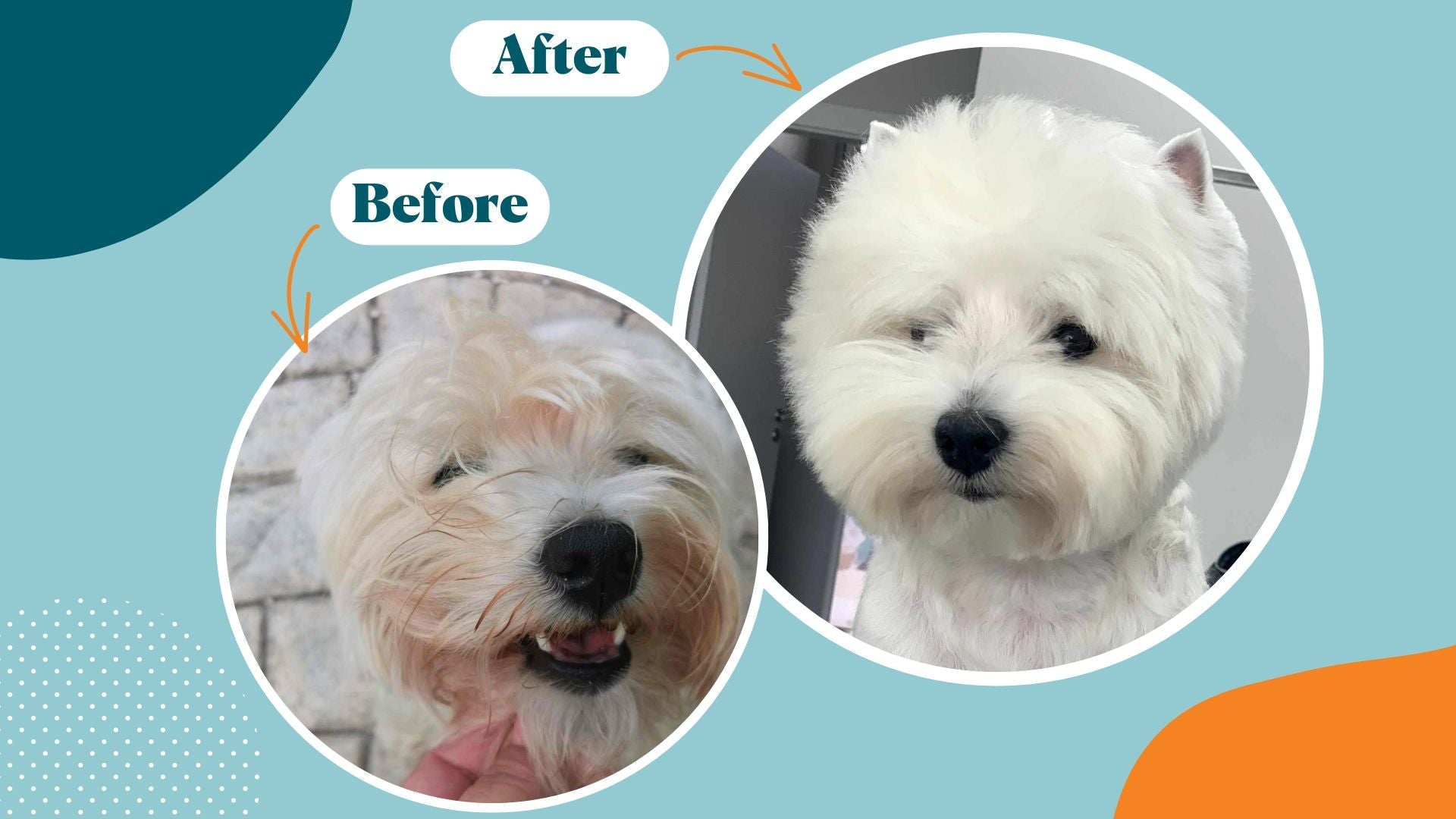
Image Source: www.superiorcare.pet
Common Stains on Dog Fur and Their Causes
Before diving into removal techniques, it’s helpful to identify the types of stains your dog might encounter. Knowing the culprit helps in choosing the most effective dog grooming stains treatment.
Mud and Dirt
This is perhaps the most frequent offender. After a romp in the park or a rainy day adventure, muddy paws and a dirty coat are almost inevitable.
Grass Stains
Similar to mud, grass can leave green or brown smudges on your dog’s fur, especially on lighter-colored coats.
Urine and Fecal Stains
Accidents can happen, particularly with puppies or senior dogs. These stains require immediate attention to prevent odor and skin irritation.
Food and Drink Stains
Drool, spilled kibble, or residue from sticky treats can also leave marks on your dog’s fur.
Tear Stains
Common in breeds prone to them, tear stains appear as reddish-brown streaks below the eyes due to excessive tearing.
Grease and Oil
Your dog might accidentally brush against something greasy, leaving an oily residue on their fur.
Scent Markings
Other animals may mark your dog, leaving behind less pleasant odors and stains.
General Principles for Dog Fur Stain Removal
When tackling any stain on your dog’s fur, keep these fundamental principles in mind to ensure a safe and effective process.
Act Quickly
The sooner you address a stain, the easier it will be to remove. Fresh stains haven’t had time to set into the hair fibers.
Identify the Stain Type
As mentioned earlier, knowing what caused the stain will guide your choice of cleaning agent.
Test in an Inconspicuous Area
Before applying any cleaning solution to a visible area, test it on a small, hidden spot of your dog’s fur to check for any adverse reactions or discoloration.
Be Gentle
Your dog’s skin is sensitive. Avoid harsh scrubbing or using irritating chemicals directly on their skin. Always dilute cleaning solutions as recommended.
Rinse Thoroughly
Ensure all cleaning product residue is completely washed out to prevent skin irritation or dryness.
Dry Properly
After cleaning, gently towel-dry your dog’s fur and allow it to air dry completely. Avoid using high heat from a hairdryer, which can damage fur.
Essential Supplies for Dog Fur Stain Removal
Having the right tools on hand makes pet fur stain care much simpler. Here are some items you’ll want to have in your dog grooming kit:
- Dog-Specific Shampoo: A gentle, pH-balanced shampoo formulated for dogs is your first line of defense.
- Conditioner: A good conditioner can help rehydrate the fur after cleaning and make it easier to brush.
- Clean Cloths and Towels: For applying solutions and drying.
- Lukewarm Water: Never use hot water, as it can be uncomfortable for your dog and potentially burn their skin.
- Cotton Balls or Pads: Useful for targeted application of cleaning solutions.
- Pet-Safe Stain Remover Sprays: Available at most pet stores.
- Natural Stain Removers for Dogs: Many household items can be used effectively and safely.
- Pet Wipes: For quick clean-ups between baths.
Tackling Specific Stains: A Step-by-Step Approach
Let’s dive into the specifics of removing different types of stains from your dog’s fur.
Cleaning Mud and Dirt Stains
This is usually the easiest to manage.
- Allow it to Dry: If the mud is wet, let it dry completely. Dried mud crumbles off more easily.
- Brush Away Loose Dirt: Once dry, gently brush off as much of the dried mud as possible using a soft brush.
- Wipe Down: Use a damp cloth with lukewarm water to wipe away any remaining dirt.
- Shampoo if Necessary: For stubborn dirt or a general cleaning, a full bath with dog shampoo might be needed.
Removing Grass Stains
Grass stains are essentially chlorophyll pigments.
- Pre-treatment: For fresh stains, try dabbing the area with a solution of equal parts white vinegar and water.
- Dog Shampoo: Wash the affected area with your dog’s shampoo and lukewarm water.
- Rinse and Repeat: Rinse thoroughly. If the stain persists, you might need a second wash.
Dealing with Urine and Fecal Stains
Prompt action is key here.
- Blot Immediately: Absorb as much of the liquid or solid matter as possible with paper towels. Do not rub, as this can spread the stain and push it deeper into the fur.
- Rinse with Water: Gently rinse the area with cool or lukewarm water.
- Enzymatic Cleaner: The best approach for urine stains is an enzymatic cleaner specifically designed for pet messes. These cleaners break down the organic matter causing the stain and odor. Follow the product instructions carefully.
- Mild Soap Solution: For less severe stains, a diluted solution of mild dish soap (like Dawn) and water can be used. Apply with a cloth, let it sit for a few minutes, then rinse thoroughly.
- Avoid Ammonia: Never use ammonia-based cleaners, as they smell similar to urine and can encourage your dog to mark the spot again.
Removing Food and Drink Stains
Depending on the food, these can be sticky or oily.
- Wipe and Rinse: For simple spills, wipe with a damp cloth and rinse with water.
- Mild Soap: For sticky residues, a small amount of mild dish soap mixed with water can help break down the stickiness.
- Baking Soda Paste: For tougher food stains, a paste made from baking soda and water can be applied. Let it sit for 5-10 minutes, then gently brush away and rinse.
Addressing Tear Stains
Tear stains require consistent pet fur stain care.
- Daily Cleaning: Gently wipe the area around your dog’s eyes daily with a soft, damp cloth or a pet-specific eye wipe.
- Hydrogen Peroxide Solution: For tougher stains, a diluted solution of 3% hydrogen peroxide (1 part peroxide to 3 parts water) can be used with a cotton ball. Apply very carefully, avoiding direct contact with the eyes. Rinse the area gently with plain water afterward.
- Cornstarch or Talcum Powder: For very light stains, dusting the area with cornstarch or a pet-safe talcum powder can absorb moisture and reduce staining.
- Consult Your Vet: Persistent tear staining can be a sign of underlying medical issues like blocked tear ducts or allergies.
Cleaning Grease and Oil Stains
Grease can be tricky to remove.
- Dish Soap: A small amount of grease-cutting dish soap, like Dawn, is highly effective. Apply a tiny amount directly to the stain, lather gently, and rinse thoroughly. Be sure to follow up with a dog shampoo to remove any residual soap.
- Baking Soda: Sprinkle baking soda on the oily spot and let it absorb the grease for a few minutes before brushing it off. This can be a good first step before washing.
Natural Stain Removers for Dogs
Many effective and safe stain removal agents can be found right in your kitchen! These natural stain removers for dogs are gentle on their skin and fur.
White Vinegar
- Properties: Acidic nature helps break down many types of stains and neutralize odors.
- Usage: Dilute with equal parts water. Use on grass stains, general dirt, and to freshen the coat. Can also be used as a final rinse after shampooing to add shine.
Baking Soda
- Properties: A mild abrasive and deodorizer.
- Usage: Make a paste with water for spot cleaning of tough stains. Sprinkle on damp fur to absorb odors and grease.
Hydrogen Peroxide (3%)
- Properties: Mild bleaching agent, effective for tear stains and some colored stains.
- Usage: Always dilute (1 part peroxide to 3-5 parts water). Use with extreme caution on tear stains, avoiding eyes. Can be used on lighter-colored fur for stubborn, set-in stains, but test first as it can lighten fur.
Cornstarch
- Properties: Absorbent.
- Usage: Useful for absorbing grease and moisture, particularly in tear stain areas.
Lemon Juice
- Properties: Natural bleaching and cleaning agent.
- Usage: Dilute with water. Can be effective on light-colored fur for certain stains, but use sparingly and test first, as it can lighten fur.
Special Considerations for Cleaning Dog’s White Fur
Cleaning dog’s white fur presents a unique challenge, as stains are much more visible.
Yellowing and Stains
White fur is prone to yellowing from age, diet, and exposure to the elements.
- Use Whitening Shampoos: Many shampoos designed for white dogs contain optical brighteners that make the fur appear whiter.
- Cornstarch or Baby Powder: For light yellowing, dusting with cornstarch or unscented baby powder and brushing it out can help.
- Diluted Blueing Solution: In very rare cases, a tiny amount of laundry bluing (found in fabric softeners) diluted in water can be used as a final rinse to counteract yellowing. Use with extreme caution and test first, as it can leave a blue tint if too much is used.
Tear Stains on White Fur
Tear stains are particularly noticeable on white dogs. Consistent cleaning with pet-safe eye wipes or a diluted hydrogen peroxide solution is essential.
Mud and Grass on White Fur
These will stand out starkly. Allow mud to dry and brush it off. For grass stains, vinegar or specialized dog stain removers are often necessary.
The Role of Dog Bathing in Stain Removal
A full dog bathing stain removal is often the most effective way to get your dog’s coat truly clean.
Preparing for a Bath
- Brush First: Brush your dog thoroughly before the bath to remove loose hair and debris. This prevents tangles from getting worse when wet.
- Gather Supplies: Have your shampoo, conditioner, towels, and any stain-specific treatments ready.
- Water Temperature: Ensure the water is lukewarm.
During the Bath
- Wet Thoroughly: Wet your dog’s coat completely, working the water down to the skin.
- Apply Shampoo: Apply dog shampoo and lather well, focusing on any stained areas. You can gently massage the shampoo into the fur with your fingers.
- Address Stains: For stubborn stains, you might apply the shampoo directly to the stained area and let it sit for a few minutes before rinsing.
- Rinse, Rinse, Rinse! This is crucial. Ensure all shampoo is out of the coat. Leftover shampoo can irritate the skin and dull the coat.
- Condition (Optional but Recommended): Apply a dog conditioner, especially if the fur feels dry or tangled, and rinse.
Post-Bath Care
- Towel Dry: Gently squeeze excess water from the fur and then towel dry your dog.
- Air Dry: Allow your dog to air dry in a warm, draft-free area. Avoid blow-drying on high heat.
Targeted Stain Removal Products
While natural remedies are great, sometimes you need something more specific.
Enzymatic Cleaners
- How They Work: These cleaners contain enzymes that break down organic matter, making them ideal for urine, feces, vomit, and blood stains. They also eliminate odors.
- Usage: Follow product instructions. Typically, you spray the cleaner on the stain, let it dwell for a specified time, and then wipe or rinse.
Dog-Specific Stain Remover Sprays
- Variety: Many brands offer sprays formulated for various stains like grass, mud, and general dirt.
- Ingredients: These often contain mild surfactants and natural extracts to lift stains.
- Usage: Spray directly onto the stained area, let it work for a few minutes, then wipe or rinse.
When to Seek Professional Help
While most stains can be handled at home, there are times when a professional groomer or veterinarian is the best option.
Severe or Persistent Stains
If a stain is very deep-set, large, or doesn’t respond to home treatments, a professional groomer has access to stronger, specialized products and techniques.
Skin Irritation or Sores
If the stain is accompanied by redness, swelling, hair loss, or any sign of skin irritation or injury, consult your veterinarian immediately. The stain might be a symptom of an underlying health issue.
Complex Stains
If you’re unsure about the origin of a stain or how to treat it safely, a professional can provide expert advice.
Maintaining a Clean Dog Coat: Prevention is Key
The best way to deal with stains is to prevent them from happening in the first place.
- Regular Brushing: Brushing your dog’s coat regularly removes dirt, debris, and loose hair, preventing tangles and making cleaning easier.
- Paw Wipes: Keep pet-safe paw wipes by the door to clean your dog’s paws after walks, especially on rainy or muddy days.
- Protective Gear: For dogs prone to getting very dirty, consider a doggy raincoat or protective coat for wet weather.
- Controlled Outdoor Time: If possible, supervise your dog when they are outside in particularly messy conditions.
- Dietary Management: For issues like tear staining, discuss your dog’s diet with your vet, as certain foods can contribute to excessive tearing.
- Regular Grooming: Consistent grooming, including baths and trims when necessary, helps maintain a clean and healthy coat.
Frequently Asked Questions About Dog Fur Stain Removal
Q1: How often should I bathe my dog?
A1: The frequency of baths depends on your dog’s breed, coat type, activity level, and skin condition. Generally, bathing every 4-8 weeks is sufficient. Over-bathing can strip natural oils and dry out the skin.
Q2: Can I use human shampoo on my dog?
A2: No, it’s not recommended. Human shampoos are formulated for human skin pH, which is different from a dog’s. Using human shampoo can irritate a dog’s skin and damage their coat.
Q3: How do I get rid of that doggy smell?
A3: Regular bathing with a good dog shampoo is key. Enzymatic cleaners are excellent for eliminating odor-causing bacteria. Ensure you clean your dog’s bedding and toys as well.
Q4: My dog has yellow stains on his white fur. What can I do?
A4: Yellowing can be caused by various factors. Try a whitening shampoo or a diluted hydrogen peroxide solution applied carefully to the affected areas (avoiding eyes). Regular grooming and avoiding yellowing agents like certain foods or environmental factors can also help.
Q5: Are essential oils safe for cleaning dog fur?
A5: Some essential oils can be toxic to dogs, even in diluted forms. It’s best to avoid using essential oils directly on your dog’s fur unless specifically recommended by a veterinarian. Stick to pet-safe cleaning products.
By following this guide, you’ll be well-equipped to handle most staining incidents, ensuring your dog’s coat remains clean, healthy, and beautiful. Remember to always prioritize your dog’s comfort and safety, and when in doubt, consult a professional. Happy grooming!