
Can you hunt pheasant without a dog? Yes, you absolutely can hunt pheasant without a dog, and many successful hunters do. While a dog is a significant asset, it’s not a requirement for a rewarding pheasant hunt. This guide will equip you with proven methods and techniques to effectively hunt pheasant without relying on a canine companion, focusing on finding pheasants manually, locating ground birds, and mastering pheasant stalking techniques.
Hunting pheasant without a retriever requires a shift in strategy and a keen eye for detail. It means becoming more attuned to your surroundings, understanding pheasant behavior intimately, and developing superior scouting for pheasants and pheasant tracking skills. This isn’t about replacing a dog’s nose; it’s about amplifying your own senses and employing smart tactics to achieve the same goal: putting birds in the bag. We’ll delve into effective pheasant flushing methods and explore various bird dog alternatives to make your solo pheasant hunting endeavors successful.
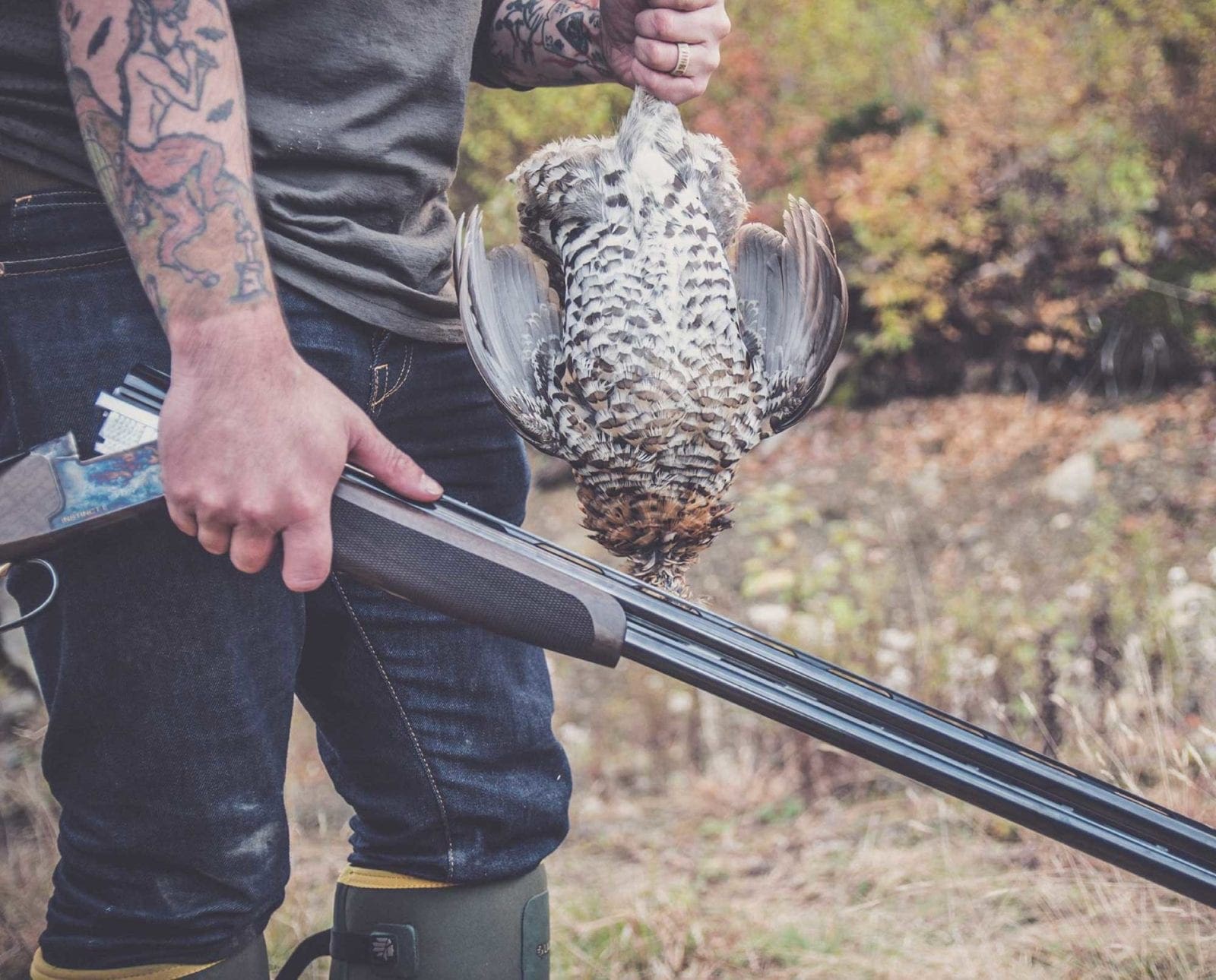
Image Source: projectupland.com
The Fundamentals of Solo Pheasant Hunting
Successfully hunting pheasant without a dog hinges on a few core principles. These are the building blocks that will allow you to compensate for the absence of a canine partner.
Reading the Landscape
Pheasants are creatures of habit and specific habitat preferences. Learning to read the land is paramount. This involves more than just knowing where cover exists; it’s about deciphering subtle clues.
- Cover Types: Pheasants love edges. Think about where thick grass meets agricultural fields, the transition between dense brush and open meadows, or the borders of wetlands. These are prime pheasant highways and resting spots.
- Food Sources: Observe agricultural fields. Corn, soybeans, wheat, and sorghum are magnets for pheasants, especially in the fall. Look for stubble fields where grain has been dropped.
- Water Access: While not as critical as cover, pheasants do need access to water, especially during drier periods. Ponds, streams, and even ditches can be indicators of nearby bird activity.
- Sun Exposure: In colder weather, pheasants will often seek out sunny spots, particularly south-facing slopes or areas with less wind.
Deciphering Pheasant Behavior
Knowing what pheasants do and why is crucial when you’re their sole pursuer.
- Roosting: Pheasants typically roost in dense cover overnight, often in ditches or along the edges of fields. They will flush from these areas at first light to feed.
- Feeding: They feed primarily in agricultural fields and stubble, often moving to heavier cover to digest and rest during the day.
- Roosting Again: In the late afternoon, they will again move towards roosting cover. Understanding these daily movements allows you to anticipate their location.
- “Puss-in-the-Corner”: This describes a pheasant’s tendency to hunker down and freeze, hoping to avoid detection. This is where your pheasant stalking techniques become vital.
Essential Gear for Solo Hunters
While you’re foregoing a dog, you still need the right tools for success.
- Shotgun: A 12-gauge or 20-gauge is standard. Ensure it’s comfortable and you can handle it safely.
- Ammunition: High-quality pheasant loads are essential. Consider loads with larger shot sizes (e.g., #5 or #6) for better knockdown power at longer ranges.
- Camouflage and Blaze Orange: Proper camouflage helps you blend in, while blaze orange is mandatory for safety in most hunting areas.
- Navigation: A GPS device or a reliable map and compass are vital, especially when hunting unfamiliar territory.
- Water and Snacks: You’ll be doing a lot of walking, so staying hydrated and fueled is important.
- First-Aid Kit: Always be prepared for minor injuries.
- Binoculars: Crucial for glassing fields and identifying distant cover that might hold birds.
- Game Bag: To carry your harvested birds.
Proven Methods for Finding Pheasants Manually
This is where the art of finding pheasants manually truly shines. Without a dog to point them out, you become the detective.
The Art of Walking Up Pheasants
Walking up pheasants is the most common method when hunting without a dog. It’s about systematic coverage of likely habitat.
- Spacing: If hunting with a partner, maintain a distance of about 15-20 yards between hunters. This allows for wider coverage and increases the chances of flushing birds into the other hunter’s zone.
- Patterning: Walk in a deliberate pattern, covering the entire area. Think about sweeping or zig-zagging through fields and cover.
- Patience: Don’t rush. Move slowly and deliberately, scanning the ground and cover ahead of you.
- Listen: Pheasants, especially when walking, often make a characteristic scratching sound. Stop periodically and listen.
Locating Ground Birds: Your Eyes and Ears
Your senses are your primary tools for locating ground birds.
- Visual Cues: Look for tracks in the dirt or snow, droppings, or disturbed vegetation. Even a fleeting glimpse of a tail feather can be a clue.
- Sound Detection: Listen for the tell-tale “cackle” of a disturbed pheasant or the whirring of wings as they flush.
- Wind Direction: Pheasants often face into the wind. If you can determine the wind direction, you can anticipate where their heads might be turned. This is especially useful for pheasant stalking techniques.
Scouting for Pheasants: The Pre-Hunt Advantage
Effective scouting for pheasants before the actual hunt can dramatically increase your success.
- Pre-Season Scouting: Visit potential hunting areas in late summer or early fall. Look for areas with good food and cover. Note where you see the most sign – tracks, droppings, or even just well-used trails.
- During the Season: Drive or walk through areas at dawn and dusk to observe where birds are feeding and roosting. Look for flights of birds heading to or from fields.
- Leveraging Local Knowledge: Talk to farmers or landowners. They often have a good idea of where birds are concentrated.
Mastering Pheasant Flushing Methods Without a Dog
The goal is to make the pheasant move, and there are several ways to achieve this. These are your pheasant flushing methods.
The Drive and Block Method (with a Partner)
This is one of the most effective pheasant flushing methods when you have at least one partner.
- The Drive: One or two hunters walk slowly through a likely piece of cover, pushing birds towards a designated “blocker.”
- The Blocker: Another hunter positions themselves at the far end of the cover, often near a road or an open field edge, ready to intercept flushing birds.
- Strategic Placement: The blocker should position themselves where they can have a clear shot, but also where they won’t be easily seen by the driving hunters or the birds themselves.
- Communication: Clear communication between hunters is essential for this to work effectively.
The “Sweep” Method
This involves systematically covering a large area by walking in a sweeping pattern.
- Coverage: Hunters spread out, usually in a line, and walk across a field or cover.
- Flushing Angle: As you walk, you’re flushing birds ahead of you or to your sides.
- Partner Coordination: If hunting with others, coordinate your sweeps to cover the entire area.
Utilizing Natural Features
Sometimes, the terrain itself can help flush birds.
- Driving Towards Obstacles: Push birds towards dense thickets, ditches, or impenetrable brush where they might get cornered and flush unexpectedly.
- Working with the Wind: If you can determine the wind direction, try to walk with the wind at your back. This can help carry your scent away from the birds, making them less likely to spook prematurely. Conversely, walking into the wind can sometimes push them forward.
The Waiting Game: Ambush Tactics
This method relies on anticipating where a bird will flush and setting up accordingly.
- Observation: If you see a pheasant run into a thicket, you can often predict where it might flush to get to open ground or another piece of cover.
- Positioning: Position yourself in that likely flight path, allowing the bird to come to you. This requires good pheasant tracking skills to follow the bird’s movement without flushing it too early.
- Patience: This tactic demands significant patience and stillness.
Advanced Pheasant Tracking Skills for Solo Hunters
Without a dog’s nose, your ability to track a pheasant’s movement becomes critical. These are your pheasant tracking skills.
Following the Footprints
- Sign Awareness: Learn to identify pheasant tracks in soft soil, mud, or snow. Look for the distinctive three-toed imprint.
- Trail Following: If you find a fresh set of tracks, try to follow them. Pheasants often run for a bit before flying. If you can keep pace with their running, you might be able to keep them in cover longer and force a flush.
- Interpreting the Sign: A single set of tracks might just be a passing bird. Multiple tracks, or tracks leading into dense cover, are more promising.
Observing Movement Patterns
- Bird Behavior: If you see a pheasant that has been flushed, try to note where it lands. Does it fly to a specific type of cover? Does it run?
- Predicting Flight Paths: Based on your knowledge of the terrain and the bird’s behavior, you can sometimes predict where it will emerge from cover.
The Power of Stillness
- Silent Observation: When you suspect birds are nearby, stop moving and listen. Often, you’ll hear them rustling in the leaves or grass before you see them.
- Visual Scanning: Slowly pan your eyes across the landscape. Look for the subtle signs – a ripple in the grass, a slight movement in a bush.
Bird Dog Alternatives: Enhancing Your Solo Efforts
When you’re hunting without a dog, you need to explore bird dog alternatives by maximizing your own capabilities.
Utilizing Technology
- GPS and Mapping Apps: Modern technology can be a powerful tool. Use apps that show topography, cover types, and even user-generated points of interest (like known cover).
- Drone Scouting (Where Legal): In some areas, drone scouting can be a revolutionary way to locate bird concentrations before you even set foot in the field. Always check local regulations regarding drone use in hunting areas.
Understanding Weather Patterns
- Wind and Rain: Weather can significantly influence bird behavior. Strong winds can push birds into sheltered areas. Rain can make them seek out drier, denser cover.
- Temperature: Cold weather often pushes birds to seek out less windy, sunny spots for warmth.
Habitat Manipulation (Where Permitted)
- Creating Edge Habitat: If you have permission on private land, consider creating small patches of dense cover or brush piles that might attract and hold pheasants. This is a long-term strategy but can pay dividends.
Pheasant Stalking Techniques: The Art of the Approach
Pheasant stalking techniques are about getting as close as possible without alerting the bird to your presence.
Slow and Steady Wins the Race
- Deliberate Movement: Walk slowly, placing your feet carefully to avoid making sudden noises.
- Use the Wind: Approach from downwind whenever possible. Your scent will be carried away from the bird.
- Natural Cover: Use trees, shrubs, and terrain features for concealment as you approach.
The “Freeze” Tactic
- Sudden Stillness: If you think a bird has spotted you or is about to flush, freezing can sometimes work. The bird might think it was just a shadow or a rustle of wind and settle back down.
- Wait for the Flush: Once you’re in position, wait for the bird to flush. Don’t try to force it prematurely.
Mimicking Natural Sounds
- Subtle Noises: Sometimes, making a slight rustle of leaves or a soft whistle can encourage a shy bird to move, thinking it’s just another animal. Be careful not to spook them too badly.
Hunting Without a Retriever: Retrieving Your Harvest
Even without a dedicated retriever, you still need to be able to recover downed birds.
Shot Placement is Key
- Clean Kill: Aim for a clean, ethical kill. Good shot placement is the best way to ensure your bird goes down and stays down.
- Head/Neck Shots: These are ideal for a clean kill but require precision.
- Body Shots: Aim for the chest cavity for the highest chance of immediate incapacitation.
Marking Your Bird
- Visual Confirmation: When you shoot, watch the bird intently. Note exactly where it falls.
- Trail Marking: If the bird rolls or flies after being hit, mark the spot with your eyes. If it’s in tall grass, remember landmarks.
The Search and Recovery
- Systematic Search: Once you reach the approximate fall area, begin a systematic search. Walk in expanding circles or a grid pattern.
- Look for Signs: Check for feathers, blood trails, or tracks.
- Listen: Sometimes a wounded bird will call out.
- Don’t Give Up Easily: Pheasants are tough birds. A wounded bird can travel a surprising distance.
Ethical Considerations for Solo Hunters
Hunting without a dog doesn’t change your ethical responsibilities.
- Safety First: Always be aware of your surroundings and the safety of others. Treat every firearm as if it were loaded.
- Know Your Target: Be absolutely certain of your target before you shoot.
- Respect Property: Always get permission before hunting on private land.
- Follow Regulations: Adhere to all local, state, and federal hunting laws and regulations.
- Waste Not, Want Not: Make every effort to recover and utilize harvested game.
Sample Hunting Plan: Solo Pheasant Expedition
Let’s put these principles into practice with a hypothetical plan.
Objective: Hunt pheasant in a large public land area known for its mixed habitat of CRP (Conservation Reserve Program) fields, creek bottoms, and small woodlots.
Pre-Hunt Scouting (Two days prior):
- Drive the perimeter of the property at dawn and dusk.
- Observe where pheasants are flying to feed in the morning and returning to roost in the evening.
- Note areas with the densest cover along field edges and in creek beds.
- Identify potential access points and parking areas.
- Check weather forecast for hunting day – windy conditions might push birds to sheltered areas.
Hunting Day Plan:
- Morning: Arrive at the hunting area before first light.
- First Location: Head to a known roosting area identified during scouting – likely a dense, brushy creek bottom adjacent to a stubble field.
- Approach: Approach from downwind, using natural cover for concealment. Move slowly, stopping frequently to listen for scratching or movement.
- Flush Strategy: Walk the edge of the stubble field, working into the thicker cover. Aim to flush birds into the more open field where you have a better chance of seeing them.
- Mid-day: If successful in the morning, move to a new area. If not, try another promising roosting spot. During the mid-day, focus on food sources – stubble fields or areas with good weed growth.
- Afternoon: Shift focus to areas where birds might be loafing or moving to afternoon feeding spots. This could be south-facing slopes with warmer temperatures or areas with good escape cover.
- Last Light: Position yourself near known roosting areas as birds begin to gather for the night.
Tactics:
- Maintain a steady, methodical pace.
- Constantly scan ahead and to the sides.
- Listen for any subtle sounds of movement.
- If hunting with a partner, maintain appropriate spacing and communicate via hand signals if necessary.
- If a bird is flushed and flies into thick cover, try to predict its exit point and wait.
Frequently Asked Questions (FAQ)
Q1: Is it harder to hunt pheasant without a dog?
Yes, it is generally harder to hunt pheasant without a dog because you lose the advantage of a dog’s scenting ability to locate and flush birds. However, with the right strategies and techniques, it is still very possible to have successful hunts.
Q2: What are the best types of cover for finding pheasants manually?
Pheasants thrive in edge habitats. Look for areas where dense cover meets open fields, such as the edges of cornfields, soybean fields, wheat stubble, overgrown ditches, fence rows, and thickets of brush or saplings. Conservation Reserve Program (CRP) fields are also excellent habitat.
Q3: How can I improve my pheasant tracking skills without a dog?
Improving your tracking skills involves keen observation. Learn to identify pheasant tracks in dirt or snow. Look for droppings, disturbed vegetation, and feathers. Practice following these signs, paying attention to how pheasants move when they are running. Listen carefully for rustling sounds in the grass or leaves.
Q4: What are some effective bird dog alternatives when solo hunting?
Bird dog alternatives focus on maximizing your own senses and knowledge. This includes thorough pre-hunt scouting, understanding pheasant behavior and habitat preferences, using navigation tools like GPS and mapping apps, carefully observing the landscape for subtle signs, and employing patient, methodical hunting techniques.
Q5: What is the best time of day to hunt pheasant without a dog?
The best times are typically early morning and late afternoon. In the morning, birds are often moving from their roosting cover to feeding areas. In the late afternoon, they are returning to roost. Mid-day can also be productive, especially on warmer days when birds may seek shade in dense cover.
Q6: How do I locate ground birds effectively?
To locate ground birds, you need to be observant. Look for signs of their presence like tracks, droppings, and disturbed vegetation. Listen for their characteristic scratching sounds or their calls. Scan the ground and low vegetation carefully, especially along edges and in known cover types. Patience and quiet movement are key.
Q7: What are the most effective pheasant flushing methods for a solo hunter?
For a solo hunter, effective methods include walking up pheasants systematically, using natural features to funnel birds, and employing stalking techniques to get close before they flush. If hunting with one partner, the drive and block or sweeping patterns can be very effective. The key is to move through likely habitat in a way that encourages birds to move.