
How often does your dog need a rabies shot? Generally, puppies receive their first rabies vaccination between 12 and 16 weeks of age, followed by a booster one year later. After that, the frequency depends on the vaccine used and local regulations, typically every one to three years.
Ensuring your canine companion is up-to-date on their rabies vaccinations is a cornerstone of responsible pet ownership and a vital component of dog health rabies policy. Rabies is a deadly viral disease that affects the nervous system and can be transmitted to humans, making rabies prevention dog a community-wide effort. This comprehensive guide will delve into the dog rabies vaccination schedule, explore rabies booster shots for dogs, and clarify how often to vaccinate dog against rabies. We’ll also touch upon the veterinarian rabies shot schedule, puppy rabies vaccination, adult dog rabies booster, and the importance of understanding rabies vaccine frequency dog, including the consideration of an annual rabies vaccine for dogs versus longer-lasting options.
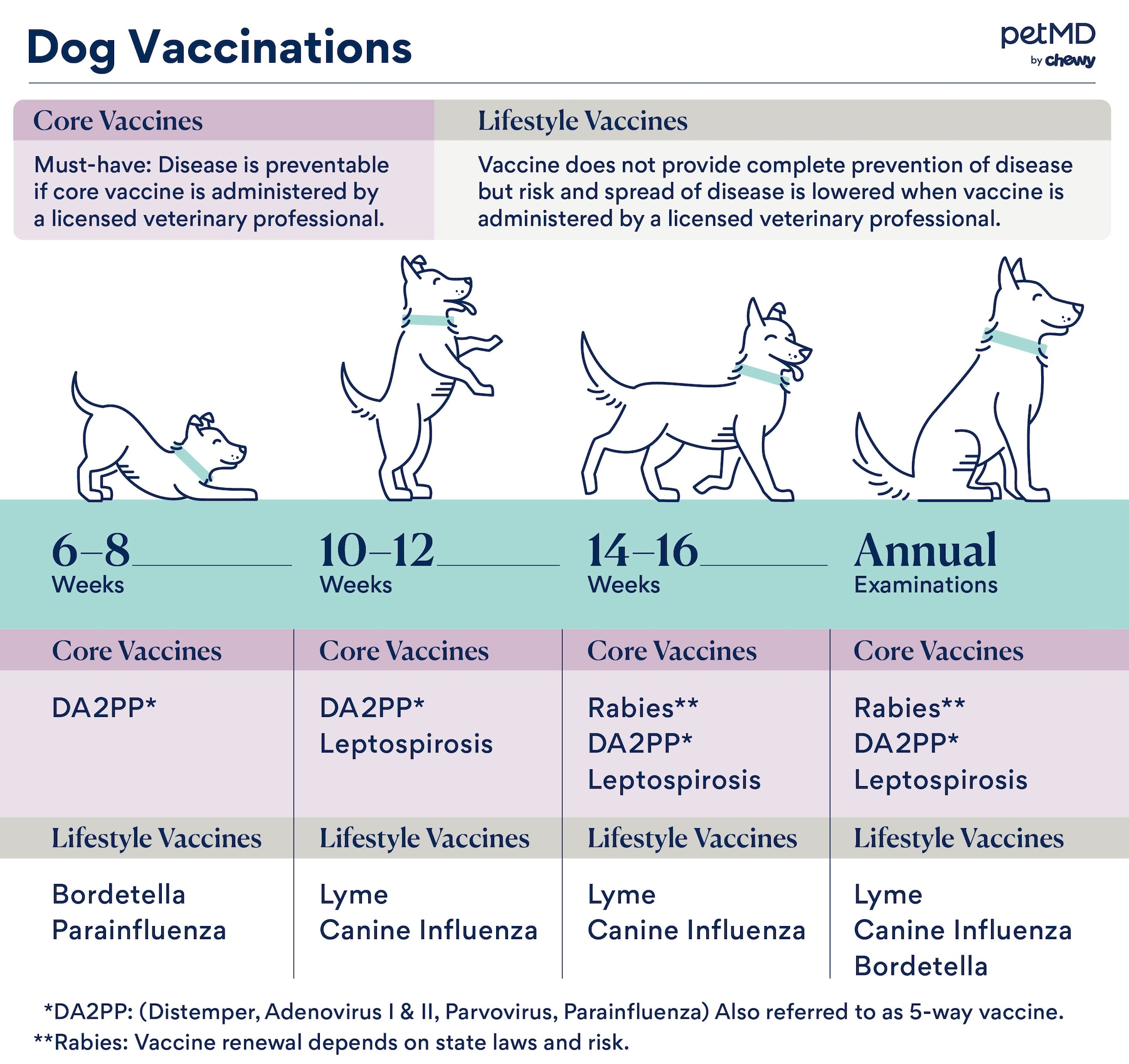
Image Source: image.petmd.com
Deciphering the Rabies Vaccination Lifecycle
The rabies vaccination cycle for dogs is designed to provide robust protection while balancing efficacy with the need to avoid over-vaccination. It begins with the initial puppy rabies vaccination and continues throughout your dog’s life with crucial rabies booster shots for dogs.
The First Step: Puppy Rabies Vaccination
Puppies are susceptible to various infectious diseases, and rabies is no exception. The timing of the initial rabies vaccine is critical.
- Age: The first rabies vaccination is typically administered between 12 and 16 weeks of age. This timing ensures that the puppy’s immune system is mature enough to respond effectively to the vaccine. Maternal antibodies, acquired through colostrum from the mother, can interfere with vaccine efficacy if given too early.
- Vaccine Type: Your veterinarian will select a rabies vaccine approved for use in puppies of that age. Different vaccines have varying durations of immunity, which will influence future vaccination schedules.
- Legal Requirements: Many jurisdictions mandate rabies vaccination for puppies by a certain age, often around 3 or 4 months.
The Crucial Booster: Solidifying Immunity
Following the initial puppy vaccination, a booster shot is almost always required to extend and solidify immunity.
- Timing: This first booster is typically given one year after the initial vaccination. This is a critical step in establishing long-term protection against the rabies virus.
- Why a Booster? The first vaccine primes the immune system, but the booster shot acts as a “reminder,” strengthening the immune response and ensuring that protective antibody levels remain high.
How Often to Vaccinate Dog Against Rabies: The Core Question
The answer to how often to vaccinate dog against rabies isn’t a single, simple number. It’s influenced by several factors, primarily the type of rabies vaccine used and the prevailing legal requirements in your area. This is where the veterinarian rabies shot schedule becomes paramount.
Factors Influencing Rabies Vaccine Frequency
- Vaccine Type and Duration of Immunity: Rabies vaccines are classified based on their duration of immunity (DOI).
- One-Year Vaccines: These vaccines offer protection for one year. If a one-year vaccine is used for the initial puppy shot and the first booster, then subsequent vaccinations will be administered annually.
- Three-Year Vaccines: Modern rabies vaccines are often formulated to provide protection for three years. If your dog receives a three-year vaccine for their first booster (given one year after the initial puppy shot) and subsequent boosters, the rabies vaccine frequency dog will be every three years.
- State and Local Laws: Rabies vaccination laws vary significantly by state, county, and even city. Many areas have specific mandates regarding the frequency of rabies vaccinations to ensure public health and rabies prevention dog. These laws often dictate whether a one-year or three-year vaccine is permissible and how often revaccination is required. It is crucial to comply with these legal requirements.
- Dog’s Lifestyle and Risk Exposure: While not typically the sole determinant of the vaccination schedule itself, a dog’s lifestyle can influence conversations with your veterinarian. For instance, dogs that frequently interact with other animals, travel to areas with higher rabies prevalence, or live in regions where wildlife (like bats, raccoons, foxes, and skunks) known to carry rabies are common might warrant a discussion about the importance of consistent vaccination.
The Annual Rabies Vaccine for Dogs vs. Triennial Schedules
The choice between an annual rabies vaccine for dogs and a triennial (three-year) schedule largely hinges on the vaccine used and local regulations.
- Annual Schedule: Historically, rabies vaccines were administered annually. If a veterinarian uses a one-year vaccine, then your dog will need a rabies shot every year. This ensures consistent, high levels of immunity, but it does mean more frequent visits to the vet for this specific vaccine.
- Triennial Schedule: With the development of more advanced vaccines, three-year rabies vaccines are now widely available and often preferred due to convenience and potential for reduced vaccine-associated risks. If a three-year vaccine is administered as the first booster (one year after the initial puppy shot) and subsequent boosters, then your dog will only require a rabies shot every three years.
It’s important to note that the first rabies vaccination and its subsequent booster, usually given one year later, are critical. After that first year, the switch to a three-year vaccine can occur if the vaccine and local laws permit.
The Veterinarian Rabies Shot Schedule: What to Expect
Your veterinarian is your primary resource for establishing the correct veterinarian rabies shot schedule for your dog. They will consider the age of your dog, the specific rabies vaccine they administer, and the legal requirements of your region.
Initial Puppy Vaccination and First Booster
- Puppy Shot: As mentioned, usually between 12-16 weeks.
- First Booster: Typically 1 year after the initial vaccination. This booster is crucial regardless of whether a one-year or three-year vaccine is used going forward. If a one-year vaccine is given at this stage, an annual schedule is initiated. If a three-year vaccine is given here, then the next booster is due in three years.
Adult Dog Rabies Booster and Ongoing Vaccinations
Once your dog is an adult and has received their first post-puppy rabies booster, the adult dog rabies booster schedule is set.
- Three-Year Protocol: If a three-year vaccine was administered as the first booster (one year after the initial puppy shot), then your dog will receive subsequent rabies boosters every three years. This means your dog might get a rabies vaccine at age 16 weeks, then again at 1 year, and then at 4 years, 7 years, and so on.
- Annual Protocol: If a one-year vaccine is used, your dog will receive a rabies booster every year following the initial puppy vaccination. This would look like vaccinations at 16 weeks, 1 year, 2 years, 3 years, etc.
Important Consideration: Some states may have laws that require rabies vaccination every year, even if a three-year vaccine is used, due to public health concerns. Always verify local regulations.
Table: Sample Dog Rabies Vaccination Schedules
This table illustrates typical dog rabies vaccination schedule scenarios. Note: Always consult your veterinarian and local laws for the definitive schedule.
| Stage of Life | Age Example | Vaccination Type Example | Frequency | Notes |
|---|---|---|---|---|
| Puppy | 12-16 Weeks | Initial Rabies Vaccine | One-time for puppy stage | First dose, sets the stage. |
| First Booster | 1 Year | 1-Year or 3-Year Vaccine | One-time at this age | Critical for establishing long-term immunity. Dictates future schedule. |
| Adult Dog Booster | 4 Years (if 3yr vaccine) | 3-Year Rabies Vaccine | Every 3 Years | If a 3-year vaccine was given at the 1-year booster. |
| Adult Dog Booster | 2 Years (if 1yr vaccine) | 1-Year Rabies Vaccine | Every Year | If a 1-year vaccine was given at the 1-year booster. |
| Senior Dog Booster | Ongoing | Based on previous schedule | Every 1 or 3 Years | Continues as per the established schedule. |
Legal Compliance and Dog Health Rabies Policy
The legal framework surrounding rabies vaccination is a critical aspect of dog health rabies policy. These laws are in place to protect both animal and human populations from this zoonotic disease.
- Proof of Vaccination: Most municipalities require proof of rabies vaccination for dog licensing. This proof usually comes in the form of a vaccination certificate issued by your veterinarian.
- Revaccination Requirements: Laws often specify how soon after a potential exposure to a rabid animal a dog must be revaccinated. Strict adherence to these protocols is vital.
- Designated Vaccination Periods: Some areas may have specific “rabies vaccination clinics” or designated periods for vaccination to encourage compliance.
Rabies Prevention Dog: Beyond the Shot
While the rabies vaccine is the most critical tool for rabies prevention dog, other measures contribute to a comprehensive approach.
Responsible Pet Ownership Practices
- Leash Laws: Keeping your dog on a leash when in public prevents them from encountering potentially rabid wildlife or unvaccinated animals that could transmit the virus.
- Supervision: Always supervise your dog, especially when outdoors, to prevent unexpected encounters with wildlife.
- Avoid Wildlife Encounters: Discourage your dog from chasing or interacting with wild animals, as these are the primary reservoirs for the rabies virus.
- Secure Your Property: Ensure your yard is fenced and free of gaps that could allow wildlife to enter or your dog to escape.
- Report Suspect Animals: If you encounter an animal exhibiting strange behavior (e.g., unusual aggression, paralysis, disorientation), do not approach it. Report it to your local animal control or health department immediately.
What if My Dog is Exposed to Rabies?
If your dog has been bitten or scratched by an animal suspected of having rabies, contact your veterinarian and local health department immediately.
- Vaccination Status is Key: If your dog is up-to-date on their rabies vaccinations according to the veterinarian rabies shot schedule, the protocol will typically involve a booster vaccination and a period of monitoring (often 30-90 days) under veterinary supervision.
- Unvaccinated or Overdue Dogs: If your dog is not vaccinated or is overdue for a booster, the post-exposure protocol is much more serious and may involve euthanasia or strict, prolonged isolation depending on local regulations and the specific circumstances. This highlights the importance of maintaining your dog’s vaccination status.
Addressing Common Questions About Dog Rabies Shots
Here are answers to frequently asked questions regarding rabies vaccination for dogs.
FAQ
Q1: Can I vaccinate my dog against rabies myself?
A1: No, rabies vaccines must be administered by a licensed veterinarian. This ensures proper administration, record-keeping, and compliance with legal requirements. Self-vaccination is illegal and unsafe.
Q2: What are the side effects of a rabies shot?
A2: Most dogs tolerate rabies vaccines well. Mild side effects can include soreness or swelling at the injection site, lethargy, or a slight fever for 24-48 hours. More severe reactions are rare but can include allergic responses. Always report any concerning reactions to your veterinarian.
Q3: My dog lives exclusively indoors. Do they still need a rabies shot?
A3: Yes, even indoor dogs should be vaccinated. The rabies virus can be carried by bats, which can fly into homes, or a dog could escape outdoors momentarily and encounter an infected animal. Local laws often mandate rabies vaccination regardless of a dog’s indoor/outdoor status to protect public health.
Q4: What if my dog is overdue for a rabies booster?
A4: If your dog is overdue for a rabies booster, contact your veterinarian immediately. They will assess your dog’s vaccination history and the specific laws in your area to determine the best course of action. Often, an overdue dog may need to be revaccinated and then potentially revaccinated again a few months later, depending on how overdue they are and local regulations. This is to ensure they regain adequate immunity.
Q5: Can my dog receive other vaccinations at the same time as the rabies shot?
A5: Yes, veterinarians often administer multiple vaccines during a single visit. However, they will make an informed decision based on your dog’s age, health, and risk factors. Discuss your dog’s entire vaccination plan with your vet.
Q6: What is the difference between a one-year and a three-year rabies vaccine?
A6: The primary difference is the duration of immunity they provide. A one-year vaccine requires annual boosters, while a three-year vaccine, when used appropriately after the initial series, offers protection for three years. The effectiveness and safety profiles of both are rigorously tested and approved by regulatory bodies.
Q7: How do I prove my dog has been vaccinated against rabies?
A7: Your veterinarian will provide a rabies vaccination certificate after each vaccination. This certificate is your official proof and is usually required for dog licenses and sometimes for boarding kennels or grooming facilities. Keep these certificates in a safe place.
In conclusion, staying informed about your dog’s rabies vaccination status is paramount for their health and the safety of your community. Always consult with your veterinarian to establish and adhere to the appropriate dog rabies vaccination schedule, ensuring your beloved companion remains protected.