
What is the average lifespan of a dog? The average dog age varies greatly by breed, but generally falls between 10 and 13 years.
The question of “how old can a dog breed” live is one that many dog owners ponder. It’s a natural curiosity that stems from the deep bond we share with our canine companions. Fathoming the lifespan of a specific dog breed involves delving into a complex interplay of genetics, size, health, lifestyle, and even sheer luck. While we often wish for our furry friends to live forever, understanding the typical dog breed age ranges and the factors influencing canine lifespan can help us provide the best possible care and appreciate every moment. This article will explore the fascinating world of dog breed longevity, from the smallest chihuahuas to the largest Great Danes, and what contributes to the maximum dog age achieved by some of our beloved pets.
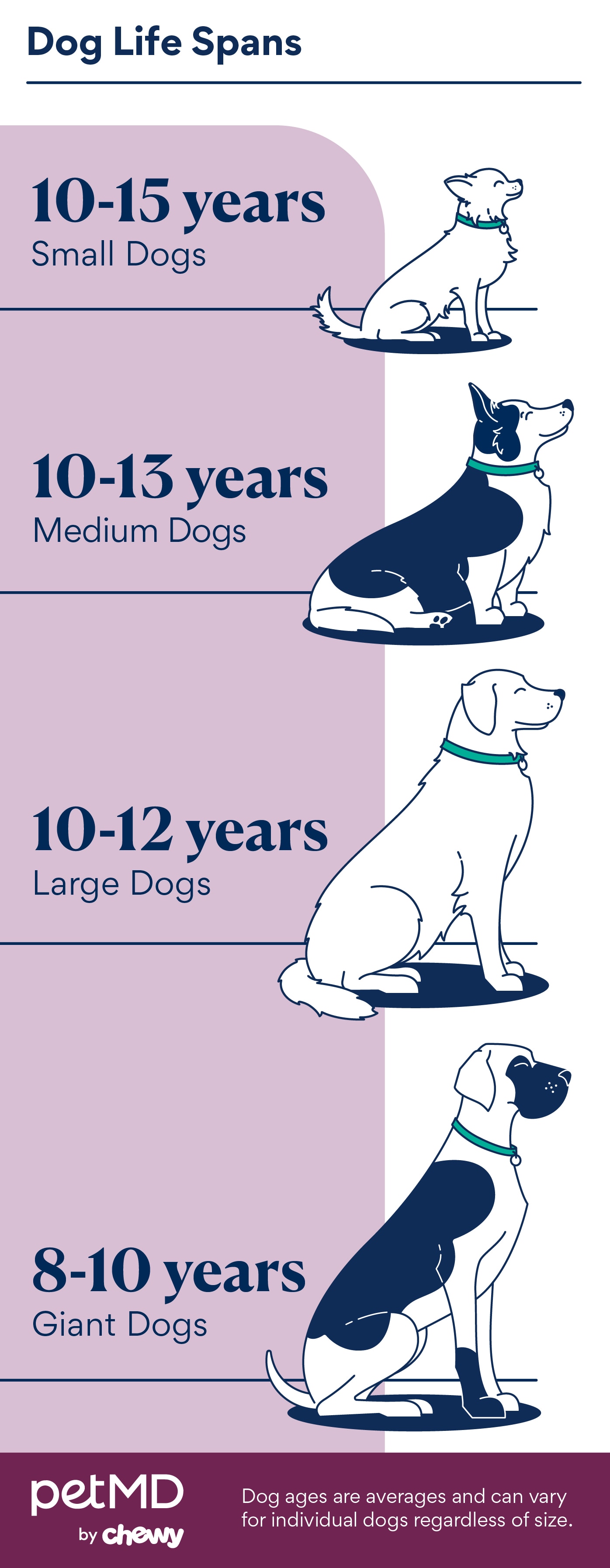
Image Source: image.petmd.com
Factors Shaping Dog Breed Life Expectancy
Several key elements contribute to the overall dog breed life expectancy. It’s not just about genetics; many external and internal factors play a crucial role in how long a dog will live.
Size Matters: The Size-Longevity Paradox
One of the most striking observations in dog breed longevity is the inverse relationship between size and lifespan. Smaller breeds tend to live significantly longer than their larger counterparts.
- Small Breeds: Generally enjoy longer lives, often reaching 14-17 years, and sometimes even exceeding 20 years. Think of breeds like Chihuahuas, Yorkshire Terriers, and Dachshunds.
- Medium Breeds: Typically have lifespans in the 11-14 year range. Examples include Beagles, Border Collies, and Cocker Spaniels.
- Large and Giant Breeds: Unfortunately, these breeds often have the shortest canine lifespan, frequently living only 7-10 years. German Shepherds, Golden Retrievers, Labrador Retrievers, and Great Danes fall into this category.
Why the Size Difference?
The exact reasons for this paradox are still being researched, but several theories exist:
- Growth Rate: Larger breeds grow much faster than smaller breeds. This rapid growth can put a strain on their bodies and potentially lead to earlier aging and disease.
- Cellular Aging: Some research suggests that larger dogs may experience faster cellular aging.
- Cancer Risk: Larger breeds are disproportionately more prone to certain types of cancer, which can significantly shorten their lives.
- Organ Strain: The sheer size of their organs means they have to work harder, potentially leading to wear and tear over time.
Genetics and Predispositions
The genetic makeup of a particular dog breed significantly influences its dog breed life expectancy. Certain breeds are predisposed to specific health issues that can impact their lifespan.
- Breed-Specific Health Conditions: Many breeds have a higher likelihood of developing particular conditions. For instance, Cavalier King Charles Spaniels are prone to heart conditions like mitral valve disease, while Bulldogs can suffer from breathing problems due to their brachycephalic (short-nosed) structure. Rottweilers have a higher incidence of bone cancer (osteosarcoma).
- Purebred vs. Mixed Breed: While not always the case, mixed-breed dogs (mutts) often exhibit hybrid vigor, meaning they may have a broader genetic diversity and be less susceptible to breed-specific genetic disorders, potentially leading to a longer canine lifespan. However, this is not a guarantee, and mixed breeds can still inherit health issues from their parent breeds.
Lifestyle and Environment
A dog’s daily life and surroundings play a vital role in its overall health and dog breed longevity.
- Diet and Nutrition: A balanced, high-quality diet tailored to the dog’s age, size, and activity level is crucial. Overfeeding can lead to obesity, which exacerbates numerous health problems like joint issues, diabetes, and heart disease, thereby reducing dog breed age.
- Exercise: Regular, appropriate exercise keeps a dog physically fit, mentally stimulated, and helps maintain a healthy weight. However, over-exercising, especially in growing puppies or older dogs, can be detrimental.
- Veterinary Care: Consistent veterinary check-ups, vaccinations, parasite control, and prompt treatment of illnesses are essential for catching potential problems early and managing chronic conditions. This proactive approach is key to extending canine lifespan.
- Environment: A safe, stimulating, and loving environment contributes to a dog’s well-being. Stress, lack of mental stimulation, and exposure to toxins can negatively impact health.
Spaying and Neutering
The decision to spay or neuter a dog can also have an impact on its dog breed longevity.
- Spaying: Can reduce the risk of mammary tumors and eliminate the risk of uterine infections (pyometra) and ovarian cancer.
- Neutering: Can reduce the risk of testicular cancer and certain prostate problems.
However, there is ongoing research into whether early spaying or neutering in some breeds might be linked to an increased risk of certain orthopedic issues or cancers. Consulting with a veterinarian is important to make the best decision for an individual dog.
Lifespan of Popular Dog Breeds
To provide a clearer picture, let’s look at the typical dog breed age for some popular breeds, highlighting the variation in dog breed life expectancy.
Small Breeds and Their Remarkable Longevity
These small companions often surprise people with their long lives.
- Chihuahua: Known for being one of the longest-living breeds, Chihuahuas can often reach 15-20 years. Their small size is a significant factor.
- Yorkshire Terrier: These feisty terriers typically live between 12-15 years.
- Dachshund (Miniature & Standard): These “wiener dogs” generally have a canine lifespan of 12-16 years.
- Pomeranian: These fluffy dogs can live from 12-16 years.
- Shih Tzu: With proper care, Shih Tzus can live 10-16 years.
Medium Breeds: The Mid-Range Lifespans
Medium-sized dogs represent a broad spectrum with varying lifespans.
- Beagle: These merry hounds typically live 12-15 years.
- Border Collie: Intelligent and energetic, Border Collies generally live 10-17 years.
- Cocker Spaniel (American & English): Both varieties usually have a dog breed age of 10-14 years.
- Bulldog (English): Despite their robust appearance, Bulldogs often have a shorter lifespan due to health issues, typically 8-10 years.
- Shetland Sheepdog (Sheltie): These intelligent dogs can live 12-15 years.
Large and Giant Breeds: The Shorter End of the Spectrum
While often majestic and gentle, these breeds face challenges that can limit their dog breed life expectancy.
- Labrador Retriever: Beloved for their friendly nature, Labs typically live 10-12 years.
- Golden Retriever: Similar to Labs, Golden Retrievers usually live 10-12 years.
- German Shepherd: These loyal guardians generally have a canine lifespan of 9-13 years.
- Poodle (Standard): While smaller Poodles live longer, Standard Poodles usually live 12-15 years.
- Great Dane: These gentle giants have one of the shortest lifespans among dogs, often living only 7-10 years.
- Bernese Mountain Dog: Known for their gentle nature, these dogs typically live 7-10 years, often succumbing to cancer.
Identifying Old Dog Breeds and Caring for Aging Dogs
As dogs age, their needs change. Recognizing the signs of aging and adapting our care accordingly is crucial for maintaining their quality of life as they become senior dog breeds.
Signs Your Dog is Aging
- Decreased Activity: They may sleep more, be less enthusiastic about walks or play.
- Behavioral Changes: Some dogs may become more anxious, vocal, or even confused.
- Physical Changes: Greying muzzle, cloudy eyes (cataracts), joint stiffness, and changes in appetite or thirst are common.
- Sensory Decline: Hearing and vision may diminish.
- Digestive Issues: Older dogs may experience changes in digestion or bowel regularity.
Providing Optimal Care for Aging Dogs
- Veterinary Care: More frequent check-ups are recommended for aging dogs to monitor for age-related diseases such as arthritis, heart disease, kidney disease, and cancer.
- Dietary Adjustments: Senior dog food formulations are designed to meet their changing nutritional needs, often with fewer calories and added supplements like glucosamine for joint health.
- Exercise Modifications: Gentle, low-impact exercises like short, leisurely walks are preferred to prevent overexertion and joint strain.
- Comfort and Accessibility: Provide comfortable bedding, orthopedic beds, and ramps or steps to help them access elevated areas like sofas or cars.
- Mental Stimulation: Puzzle toys and gentle training sessions can help keep their minds sharp.
- Grooming: Regular grooming is important, paying attention to their skin and coat, which can become drier or thinner.
The Quest for Maximum Dog Age: Exceptional Cases
While averages are helpful, there are documented cases of dogs living far beyond the typical maximum dog age for their breeds. These instances often involve a combination of excellent genetics, meticulous care, and a bit of luck.
- Bluey, an Australian Cattle Dog, lived to be 29 years and 5 months old, holding the Guinness World Record for the oldest dog ever.
- Other dogs have reportedly lived into their late 20s and even early 30s.
These outliers highlight the potential for dog breed longevity and the profound impact that a healthy lifestyle and dedicated ownership can have.
Frequently Asked Questions (FAQ)
Q1: Is it true that smaller dogs live longer than bigger dogs?
A1: Yes, generally, smaller dog breeds tend to have a longer canine lifespan than larger breeds. This is a well-observed trend in dog breed longevity, though individual dogs can vary.
Q2: What is the average lifespan for a mixed-breed dog?
A2: The average dog age for mixed-breed dogs can vary widely depending on the breeds in their genetic mix. However, they often fall within the 10-14 year range and may benefit from “hybrid vigor,” potentially leading to greater dog breed longevity.
Q3: Are there specific breeds known for being very old dog breeds?
A3: Yes, breeds like the Chihuahua, Yorkshire Terrier, and Dachshund are often cited as old dog breeds due to their tendency to live into their late teens and even early twenties.
Q4: What are the most common health issues in aging dogs?
A4: Common health issues in aging dogs include arthritis, heart disease, kidney disease, diabetes, dental problems, vision impairment (like cataracts), hearing loss, and various forms of cancer. Regular veterinary care is crucial for managing these conditions.
Q5: Can I do anything to help my dog live a longer life?
A5: Absolutely! Providing a high-quality diet, regular appropriate exercise, consistent veterinary care, maintaining a healthy weight, and ensuring a safe and loving environment are all key factors that can contribute to your dog’s overall health and dog breed longevity, potentially extending their dog breed age.
Conclusion
The lifespan of a dog is a complex tapestry woven from genetic threads, the environment they inhabit, and the quality of care they receive. While we can’t change a dog’s inherent dog breed age potential, we can certainly influence their journey towards the maximum dog age. By understanding the factors that contribute to canine lifespan and paying close attention to the specific needs of our furry companions as they grow older, we can help ensure they live full, happy, and healthy lives, maximizing their time with us as cherished members of our families. Whether you have a tiny terrier or a giant breed, informed care is the best investment in your dog’s well-being and longevity.