
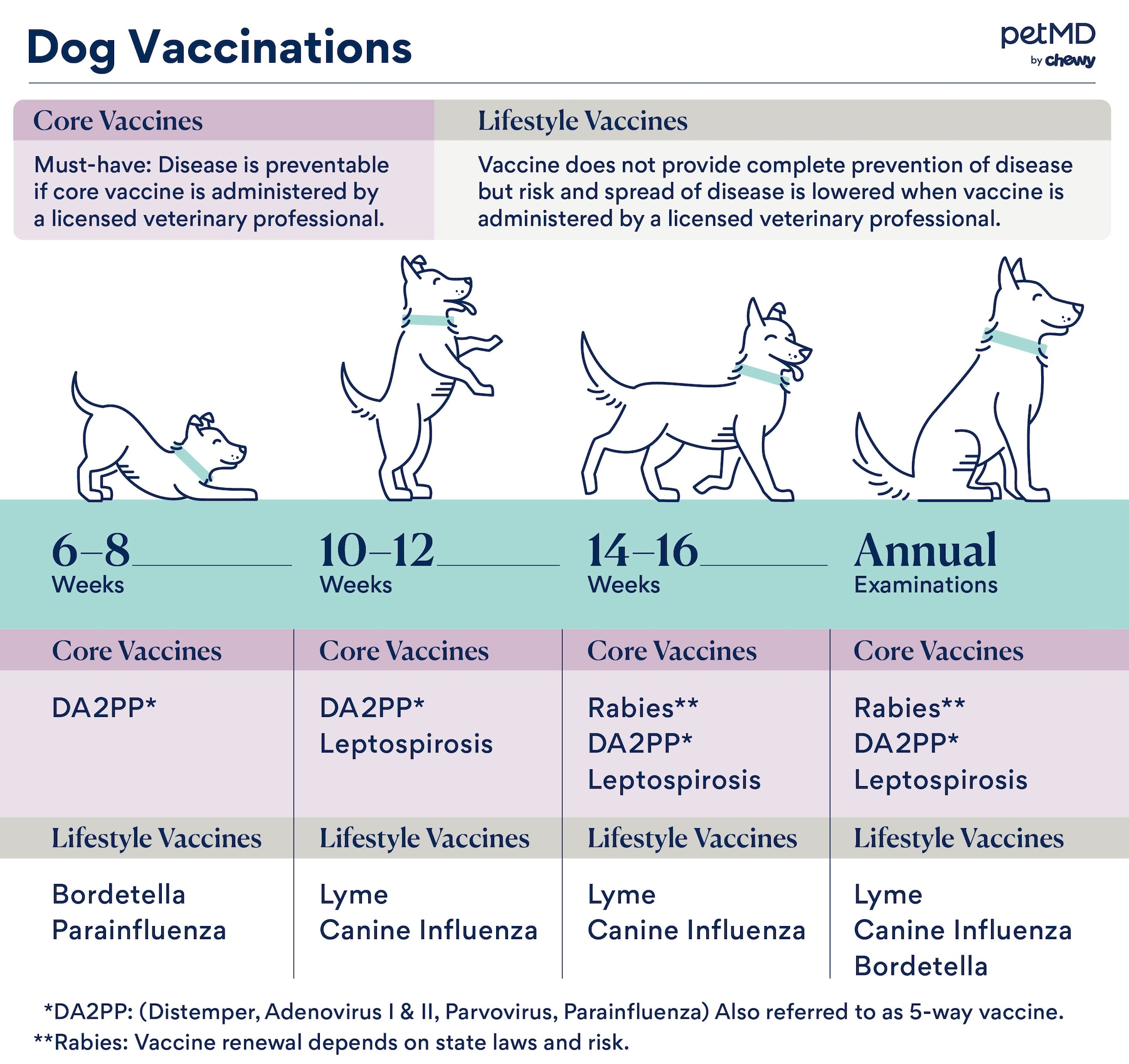
Image Source: image.petmd.com
How Often Should A Dog Get Rabies Shots?
Your dog should receive a rabies shot at around 12-16 weeks of age, with subsequent boosters typically given one year later and then every one to three years thereafter, depending on the vaccine type and local regulations.
Deciding on the right dog rabies vaccine schedule is crucial for your pet’s health and public safety. Rabies is a deadly viral disease that affects the nervous system of mammals, including dogs, and is almost always fatal once symptoms appear. Fortunately, it’s preventable through vaccination. Understanding how often do dogs need rabies shots involves looking at several factors, including the age of your puppy, the type of vaccine used, and state or local laws, as well as veterinarian rabies recommendations. This comprehensive guide will delve into the specifics of canine rabies vaccination, ensuring your furry friend stays protected.
The Importance of Rabies Vaccination
Rabies is a zoonotic disease, meaning it can be transmitted from animals to humans. The virus spreads through the saliva of infected animals, most commonly through bites. Once the virus enters the body, it travels to the brain, causing severe neurological damage. Early symptoms can be vague, like fever or lethargy, but they quickly progress to more severe signs such as aggression, paralysis, difficulty swallowing, and excessive drooling.
The Centers for Disease Control and Prevention (CDC) emphasizes that rabies is nearly 100% preventable with vaccination. For dogs, this is not just about protecting them; it’s a critical part of protecting your family and community from this devastating disease. In many regions, rabies vaccination is legally mandated for dogs.
Puppy Rabies Vaccination: The First Step
The journey of rabies prevention begins with your puppy. The general puppy rabies vaccination protocol involves the first dose administered between 12 and 16 weeks of age. This initial vaccination is vital for establishing immunity. Puppies are particularly vulnerable, and early protection is key.
It’s important to note that there are different types of rabies vaccines available, and your veterinarian will choose the most appropriate one based on age and local regulations. Some vaccines offer one-year protection, while others provide three-year immunity after the initial series.
Initial Vaccination Series and Booster Schedule
Following the first rabies vaccination given to your puppy, a crucial follow-up is the rabies booster for dogs. The timing of this booster is critical and depends on the type of vaccine administered initially.
- One-Year Vaccine: If your puppy received a one-year rabies vaccine, the first booster is typically due one year after the initial vaccination.
- Three-Year Vaccine: If your puppy received a three-year vaccine, the first booster is still usually given one year later. This might seem counterintuitive, but it’s how the three-year vaccines are licensed. The subsequent boosters will then be given every three years.
Your veterinarian will keep detailed records of your dog’s vaccinations and will notify you when boosters are due. Always follow their guidance to maintain continuous protection.
Adult Dog Rabies Boosters: Ongoing Protection
Once your dog has completed their initial vaccination series and their first booster, they will require ongoing adult dog rabies boosters. The canine rabies vaccine frequency for adult dogs generally falls into two categories:
- Every 1 Year: Some rabies vaccines are licensed for annual administration. Dogs vaccinated with these types will require a booster every year.
- Every 3 Years: Other vaccines are licensed for a three-year duration. Dogs vaccinated with these will receive a booster every three years after the initial one-year booster.
The choice between a one-year and a three-year vaccine often depends on what is available and licensed in your specific region, as well as your veterinarian’s recommendations. Many veterinarians advocate for the three-year vaccines when available and appropriate, as it can reduce the frequency of vet visits for vaccinations while still providing robust protection.
Factors Influencing Vaccination Frequency
While the general guidelines are clear, several factors can influence how often do dogs need rabies shots:
- Local and State Laws: Rabies vaccination laws vary significantly by state and even by county. Some jurisdictions require annual rabies vaccinations, regardless of the vaccine type, to ensure a higher level of community immunity. Always check your local animal control or health department for specific requirements.
- Vaccine Type and Licensing: As mentioned, the duration of immunity conferred by a vaccine is determined by its licensing. Manufacturers conduct rigorous studies to establish how long their vaccines are effective. Your vet will use vaccines that are properly licensed and available.
- Dog’s Lifestyle and Risk Exposure: While rabies is preventable, a dog’s lifestyle can influence the perceived risk. Dogs that spend a lot of time outdoors, have access to wildlife, or travel to different areas might be considered at higher risk. However, the vaccination schedule is primarily dictated by the vaccine’s efficacy and legal requirements.
- Individual Dog’s Health: In rare cases, a dog’s health status might influence vaccination decisions, but this is typically discussed with your vet.
Interpreting Veterinarian Rabies Recommendations
Your veterinarian is your primary resource for your dog’s health, including vaccination protocols. Veterinarian rabies recommendations are based on a combination of scientific data regarding vaccine efficacy, the prevalence of rabies in your geographic area, legal mandates, and the dog’s individual health and lifestyle.
When you visit your vet for a check-up or vaccination, they will review your dog’s vaccination history and discuss the best course of action. They will explain why a particular vaccine is recommended and the frequency of boosters. It’s important to ask questions if you are unsure about anything.
Understanding Rabies Shot Duration Dogs
The term “rabies shot duration dogs” refers to how long the immunity provided by a specific rabies vaccine is expected to last. This duration is determined by the vaccine manufacturer and approved by regulatory bodies after extensive testing.
- Initial Vaccination: Typically confers immunity for approximately one year.
- First Booster (one year after initial): If a one-year vaccine was used, this booster renews immunity for another year. If a three-year vaccine was used, this booster renews immunity for three years.
- Subsequent Boosters: These are administered at the intervals dictated by the vaccine type (one or three years).
It’s a common misconception that a dog only needs rabies shots once in their lifetime. This is incorrect. Regular boosters are essential to maintain protection.
The Impact of Annual Rabies Vaccination Dogs
The concept of “annual rabies vaccination dogs” is still relevant in many areas due to local laws. Even if a three-year vaccine is available and licensed, some municipalities require dogs to be vaccinated annually. This practice is often a public health measure aimed at ensuring a high baseline level of immunity across the dog population.
While some argue that annual boosters may lead to over-vaccination, the rabies vaccine is generally considered safe and effective. The benefits of preventing rabies, a fatal disease, far outweigh the minimal risks associated with regular vaccination, especially in areas where wildlife rabies is enzootic (continually present).
Traveling with Your Dog: International Pet Travel Rabies Requirements
If you plan to travel internationally with your dog, rabies vaccination requirements become even more stringent and complex. “International pet travel rabies requirements” vary significantly from country to country. Generally, these requirements include:
- Microchip Implantation: Most countries require a microchip for identification before any rabies vaccinations.
- Rabies Vaccination: The dog must be vaccinated against rabies after microchipping. The vaccination must be administered by a licensed veterinarian.
- Waiting Period: There is usually a mandatory waiting period after the primary rabies vaccination (or a booster) before the animal can travel. This period can range from 21 days to several months, depending on the destination country.
- Antibody Titer Test: Some countries require a rabies antibody titer test to confirm that the vaccine has provided an adequate immune response. This test is typically done at least 30 days after the rabies vaccination and requires a waiting period before travel.
- Health Certificates: A health certificate issued by a licensed veterinarian shortly before travel is usually required.
It is absolutely critical to research the specific requirements of your destination country well in advance of your planned travel, as these can take months to fulfill. Your veterinarian can assist you in navigating these regulations.
What If My Dog Misses a Rabies Booster?
If your dog misses a rabies booster appointment, their immunity may wane, leaving them susceptible to the virus. The protocol for bringing a dog’s rabies vaccination status up to date if it lapses depends on how long the vaccination has been expired and your local regulations.
Generally, if the lapse is short (a few months), your veterinarian may recommend administering a booster immediately. If the lapse is significant (over a year), your dog may need to be revaccinated as if they were receiving their initial vaccination, followed by a booster one year later, and then follow the regular schedule. However, some jurisdictions may require quarantining the animal if they are bitten by a rabid animal and their vaccination status is not current.
It’s best to contact your veterinarian as soon as you realize a booster is overdue to discuss the best course of action.
Rabies Vaccines and Potential Side Effects
Like any medical intervention, vaccines carry a small risk of side effects. For rabies vaccines in dogs, side effects are typically mild and short-lived. These can include:
- Soreness or swelling at the injection site.
- Mild lethargy or fever for 24-48 hours.
- Decreased appetite.
More severe allergic reactions are rare but can occur. Signs of a severe reaction might include:
- Hives or facial swelling.
- Vomiting or diarrhea.
- Difficulty breathing.
- Collapse.
If you notice any of these severe symptoms, contact your veterinarian immediately. Your vet will always discuss the risks and benefits of vaccination with you and will monitor your dog for any adverse reactions.
Frequently Asked Questions (FAQ)
-
Q1: Do all dogs need rabies shots?
A1: Yes, all dogs should be vaccinated against rabies. It’s a highly effective way to prevent a fatal disease and is often legally required to protect public health. -
Q2: Can my puppy get rabies before their first shot?
A2: Puppies are vulnerable until they receive their initial rabies vaccination. It’s important to keep them away from unfamiliar animals and environments until they are adequately protected, as per your veterinarian’s schedule. -
Q3: What happens if my dog is bitten by a wild animal?
A3: If your dog is bitten by a wild animal, especially one suspected of having rabies, contact your veterinarian immediately. Ensure your dog’s rabies vaccination status is up-to-date. The vet will assess the situation and advise on appropriate actions, which might include a booster vaccination and/or a period of observation or quarantine. -
Q4: Are three-year rabies vaccines as effective as one-year vaccines?
A4: Yes, when used according to their licensing and recommended schedule, three-year vaccines provide effective protection for three years. The duration is based on extensive scientific studies. -
Q5: Can I vaccinate my dog myself?
A5: No, rabies vaccinations should always be administered by a licensed veterinarian. They are trained to give the injections correctly, maintain proper records, and handle any potential adverse reactions. They also ensure that the vaccine used is legally approved for use in your region.
By adhering to a consistent vaccination schedule and consulting with your veterinarian, you can ensure your dog remains protected against rabies, contributing to a safer environment for your family and your community. Remember that the dog rabies vaccine schedule is a dynamic plan that evolves with your pet’s life stages and potential risks.