
What is a dog seizure? A dog seizure is a temporary, involuntary disturbance of brain function, often seen as sudden changes in behavior, movement, or consciousness. What should I do immediately after my dog has a seizure? After your dog has a seizure, the most crucial steps are to ensure their safety, comfort them, and observe their recovery closely.
Experiencing your dog having a seizure can be incredibly frightening. The sudden loss of control, the thrashing, and the disorientation are distressing for any pet parent. While it’s natural to feel panic, knowing how to help a dog after seizure can make a significant difference in their recovery and your peace of mind. This guide provides in-depth information on post seizure dog care, dog seizure recovery, and essential dog seizure first aid.
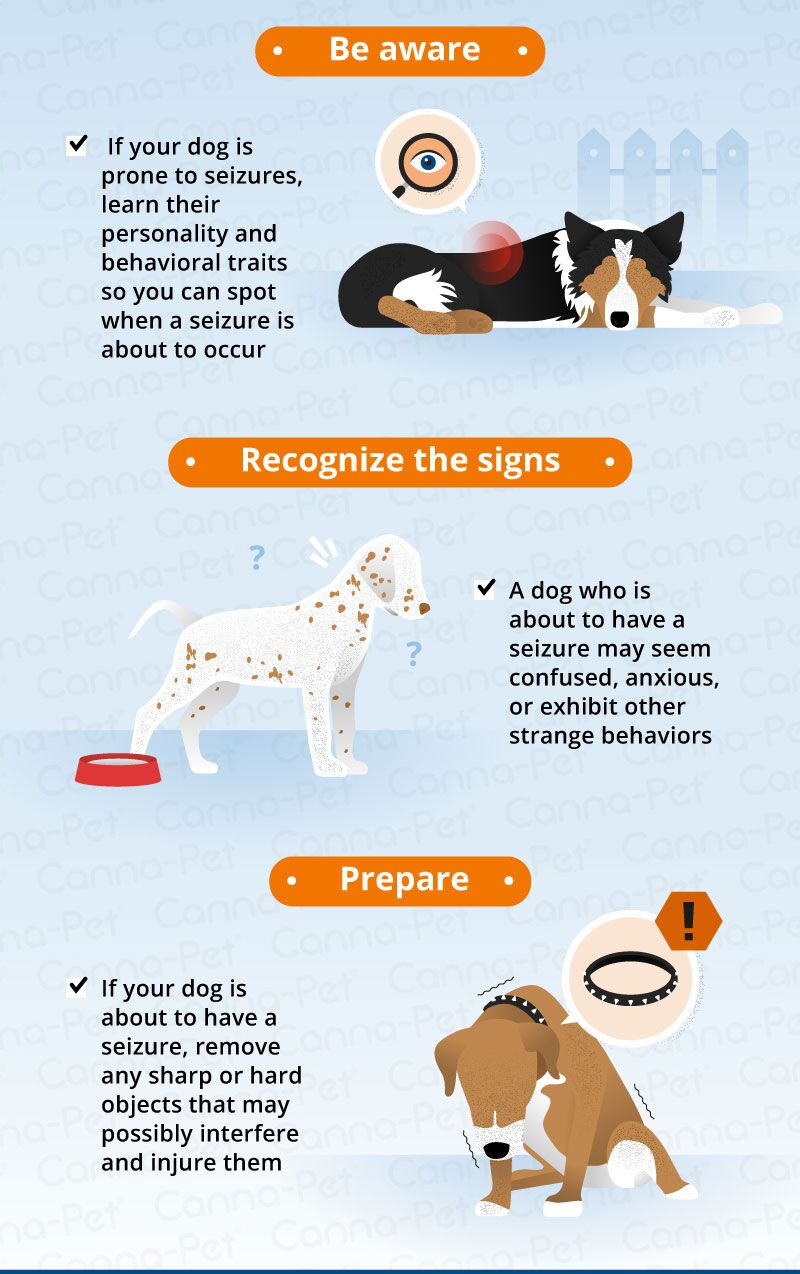
Image Source: cdn-ilbfemn.nitrocdn.com
Immediate Actions: What To Do When The Seizure Stops
Once the seizure activity ceases, your dog will likely be disoriented, confused, and possibly fearful. This is a critical period for helping a dog post seizure.
Ensuring Safety: The Top Priority
- Create a Safe Space: Remove any objects from the immediate vicinity that could cause injury. This includes furniture edges, toys, or anything your dog might bump into while still unsteady.
- Keep Other Pets and Children Away: The post-seizure state can make dogs unpredictable. To prevent accidental injury to them or your dog, keep them in a separate room until your dog is more settled.
- Do Not Restrain Your Dog: While it’s tempting to hold your dog, this can lead to injury for both of you. They may not recognize you during this phase and could bite or scratch reflexively. Let the seizure subside naturally.
- Avoid Putting Anything in Their Mouth: Contrary to old myths, never try to pry your dog’s mouth open or place anything inside it during or immediately after a seizure. They cannot swallow their tongue, and you risk severe injury to yourself and your dog.
Providing Comfort and Support
- Speak Softly: Use a calm, soothing voice. Loud noises can further agitate a disoriented dog.
- Gentle Petting (If Welcomed): Once your dog appears to be regaining awareness, you can try to gently pet them, but watch their body language. If they seem stressed or agitated by touch, give them space.
- Offer Water (Later): Don’t offer water immediately. Wait until your dog is fully alert and able to swallow without difficulty to prevent choking.
Observation: Key to Diagnosis and Treatment
Observing your dog during and after a seizure is vital for your veterinarian. This information helps them diagnose the cause and determine the best course of treatment.
- Timing: Note the exact start and end times of the seizure.
- Seizure Type:
- Generalized Seizure (Grand Mal): This is the most dramatic type, involving loss of consciousness, paddling motions of the legs, jaw chomping, and sometimes vocalizations or urination/defecation.
- Focal Seizure (Partial Seizure): These seizures affect only one part of the brain and can manifest in more subtle ways, such as twitching of a limb, facial twitches, excessive salivation, or behavioral changes like unexplained fear or aggression.
- What Happened During the Seizure: Record any specific movements, sounds, or loss of bodily functions.
- Post-Seizure Behavior: How did your dog act immediately after? Were they blind, wobbly, aggressive, or exceptionally thirsty?
- Duration of Post-Seizure Confusion (Postictal Phase): This is the period of disorientation after the seizure ends. Note how long it takes for your dog to return to their normal self.
Navigating Dog Seizure Recovery
The period following a seizure, known as the postictal phase, is crucial for dog seizure recovery. This phase can last anywhere from a few minutes to several hours, and the signs of dog seizure recovery vary from dog to dog.
What to Expect During Recovery
- Disorientation and Confusion: Your dog may seem dazed, wander aimlessly, bump into things, or have trouble recognizing familiar people or places.
- Temporary Blindness (Cortical Blindness): Some dogs may appear blind for a period after a seizure. They might walk into walls or not react to visual stimuli. This usually resolves as their brain recovers.
- Increased Thirst and Hunger: Many dogs will be extremely thirsty and hungry after a seizure.
- Lethargy and Fatigue: They might sleep more than usual, appearing tired and sluggish.
- Behavioral Changes: Some dogs may exhibit unusual behaviors, such as being unusually clingy or, conversely, withdrawn.
- Wobbliness or Weakness: Coordination may be impaired, making it difficult for them to walk steadily.
Calming Dog After Seizure
Calming dog after seizure is paramount. Your primary goal is to create a stress-free environment that aids their return to normalcy.
- Quiet Environment: Keep the environment as quiet and calm as possible. Avoid loud noises, sudden movements, or too many people around.
- Leash Control: If you need to move your dog or take them outside for potty breaks, use a leash, even if they are inside. This provides a sense of security and prevents them from wandering off or getting lost if they become disoriented again.
- Reassurance: Continue to offer gentle reassurance through soft vocalizations and calm presence.
- Limit Interaction Initially: While you want to comfort your dog, give them space to recover at their own pace. Over-stimulation can be counterproductive.
Monitoring for Further Issues
- Cluster Seizures: Some dogs experience multiple seizures in a short period, known as cluster seizures. If you notice your dog having another seizure shortly after the first, or if the seizures seem to be happening in rapid succession, this is a medical emergency.
- Status Epilepticus: This is a life-threatening condition where a seizure lasts longer than 5 minutes, or when multiple seizures occur without full recovery of consciousness in between. This requires immediate veterinary attention.
When to Seek Veterinary Care
While some seizures are isolated events, others can indicate underlying health problems that require professional intervention. It’s crucial to know when to contact your veterinarian.
Immediate Veterinary Consultation
- First Seizure: If your dog has never had a seizure before, it’s essential to schedule an appointment with your veterinarian immediately to determine the cause.
- Cluster Seizures: As mentioned, if your dog has multiple seizures within 24 hours, seek veterinary help.
- Seizure Lasting Longer Than 5 Minutes: This is a medical emergency.
- Difficulty Breathing: If your dog experiences any respiratory distress during or after a seizure.
- Injury: If your dog sustained any injuries during the seizure.
- Unusual Post-Seizure Symptoms: If your dog exhibits severe neurological symptoms that persist for an extended period, such as complete blindness or paralysis.
Long-Term Dog Seizure Management
If your dog is diagnosed with epilepsy or another condition causing seizures, your veterinarian will work with you on a dog seizure management plan. This often involves medication and lifestyle adjustments.
- Anticonvulsant Medications: These are the cornerstone of epilepsy treatment. Common medications include phenobarbital, potassium bromide, and levetiracetam. It’s vital to administer these medications exactly as prescribed by your veterinarian. Never stop or change dosages without consulting them.
- Regular Veterinary Check-ups: Consistent monitoring is key. Your vet will likely want to see your dog regularly to assess their response to medication and monitor blood levels.
- Diet and Supplements: Some dietary changes or supplements might be recommended, but always discuss these with your vet before making any changes.
- Identifying Triggers: While not always possible, identifying potential seizure triggers (e.g., stress, certain foods, loud noises) can help in management. Keep a detailed seizure log to track patterns.
- Keeping Records: Maintain a detailed log of all seizures, including date, time, duration, observed behaviors, and any medications given. This is invaluable for your vet.
Canine Seizure Support: A Holistic Approach
Providing canine seizure support goes beyond immediate care and medication. It involves creating an environment that promotes overall well-being and minimizes stress.
Creating a Supportive Home Environment
- Routine: Maintain a consistent daily routine for feeding, walking, and playtime. Predictability can reduce anxiety for dogs, especially those with neurological conditions.
- Stress Reduction: Identify and minimize stressors in your dog’s life. This could include avoiding loud parties, ensuring they have a safe retreat space, and using calming techniques.
- Mental Stimulation: Gentle mental stimulation, like puzzle toys or short training sessions, can be beneficial, but avoid anything overly exciting or stressful.
- Physical Exercise: Regular, moderate exercise is important for overall health, but avoid overexertion, which could potentially trigger a seizure in some dogs.
The Importance of Early Diagnosis
The cause of seizures in dogs can vary widely, from idiopathic epilepsy (epilepsy with no known cause) to more serious underlying conditions like brain tumors, infections, metabolic disorders, or poisoning.
Common Causes of Seizures in Dogs
| Cause Type | Examples | Description |
|---|---|---|
| Idiopathic Epilepsy | Primary Epilepsy | Seizures with no identifiable underlying cause, often genetic. |
| Intracranial Causes | Brain Tumors, Meningitis, Encephalitis, Stroke, Head Trauma, Congenital Abnormalities | Conditions affecting the brain itself. |
| Metabolic Causes | Liver Disease, Kidney Disease, Hypoglycemia (low blood sugar), Electrolyte Imbalances | Systemic issues that affect brain function. |
| Toxic Causes | Ingesting certain plants (e.g., Sago Palm), pesticides, human medications (e.g., Ibuprofen), xylitol | Exposure to poisonous substances. |
| Infectious Causes | Distemper, Rabies | Viral or bacterial infections affecting the nervous system. |
Diet and Nutrition for Seizure Management
While diet alone rarely cures epilepsy, it can play a supportive role in dog seizure recovery and management.
- High-Quality Diet: A balanced, high-quality diet is essential for overall health.
- Omega-3 Fatty Acids: Some studies suggest that omega-3 fatty acids, found in fish oil, may have neuroprotective properties and could potentially help reduce seizure frequency or severity. Always consult your vet before adding supplements.
- Medium-Chain Triglycerides (MCTs): Certain veterinary diets enriched with MCTs have shown promise in helping dogs with epilepsy by providing an alternative energy source for the brain. Discuss these specialized diets with your veterinarian.
- Avoid Sudden Diet Changes: Any changes to your dog’s diet should be made gradually to prevent digestive upset.
Training and Behavior for Dogs with Seizures
A dog that has experienced seizures might exhibit behavioral changes. Helping a dog post seizure can also involve addressing these behavioral shifts.
- Patience and Consistency: Be patient with your dog, especially if they are experiencing post-seizure confusion or behavioral changes. Consistency in your interactions will help them regain their sense of security.
- Positive Reinforcement: Continue to use positive reinforcement training methods for any desired behaviors.
- Socialization: If your dog’s seizures have impacted their socialization, gradually reintroduce them to social situations in a controlled and positive manner.
Frequently Asked Questions (FAQ)
Q1: Can a dog die from a seizure?
A: While seizures themselves are rarely fatal, complications such as status epilepticus or injury sustained during a seizure can be life-threatening. Prompt veterinary attention is crucial for severe or prolonged seizures.
Q2: How long does dog seizure recovery usually take?
A: The recovery time, or postictal phase, varies greatly. Some dogs return to normal within minutes, while others may take several hours to fully recover from disorientation and fatigue.
Q3: Can I give my dog human seizure medication?
A: Absolutely not. Never give your dog any human medication without explicit instructions from your veterinarian. Dosages and drug types are vastly different and can be toxic to dogs.
Q4: What are the long-term effects of seizures on dogs?
A: With proper dog seizure management, many dogs can live happy, fulfilling lives. However, frequent or severe seizures can sometimes lead to cognitive decline or neurological deficits over time. Regular veterinary care is key to monitoring these effects.
Q5: Is it normal for my dog to urinate or defecate during a seizure?
A: Yes, loss of bladder or bowel control is common during a generalized seizure due to involuntary muscle contractions.
Conclusion: Your Role in Canine Seizure Support
Witnessing your dog seize is a challenging experience. By remaining calm, taking immediate safety precautions, and observing closely, you play a vital role in dog seizure recovery. Understanding the post seizure dog care steps, knowing when to seek professional help, and implementing long-term dog seizure management strategies are essential for your dog’s well-being. With diligent observation, prompt veterinary care, and a supportive environment, you can help your canine companion navigate seizures and live a good quality of life. Remember, you are not alone; your veterinarian is your most important partner in this journey.