
A dog’s rabies vaccine is typically given every three years after the initial puppy series and a one-year booster, though specific schedules can vary. The crucial aspect of rabies prevention in dogs relies on adhering to established veterinary recommendations rabies for vaccination.
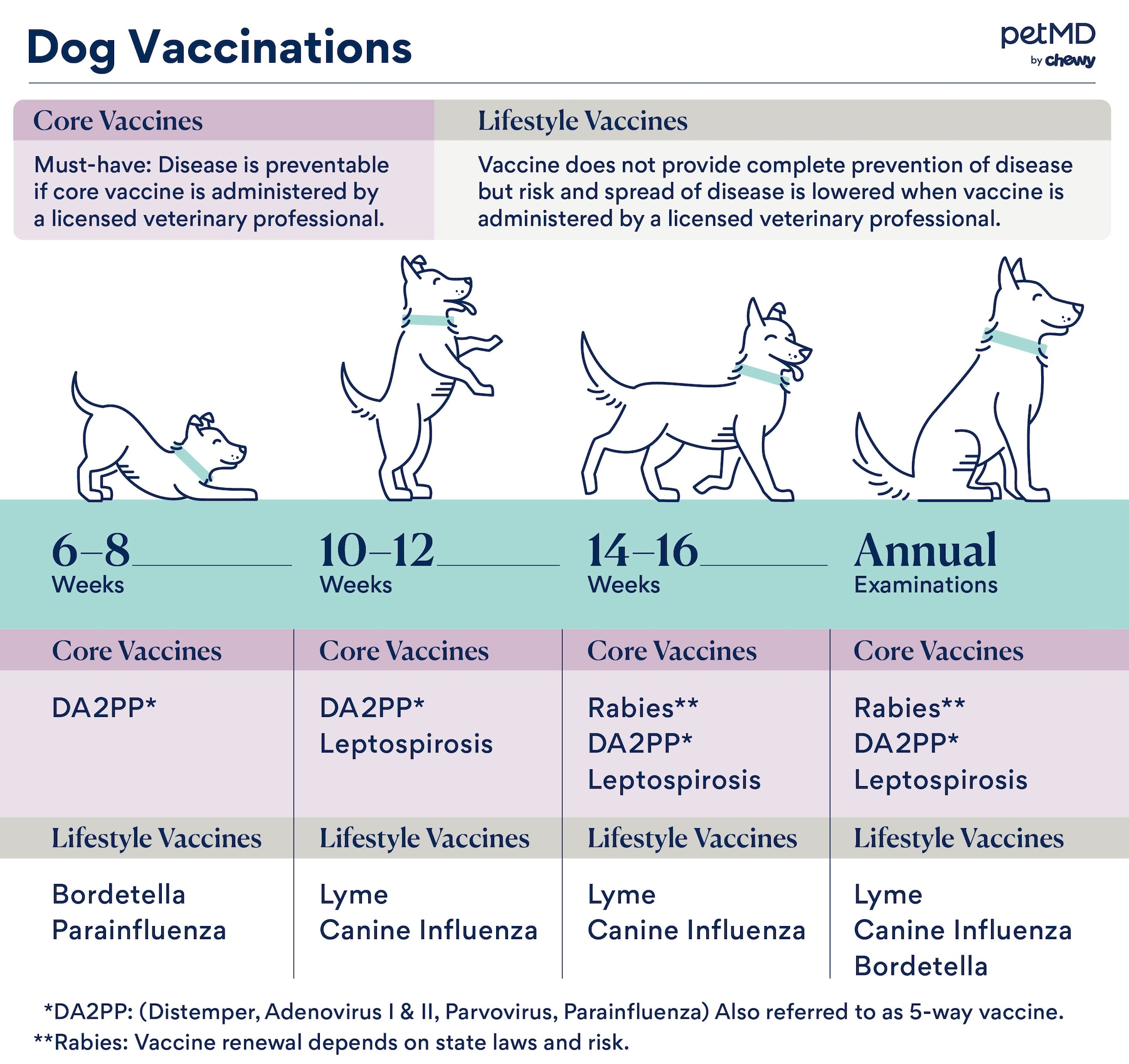
Image Source: image.petmd.com
Why Rabies Vaccination is Essential for Dogs
Rabies is a devastating, incurable viral disease that affects the nervous system of mammals, including dogs and humans. It is almost always fatal once symptoms appear. Fortunately, rabies is preventable through vaccination. Keeping your dog up-to-date on their rabies shots is not just a matter of protecting your pet; it’s a vital component of public health. This deadly disease can be transmitted to humans through the saliva of an infected animal, usually via a bite.
The History and Impact of Rabies
Rabies has been a fear-inducing illness for centuries. Historically, outbreaks have caused widespread panic and death. The development of effective vaccines, starting with Louis Pasteur’s work in the late 19th century, revolutionized rabies prevention in dogs and humans. While significant progress has been made, rabies still exists in wildlife populations in many parts of the world, making continued vaccination crucial. The virus attacks the brain, causing severe neurological symptoms like aggression, paralysis, and difficulty swallowing, which can lead to the characteristic “foaming at the mouth.”
Legal Requirements for Rabies Vaccination
Many states and local municipalities have laws mandating that dogs receive a rabies vaccination. These laws are in place to create a “herd immunity” effect, protecting not only vaccinated pets but also unvaccinated ones and the human population. Failure to comply with these laws can result in fines or other penalties. It’s essential to check your local regulations to ensure your dog meets the legal rabies vaccination schedule.
Deciphering the Rabies Vaccination Schedule
The dog rabies shot frequency isn’t a one-size-fits-all answer. It depends on several factors, including the type of vaccine used, the dog’s age, and local laws. The general rabies vaccination schedule typically involves an initial vaccine followed by boosters.
Rabies Vaccine for Puppies: The First Step
Puppies typically receive their first rabies vaccine between 12 and 16 weeks of age. This initial vaccination is critical for building immunity. It’s important to note that this first shot may not provide full, long-term protection, which is why a subsequent booster is usually needed. The exact timing can depend on the specific vaccine product and your veterinarian’s assessment.
The Crucial One-Year Booster
About a year after the initial puppy vaccination, your dog will need a booster shot. This second vaccination is crucial for reinforcing immunity and establishing a longer-lasting protection. This is often a one-year vaccine, but some newer vaccines are labeled for three-year immunity even at this stage, depending on the product and local regulations. Your vet will guide you on the best option for your dog.
The Three-Year Vaccination Protocol
Once a dog has received their initial vaccination and the one-year booster, most rabies vaccines are approved for a three-year duration of immunity. This means that after the initial series, your dog will generally need a rabies booster shot every three years. This canine rabies booster shots schedule is designed to maintain adequate protection against the virus. However, it’s vital to remember that this is a general guideline, and your veterinarian will determine the precise timing based on the vaccine manufacturer’s recommendations and your dog’s individual health status.
Factors Influencing Rabies Vaccine Frequency
While the three-year rule is common, there are nuances to consider when determining how often should your dog get a rabies vaccine?
Vaccine Type and Manufacturer Recommendations
Different rabies vaccines have varying durations of efficacy. Manufacturers conduct extensive studies to determine how long their vaccines provide protection. Your veterinarian will choose a vaccine that is licensed for a three-year period and follow the manufacturer’s guidelines for its administration. Always rely on your vet’s expertise regarding which vaccine is best.
Local and State Laws
As mentioned earlier, laws governing rabies vaccination vary significantly by location. Some areas may have stricter requirements, potentially mandating more frequent boosters than the standard three-year interval, even if a longer-lasting vaccine is available. Always verify your local ordinances.
Lifestyle and Exposure Risk
A dog’s lifestyle can also play a role. Dogs that live in rural areas with high wildlife populations, such as bats, raccoons, or foxes, may be at a higher risk of exposure. Similarly, dogs that travel to areas with a high prevalence of rabies or interact frequently with other animals might benefit from a discussion with their vet about their specific dog rabies shot frequency. This is especially true if your dog has a history of escaping or has unsupervised outdoor access.
The Importance of Veterinary Recommendations
Your veterinarian is your most trusted resource for determining your dog’s rabies vaccination schedule. They have access to the latest scientific information, understand local regulations, and can assess your dog’s individual needs. They will consider the type of vaccine, your dog’s age, health history, and your local environment when making their recommendations.
Alternatives and Considerations: Rabies Titer Testing
For some pet owners, especially those who travel internationally or have concerns about vaccine frequency, rabies titer testing can be an option.
What is Rabies Titer Testing?
Rabies titer testing measures the level of antibodies against the rabies virus in a dog’s blood. A positive titer indicates that the dog has developed an immune response to the rabies virus, either from vaccination or previous infection. This can be a way to assess the effectiveness of a rabies vaccine.
When is Rabies Titer Testing Useful?
Rabies titer testing is often required for dogs traveling to countries that have specific import regulations regarding rabies vaccination. Some countries may accept a titer test with a sufficiently high antibody level in lieu of a recent vaccination. It can also be considered for dogs that have had adverse reactions to vaccines in the past, although it’s crucial to discuss this with your veterinarian.
Limitations of Rabies Titer Testing
It’s important to note that a positive rabies titer does not eliminate the need for vaccination. Many countries still require proof of vaccination, regardless of titer results. Furthermore, the correlation between antibody levels and protection against the disease is complex and not fully understood for all individuals. Even with a positive titer, if a vaccinated dog is exposed to rabies, they may still need to undergo post-exposure prophylaxis, which typically involves booster vaccinations and quarantine. Always consult your vet and the relevant authorities for travel requirements.
When to Vaccinate Dogs for Rabies: A Comprehensive Look
Let’s break down the key vaccination points for when to vaccinate dogs for rabies.
Initial Vaccination (Puppies)
- Age: 12 to 16 weeks.
- Purpose: To begin building immunity against the rabies virus.
- Note: Protection may not be complete until after the booster.
First Booster
- Timing: Approximately 1 year after the initial puppy vaccination.
- Purpose: To reinforce immunity and establish longer-lasting protection.
- Note: This booster is often a one-year vaccine, but three-year vaccines may be used depending on the product and local laws.
Subsequent Boosters (Adult Dogs)
- Frequency: Typically every 3 years for most commercially available rabies vaccines.
- Purpose: To maintain adequate antibody levels and continued protection.
- Note: Always confirm with your veterinarian and local regulations.
Discussing Vaccine Protocols for Dogs with Your Vet
Vaccine protocols for dogs are tailored to each pet’s unique needs. Open communication with your veterinarian is key.
Your Veterinarian’s Role
Your vet will consider:
- Product information: The specific rabies vaccine used and its approved duration of immunity.
- Local regulations: Legal requirements for rabies vaccination in your area.
- Your dog’s health: Any pre-existing conditions or history of vaccine reactions.
- Lifestyle assessment: Your dog’s risk of exposure based on environment and activities.
Questions to Ask Your Veterinarian
When discussing your dog’s vaccination plan, consider asking:
- What type of rabies vaccine are you using, and what is its approved duration?
- What are the legal requirements for rabies vaccination in our area?
- Are there any concerns about my dog’s health that might affect their vaccination schedule?
- What are the signs of a vaccine reaction, and what should I do if I notice them?
Common Misconceptions About Rabies Vaccines
There are several myths surrounding rabies vaccinations. Let’s address them.
Misconception 1: Rabies is only a risk in rural areas.
Fact: Rabies can occur anywhere. While wildlife is often the source, stray or unvaccinated domestic animals can also transmit the virus. Even urban environments can have rabies cases in animals like bats or raccoons.
Misconception 2: My dog never goes outside, so they don’t need the rabies vaccine.
Fact: Even indoor dogs can be exposed. A rabies-infected bat could fly into your home, or an infected animal could get into your yard. Furthermore, many laws mandate rabies vaccination for all dogs, regardless of their outdoor access.
Misconception 3: Rabies vaccines are dangerous.
Fact: Rabies vaccines are highly safe and effective. While any vaccine can have mild side effects (like soreness at the injection site or temporary lethargy), severe reactions are rare. The risks associated with rabies infection far outweigh the minimal risks associated with vaccination.
Maintaining Lifelong Immunity: The Goal of Rabies Prevention
The ultimate aim of the rabies vaccination schedule is to ensure your dog remains protected throughout their life.
The Importance of Consistency
Sticking to the recommended booster schedule is paramount. Missing a booster can leave your dog vulnerable. If your dog is overdue for a rabies vaccine, contact your veterinarian immediately to discuss the best course of action.
Post-Exposure Prophylaxis (PEP)
If your dog is bitten by an animal suspected of having rabies, it is crucial to seek veterinary attention immediately. Your veterinarian will assess the situation, and the dog may require post-exposure prophylaxis, which can include booster vaccinations and a period of quarantine. This is a critical step in rabies prevention in dogs.
Frequently Asked Questions (FAQ)
Q1: How often should my dog get a rabies vaccine?
A: Typically, dogs receive their first rabies vaccine between 12-16 weeks of age, followed by a booster 1 year later. After that, most rabies vaccines are valid for 3 years, so boosters are given every 3 years. Always consult your veterinarian for the most accurate schedule.
Q2: Can my puppy get rabies?
A: Yes, puppies can get rabies. This is why it’s essential to start their vaccination series between 12 and 16 weeks of age as recommended by your veterinarian.
Q3: What if I miss my dog’s rabies booster appointment?
A: If your dog is overdue for a rabies booster, contact your veterinarian as soon as possible. They will advise you on the best plan to get your dog back on schedule and ensure they remain protected.
Q4: Are there different types of rabies vaccines?
A: Yes, there are different rabies vaccines, and they have varying approved durations of immunity, typically one or three years. Your veterinarian will choose the most appropriate vaccine for your dog based on its age, local laws, and manufacturer recommendations.
Q5: Is rabies vaccination mandatory?
A: In many states and municipalities, rabies vaccination is legally required for all dogs. These laws are in place for public health reasons. It’s essential to be aware of and comply with the regulations in your specific area.
Q6: Can rabies titer testing replace a rabies vaccine?
A: In most cases, rabies titer testing cannot replace a required rabies vaccine, especially for travel or legal compliance. While it measures antibody levels, it doesn’t negate the need for scheduled vaccinations. Consult your veterinarian for specific advice on titer testing.
Q7: What are the signs of rabies in dogs?
A: Signs of rabies can include behavioral changes (aggression or unusual docility), paralysis, difficulty swallowing, excessive drooling, and seizures. If you suspect your dog has rabies, avoid contact and call your veterinarian and local animal control immediately.