
Image Source: southeastoakvillevet.ca
How Soon After Heat Can Dog Be Spayed?
A dog can typically be spayed two to three weeks after her heat cycle has completely ended.
Deciphering the Ideal Timing for Spaying Your Female Dog
Bringing a female dog into your life is a joyous experience, filled with wagging tails and unconditional love. As responsible pet owners, we often consider spaying our canine companions. But when exactly is the right time to schedule this important procedure, especially concerning her heat cycle? The question of “How soon after heat can a dog be spayed?” is a common one, and the answer is crucial for both your dog’s health and the effectiveness of the surgery.
Spaying after estrus is a critical consideration for many dog owners. While some may be tempted to spay immediately after noticing the signs of heat, or even during, understanding the physiology of a dog’s reproductive cycle is key. Spaying, also known as ovariohysterectomy or ovariectomy, involves the removal of the ovaries and uterus. This procedure has numerous health and behavioral benefits, but performing it at the wrong time can lead to complications or reduced efficacy.
The Dog Heat Cycle: A Biological Overview
To understand when to spay, we must first comprehend the dog heat cycle. Female dogs typically go through this cycle (also known as estrus) about twice a year, though this can vary by breed and individual. The cycle has several distinct phases:
- Proestrus: This is the initial stage, lasting about 3 to 17 days. You’ll notice a swollen vulva and a bloody discharge. The female is attractive to males but not yet receptive to mating.
- Estrus: This is the fertile period, typically lasting 3 to 21 days. The discharge may lighten in color, and the female becomes receptive to male dogs. This is when pregnancy risk after heat is highest.
- Diestrus: This phase follows estrus and lasts about 2 to 3 months. Even if not pregnant, the female’s body produces progesterone, mimicking pregnancy.
- Anestrus: This is the period of reproductive inactivity, lasting about 4 to 5 months.
Why Timing Matters: The Risks of Spaying During or Too Soon After Heat
Spaying while in heat is generally not recommended by most veterinarians. There are several compelling reasons for this:
- Increased Blood Flow: During estrus, the reproductive organs, including the ovaries and uterus, are engorged with blood. This increased vascularity makes the surgical site more prone to bleeding during the procedure and increases the risk of complications. The spaying dog bleeding can be more profuse and harder to control.
- Hormonal Influence: High levels of hormones during heat can affect tissue and wound healing. This can potentially lead to a higher risk of post-operative complications and a longer recovery period.
- Surgical Difficulty: The swollen tissues can make the surgery more technically challenging for the veterinarian, potentially extending the anesthesia time.
Waiting for the hormonal levels to return to normal after the heat cycle has concluded is essential for a safer and smoother surgical experience.
The Optimal Window: When to Schedule Your Dog’s Spay Surgery
The consensus among veterinary professionals points to a specific window for spaying after the heat cycle.
How Soon After Heat Can Dog Be Spayed? The Two to Three Week Rule
The general guideline is to wait until two to three weeks after the end of the heat cycle. This means observing for at least two to three weeks after the vulva has returned to its normal size and the bloody discharge has completely stopped.
- Why this timeframe? This waiting period allows the reproductive hormones to subside, reducing the blood flow to the ovaries and uterus. It also allows the tissues to return to a less engorged state, making the surgery safer and easier.
What is the best time to spay a female dog?
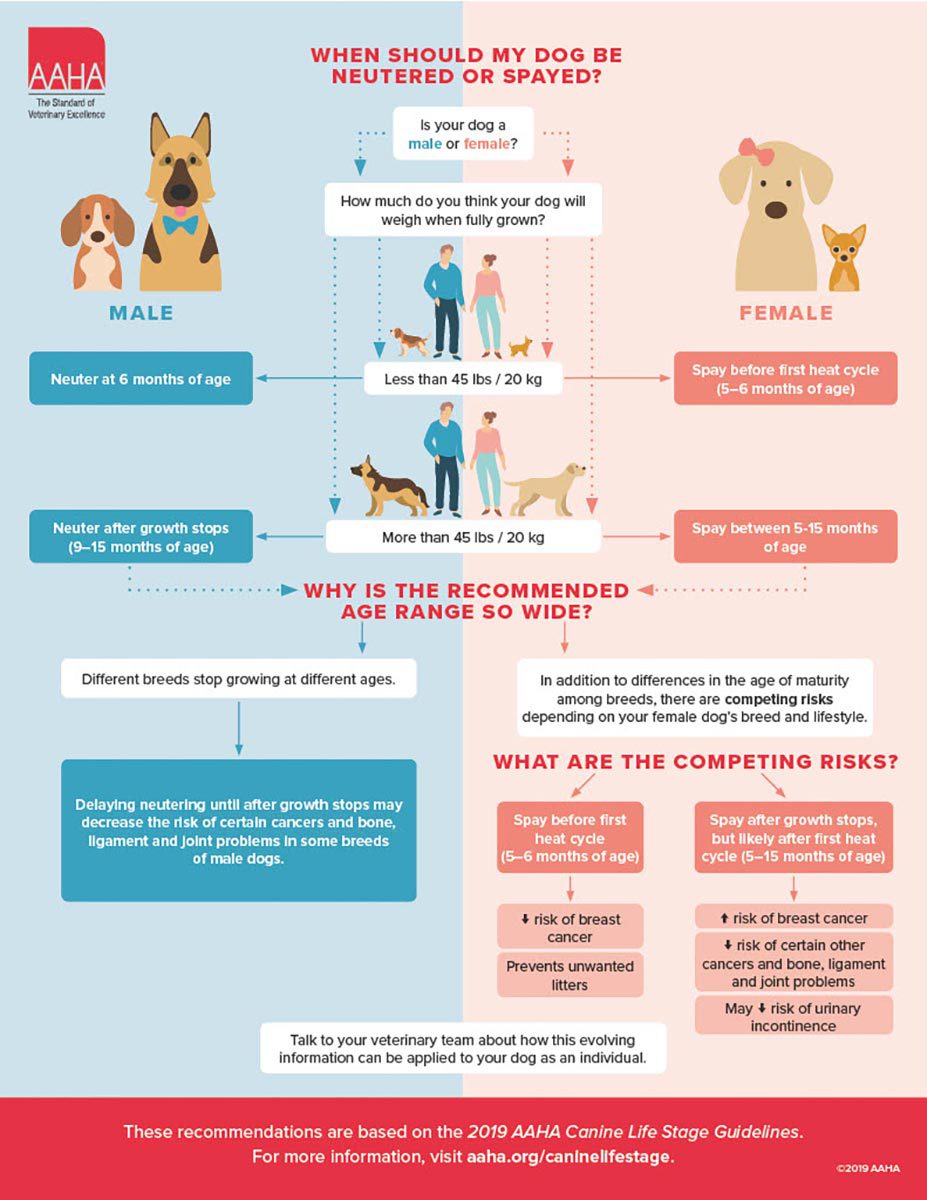
While waiting two to three weeks after heat is a good general rule, the absolute best time to spay a female dog often depends on a variety of factors. Many veterinarians now advocate for spaying before the next heat cycle, which can be as early as 4-6 months of age, depending on the breed. This is often referred to as “early spaying” or “pediatric spaying.”
However, if you have an intact female who has already gone through her first heat cycle, waiting the recommended 2-3 weeks post-heat is the safest approach.
The Benefits of Spaying: Beyond Just Preventing Pregnancy
Spaying is not just about preventing unwanted litters. It offers significant long-term health and behavioral advantages for your dog.
Promoting Uterine Health and Spay Benefits
One of the most significant benefits of spaying is the dramatic reduction, and in many cases, elimination, of certain serious health risks.
- Eliminates Pyometra Risk: Pyometra is a life-threatening infection of the uterus that can occur in unspayed female dogs. By removing the uterus, spaying completely prevents pyometra, a condition that often requires emergency surgery and can be fatal if not treated promptly.
- Reduces Mammary Tumor Risk: Spaying before the first heat cycle can reduce the risk of mammary gland tumors by up to 90%. Even when spayed after the first heat, there is still a significant reduction in risk compared to an unspayed dog. The earlier the spay, the greater the protective effect.
- Prevents Ovarian and Uterine Cancers: Spaying removes the ovaries, thereby eliminating the risk of ovarian cancer. It also removes the uterus, preventing uterine cancer.
- Eliminates Heat Cycles: Spaying ends the heat cycles, meaning no more bloody discharge, no more attracting male dogs, and no more accidental pregnancies. This can also reduce behavioral issues associated with heat, such as restlessness or a desire to roam.
Considerations for Spaying: Breed, Size, and Individual Health
While the general guidelines are helpful, individual circumstances can influence the ideal timing of spay surgery.
Breed Predispositions and Spaying Timing
Some breeds may have specific considerations regarding spaying timing, particularly concerning orthopedic development. Large and giant breeds have shown a slight increase in certain orthopedic conditions, such as hip dysplasia and cruciate ligament tears, when spayed at a very young age, before their growth plates have closed.
- Large Breed Dogs: For breeds prone to orthopedic issues, some veterinarians may recommend waiting until after skeletal maturity (around 12-18 months of age) for spaying, especially if the dog has not yet gone through her first heat. However, the benefits of preventing pyometra and mammary tumors in these larger breeds often outweigh the potential, albeit small, increased risk of orthopedic issues for many owners. Always discuss this with your vet.
- Small Breed Dogs: Small breeds typically do not have the same orthopedic concerns related to early spaying and can often be spayed earlier, following the general pediatric spaying recommendations.
Weight and Health Status
A dog’s overall health and weight are also important factors. Your veterinarian will want to ensure your dog is healthy enough for surgery and anesthesia. Obesity can increase the risks associated with anesthesia and surgery, so maintaining a healthy weight is always beneficial.
What to Expect Post-Surgery: Recovery and Care
After the post heat spay, proper care is essential for a smooth recovery.
The Surgical Procedure and Recovery
The spaying surgery is a routine procedure performed under general anesthesia. Your dog will have an incision on her abdomen, which will require care.
- Pain Management: Your vet will provide pain medication to keep your dog comfortable during her recovery.
- Activity Restriction: It’s crucial to limit your dog’s activity for about 10-14 days after surgery. This means no jumping, running, or rough play with other animals. Leash walks for potty breaks are acceptable.
- Incision Care: You’ll need to keep the incision clean and dry. Monitor it daily for signs of infection, such as redness, swelling, discharge, or heat. Your vet may recommend an Elizabethan collar (cone) or surgical suit to prevent your dog from licking or chewing at the incision site.
- Follow-up: Most vets recommend a follow-up appointment about 10-14 days after surgery to check the incision and remove any sutures if they are not dissolvable.
Behavioral Changes After Spaying
While most behavioral changes are positive, it’s important to note that spaying can sometimes lead to a slight decrease in energy levels or a tendency to gain weight. This can usually be managed with diet and appropriate exercise.
Frequently Asked Questions (FAQ)
Q: Can I spay my dog if she is still bleeding from her heat?
A: No, it is generally not recommended to spay a dog while she is still experiencing the bloody discharge associated with her heat cycle. Waiting until the discharge has stopped and the vulva has returned to its normal size is crucial for safety.
Q: What happens if I spay my dog too soon after heat?
A: Spaying too soon after heat can lead to increased bleeding during the surgery due to engorged blood vessels. It may also increase the risk of post-operative complications and a slower recovery.
Q: Will spaying my dog stop her from getting pregnant after heat?
A: Yes, spaying removes the reproductive organs, thus permanently preventing pregnancy. However, it’s essential to wait until after the current heat cycle has fully concluded to perform the surgery safely.
Q: How can I tell when my dog’s heat cycle has completely ended?
A: You can tell your dog’s heat cycle has ended when the vulva returns to its normal size and the bloody discharge has completely stopped. This typically occurs two to three weeks after the start of the heat.
Q: Is it safe to spay a dog who has never been in heat?
A: Yes, many veterinarians recommend spaying female dogs before their first heat cycle (around 4-6 months of age) as it offers the greatest protection against mammary tumors. This is often referred to as pediatric spaying.
Q: What if my dog gets pregnant after heat but before I could get her spayed?
A: If you suspect your dog may have become pregnant after heat and before her scheduled spay, inform your veterinarian immediately. They can discuss options, which might include a very early spay to terminate the pregnancy or waiting until after the puppies are born and weaned, followed by a spay.
Q: Does spaying affect my dog’s personality?
A: Spaying generally does not negatively impact a dog’s personality. In fact, it can reduce behaviors associated with heat cycles, such as restlessness, vocalization, and a tendency to roam in search of a mate.
Q: What are the signs of infection at the spay incision site?
A: Signs of infection include increased redness, swelling, heat at the incision site, pus-like discharge, and foul odor. If you notice any of these, contact your veterinarian immediately.
By carefully considering the timing of spay surgery and working closely with your veterinarian, you can ensure the best possible outcome for your beloved canine companion. Waiting for the appropriate time after her heat cycle is a vital step in prioritizing her health and well-being.