
Can you treat a cut paw pad at home? Yes, for minor cuts and abrasions, you can provide initial first aid and at-home care for your dog’s cut paw pad, but it’s crucial to know when veterinary attention is necessary. This guide will walk you through recognizing, cleaning, dressing, and monitoring a dog paw wound to ensure proper healing dog paw and prevent complications like an infected cut paw.
A dog’s paw pads are tough, but they can still suffer injuries. Whether it’s a small nick from rough terrain or a more significant laceration on paw, prompt and proper treatment is essential for your dog’s comfort and recovery. This comprehensive guide covers everything you need to know about canine paw care, from immediate first aid to ongoing home treatment, including what to do for a cracked paw pad or a sore paw.
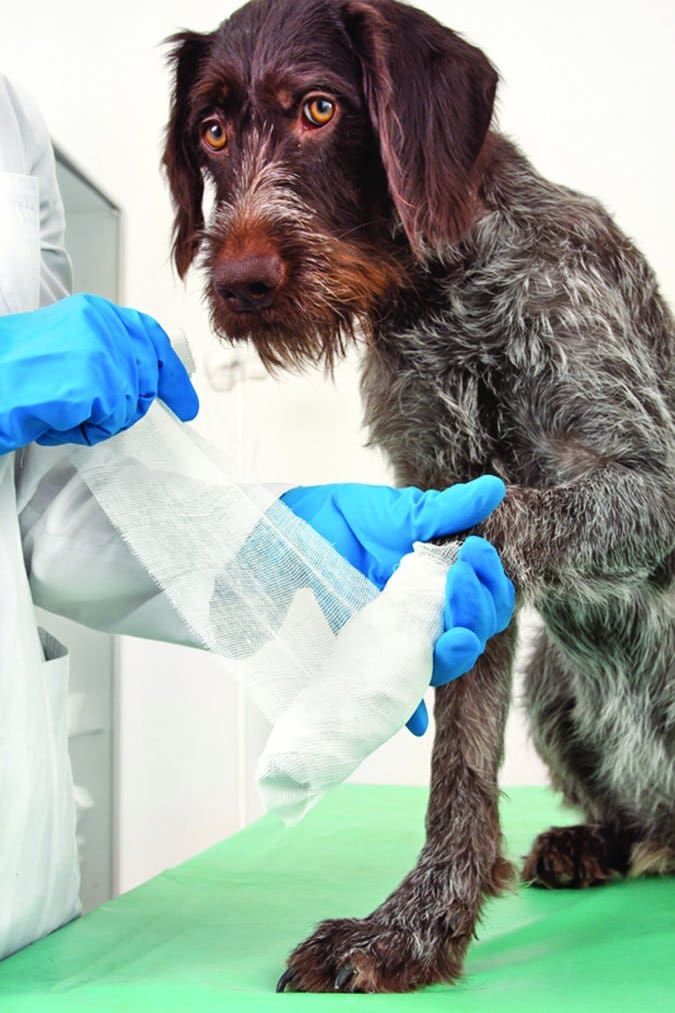
Image Source: www.whole-dog-journal.com
Recognizing Paw Injuries
Before you can treat a cut paw pad, you need to identify the problem. Look for these signs:
- Limping: This is often the first and most obvious sign that something is wrong. Your dog might favor one leg or avoid putting weight on it.
- Licking or Chewing: Excessive licking or chewing at the paw can indicate pain, irritation, or the presence of a wound.
- Visible Bleeding: Blood on the paw or on the floor is a clear indicator of injury. Even small cuts can bleed.
- Swelling: Inflammation around the paw pad or toes can signal a cut, bruise, or infection.
- Discharge: Pus or a foul odor from the paw suggests an infection.
- Changes in Paw Texture: For conditions like a cracked paw pad, you might notice dry, rough, or split areas.
Types of Paw Injuries
Paw injuries can range in severity. It’s helpful to know what you’re dealing with:
- Cuts and Abrasions: These are the most common. They can be caused by sharp objects like glass, rocks, or even sharp debris on sidewalks.
- Cracked Paw Pads: This often results from dry weather, excessive exposure to salt or chemicals, or rough surfaces. It can lead to painful splits.
- Burns: Hot pavements in summer can cause burns, leading to blistering and peeling.
- Foreign Objects: Thorns, splinters, or other debris can get embedded in the paw pad.
- Bruises: A heavy impact can cause bruising, which may lead to limping and swelling.
First Aid: Immediate Steps for a Cut Paw Pad
If you discover your dog has a cut paw pad, the first priority is to stop any bleeding and clean the wound.
Safely Approaching Your Dog
Your dog might be in pain and scared, so approach calmly.
- Speak Softly: Use a gentle, soothing tone.
- Avoid Sudden Movements: Don’t startle your dog.
- Offer Comfort: A favorite treat or a gentle scratch can help.
- Assess the Situation: Gently examine the paw to understand the extent of the injury.
Controlling Bleeding
If the cut is actively bleeding, control it before anything else.
- Apply Gentle Pressure: Use a clean cloth or sterile gauze pad. Press firmly but gently onto the wound.
- Elevate the Paw (If Possible): While holding pressure, you can try to gently lift the paw slightly to help reduce blood flow.
- Maintain Pressure: Continue applying pressure for several minutes until the bleeding slows or stops. If it doesn’t stop after 5-10 minutes of consistent pressure, seek veterinary help immediately.
Cleaning the Wound
Once bleeding is managed, it’s crucial to clean the wound to prevent infection.
- Rinse with Clean Water: Use lukewarm, clean water to gently flush out any dirt or debris. Saline solution (a salt and water mixture) is also a good option.
- Avoid Harsh Antiseptics: Do not use rubbing alcohol, hydrogen peroxide, or iodine unless specifically instructed by a veterinarian. These can damage healthy tissue and delay healing. Mild, pet-safe antiseptic solutions are available.
- Gently Pat Dry: Use a clean towel or gauze to gently pat the area dry. Avoid rubbing, as this can irritate the wound.
Assessing the Severity: When to See a Vet
Not all paw injuries can be treated at home. Knowing when to call the vet is critical for your dog’s well-being.
Signs Requiring Veterinary Attention
You should seek professional veterinary care if you observe any of the following:
- Deep Lacerations: Wounds that appear deep, gaping, or involve muscle or bone.
- Uncontrolled Bleeding: If bleeding continues despite applying pressure for several minutes.
- Embedded Objects: If there’s a foreign object deeply lodged in the paw that you cannot easily remove.
- Signs of Infection: Redness, swelling, heat, pus, or a foul odor emanating from the wound.
- Severe Limping or Inability to Bear Weight: If your dog cannot walk at all or is in significant distress.
- Puncture Wounds: These can be tricky as they may not bleed much externally but can harbor bacteria deep within.
- Burns or Blisters: These require specific treatment.
- Your Dog is in Excessive Pain: If your dog is yelping, crying, or showing extreme signs of discomfort.
What Your Vet Will Do
A veterinarian can properly diagnose the injury and provide the best treatment plan. This may include:
- Thorough Cleaning and Debridement: Removing all foreign material and damaged tissue.
- Pain Management: Prescribing appropriate pain relievers for your dog.
- Antibiotics: If infection is present or suspected.
- Stitches or Bandaging: For more severe wounds.
- X-rays: To check for fractures or foreign objects.
At-Home Paw Treatment: Caring for a Minor Cut Pad
For minor cuts and abrasions that you are treating at home, consistent care is key to promoting a healing dog paw.
Keeping the Wound Clean
Ongoing cleanliness is vital to prevent infection.
- Daily Cleaning: Gently clean the wound once or twice a day with saline solution or pet-safe antiseptic wipes.
- Remove Debris: Carefully check for any new debris that might have gotten into the wound.
Protecting the Wound
Preventing the dog from licking or irritating the wound is crucial.
- Elizabethan Collar (E-collar/Cone): This is often the most effective way to stop your dog from licking the wound. Ensure it fits properly so your dog cannot reach the paw.
- Dog Booties or Paw Wraps: If your dog tolerates them, specially designed dog booties or bandages can protect the wound from dirt and moisture when outdoors. Ensure they are not too tight, which can impede circulation.
Bandaging the Paw
Proper bandaging can protect the wound and absorb any discharge.
How to Bandage a Dog’s Paw
- Prepare the Area: Ensure the paw is clean and dry.
- Apply a Non-Stick Pad: Place a sterile, non-stick gauze pad directly over the wound.
- Add Absorbent Material: Use a layer of cotton or conforming gauze to provide padding and absorb any drainage.
- Secure with Adhesive Tape: Wrap the bandage snugly but not too tightly with medical adhesive tape (like Vetrap or a cohesive bandage). Start below the toes and wrap upwards, overlapping each layer by about half.
- Check Circulation: Ensure the bandage isn’t too tight by being able to slide two fingers underneath it. The toes should not appear swollen or discolored.
- Change the Bandage Regularly: Change the bandage daily or every other day, or if it becomes wet or dirty. This is also an opportunity to re-inspect the wound.
Table: Bandaging Materials
| Material | Purpose | Notes |
|---|---|---|
| Sterile Gauze Pad | Direct wound coverage, non-stick | Essential for the first layer directly on the cut. |
| Cotton Roll/Gauze | Padding, absorption | Creates a comfortable buffer and soaks up any discharge. |
| Cohesive Bandage | Secures the dressing, provides support | Sticks to itself, not the fur, and offers gentle compression. |
| Medical Adhesive Tape | Secures the bandage, can be used for splints | Use only as a final securing layer or if specifically needed. |
| Pet-Safe Antiseptic | Cleans the wound | For cleaning before applying new dressings. |
| Saline Solution | Rinses the wound | Gentle and effective for removing dirt and debris. |
Using Dog Paw Balm
Once the initial healing begins, or for conditions like a cracked paw pad, a dog paw balm can be very beneficial.
Benefits of Dog Paw Balm
- Moisturizes: Prevents dryness and helps keep the skin supple, reducing the likelihood of cracking.
- Protects: Creates a barrier against irritants and harsh surfaces.
- Soothes: Can help calm irritation and discomfort on a sore paw.
- Aids Healing: Some balms contain ingredients that support skin regeneration.
When to Apply Paw Balm
- After Cleaning: Apply a thin layer to a clean, dry paw.
- For Cracks: Regularly apply to soothe and moisturize dry, cracked pads.
- As a Preventative: Use regularly, especially in harsh weather conditions.
Important Note: Do not apply thick or oily balms to an open, bleeding wound, as this can trap bacteria. Wait until the wound has closed significantly before using balms for moisturizing. Always choose balms specifically formulated for dogs, as human products can be toxic if licked.
Monitoring Healing
Watch your dog’s paw closely during the recovery period.
What to Look For During Healing
- Reduced Swelling: The inflammation should gradually decrease.
- No Increased Redness or Heat: These are signs of infection.
- New Skin Formation: You should start to see healthy tissue forming over the wound.
- Decreased Limping: Your dog should gradually put more weight on the paw.
- Absence of Discharge: The wound should be dry.
Potential Complications
- Infection: This is the most common complication. Symptoms include increased pain, swelling, redness, heat, and pus. If you notice any of these, contact your vet.
- Dehiscence: The wound edges may separate, especially if the dog licks or re-injures it.
- Granulation Tissue Overgrowth: In some cases, too much healing tissue can form, creating a raised, bumpy surface.
Prevention: Keeping Paws Healthy
Preventing injuries is always better than treating them.
Regular Paw Checks
- After Walks: Always check your dog’s paws after walks, especially on unfamiliar terrain.
- Look for Anything Unusual: Cuts, scrapes, embedded objects, or irritation.
Appropriate Footwear
- Protective Booties: For extreme weather (hot pavement, snow, ice, salt), consider using dog booties. Acclimate your dog to wearing them gradually.
- Paw Wax: A good alternative for mild conditions, paw wax can offer some protection against ice and salt.
Paw Conditioning
- Regular Trimming: Keep the fur between your dog’s paw pads trimmed, as it can trap debris and moisture.
- Moisturizing: Use a dog paw balm regularly, especially during dry seasons, to keep pads supple and prevent cracking.
Exercise and Terrain
- Avoid Hazardous Surfaces: Be mindful of where you walk your dog. Avoid areas with broken glass, sharp rocks, or debris.
- Gradual Acclimation: If introducing your dog to new or challenging terrain, do so gradually to allow their paws to build resilience.
FAQs about Dog Paw Care
Here are some common questions about treating paw injuries:
Q1: How often should I change my dog’s paw bandage?
You should change your dog’s paw bandage daily, or at least every other day. It’s also important to change it immediately if it becomes wet, dirty, or if you notice any signs of increased swelling or discomfort.
Q2: Can I use Neosporin on my dog’s paw cut?
While Neosporin is a common human antibiotic ointment, it’s best to avoid it unless specifically recommended by your veterinarian. Dogs often lick ointments off, and ingesting Neosporin can cause stomach upset. Pet-specific antibiotic ointments or antiseptic solutions are generally safer and more appropriate.
Q3: My dog has a cracked paw pad. How can I help?
For a cracked paw pad, cleaning the area gently and then applying a dog paw balm designed for pets can help moisturize and soothe the skin. Preventing the dog from licking the cracked pad is also important. In severe cases, veterinary attention may be needed for treatment and pain relief.
Q4: What should I do if my dog steps on something sharp?
If your dog steps on something sharp and you can see it, try to gently remove it with clean tweezers. If it’s deeply embedded or you can’t remove it, or if the paw is bleeding profusely, contact your veterinarian immediately. Clean the wound gently afterward.
Q5: How can I tell if my dog’s paw cut is infected?
Signs of an infected cut paw include increased redness around the wound, swelling, heat to the touch, pus or discharge, a foul odor, and increased pain or lameness. If you suspect an infection, seek veterinary advice promptly.
Q6: Is it normal for my dog to lick their wound?
It’s natural for dogs to lick wounds, but excessive licking can prevent healing and introduce bacteria. Using an Elizabethan collar (cone) is the most effective way to prevent your dog from licking the injured paw.
Q7: My dog’s paw is sore after a long walk. What can I do?
If your dog has a sore paw after activity, check it for any obvious injuries. A gentle soak in lukewarm water or a cool compress can help reduce swelling and discomfort. A soothing paw balm can also provide relief. If the soreness persists or your dog is limping significantly, consult your vet.
By following these guidelines for first aid and at home paw treatment, you can effectively manage most minor paw pad injuries. Remember that vigilance, cleanliness, and knowing when to seek professional help are the cornerstones of excellent canine paw care. Your dog’s paws are their connection to the world, and keeping them healthy is paramount to their overall well-being.