
A dog can typically start leash walking after TPLO surgery within 24-48 hours, but this is a very controlled and gentle introduction to movement. The goal isn’t to resume normal walking but to encourage gentle limb use and prevent muscle atrophy. The TPLO recovery timeline is a journey, not a race, and progresses through distinct TPLO surgery recovery stages.
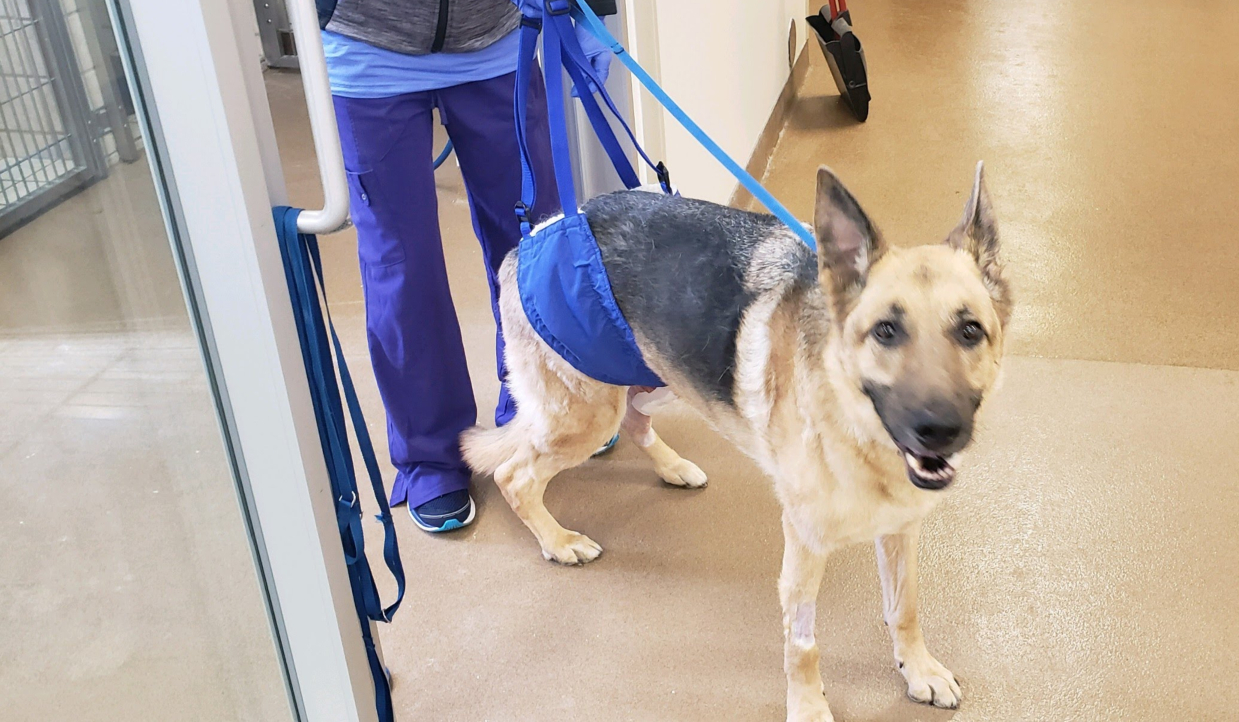
Image Source: www.ovrs.com
The Initial Steps: Getting Moving Post-TPLO
Following Tibial Plateau Leveling Osteotomy (TPLO) surgery, your canine companion will likely be experiencing pain and discomfort. The primary goal in the immediate post-operative period is to manage pain, reduce inflammation, and introduce very gentle movement. This initial period is crucial for setting the stage for successful healing and preventing complications.
First 24-48 Hours: The Critical Rest Period
Immediately after TPLO surgery, your dog will be under the care of your veterinarian. They will be administered pain medication and monitored closely. The first 24-48 hours are dedicated to rest and pain management. During this time, you will be instructed on how to handle your dog, including how to help them stand and move to a comfortable position.
- Pain Management: Effective pain control is paramount. This typically involves a combination of oral and injectable medications. Ensure you administer all prescribed medications on schedule.
- Restricted Movement: While rest is key, complete immobility can lead to complications. Your vet will advise on very brief, controlled periods of standing and turning.
- Incision Care: Keeping the surgical site clean and dry is essential. You’ll receive specific instructions on how to monitor and care for the incision.
- First Gentle Steps: Your vet may encourage a very brief, slow walk with a leash for potty breaks within this initial period. This is not about exercise but about preventing stiffness and encouraging circulation.
The First Week: Controlled Leash Walks
The first week post-TPLO surgery marks the beginning of your structured post TPLO dog exercise program. The emphasis remains on controlled movement and preventing any undue stress on the healing stifle.
- Leash Walking Focus: Short, slow leash walks are introduced. These walks are typically 5-10 minutes long, 2-3 times a day. The purpose is to encourage weight-bearing and prevent the limb from becoming stiff.
- Strict Leash Control: Your dog must remain on a leash at all times. This prevents them from running, jumping, or making sudden movements.
- Surface Awareness: Walk on soft, even surfaces like carpet or grass. Avoid slippery floors or uneven terrain.
- Observing for Lameness: Pay close attention to your dog’s gait. Mild lameness is expected, but a significant increase in lameness, swelling, or pain warrants a call to your veterinarian.
- No Off-Leash Activity: Absolutely no running, jumping, playing, or stairs. These activities can jeopardize the surgical repair.
Weeks 2-4: Gradual Increase in Walking Duration
As your dog progresses through the initial healing phase, you can gradually increase the duration of your leash walks. This period focuses on building endurance and encouraging more consistent weight-bearing.
- Extending Walk Times: Gradually increase walk durations by 5 minutes every few days, as tolerated. Aim for walks of 10-15 minutes, 2-3 times a day.
- Maintaining Control: Continue to use a leash and prevent any sudden movements.
- Introducing Gentle Inclines (Optional): Once your vet approves, very mild inclines can be introduced to gently work different muscle groups.
- Continued Incision Monitoring: Keep a close eye on the surgical incision for any signs of redness, swelling, discharge, or opening.
- No Roughhousing: Continue to strictly prohibit rough play or interactions with other dogs.
Weeks 5-8: Transitioning Towards More Normal Activity
This phase of the TPLO recovery timeline sees a significant shift towards restoring more functional use of the leg. Controlled exercise remains key, but the intensity and duration can slowly increase.
- Longer Walks: Walks can be extended to 20-30 minutes, 2 times a day.
- Introducing Slow Trotting: Once your veterinarian assesses your dog’s progress and deems it appropriate, short periods of slow trotting on a leash may be introduced. This is a critical part of the dog leg surgery walking schedule.
- Gentle Re-introduction to Stairs (with assistance): If your dog is managing well, controlled stair negotiation (with you supporting them) may be introduced. Always use a harness for support.
- Range of Motion Exercises: Your veterinarian or a certified canine rehabilitation therapist may prescribe specific passive range of motion exercises. These are vital for maintaining joint flexibility and preventing stiffness.
- Swimming (if available and approved): Hydrotherapy can be an excellent low-impact way to build muscle. If your vet approves and you have access to a clean, safe body of water or a canine hydrotherapy pool, short swimming sessions can be beneficial.
Weeks 9-12 and Beyond: Gradual Return to Activity
The period beyond 8 weeks is about carefully reintroducing your dog to a more normal lifestyle. This is where the TPLO return to activity plan becomes crucial.
- Increased Exercise Intensity: Gradually increase the duration and intensity of walks and trotting. You might start incorporating gentle jogging intervals.
- Controlled Play: Short periods of controlled play with familiar, well-behaved dogs can be introduced, but always under strict supervision.
- Agility and Advanced Exercises: As your dog’s strength and confidence grow, they can slowly begin to reintroduce more complex movements, but always with a gradual progression.
- Long-Term Monitoring: Continue to monitor your dog for any signs of limping, swelling, or discomfort after increased activity. It’s important to listen to your dog’s body.
Key Components of Canine TPLO Post-Operative Care
Successful canine TPLO post-operative care involves more than just walking. A holistic approach encompassing pain management, physical therapy, and attentive monitoring is essential.
Pain Management: A Multimodal Approach
Effective pain management is critical throughout the entire TPLO recuperation period. It allows your dog to rest comfortably, encourages movement, and facilitates healing.
- Veterinary Prescribed Medications: Your vet will prescribe a combination of pain relievers, anti-inflammatories, and potentially nerve pain medications. Administer these religiously as directed.
- Monitoring for Discomfort: Learn to recognize subtle signs of pain in your dog, such as reluctance to move, changes in posture, or vocalizations.
- Cold Therapy: Applying cold packs to the surgical site (wrapped in a towel) for 10-15 minutes several times a day in the initial stages can help reduce swelling and pain. Always ensure the cold pack is not directly on the skin.
Physical Rehabilitation: The Cornerstone of Recovery
TPLO stifle surgery rehabilitation is the most critical aspect of your dog’s recovery. A well-structured rehabilitation program will significantly improve the outcome.
- Passive Range of Motion (PROM): Gentle manipulation of the limb to move the joints through their natural range of motion without actively engaging the muscles. This helps prevent stiffness and contractures.
- Active Range of Motion (AROM): Exercises that encourage your dog to move the limb themselves, such as sit-to-stands and walking.
- Strengthening Exercises: Gradually increasing the load and challenge on the leg muscles to rebuild strength. This can include exercises like cavaletti rails, sit-to-stands, and controlled walking on different surfaces.
- Proprioception Exercises: Exercises designed to improve your dog’s awareness of their limb’s position in space. This is vital for balance and coordination.
- Hydrotherapy: As mentioned earlier, swimming or underwater treadmill therapy can be incredibly beneficial for building strength with reduced impact.
- Therapeutic Ultrasound and Laser Therapy: These modalities can aid in tissue healing, reduce inflammation, and manage pain. Your vet or rehab specialist will advise if these are appropriate.
Nutrition and Weight Management
Proper nutrition plays a vital role in the healing process.
- High-Quality Diet: Ensure your dog is on a balanced, high-quality diet that supports healing and recovery.
- Weight Control: Maintaining a healthy weight is absolutely crucial, especially after orthopedic surgery. Excess weight puts undue stress on the healing joint and can increase the risk of complications and re-injury.
Mental Stimulation
Don’t forget your dog’s mental well-being! Confining a dog, even for their own good, can lead to boredom and frustration.
- Puzzle Toys: Offer food-dispensing toys and puzzles to keep their minds engaged.
- Gentle Interaction: Spend quality time petting, grooming, and talking to your dog.
- Training Basic Cues (without physical exertion): You can practice simple obedience commands that don’t require movement of the surgical leg.
Progressing Through TPLO Recovery Stages
The TPLO recovery timeline can be broadly divided into distinct stages, each with its own set of goals and considerations.
Stage 1: Immediate Post-Operative (Days 1-7)
- Focus: Pain control, wound management, preventing complications, and introducing very limited, controlled movement.
- Walking: Very brief, slow leash walks for potty breaks only (2-3 times daily, 5-10 minutes).
- Key Activities: Strict rest, pain medication administration, incision monitoring.
Stage 2: Early Healing and Gentle Mobilization (Weeks 1-4)
- Focus: Gradual increase in weight-bearing, controlled leash walking, starting passive range of motion exercises.
- Walking: Increasing leash walk duration to 10-15 minutes, 2-3 times daily.
- Key Activities: Continued leash walks, passive range of motion, incision monitoring.
Stage 3: Intermediate Healing and Strengthening (Weeks 5-8)
- Focus: Building muscle strength, improving endurance, introducing controlled trotting, and active range of motion.
- Walking: Walks up to 20-30 minutes, 2 times daily. Introduction of short, slow trotting intervals as approved.
- Key Activities: Strengthening exercises, controlled trotting, gentle stair negotiation (assisted), potentially hydrotherapy.
Stage 4: Late Healing and Return to Activity (Weeks 9-12+)
- Focus: Gradual return to normal activity levels, improving agility and balance, full weight-bearing.
- Walking: Longer walks, incorporating controlled jogging.
- Key Activities: Gradual reintroduction of normal activities, supervised play, agility work as cleared by vet.
Frequently Asked Questions About TPLO Recovery
Here are some common questions pet owners have about their dog’s TPLO recovery.
What is the expected lameness after TPLO surgery?
It’s normal for your dog to have some degree of lameness for several weeks post-surgery. This is due to pain, swelling, and the healing process. The lameness should gradually improve. If the lameness worsens or doesn’t improve, consult your veterinarian.
Can my dog go up and down stairs after TPLO surgery?
Stairs are a significant challenge for dogs recovering from TPLO. In the early stages, stairs should be avoided entirely. As healing progresses, and with your vet’s approval, you can gradually reintroduce stairs. Always use a harness to support your dog and guide them slowly, one step at a time. Avoid letting them jump or twist on the surgical leg.
How long does a dog need to wear an E-collar (cone of shame)?
The E-collar is crucial to prevent your dog from licking or chewing at the surgical incision. Typically, dogs need to wear it for the first 10-14 days, or until the sutures are removed and the incision is well-healed. Some dogs may try to lick the incision even after the initial period, so close monitoring is key.
When can my dog be around other dogs after TPLO surgery?
This is a critical question for post TPLO dog exercise. Your dog should not interact with other dogs without strict supervision until they are fully cleared by your veterinarian, which is usually around 8-12 weeks post-surgery. Even then, introductions should be slow and controlled to prevent accidental roughhousing that could re-injure the leg.
What if my dog starts limping again after seeming to improve?
A sudden increase in lameness or the return of limping after a period of improvement can indicate a complication, such as implant loosening, infection, or even a new injury. It is crucial to contact your veterinarian immediately if you notice this.
How do I know if my dog is healing well?
Signs of good healing include:
* Gradual reduction in lameness.
* Increasing weight-bearing on the surgical leg.
* A clean, dry, and well-healed incision.
* Your dog showing more interest in movement and exercises.
* Good appetite and general demeanor.
Conversely, signs of concern include:
* Worsening lameness or sudden inability to bear weight.
* Swelling, redness, heat, or discharge from the incision.
* Your dog seeming lethargic or in significant pain.
* Reluctance to engage in prescribed exercises.
Your veterinarian is your best resource for monitoring your dog’s progress and addressing any concerns you may have throughout the TPLO recuperation period. By adhering to their guidance and a structured rehabilitation plan, you can help your canine companion achieve the best possible outcome from their TPLO surgery.