
Can you treat dog laryngitis at home? Yes, in many cases, mild laryngitis in dogs can be managed with supportive home care. This guide will walk you through how to treat your dog’s laryngitis at home, focusing on providing relief and promoting healing for your furry friend. We’ll cover recognizing the signs, understanding the causes, and implementing effective home treatments.
Image Source: lh5.googleusercontent.com
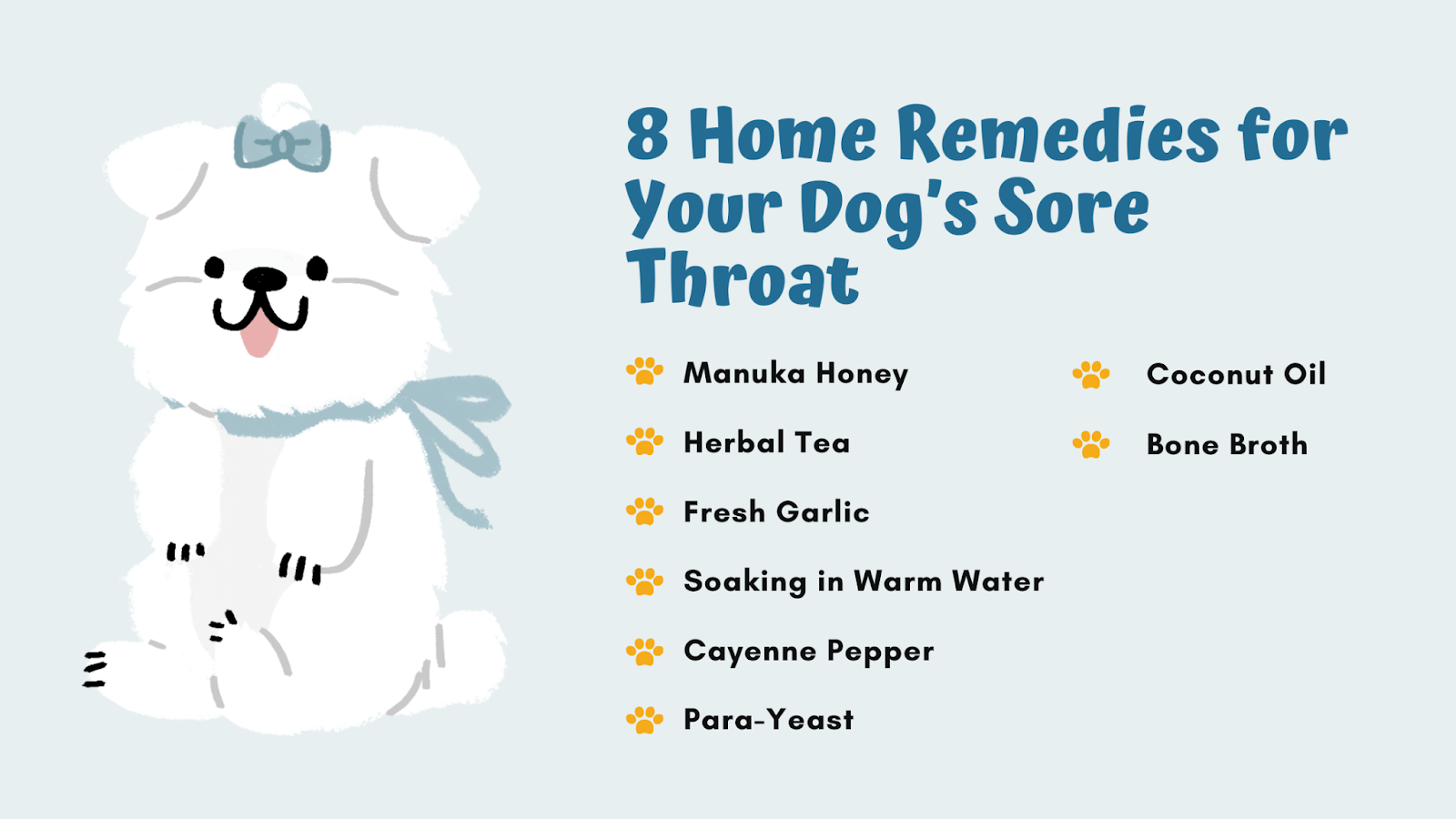
Recognizing Dog Throat Irritation Symptoms
It’s crucial to identify the signs of throat irritation in your dog. These symptoms can range from mild to severe and may indicate laryngitis or other throat issues. Paying close attention to your dog’s behavior and vocalizations is key.
Common Dog Throat Irritation Symptoms:
- Hoarseness or Bark Loss: This is the most obvious sign. Your dog’s bark might sound raspy, weak, or they might not be able to bark at all.
- Coughing: A dry, hacking cough is common. It might be triggered by excitement or activity.
- Gagging or Choking: Some dogs may experience gagging or a feeling of choking, especially when trying to bark.
- Swallowing Difficulties: Pain or swelling in the throat can make it difficult or painful for your dog to swallow food or water.
- Lethargy: Your dog might seem less energetic or more tired than usual due to discomfort.
- Loss of Appetite: If swallowing is painful, your dog might refuse food.
- Excessive Drooling: Increased salivation can occur due to throat irritation.
- Visible Swelling: In some cases, you might be able to see or feel swelling around your dog’s neck.
- Fever: While not always present, a fever can indicate an underlying infection.
- Panting: Excessive panting, even when not hot or exercising, can be a sign of respiratory distress or discomfort.
Deciphering the Causes of Canine Laryngitis
Before diving into home treatments, it’s helpful to understand what causes laryngitis in dogs. Knowing the root cause can help you prevent future occurrences and tailor your care. Canine laryngitis care often involves addressing the underlying trigger.
Common Causes of Laryngitis in Dogs:
- Overuse of Voice: Excessive barking, howling, or whining, often seen in puppies or dogs during periods of excitement or separation anxiety, can strain the vocal cords.
- Irritants: Inhaling smoke, dust, or other airborne irritants can inflame the larynx. This can happen from household cleaners, air fresheners, or even poorly ventilated environments.
- Infections: Bacterial or viral infections can affect the larynx, leading to inflammation. Kennel cough is a common culprit that can cause laryngitis.
- Allergies: Environmental allergies can cause inflammation in the respiratory tract, including the larynx.
- Trauma: Injury to the throat area, such as from a swallowed foreign object or a forceful impact, can cause laryngitis.
- Acid Reflux (GERD): Stomach acid backing up into the esophagus can irritate the throat and larynx.
- Breathing Problems: Certain breeds, like brachycephalic (short-nosed) dogs, are prone to laryngeal issues due to their anatomy.
- Foreign Objects: Ingesting or inhaling a foreign object lodged in the throat can cause severe irritation and inflammation.
- Medical Conditions: Less commonly, other medical conditions like tumors or growths in the throat area can lead to laryngitis.
Home Treatment for Dog Cough and Laryngitis
When your dog is suffering from laryngitis, your primary goal is to provide comfort and support their healing process. These dog sore throat remedies and home treatment for dog cough strategies aim to reduce inflammation and soothe your dog’s irritated larynx.
1. Rest is Essential
Just like humans, dogs need rest to recover. Limit your dog’s activity, especially activities that might encourage barking or strenuous breathing.
- Quiet Environment: Keep your dog in a calm, quiet place where they won’t be stressed or tempted to vocalize.
- Avoid Excitement: Try to minimize situations that typically cause your dog to bark excessively, like visitors, loud noises, or over-excitement during play.
- Leash Walks Only: Keep walks short and calm. Avoid dog parks or areas where your dog might interact with other dogs and feel the need to bark.
2. Hydration is Key
Keeping your dog well-hydrated is crucial for thinning mucus and keeping the throat moist.
- Fresh Water: Ensure constant access to fresh, clean water.
- Warm Water or Broth: Some dogs might find warm water or plain, low-sodium chicken or beef broth (ensure no onions or garlic) more soothing. Always let it cool to a comfortable temperature.
- Hydrating Foods: If your dog is eating, consider adding some wet food or a bit of water to their kibble to increase moisture intake.
- Ice Cubes: For some dogs, slowly licking ice cubes can be both hydrating and soothing. Supervise to ensure they don’t try to chew and swallow large chunks.
3. Humidify the Air
Dry air can further irritate a sore throat. Increasing humidity can help moisten the airways and ease discomfort.
- Humidifier: Place a humidifier in the room where your dog spends most of their time. Keep it clean to prevent mold and bacteria growth.
- Steam Therapy: If you don’t have a humidifier, you can create a steamy environment. Run a hot shower in the bathroom and sit with your dog in the steamy room for 10-15 minutes. Ensure the room isn’t too hot.
- Damp Towels: Hanging damp towels around the room can also add a little moisture to the air.
4. Natural Remedies for Dog Hoarseness and Soothing
Several natural remedies can help soothe your dog’s throat and reduce inflammation, offering natural remedies for dog hoarseness.
- Honey: A small amount of raw honey can be very soothing. Honey has natural antibacterial and anti-inflammatory properties.
- Dosage: For small dogs, a teaspoon is usually enough. For larger dogs, up to a tablespoon. You can give it to them directly or mix a small amount into their water.
- Caution: Do not give honey to puppies under one year old due to the risk of botulism.
- Slippery Elm: This herb contains mucilage, which coats and soothes irritated mucous membranes. It can be found in powder or capsule form.
- Preparation: Mix the powder with a little water to form a paste or gruel.
- Dosage: Follow product instructions carefully or consult your vet. It’s often given a few times a day.
- Timing: It’s best to give slippery elm between meals, as it can affect the absorption of other medications or nutrients.
- Marshmallow Root: Similar to slippery elm, marshmallow root has mucilaginous properties that can coat and soothe the throat.
- Preparation: Can be given as a tea (steeped in cool water) or as a powder mixed with water.
- Dosage: Consult your veterinarian for appropriate dosage based on your dog’s size and condition.
5. Dietary Adjustments
Making your dog’s food easier to eat can significantly help if swallowing is painful.
- Soften Kibble: Moisten dry kibble with warm water or broth to make it softer and easier to swallow.
- Wet Food: Switch to a wet food diet temporarily, as it is already soft and palatable.
- Avoid Irritating Foods: Steer clear of very dry, hard, or scratchy foods. Also, avoid anything spicy or overly seasoned.
6. Supportive Care for Dog Vocal Issues
Beyond direct remedies, general supportive care is vital for your dog’s recovery and helps in overall pet laryngitis relief.
- Monitor Closely: Keep a close eye on your dog’s symptoms. Note any changes, improvements, or worsening of their condition.
- Minimize Stress: A calm environment reduces the likelihood of your dog barking out of anxiety or excitement.
- Gentle Handling: Be extra gentle when handling your dog, especially around the neck area.
When to Seek Veterinary Attention
While home treatment can be effective for mild cases, it’s crucial to know when to consult a veterinarian. Some symptoms warrant professional medical advice to rule out more serious conditions and ensure proper diagnosis and treatment.
When to Call the Vet:
- Severe Difficulty Breathing: Any signs of labored breathing, gasping for air, or blue-tinged gums (cyanosis) are emergencies.
- Inability to Swallow: If your dog refuses to drink water or eat for more than 24 hours due to pain.
- High Fever: A rectal temperature above 103.5°F (39.7°C).
- Lethargy and Weakness: If your dog is extremely listless, unresponsive, or showing signs of significant weakness.
- Worsening Symptoms: If your dog’s condition doesn’t improve after a few days of home care or if symptoms worsen.
- Presence of Blood: If you notice blood in their saliva or when they cough.
- Suspected Foreign Object: If you suspect your dog has swallowed something that might be lodged in their throat.
- Persistent Coughing: A cough that lasts for more than a week or two.
- Any Concerns: If you are at all worried about your dog’s health, it’s always best to err on the side of caution and consult your vet.
A veterinarian can diagnose the exact cause of the laryngitis and recommend specific treatments, which might include antibiotics for bacterial infections, anti-inflammatory medications, or other interventions. They can also help in preventing dog voice loss by addressing underlying issues.
Can I Give My Dog Human Medications for Laryngitis?
Absolutely not. You should never give your dog human medications for laryngitis or any other condition without explicit instruction from your veterinarian. Human medications can be toxic to dogs, even in small doses. What might be safe for humans can cause severe side effects or even be fatal for dogs. Always consult your vet for medication recommendations.
Preventive Measures: Preventing Dog Voice Loss
Preventing laryngitis and the associated dog voice loss is always better than treating it. Implementing these preventive measures can keep your dog’s vocal cords healthy.
- Manage Barking Behavior: Address excessive barking through training and by identifying and managing triggers. Reward quiet behavior.
- Avoid Irritants: Keep your home free of smoke, strong perfumes, and harsh cleaning chemicals. Ensure good ventilation.
- Control Allergies: If your dog has allergies, work with your vet to manage them effectively.
- Safe Chew Toys: Provide appropriate chew toys and supervise your dog to prevent them from swallowing pieces that could irritate their throat.
- Gradual Acclimation to Cold: If your dog is sensitive to cold, introduce them gradually to cold weather.
- Hydration: Ensure they always have access to fresh water, especially in dry or hot weather.
- Regular Vet Check-ups: Routine veterinary visits can help catch potential issues early.
Laryngitis in Puppies vs. Adult Dogs
While the general principles of care are similar, there are some nuances when dealing with laryngitis in puppies versus adult dogs. Puppies have more sensitive systems, and their immune defenses are still developing.
Laryngitis in Puppies:
- Increased Susceptibility to Infections: Puppies are more prone to viral and bacterial infections like kennel cough, which commonly cause laryngitis.
- Play-Related Strain: Puppies can be very boisterous and may overexert their vocal cords during play.
- Importance of Veterinary Care: Due to their developing systems, it’s especially important to consult a vet if a puppy shows signs of laryngitis, particularly if they also have other symptoms like lethargy or fever.
Laryngitis in Adult Dogs:
- Underlying Conditions: In adult dogs, laryngitis might be a symptom of a more significant underlying issue, such as heart disease (which can cause coughing and laryngeal swelling) or chronic respiratory problems.
- Older Dogs: Senior dogs may have weakened immune systems or pre-existing health conditions that make them more vulnerable.
Treatment Comparison: Home vs. Veterinary Care
It’s important to have a clear idea of when home care is sufficient and when professional intervention is necessary.
| Aspect | Home Care | Veterinary Care |
|---|---|---|
| Diagnosis | Based on observed symptoms; assumes mild irritation or overuse. | Professional examination, potentially including throat swabs, blood tests, X-rays, or endoscopy. |
| Primary Goal | Provide comfort, reduce irritation, support natural healing. | Diagnose cause, treat infection, reduce severe inflammation, manage pain, address underlying issues. |
| Medications | Natural remedies, soothing agents (honey, slippery elm). | Prescription antibiotics, anti-inflammatories, pain relievers, other specific medications. |
| Severity | Suitable for mild, temporary cases of hoarseness or cough. | Necessary for moderate to severe cases, persistent symptoms, or if breathing is affected. |
| When to Use | Initial symptoms, no other signs of illness, quick recovery expected. | Symptoms persist, worsen, are severe, or if there are other concerning signs. |
| Potential Outcomes | Relief and recovery for mild cases. | Accurate diagnosis, targeted treatment, faster and more complete recovery, prevention of complications. |
| Prevention | General good care, managing barking. | Addressing specific underlying causes identified by the vet, professional advice on management. |
FAQs About Dog Laryngitis
Here are some common questions pet owners have about treating dog laryngitis at home.
Q1: How long does dog laryngitis typically last?
A1: Mild laryngitis due to overuse can resolve within a few days to a week with proper rest and supportive care. However, if it’s caused by an infection or other underlying condition, it can last much longer and require veterinary treatment.
Q2: Can my dog catch laryngitis from another dog?
A2: If the laryngitis is caused by a contagious infection, like kennel cough, then yes, your dog can catch it from an infected dog. However, laryngitis caused by overuse or irritants is not contagious.
Q3: Are there any specific foods that are bad for a dog with laryngitis?
A3: Yes, avoid hard, dry, or sharp foods that can further irritate the throat. Also, steer clear of anything spicy, overly seasoned, or containing ingredients like onions or garlic, which can be toxic.
Q4: How can I tell if my dog has a sore throat or something more serious?
A4: Signs that suggest something more serious include difficulty breathing, high fever, extreme lethargy, refusal to eat or drink for over 24 hours, or the presence of blood. If you notice any of these, seek veterinary attention immediately.
Q5: Can I give my dog over-the-counter cough drops or lozenges?
A5: No, you should never give your dog human cough drops or lozenges. Many contain ingredients like xylitol, which is highly toxic to dogs. Always consult your vet before giving any medication.
By following these guidelines, you can provide effective supportive care and home treatment for your dog’s laryngitis, ensuring they get back to their happy, healthy selves as quickly as possible. Remember, when in doubt, always consult your veterinarian.