
Can you train a deaf dog? Yes, you absolutely can! Training a deaf dog is incredibly rewarding, and with the right approach, you can build a strong bond and have a well-behaved companion. This guide will walk you through everything you need to know about communicating with your deaf dog, from basic commands to enriching their lives.
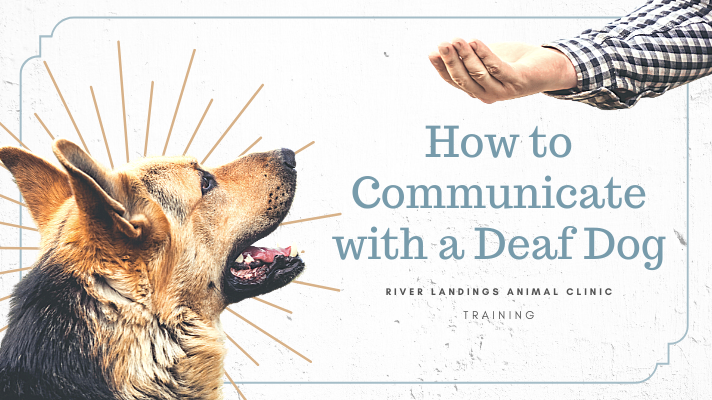
Image Source: images.squarespace-cdn.com
Deciphering Deaf Dog Body Language
Dogs communicate a lot through their bodies. For deaf dogs, this visual language becomes even more crucial. Learning to read their subtle cues is key to understanding deaf dog behavior and ensuring their happiness and safety.
Common Visual Signals
Dogs use a variety of body language to express their feelings and intentions. Here are some common signals to watch for:
- Tail Wags: A wagging tail doesn’t always mean happy! A stiff, fast wag might indicate arousal or stress, while a slow, relaxed wag is usually a sign of contentment. A tucked tail signifies fear or anxiety.
- Ear Position: Ears that are perked forward usually mean interest or alertness. Ears held back can indicate fear or submission. Ears relaxed and to the side suggest calmness.
- Eye Contact: Direct eye contact can be intimidating for some dogs. Soft, blinking eyes usually mean relaxation. Whale eye (showing the whites of the eyes) often signals stress or anxiety.
- Mouth and Lips: A closed mouth with relaxed lips suggests a happy dog. Lip licking, yawning, or panting when not hot can be signs of stress. A bared-tooth snarl is a clear warning.
- Body Posture: A relaxed, wiggly body is a happy dog. A stiff body can mean tension or alertness. A play bow (front end down, rear end up) is an invitation to play. Rolling over to expose their belly can be submission or a sign of complete trust.
Recognizing Distress Signals
It’s vital to recognize when your deaf dog is feeling uncomfortable or stressed. These signals often appear before more overt behaviors like growling or snapping.
- Lip licking: Quick flicks of the tongue.
- Yawning: Especially when not tired or thirsty.
- Panting: When not overheated or exerted.
- Shaking off: As if wet, but they are dry.
- Avoiding eye contact: Looking away quickly.
- Freezing: Becoming very still.
- Whale eye: Showing the whites of their eyes.
By paying close attention to these signals, you can better interpret your dog’s emotional state and respond appropriately, preventing misunderstandings and ensuring their well-being. This is a cornerstone of dog training for deaf dogs.
Mastering Hand Signals for Dogs
Since your dog can’t hear verbal commands, hand signals for dogs become your primary communication tool. Consistency and clarity are paramount.
Basic Hand Signals
Here are some fundamental hand signals to teach your deaf dog:
| Command | Hand Signal | Explanation |
|---|---|---|
| Sit | Palm facing up, move hand upwards in an arc. | Start with your hand slightly above their head and move it back over their head. |
| Down | Palm facing down, move hand downwards. | Start with your hand at their nose level and lower it towards the ground. |
| Stay | Flat palm facing the dog, like a “stop” sign. | Hold your palm steady, facing your dog. |
| Come | Flat palm facing the dog, beckoning motion. | Extend your arm and move your hand towards you in a sweeping motion. |
| Good Boy/Girl | Thumbs up or a relaxed open hand. | A positive reinforcement signal. |
| No | A sharp, quick downward chop with your hand. | Use this sparingly and with caution, paired with a visual deterrent if needed. |
Creating Your Own Signals
You can adapt existing signals or create new ones that are intuitive for you and your dog. The key is to choose distinct, easy-to-see movements.
- Distinctiveness: Ensure each signal looks different from the others to avoid confusion.
- Clarity: Make your movements large and precise.
- Association: Always pair the new hand signal with a positive reward when your dog performs the desired action.
Teaching these visual cues for dogs effectively is a crucial part of training a deaf dog.
Teaching Deaf Dog Commands: A Step-by-Step Approach
Deaf dog commands are taught using the same principles as training hearing dogs, but with a visual focus. Positive reinforcement is key.
The Foundation: Positive Reinforcement
Positive reinforcement involves rewarding desired behaviors. For a deaf dog, this means using high-value treats, enthusiastic praise (visual praise, like clapping hands or excited gestures), and play.
Introducing New Commands
- Choose Your Signal: Select a clear, distinct hand signal for the command.
- Lure the Behavior: Gently guide your dog into the desired position. For “sit,” you might lure them by moving a treat from their nose over their head.
- Mark the Behavior: The instant your dog performs the action, give a visual marker. A bright flashlight blink or a specific hand gesture (like a quick thumbs-up) can serve this purpose.
- Reward Immediately: Follow the marker with a high-value treat and enthusiastic visual praise.
- Repeat and Practice: Practice in short, frequent sessions in a quiet environment.
- Fade the Lure: Gradually reduce how much you physically help your dog perform the action.
- Add the Signal: Once your dog reliably performs the behavior when lured, start giving the hand signal just before you lure.
- Generalize: Once they understand the signal in a quiet place, practice in more distracting environments.
Advanced Commands and Techniques
- “Touch” Command: Teach your dog to touch your hand with their nose. This is invaluable for getting their attention.
- “Look at Me” Signal: A direct, sustained hand gesture (like pointing at your eye) to gain their focus.
- Recall: Use a very clear, distinctive signal for “come,” often combined with a visual cue like waving your arms enthusiastically. Practice this in a safe, enclosed area.
- Leash Walking: Use a light touch on the leash or a vibration collar (used ethically and with positive reinforcement) to cue them to walk beside you.
Remember that sign language for dogs is about creating a consistent language between you and your pet.
Ensuring Safety for Your Deaf Dog
Safety is paramount when you have a deaf dog. Since they cannot hear warnings, you need to implement specific strategies.
Home Safety
- Secure Fencing: Ensure your yard is completely fenced and secure, with no gaps where they could escape.
- Visual Gates: Use baby gates or visual barriers to block off areas you don’t want them to access.
- Avoid Hazards: Keep cleaning supplies, medications, and small objects out of reach.
- Secure Doors and Windows: Be mindful of open doors and windows, as they can easily wander off if not supervised.
Outdoor Safety
- Leash is Essential: Always keep your deaf dog on a leash when outside of a securely fenced area. A retractable leash can give them more freedom while still maintaining control.
- Vibrating Collars (Ethical Use): Some owners use vibrating collars as a safety measure. These are not for punishment but for a gentle vibration to get the dog’s attention if they wander too far. Crucially, these should only be used in conjunction with positive reinforcement training and under the guidance of a professional.
- ID Tags and Microchips: Ensure your dog wears an ID tag clearly stating they are deaf, along with your contact information. A microchip is also essential.
- Awareness of Surroundings: Be extra vigilant in public spaces. Scan for potential dangers like fast-moving vehicles, bikes, or other animals that your dog might not detect.
- Flashlight Cues: A flashlight can be a lifesaver. You can use a subtle flicker to get their attention if they’re looking away and you need to call them back.
Identifying and Responding to Potential Dangers
- Foot Thumping: Gently stomp your foot on the floor to create vibrations your dog can feel. This can alert them to your presence or signal something is approaching.
- Light Sensations: Use a bright flashlight to get their attention from a distance. A quick flash can be like a gentle tap.
- Vibrations: Walking heavily or tapping on surfaces can alert them to movement.
Prioritizing safety is a critical aspect of dog training for deaf dogs.
Socializing and Enriching a Deaf Dog’s Life
Deaf dog socialization and enrichment are vital for their mental and emotional well-being. A happy, well-adjusted deaf dog is a joy to live with.
Socialization Strategies
- Early and Gradual: Introduce your deaf puppy to new sights, sounds (or rather, vibrations!), people, and well-behaved, calm dogs in a positive and controlled manner.
- Positive Associations: Ensure all new experiences are positive. Pair introductions with treats, praise, and play.
- Controlled Environments: Start in quiet, familiar places. Gradually move to busier environments as your dog gains confidence.
- Focus on Positive Interactions: Seek out other calm, friendly dogs and patient people. Avoid overwhelming your dog.
- Observe Body Language: Always monitor your dog’s body language. If they show signs of stress or fear, calmly remove them from the situation.
Enriching a Deaf Dog’s Life
Enrichment keeps your dog mentally stimulated and prevents boredom, which can lead to behavioral issues.
- Interactive Toys: Puzzle toys that dispense treats, snuffle mats, and treat balls are excellent for mental stimulation.
- Chew Toys: Provide a variety of durable chew toys to satisfy their natural chewing instincts.
- Nose Work: Hide treats around the house or yard and let your dog use their excellent sense of smell to find them. This is incredibly rewarding for dogs.
- Training Sessions: Keep training sessions fun and varied. Introduce new tricks or reinforce old ones.
- Exploration: Take your dog on varied walks to new environments. Let them sniff and explore.
- Visual Play: Use toys that are visually stimulating, like brightly colored balls or toys that move erratically.
- Water Play: If your dog enjoys water, playing in shallow water can be a great source of fun and exercise.
Enriching a deaf dog’s life is not just about fun; it’s about providing mental stimulation and preventing behavioral problems.
Common Challenges and Solutions
Training a deaf dog can present unique challenges, but with patience and the right strategies, they can be overcome.
Getting Attention
- Solution: Use a ground vibration by stomping your foot, a gentle tap on their back (if they don’t startle easily), or a visual cue like waving your hand in their peripheral vision. The “touch” command is excellent for this. A bright flashlight can also be used to catch their eye from a distance.
Recall When Distracted
- Solution: Practice recall in a safe, enclosed area with many high-value rewards. Gradually increase distractions. Make yourself exciting and rewarding to come to. Use a long line for safety when practicing in larger, but still secure, areas.
Leash Pulling
- Solution: Use a front-clip harness or a head halter, which can provide better control. Reward loose-leash walking with treats and praise. Stop moving forward if they pull and only resume when the leash slackens.
Managing Fear or Anxiety
- Solution: Identify the triggers for their fear. Introduce new situations slowly and positively. Create a safe space in your home where they can retreat. Consult with a veterinarian or a certified professional dog trainer specializing in deaf dogs if anxiety is severe.
Frequently Asked Questions About Deaf Dogs
Q1: How can I tell if my dog is deaf?
A1: The most common way to suspect deafness is if your dog doesn’t respond to auditory cues like their name being called, doorbells, or loud noises. You can also perform a simple hearing test by making a loud noise behind them while they are distracted and observing if they react. However, a definitive diagnosis requires a veterinary examination, specifically a BAER (Brainstem Auditory Evoked Response) test.
Q2: Can a deaf dog be trained to come when called?
A2: Absolutely! While you can’t use auditory cues, you can train a deaf dog to come when called using visual signals. This involves teaching them a specific hand signal for “come,” often combined with a visual lure or a gentle vibration. Consistency and positive reinforcement are key to successful recall training for deaf dogs.
Q3: What is the best way to get my deaf dog’s attention?
A3: The most effective ways to get a deaf dog’s attention involve using vibrations or visual cues. You can gently stomp your foot to create vibrations they can feel through the floor, wave your hand in their peripheral vision, or use a bright flashlight to momentarily catch their eye. Teaching a “touch” or “look at me” command is also highly beneficial.
Q4: Should I use a vibrating collar on my deaf dog?
A4: Vibrating collars can be a tool for alerting a deaf dog to your presence or to call them back when they are out of sight, but they must be used ethically and with positive reinforcement. They should never be used for punishment. Many owners find success using them in conjunction with strong visual cues and consistent training. It’s advisable to consult with a professional trainer experienced with deaf dogs before using such equipment.
Q5: How can I ensure my deaf dog is safe outdoors?
A5: Safety is paramount. Always keep your deaf dog on a leash when outside a securely fenced area. Ensure your fencing is secure with no escape routes. Equip them with ID tags that clearly state they are deaf and include your contact information. Consider a microchip as a backup. Be extra vigilant in environments with potential hazards like traffic, and use visual cues or vibrations to keep them aware of their surroundings.
Q6: Can deaf dogs be socialized with other dogs?
A6: Yes, deaf dogs can be successfully socialized with other dogs. The key is to introduce them gradually and in controlled environments, ensuring positive interactions. Observe your dog’s body language closely and be ready to intervene if they show signs of stress or discomfort. Introduce them to calm, well-behaved dogs first.
By embracing these strategies and committing to clear, consistent communication, you can build an incredibly strong and fulfilling relationship with your deaf companion. Your dedication will be met with boundless love and loyalty.